Hintergrundmusiksysteme für Einzelhandelsgeschäfte
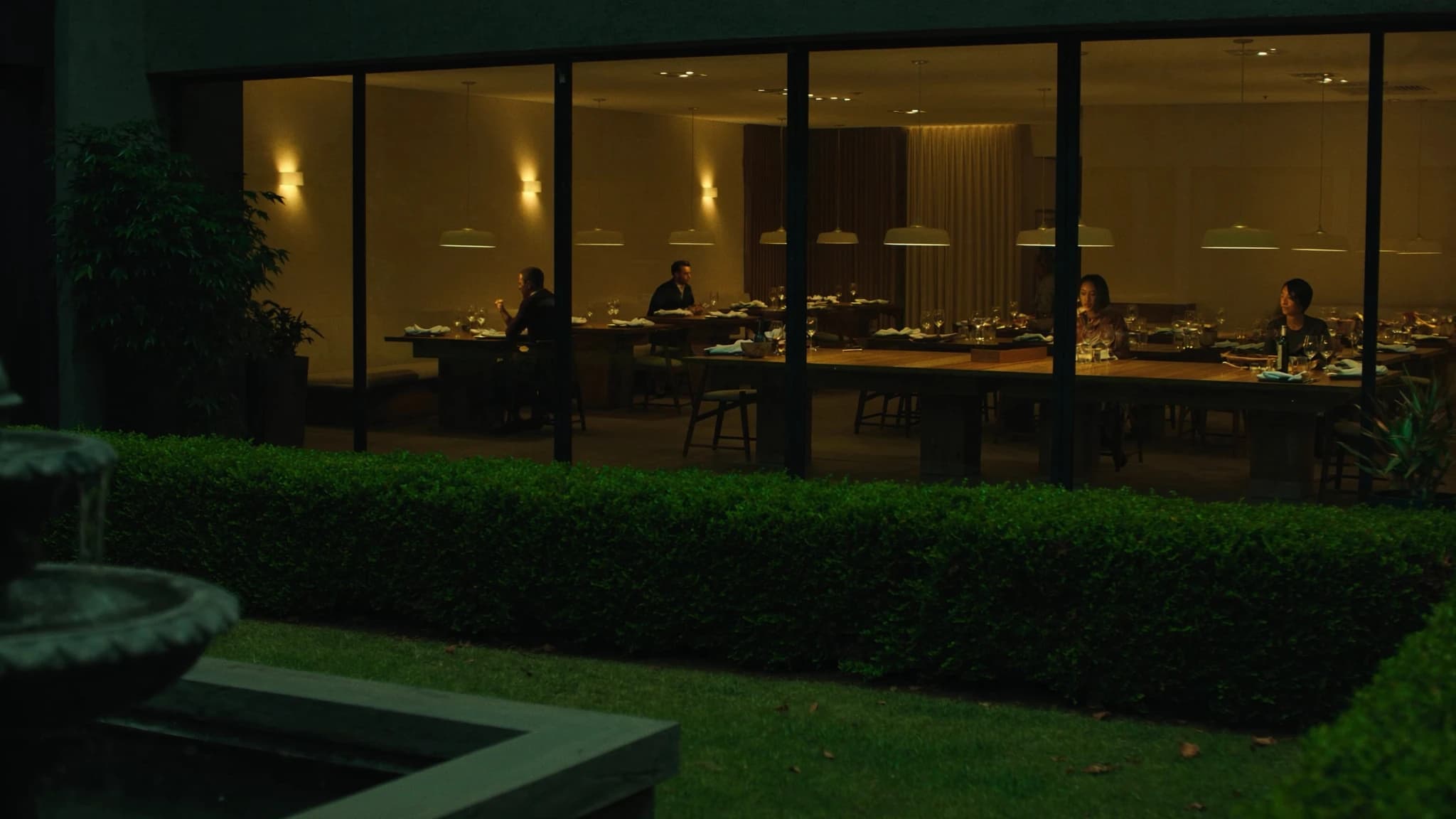
Im Einzelhandel sind Hintergrundmusik und Durchsagen nicht nur Ambiente, sie prägen das Kundenerlebnis und beeinflussen das Kaufverhalten. Ein richtig geplantes System nutzt 70/100V-Verteileraudio, Zonierung für verschiedene Geschäftsbereiche, diskrete Deckenlautsprecher und zuverlässige Streaming-Quellen, alles unter Einhaltung der Musiklizenzierung. SSOUNDS bringt professionelle Zuverlässigkeit und Klarheit in den Einzelhandels-Audiobereich und stellt sicher, dass jede Durchsage gehört wird und jeder Track die Einkaufsumgebung verbessert.
Wichtigste Punkte
- 70/100V-Verteileraudio ist der Standard für den Einzelhandel aufgrund langer Kabelwege und einfacher Multi-Lautsprecher-Setups.
- Zonierung ermöglicht unterschiedliche Audiopegel und Quellen pro Bereich, verbessert Kundenerlebnis und Mitarbeitereffizienz.
- Diskrete Deckenlautsprecher mit breiter Abdeckung und lackierbaren Gittern erhalten die Geschäftsästhetik.
- Verwenden Sie immer lizenzierte Musikquellen, um rechtliche Probleme zu vermeiden; integrieren Sie mit kommerziellen Streaming-Diensten.
- SSOUNDS-Verstärker und DSP bieten zuverlässige, flexible und remote verwaltbare Einzelhandels-Audiolösungen.
- Fachgerechte Installation und Inbetriebnahme gewährleisten klare Durchsagen und konsistente Hintergrundmusikpegel.
Warum 70/100V-Verteilung für den Einzelhandel wichtig ist
Verkaufsflächen erstrecken sich oft über große Bereiche mit mehreren Zonen, Verkaufsfläche, Umkleidekabinen, Lagerraum, Eingang. 70V- (Nordamerika) oder 100V- (Europa/Asien) Verteileraudiosysteme ermöglichen lange Lautsprecherleitungen mit minimalem Leistungsverlust und das einfache Parallelschalten vieler Lautsprecher. Jeder Deckenlautsprecher verfügt über einen Abwärtstransformator mit mehreren Tap-Einstellungen (z. B. 1,5W, 3W, 6W), sodass Sie die Lautstärke pro Zone anpassen können, ohne die Verstärkerleistung zu ändern.
SSOUNDS-Verstärker und DSP-Prozessoren sind darauf ausgelegt, 70/100V-Lasten effizient anzusteuern, mit integrierten Hochpassfiltern und Überlastschutz. Unsere Deckenlautsprecher-Reihe bietet breit abstrahlende Treiber und unauffällige Gitter, die sich in Einzelhandelsinterieurs einfügen und gleichzeitig klare, gleichmäßige Beschallung für Hintergrundmusik und Durchsagen liefern.
Zonierung: Klang für jeden Bereich maßschneidern
Ein Einheitsansatz für Audio scheitert im Einzelhandel. Die Verkaufsfläche benötigt schwungvolle Hintergrundmusik mit 65-75 dB SPL, während Umkleidekabinen niedrigere Lautstärke oder Stille erfordern. Lagerräume und Backoffices benötigen möglicherweise nur Durchsagen. Zonierung ermöglicht es Ihnen, verschiedene Audioquellen oder Pegel an jeden Bereich zu senden.
SSOUNDS DSP-basierte Matrixprozessoren ermöglichen flexibles Routing: Musik der Verkaufsfläche zuweisen, Durchsagen allen Zonen, und Musik in Umkleidekabinen mit Ansagen übersteuern. Unsere Verstärker unterstützen mehrere Zonen pro Einheit, und unsere Steuerungssoftware ermöglicht Zeitplanung, leisere Musik während der Öffnungszeiten, höhere Energie in Spitzenzeiten.
Diskrete Deckenlautsprecher auswählen
Die Einzelhandelsästhetik verlangt Lautsprecher, die in der Decke verschwinden. Suchen Sie Modelle mit lackierbaren Gittern, flachen Backcans und breiter 120°+ Abstrahlung, um die Anzahl der Einheiten zu minimieren. Für offene Geschäfte bieten 8-Zoll-Zwei-Wege-Deckenlautsprecher Vollbereichsklang; für schmale Gänge genügen 6-Zoll-Koaxialmodelle.
SSOUNDS-Deckenlautsprecher verwenden Polypropylen-Membranen und Seidenkalotten-Hochtöner für natürliche Stimmwiedergabe, entscheidend für Durchsageklarheit. Jeder Lautsprecher enthält einen Multi-Tap-Transformator für 70/100V-Systeme und einen Bypass-Schalter für Niederimpedanzbetrieb bei Bedarf. Unsere Ingenieure können helfen, den optimalen Abstand (typischerweise 8-12 Fuß) basierend auf Deckenhöhe und Umgebungsgeräusch zu berechnen.
Musikquellen und Lizenzierungskonformität
Einzelhändler können nicht einfach von persönlichen Spotify- oder Apple Music-Konten streamen, das verstößt gegen die öffentliche Aufführungslizenzierung. Legitime Quellen sind kommerzielle Streaming-Dienste (z. B. Soundtrack Your Brand, Mood Media), Satellitenradio für Unternehmen oder eine lizenzierte Musikbibliothek auf einem lokalen Player. Viele Dienste bieten kuratierte Playlists für Einzelhandelsstimmungen (schwungvoll, entspannend, saisonal).
SSOUNDS-Systeme integrieren sich mit gängigen kommerziellen Musikplayern über analog, digital (AES/EBU, Dante) oder Netzwerk-Audio. Unser DSP kann EQ und Dynamik an die Raumakustik anpassen. Wir empfehlen außerdem die Einbeziehung eines Durchsagemikrofons mit Prioritätsübersteuerung, unerlässlich für Ansagen, Werbeaktionen oder Notfallwarnungen.
Verstärker- und DSP-Überlegungen
Ein Einzelhandelssystem benötigt typischerweise 50-200 Watt pro Zone, abhängig von der Lautsprecheranzahl und den Tap-Einstellungen. Verwenden Sie einen Mehrkanalverstärker mit integriertem DSP für EQ, Delay und Limiting. DSP sorgt für konsistenten Klang über alle Zonen und verhindert Rückkopplungen von Durchsagemikrofonen.
SSOUNDS-Verstärker bieten 4-8 Kanäle mit 70/100V-Ausgang pro Kanal, plus Dante/AES67-Netzwerkaudioeingang für einfache Integration. Unsere DSP-Presets umfassen Modi für 'Retail Background Music' und 'Paging Only', und wir bieten Fernüberwachung über Ethernet, Verstärkerstatus prüfen, Pegel anpassen und Benachrichtigungen von jedem Gerät empfangen.
Bewährte Installationspraktiken
Planen Sie die Lautsprecherplatzierung, um tote Winkel und übermäßige Überlappung zu vermeiden. Verwenden Sie ein Schallpegelmessgerät, um Hintergrundmusik auf 65-75 dB einzustellen, laut genug, um Stimmung zu erzeugen, aber nicht gesprächsbehindernd. Für Durchsagen stellen Sie die Verständlichkeit sicher, indem Sie die Hintergrundmusik 5-10 dB unter dem Durchsagepegel halten.
Verlegen Sie 70/100V-Lautsprecherkabel (14-16 AWG) in plenum-zertifiziertem Kabel für Brandschutz. Kennzeichnen Sie alle Taps und Zonen. SSOUNDS bietet detaillierte Schaltpläne und Inbetriebnahmeunterstützung. Testen Sie nach der Installation jede Zone mit Musik und einem Live-Durchsagetest, um Abdeckung und Klarheit zu bestätigen.
Wartung und Skalierbarkeit
Einzelhandelssysteme sollten einfach zu erweitern sein. Wählen Sie Verstärker mit zusätzlichen Kanälen oder Daisy-Chain-Fähigkeit. SSOUNDS-Verstärker unterstützen Erweiterung über Dante, fügen Sie weitere Zonen hinzu, indem Sie zusätzliche Einheiten an das Netzwerk anschließen. Regelmäßige Wartung umfasst die Überprüfung der Lautsprecherverbindungen, Reinigung der Gitter und Aktualisierung der DSP-Firmware.
Mit SSOUNDS erhalten Sie eine skalierbare, professionelle Lösung, die mit Ihrem Geschäft wächst. Unser globales Supportnetzwerk gewährleistet schnelle Fehlerbehebung, und unsere Produkte tragen Garantien, die ihre Bauqualität widerspiegeln.
Häufige Fragen
Kann ich normale Heimlautsprecher für Hintergrundmusik im Einzelhandel verwenden?
Nicht empfohlen. Heimlautsprecher verfügen nicht über die für 70/100V-Verteilung erforderlichen Transformatoren, und ihre Abstrahlcharakteristik ist nicht für offene Verkaufsflächen ausgelegt. Außerdem entsprechen sie möglicherweise nicht den Brandschutzvorschriften. Verwenden Sie gewerbliche Deckenlautsprecher mit Multi-Tap-Transformatoren.
Wie viele Deckenlautsprecher benötige ich für ein Geschäft mit 1.000 sq ft?
Typischerweise 4-6 Lautsprecher (8 Zoll) mit einem Abstand von 8-12 Fuß, abhängig von der Deckenhöhe (8-12 ft). Eine professionelle Planung von SSOUNDS kann die Beschallung optimieren und die Anzahl der Einheiten minimieren.
Was ist der Unterschied zwischen 70V- und 100V-Systemen?
70V ist in Nordamerika üblich; 100V wird in Europa und anderen Regionen verwendet. Beide funktionieren gleich, höhere Spannung ermöglicht längere Kabelwege. SSOUNDS-Verstärker unterstützen beide Standards mit wählbarem Ausgang.
Benötige ich ein separates Durchsagesystem?
Nicht unbedingt. Ein Durchsagemikrofon mit Prioritätsübersteuerung kann an denselben Verstärker/DSP angeschlossen werden. SSOUNDS DSP ermöglicht Ducking (Absenken der Musiklautstärke), wenn eine Durchsage aktiv ist.
Wie stelle ich die Einhaltung der Musiklizenzierung sicher?
Abonnieren Sie einen kommerziellen Musikdienst wie Soundtrack Your Brand oder Mood Media. Verwenden Sie keine persönlichen Streaming-Konten. SSOUNDS-Systeme lassen sich über analoge oder Netzwerkeingänge einfach in diese Dienste integrieren.
System aufbauen oder aufrüsten?
SSOUNDS entwickelt und fertigt professionelle PA weltweit, vom einzelnen Raum bis zur Stadiongröße.