Grundlagen des Klangdesigns für Stadien und Arenen
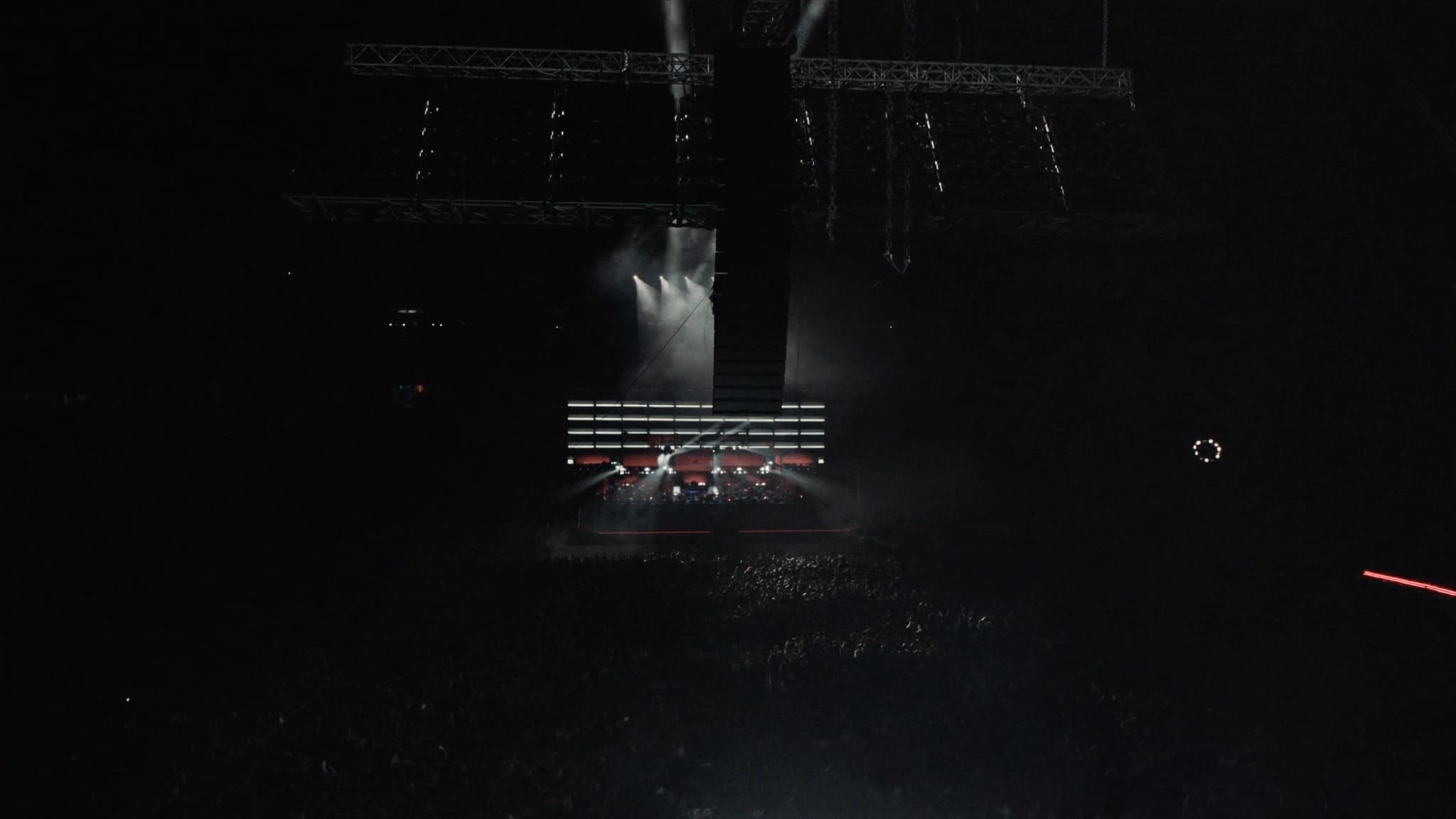
Die Entwicklung von Sound für Stadien und Arenen ist eine der anspruchsvollsten Herausforderungen im professionellen Audiobereich. Anders als in Innenraumtheatern oder Clubs müssen diese riesigen Veranstaltungsorte klares, verständliches Audio für Zehntausende von Zuhörern liefern, die über weite Entfernungen verteilt sind, oft in akustisch widrigen Umgebungen. Der Schlüssel liegt in Long-Throw-Line-Arrays, präziser Delay-Ring-Platzierung und rigoroser Aufmerksamkeit für Coverage und SPL-Konsistenz. Bei SSOUNDS entwickeln wir Systeme, die diese Herausforderungen direkt angehen, indem wir fortschrittliche Waveguide-Technologie, Hochleistungswandler und intelligente DSP kombinieren, um sicherzustellen, dass jeder Sitzplatz, von der ersten Reihe bis zum Oberrang, denselben klanglichen Eindruck erlebt. Dieser Leitfaden untersucht die grundlegenden Prinzipien, die weltklassisches Stadion-Sounddesign definieren.
Wichtigste Punkte
- Long-Throw-Line-Arrays nutzen zylindrische Wellenfrontausbreitung, um den SPL über die Entfernung aufrechtzuerhalten, mit nur 3 dB Verlust pro Entfernungsverdopplung.
- Delay-Ringe erweitern die Coverage durch zeitliche Ausrichtung sekundärer Lautsprechercluster auf das Hauptarray, verhindern Echos und gewährleisten nahtlose Übergänge.
- Verständlichkeit (STI > 0,7) erfordert hohe Richtwirkung, FIR-basierte DSP und hochempfindliche Treiber, um Nachhall und Hintergrundgeräusche zu überwinden.
- Konsistente Coverage (±3 dB) erfordert präzise Splay-Winkel, kardioide Subwoofer-Konfigurationen und veranstaltungsspezifische EQ-Kompensation.
- Vernetzte Zonierung mit Dante/AES67 ermöglicht es einem einzigen System, sich über abrufbare Presets an Sport, Konzerte und Konferenzen anzupassen.
- Strukturelle Sicherheit und ökologische Widerstandsfähigkeit (IP55, Hochtemperaturbetrieb) sind für permanente Stadioninstallationen nicht verhandelbar.
Die Physik von Long-Throw-Line-Arrays
Line Arrays sind das Rückgrat des modernen Stadionsounds. Anders als traditionelle Punktquellen-Lautsprecher, die mit der Entfernung schnell an Pegel verlieren, nutzen Line Arrays konstruktive Interferenz zwischen mehreren vertikal angeordneten Treibern, um eine zylindrische Wellenfront zu erzeugen. Dies reduziert den Verlust nach dem inversen Quadratgesetz auf 3 dB pro Entfernungsverdopplung (statt 6 dB), wodurch der Schall viel weiter mit konsistenter Coverage reisen kann. Für ein Stadion mit 70.000 Sitzplätzen bedeutet dies, dass die oberen Ränge Pegel erhalten können, die mit denen auf dem Spielfeld vergleichbar sind.
Jedoch sind nicht alle Line Arrays gleich. Wahre Long-Throw-Fähigkeit erfordert großformatige Treiber (typischerweise 12- oder 15-Zoll-Woofer) in einem dedizierten Low-Mid-Gehäuse, gekoppelt mit Hochfrequenz-Waveguides, die die Richtcharakteristik bis zum Crossover-Punkt aufrechterhalten. SSOUNDS Line Arrays verwenden proprietäre Phasenstopfen und isophasische Manifolds, um eine kohärente Wellenfront-Summation zu gewährleisten und Lobing sowie Kammfiltereffekte zu minimieren. Das Ergebnis ist ein System, das die Verständlichkeit auch bei Entfernungen von über 100 Metern aufrechterhält.
Delay-Ringe: Coverage erweitern ohne Kompromisse
Kein einzelnes Line Array kann ein ganzes Stadion ohne unakzeptable Pegelvariation abdecken. Hier kommen Delay-Ringe ins Spiel. Ein Delay-Ring ist ein sekundäres Lautsprecherset, typischerweise kleinere Line Arrays oder Punktquellen-Boxen, das weiter hinten im Veranstaltungsort positioniert ist (z. B. unter Balkonen oder am hinteren Ende der Oberränge) und zeitlich auf das Hauptsystem ausgerichtet wird. Durch die Einführung einer digitalen Verzögerung, die der akustischen Ankunftszeit vom Hauptarray entspricht, verstärkt der Delay-Ring den Schall, ohne Echos oder Phasenauslöschungen zu erzeugen.
Eine ordnungsgemäße Delay-Ring-Planung erfordert sorgfältige Messung und Modellierung. Die Verzögerungszeit muss für jeden Ring basierend auf seiner physischen Entfernung zum Hauptarray berechnet werden, und das System muss so zoniert sein, dass nur Zuhörer im Coverage-Bereich des Delay-Rings ihn hören. SSOUNDS Systeme integrieren sich mit fortschrittlicher Vorhersagesoftware (wie EASE Focus oder proprietären Tools), um die Platzierung der Delay-Ringe zu optimieren und einen nahtlosen Übergang zwischen den Zonen zu gewährleisten. In der Praxis kann ein gut gestalteter Delay-Ring die Coverage um 30 bis 50 Meter erweitern, während die volle Verständlichkeit erhalten bleibt.
Verständlichkeit in großem Maßstab erreichen
Verständlichkeit, die Fähigkeit der Zuhörer, Sprache und Songtexte zu verstehen, ist die ultimative Metrik eines Stadion-Soundsystems. Sie wird durch den Speech Transmission Index (STI) quantifiziert, wobei Werte über 0,5 als akzeptabel und über 0,7 als ausgezeichnet gelten. In großen Veranstaltungsorten verschlechtern Nachhall, Hintergrundgeräusche und Kammfiltereffekte alle den STI. Um dem entgegenzuwirken, müssen Designer das Verhältnis von Direktschall zu Nachhall priorisieren, indem sie hochgerichtete Lautsprecher verwenden und Überlappungen zwischen benachbarten Arrays minimieren.
SSOUNDS Ingenieure gehen die Verständlichkeit mit drei Schlüsselstrategien an: Erstens verfügen unsere Line Arrays über eine schmale vertikale Abstrahlung (bis zu 5 Grad), um unerwünschte Reflexionen von der Decke und den oberen Wänden zu reduzieren. Zweitens setzen wir FIR-basierte DSP ein, um den Phasengang zu glätten und zeitbereichsbedingte Verschmierungen zu eliminieren. Drittens spezifizieren wir hochempfindliche Treiber (typischerweise 100 dB SPL 1W/1m oder höher), um Zielpegel ohne übermäßige Verstärkerleistung zu erreichen, was die thermische Kompression reduziert. Bei jüngsten Einsätzen haben SSOUNDS Systeme STI-Werte über 0,7 in Veranstaltungsorten mit über 50.000 Sitzplätzen erreicht.
SPL-Coverage und Konsistenz
Ein häufiger Fehler im Stadiondesign ist die Konzentration nur auf den maximalen SPL. Während Spitzenpegel von 110 bis 120 dB oft für Konzerte erforderlich sind, ist Konsistenz über den gesamten Zuschauerbereich ebenso wichtig. Ein gut abgestimmtes System sollte nicht mehr als ±3 dB Variation vom Durchschnittspegel über alle Sitze aufweisen. Dies erfordert eine sorgfältige Ausrichtung jedes Array-Elements, geeignete Splay-Winkel zwischen den Gehäusen und den strategischen Einsatz von Subwoofer-Arrays, um die Niederfrequenz-Gleichmäßigkeit zu verwalten.
SSOUNDS Line Arrays verfügen über verstellbare Winkel zwischen den Gehäusen in 0,5-Grad-Schritten, was eine präzise Formung des vertikalen Coverage-Musters ermöglicht. Für Subwoofer empfehlen wir kardioide oder End-Fire-Konfigurationen, um die Rückwärtsabstrahlung zu reduzieren und die Niederfrequenz-Konsistenz in den Rängen zu verbessern. Unsere DSP-Presets enthalten veranstaltungsspezifische EQ-Kurven, die die Boundary-Loading und Luftabsorption bei hohen Frequenzen kompensieren, um sicherzustellen, dass der Mix in Reihe 1 und Reihe 100 gleich klingt.
System-Zonierung und vernetzte Steuerung
Moderne Stadien beherbergen oft mehrere Veranstaltungstypen, Sport, Konzerte, Konferenzen, die jeweils unterschiedliche Coverage-Zonen erfordern. Ein flexibles Soundsystem muss die unabhängige Steuerung von Hauptarrays, Delay-Ringen, Unterbalkon-Fills und Front-Fills ermöglichen. SSOUNDS Systeme basieren auf einem Dante/AES67-Netzwerk-Backbone, bei dem alle Verstärker und DSP-Einheiten über eine einzige Steuerungsschnittstelle adressierbar sind. Dies ermöglicht es Toningenieuren, show-spezifische Presets abzurufen, die Verzögerungszeiten, EQ und Pegel für jede Zone anpassen.
Zum Beispiel könnte das System während eines Fußballspiels die Sprachverständlichkeit für Durchsagen priorisieren, den Niederfrequenzanteil reduzieren und die Coverage verengen, um Nachhall zu vermeiden. Für ein Konzert kann dasselbe System auf ein Vollbereichs-High-SPL-Preset mit aktivierten Subwoofer-Arrays umschalten. Diese Zonierungsfähigkeit ist entscheidend, um den Return on Investment zu maximieren, da ein einziges System mehrere Zwecke erfüllen kann, ohne die Leistung zu beeinträchtigen.
Strukturelle und ökologische Überlegungen
Stadioninstallationen stellen einzigartige mechanische Herausforderungen dar. Line Arrays, die mehrere Tonnen wiegen, müssen an Dachträgern geflogen werden, die sich unter Last biegen können. SSOUNDS Rigging-Systeme sind mit Sicherheitsfaktoren von über 10:1 ausgelegt und verwenden Flugzeugaluminium und redundante Befestigungspunkte. Alle Komponenten sind für den Außeneinsatz (IP55 oder höher) geeignet, um Regen, Staub und extremen Temperaturen standzuhalten.
Darüber hinaus kann Windlast die Schallausbreitung in Freiluftstadien beeinflussen. Obwohl dies außerhalb der Kontrolle des Soundsystems liegt, können Designer durch die Verwendung wetterfester Gehäuse und die Sicherstellung einer ordnungsgemäßen Belüftung aller elektronischen Komponenten Abhilfe schaffen. SSOUNDS Verstärker verfügen über ein aktives Thermomanagement und können bei Umgebungstemperaturen bis zu 50 °C ohne Derating betrieben werden.
Fallstudie: SSOUNDS in einer Arena mit 60.000 Sitzplätzen
Um diese Prinzipien zu veranschaulichen, betrachten Sie eine kürzliche SSOUNDS Installation in einer Mehrzweckarena mit 60.000 Sitzplätzen. Das Hauptsystem bestand aus zwei Hängen mit jeweils 24 großformatigen Line-Array-Gehäusen, die den unteren und mittleren Rang abdeckten. Vier Delay-Ringe mit jeweils 12 mittelformatigen Gehäusen wurden unter den Überhängen des Oberrangs positioniert und auf innerhalb von 1 Millisekunde zeitlich ausgerichtet. Sechzehn kardioide Subwoofer-Arrays wurden um den Spielfeldumfang verteilt.
Das Ergebnis war ein System, das einen durchschnittlichen Schalldruckpegel von 110 dB SPL mit ±2 dB Variation über alle Sitze und einen STI von 0,72 auf den am weitesten entfernten Plätzen lieferte. Der Kunde berichtete von null Beschwerden über die Audioqualität aus irgendeinem Sitzbereich, und das System wurde seitdem für internationale Konzerte, politische Kundgebungen und E-Sport-Veranstaltungen genutzt. Dieser Erfolg unterstreicht die Bedeutung von rigorosem Design, hochwertigen Komponenten und fachkundiger Abstimmung.
Häufige Fragen
Was ist der Unterschied zwischen einem Line Array und einem Punktquellen-Lautsprecher für Stadien?
Line Arrays erzeugen eine zylindrische Wellenfront, die mit 3 dB pro Entfernungsverdopplung abnimmt, was sie ideal für große Wurfweiten macht. Punktquellen-Lautsprecher erzeugen eine kugelförmige Wellenfront mit 6 dB Verlust pro Verdopplung, was ihre Reichweite begrenzt. Für Stadien sind Line Arrays unerlässlich, um eine gleichmäßige Beschallung von vorne bis hinten zu gewährleisten.
Wie viele Delay-Ringe benötigt ein typisches Stadion?
Das hängt von der Geometrie des Veranstaltungsortes ab. Für ein Stadion mit 60.000 Sitzplätzen und mehreren Rängen sind 3 bis 5 Delay-Ringe üblich. Jeder Ring deckt eine bestimmte Zone ab (z. B. Oberrang, Ecken) und wird auf das Hauptarray zeitlich ausgerichtet. SSOUNDS verwendet prädiktive Modellierung, um die optimale Platzierung zu bestimmen.
Können SSOUNDS Systeme sowohl für Sprache als auch für Musik verwendet werden?
Absolut. SSOUNDS DSP enthält Presets, die für Sprache (schmalbandig, hohe Verständlichkeit) und Musik (Vollbereich, hoher SPL) optimiert sind. Die vernetzte Steuerung ermöglicht das sofortige Umschalten zwischen den Modi, wodurch das System für Sport, Konzerte und Veranstaltungen geeignet ist.
Was ist der typische SPL-Bedarf für ein Stadionkonzert?
Die meisten professionellen Konzerte streben einen durchschnittlichen Schalldruckpegel von 110 bis 115 dB SPL mit Spitzen bis zu 120 dB an. SSOUNDS Line Arrays sind darauf ausgelegt, diese Pegel mit Headroom zu erreichen, selbst auf den am weitesten entfernten Plätzen, und dabei geringe Verzerrungen beizubehalten.
Wie gewährleisten Sie die Sicherheit beim Fliegen schwerer Line Arrays?
SSOUNDS Rigging verwendet Flugzeugaluminium mit Sicherheitsfaktoren von über 10:1. Alle Komponenten werden lastgetestet und zertifiziert. Die Installation muss den Herstellerrichtlinien und den örtlichen Sicherheitsvorschriften entsprechen, was oft eine statische Überprüfung des Stadiondachs erfordert.
System aufbauen oder aufrüsten?
SSOUNDS entwickelt und fertigt professionelle PA weltweit, vom einzelnen Raum bis zur Stadiongröße.