Die besten Deckenlautsprecher: Ein vollständiger Kaufratgeber
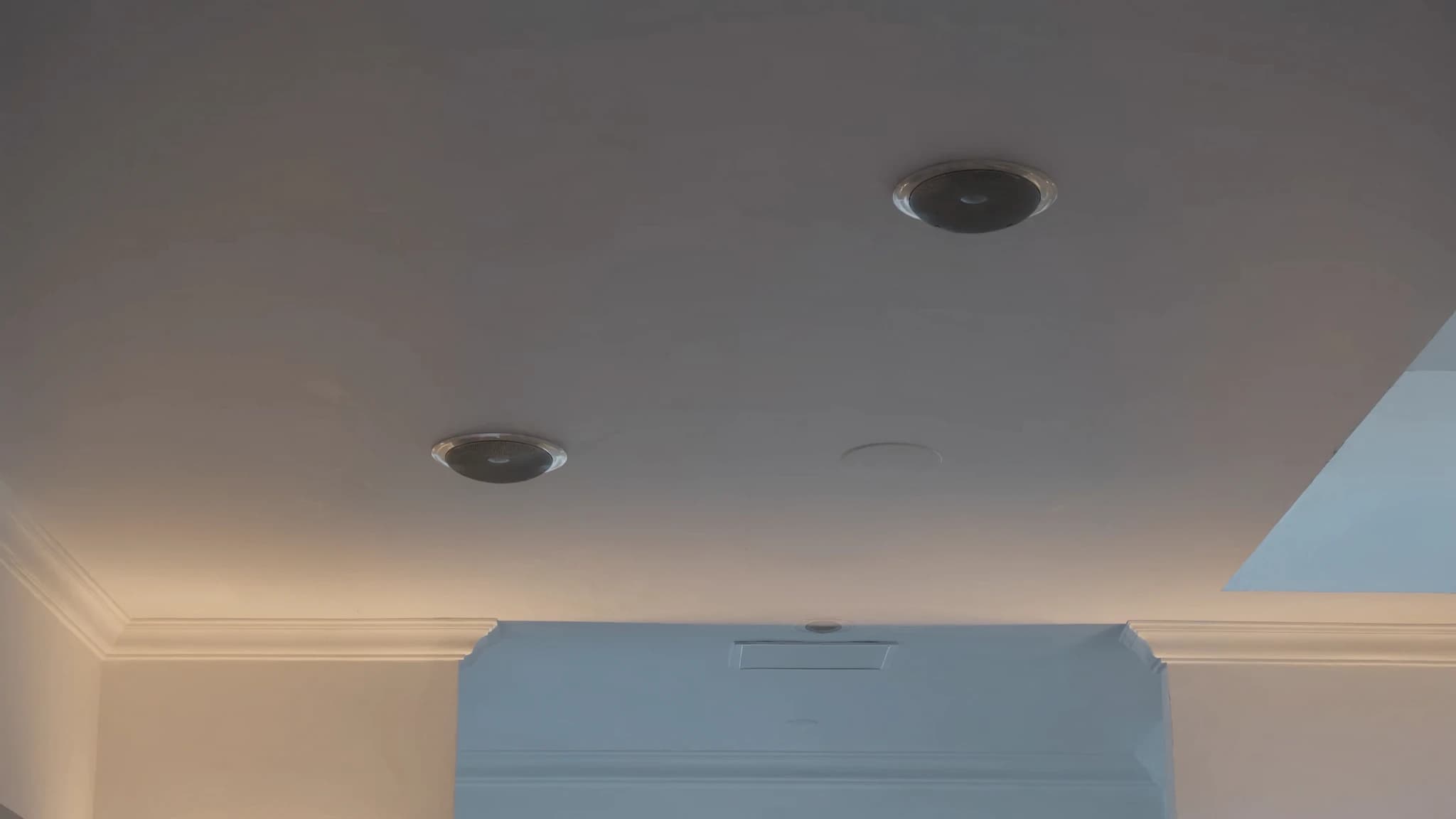
Die Wahl des richtigen Deckenlautsprechers für Ihre gewerbliche Installation kann den Unterschied zwischen klarem, verständlichem Audio und einem undurchsichtigen Klangbrei ausmachen. Dieser Leitfaden entwirrt den Fachjargon, In-Ceiling vs. Surface-Mount, 70/100 V vs. Niederimpedanz, Abdeckungsabstände, Anzapfungseinstellungen und brandschutzgeprüfte Optionen, um Ihnen zu helfen, ein System zu spezifizieren, das überzeugt. Die kommerzielle Deckenlautsprecherserie von SSOUNDS bietet Komponenten und Engineering in Premium-Qualität für Installationen, die Zuverlässigkeit und klangliche Exzellenz erfordern.
Wichtigste Punkte
- In-Ceiling-Lautsprecher bieten diskrete Integration; Surface-Mount ist einfacher für Nachrüstungen.
- 70-V/100-V-Systeme sind am besten für lange Kabelwege und viele Lautsprecher; Niederimpedanz für High-Fidelity-Zonen.
- Platzieren Sie Lautsprecher mit einem Abstand von 1,5 bis 2x der Deckenhöhe für gleichmäßige Abdeckung.
- Anzapfungseinstellungen sollten sich auf 80 % der Verstärkerleistung für Headroom summieren.
- Brandschutzgeprüfte EN 54-24-Lautsprecher sind in vielen gewerblichen Sprachalarmierungssystemen vorgeschrieben.
- Die kommerzielle Deckenlautsprecherserie von SSOUNDS bietet Premium-Komponenten, flexible Anzapfungseinstellungen und brandschutzgeprüfte Optionen.
In-Ceiling vs. Surface-Mount: Was passt zu Ihrem Raum?
In-Ceiling-Lautsprecher werden bündig in eine Deckenplatte oder Trockenbauwand eingebaut und bieten eine diskrete, flache Lösung, ideal für Büros, Einzelhandelsflächen und Restaurants, wo Ästhetik wichtig ist. Sie fügen sich in die Architektur ein und sparen Bodenfläche. Surface-Mount-Lautsprecher hingegen werden an der Decke oder an Wänden befestigt und kommen oft in Lagerhallen, Fitnessstudios oder industriellen Umgebungen zum Einsatz, wo der Zugang zur Decke eingeschränkt ist oder eine akustische Behandlung erforderlich ist.
Für gewerbliche Installationen werden In-Ceiling-Lautsprecher in der Regel wegen ihres sauberen Aussehens und ihrer Fähigkeit bevorzugt, den Schall gleichmäßig über eine Zone zu verteilen. Surface-Mount-Optionen können jedoch nachträglich einfacher zu installieren und anzupassen sein. SSOUNDS bietet beide Bauformen an, wobei unsere In-Ceiling-Modelle über lackierbare Gitter und flache Blenden für eine nahtlose Integration verfügen.
70 V/100 V vs. niederimpedante Systeme: Den Unterschied verstehen
In der gewerblichen Audiotechnik ist die Wahl zwischen Konstantspannungssystemen (70 V oder 100 V) und niederimpedanten Systemen (typischerweise 8 Ω) entscheidend. Konstantspannungssysteme ermöglichen lange Kabelwege mit minimalem Leistungsverlust und das einfache Parallelschalten mehrerer Lautsprecher, jeder mit seiner eigenen Anzapfungseinstellung. Dadurch eignen sie sich ideal für großflächige verteilte Audioanwendungen in Büros, Hotels und Einzelhandelsketten.
Niederimpedante Systeme eignen sich besser für kleinere Zonen oder High-Fidelity-Anwendungen wie Konferenzräume oder Bars, wo Sie volle Bandbreite und hohen Schalldruckpegel benötigen. SSOUNDS-Deckenlautsprecher sind sowohl in 70-V/100-V- als auch in niederimpedanten Versionen erhältlich, mit Multi-Tap-Transformatoren, mit denen Sie die Leistung pro Lautsprecher anpassen können, typischerweise 1,5 W, 3 W, 6 W, 12 W und 24 W Anzapfungen, plus einen 8-Ω-Bypass für den niederimpedanten Betrieb.
Abdeckung und Abstand: Konsistenten Klang erzielen
Für Durchsagen und Hintergrundmusik ist eine konische Abdeckung von 100° üblich. Für Vordergrundmusik oder Sprachverstärkung kann eine engere Abdeckung erforderlich sein, um Reflexionen zu vermeiden. Berücksichtigen Sie immer die Raumakustik; harte Oberflächen wie Glas und Fliesen können Kammfiltereffekte verursachen, wenn die Lautsprecher zu nah beieinander stehen.
Anzapfungseinstellungen: Die richtige Wattzahl wählen
Anzapfungseinstellungen an einem 70-V/100-V-Lautsprecher bestimmen, wie viel Leistung er vom Verstärker aufnimmt. Die gesamte Anzapfungsleistung aller Lautsprecher darf die Nennleistung des Verstärkers nicht überschreiten. Für Hintergrundmusik sind 1,5 W bis 6 W pro Lautsprecher typisch; für Durchsagen 6 W bis 12 W; für Vordergrundmusik oder höheren Schalldruckpegel 12 W bis 24 W.
Zur Berechnung summieren Sie die Anzapfungseinstellungen aller Lautsprecher und stellen sicher, dass sie 80 % oder weniger der Verstärkerausgangsleistung für Headroom betragen. SSOUNDS-Deckenlautsprecher verfügen über einen Drehschalter für die Anzapfung an der vorderen Schallwand zur einfachen Anpassung während der Installation. Unser technisches Support-Team kann Ihnen helfen, die optimalen Anzapfungseinstellungen für Ihr Projekt zu berechnen.
Brandschutzgeprüft und EN 54-Konformität: Sicherheit zuerst
In vielen gewerblichen Gebäuden müssen Deckenlautsprecher Brandschutznormen erfüllen, um die Integrität brandschutzgeprüfter Decken zu wahren. Brandschutzgeprüfte Lautsprecher sind so konstruiert, dass sie die Ausbreitung von Flammen und Rauch durch den Deckenholraum verhindern. In Europa ist EN 54-24 die Norm für Lautsprecher für Sprachalarmierungssysteme, die spezifische Leistungs- und Zuverlässigkeitskriterien vorschreibt.
SSOUNDS bietet eine Reihe brandschutzgeprüfter Deckenlautsprecher mit intumeszierenden Dichtungen und Rückkanälen, die die Anforderungen von EN 54-24 erfüllen. Diese Modelle sind unerlässlich für Hotels, Krankenhäuser und öffentliche Gebäude, wo Personensicherheit oberste Priorität hat. Prüfen Sie immer die örtlichen Bauvorschriften; unser Team kann Sie zur richtigen brandschutzgeprüften Lösung für Ihre Region beraten.
Wo Deckenlautsprecher in eine gewerbliche Installation passen
Deckenlautsprecher sind das Rückgrat der verteilten Audioanwendungen in gewerblichen Umgebungen. Sie eignen sich hervorragend für Großraumbüros, Einzelhandelsgeschäfte, Restaurants, Konferenzräume und Hospitality-Bereiche. Sie werden auch in Sprachalarmierungssystemen eingesetzt, wo eine klare Sprachverständlichkeit entscheidend ist.
Für große Veranstaltungsorte wie Flughäfen oder Einkaufszentren werden Deckenlautsprecher oft mit Pendel- oder Surface-Mount-Lautsprechern für Zonen mit hohen Decken kombiniert. Die kommerzielle Deckenlautsprecherserie von SSOUNDS umfasst Modelle mit Dual-Cone- oder Koaxial-Treibern für Vollbereichswiedergabe, und unsere Subwoofer können für Tieftonerweiterung in musiklastigen Anwendungen hinzugefügt werden.
Praktische Auswahlkriterien für Ihr nächstes Projekt
Beginnen Sie mit der Definition der Anwendung: Hintergrundmusik, Durchsagen oder Vordergrundmusik. Bestimmen Sie die Deckenhöhe, die Raumdimensionen und die akustische Umgebung. Wählen Sie zwischen 70 V/100 V und Niederimpedanz basierend auf der Kabellänge und der Anzahl der Lautsprecher. Wählen Sie die Anzapfungseinstellungen basierend auf dem gewünschten Schalldruckpegel und der Verstärkerleistung.
Berücksichtigen Sie die Ästhetik, lackierbare Gitter und flache Designs. Prüfen Sie für die Sicherheit die Anforderungen an den Brandschutz. Achten Sie schließlich auf hochwertige Treiber und robuste Konstruktion. SSOUNDS-Deckenlautsprecher verwenden Hochhub-Tieftöner und Seidenkalotten-Hochtöner für Klarheit, mit ABS- oder Stahl-Rückkanälen für Langlebigkeit. Unsere Serie umfasst Modelle mit 6,5-Zoll- und 8-Zoll-Tieftönern, die die meisten gewerblichen Anforderungen abdecken.
Häufige Fragen
Was ist der Unterschied zwischen 70-V- und 100-V-Systemen?
Beide sind Konstantspannungssysteme, aber 100 V ist in Europa gebräuchlicher und erlaubt etwas längere Kabelwege oder mehr Lautsprecher pro Verstärker. 70 V ist in Nordamerika typisch. Das Prinzip ist dasselbe: Die Lautsprecher haben Anzapfungen, die die Leistungsaufnahme bestimmen.
Kann ich 70-V- und niederimpedante Lautsprecher am selben Verstärker mischen?
Nein, Sie können sie nicht am selben Verstärkerkanal mischen. Sie benötigen einen dedizierten 70-V/100-V-Verstärker für Konstantspannungslautsprecher oder einen niederimpedanten Verstärker für 8-Ω-Lautsprecher. Manche Verstärker bieten umschaltbare Ausgänge.
Wie berechne ich die Anzahl der benötigten Deckenlautsprecher?
Teilen Sie die Raumlänge und -breite durch den Abstand (1,5 bis 2x Deckenhöhe). Zum Beispiel: Ein Raum von 40 x 30 ft mit einer 10 ft hohen Decke: Bei einem Abstand von 15 bis 20 ft wären etwa 4 bis 6 Lautsprecher erforderlich. Nutzen Sie akustische Modellierungssoftware für Präzision.
Sind SSOUNDS-Deckenlautsprecher EN 54-zertifiziert?
Ja, SSOUNDS bietet eine Reihe von Deckenlautsprechern, die die EN 54-24-Normen für Sprachalarmierungssysteme erfüllen. Kontaktieren Sie unser Vertriebsteam für spezifische Modellzertifizierungen.
Welche Anzapfungseinstellung sollte ich für Hintergrundmusik verwenden?
Für Hintergrundmusik in einem Büro oder Einzelhandelsgeschäft sind 1,5 W bis 6 W pro Lautsprecher typisch. Für Durchsagen 6 W bis 12 W. Passen Sie die Einstellung an die Umgebungsgeräuschpegel und den gewünschten Schalldruckpegel an.
System aufbauen oder aufrüsten?
SSOUNDS entwickelt und fertigt professionelle PA weltweit, vom einzelnen Raum bis zur Stadiongröße.