Das beste Soundsystem für ein Stadion
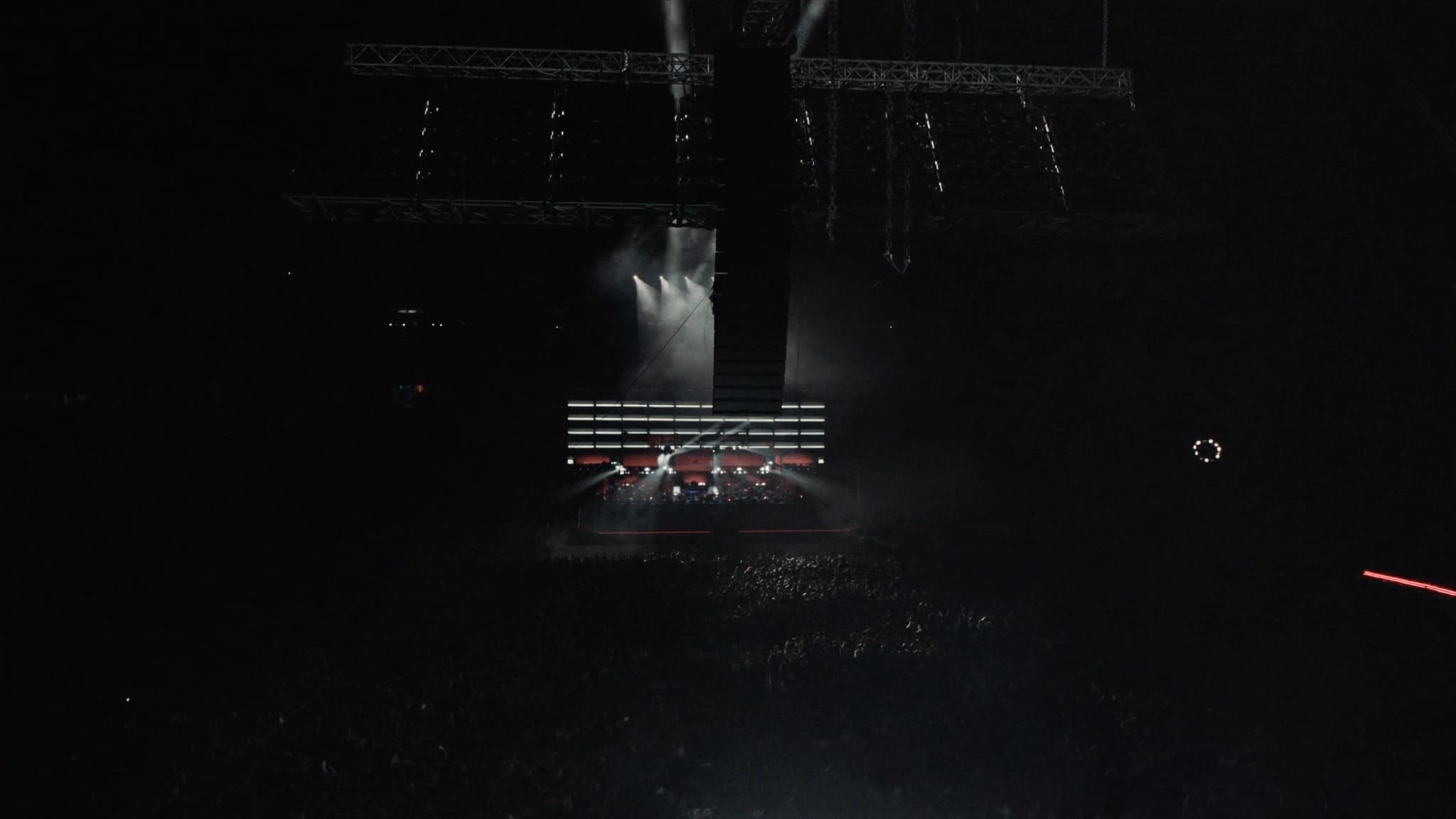
Stadion-Audio ist der ultimative Test für ein PA-System: über 50.000 Sitzplätze mit klarem, kraftvollem Sound für Live-Musik und kritische Durchsagen zu beschallen. Ob Sie sich für ein zentral aufgehängtes Cluster oder verteilte Delay-Ringe entscheiden, die Technik muss Verständlichkeit, gleichmäßige Abdeckung und Wetterbeständigkeit priorisieren. SSOUNDS entwirft und baut Systeme in Stadiongröße, die diese Anforderungen erfüllen, und kombiniert fortschrittliche Line-Array-Technologie mit KI-gestützter Vorhersage, um erstklassige Ergebnisse zu liefern.
Wichtigste Punkte
- Stadion-Audio erfordert entweder zentral aufgehängte oder verteilte Delay-Ring-Systeme, die jeweils spezifische Vorteile für Abdeckung und Timing bieten.
- Präzise Zeitausrichtung über DSP ist entscheidend für die Verständlichkeit, insbesondere in Veranstaltungsorten mit mehreren Rängen und langen Nachhallzeiten.
- Weitwurf-Line-Arrays mit progressiver Krümmung liefern gleichmäßigen Schalldruckpegel von vorne nach hinten ohne übermäßige Pegel in den nahen Sitzreihen.
- Dual-Purpose-Systeme müssen sowohl bei der Sprachverständlichkeit (STI >0,5) als auch bei der Vollbereichs-Musikwiedergabe hervorragend sein.
- Wetterbeständigkeit und Redundanz sind für Outdoor-Stadien nicht verhandelbar; SSOUNDS-Gehäuse erfüllen IP55+ Standards.
- SSOUNDS bietet End-to-End-Engineering-Support, von KI-gestützter Modellierung bis zur Inbetriebnahme vor Ort und Backup.
Verteilte vs. zentral aufgehängte Line Arrays
Die beiden primären Ansätze für Stadion-Audio sind zentral aufgehängte Cluster und verteilte Delay-Ringe. Zentral aufgehängte Arrays, die typischerweise von der Anzeigetafel oder einem dedizierten Rigging-Punkt abgehängt werden, bieten eine einzelne Punktquelle, die das gesamte Stadionrund mit konsistentem Timing abdeckt. Diese Methode funktioniert gut für rechteckige oder ovale Stadien mit symmetrischer Bestuhlung, da sie Kammfiltereffekte minimiert und ein natürliches Schallfeld beibehält. Sie erfordert jedoch massive Arrays mit Weitwurf-Fähigkeit, um die oberen Ränge zu erreichen, und das Gewicht sowie die Windlast können eine Herausforderung darstellen.
Verteilte Systeme verwenden mehrere kleinere Cluster, die rund um das Stadion platziert werden, oft auf Lichttürmen, Dachbindern oder unter Balkonen, wobei jedes eine bestimmte Zone abdeckt. Dieser Ansatz reduziert die Notwendigkeit von extremem Schalldruckpegel von einem einzelnen Punkt, verbessert die Abdeckung in unregelmäßig geformten Veranstaltungsorten und ermöglicht ein geringeres Gesamtsystemgewicht. Der Kompromiss ist eine erhöhte Komplexität bei der Delay-Ausrichtung und das Potenzial für überlappende Abdeckungszonen. SSOUNDS-Ingenieure verwenden fortschrittliche Simulationssoftware, um beide Ansätze zu modellieren und für die spezifische Geometrie jedes Stadions zu optimieren, um eine nahtlose Übergabe zwischen den Zonen zu gewährleisten.
Delay-Ringe und Zeitausrichtung
In jedem großen Veranstaltungsort kommt Schall von entfernten Arrays später an als Schall von näheren, was zu Echos und verringerter Verständlichkeit führt. Delay-Ringe, sekundäre Cluster, die weiter von der Bühne entfernt positioniert sind, werden zeitlich so ausgerichtet, dass ihr Output beim Zuhörer im selben Moment eintrifft wie das Hauptsystem. Dies erzeugt eine kohärente Wellenfront, die die Klarheit für gesprochene Durchsagen und musikalische Transienten bewahrt.
SSOUNDS-Systeme integrieren präzise digitale Signalverarbeitung (DSP) mit Delay-Anpassung auf Sample-Ebene, sodass Ingenieure jedes Gehäuse auf Millisekunden genau ausrichten können. Bei Stadien mit mehreren Delay-Ringen, wie solchen mit drei oder vier Rängen, kann das System in unabhängige Abdeckungsbereiche unterteilt werden, jeder mit eigenen EQ- und Delay-Einstellungen. Dieses Maß an Kontrolle ist entscheidend, um die Verständlichkeit im hinteren Bereich des Oberrangs aufrechtzuerhalten, wo reflektierter Schall vom Dach sonst das Direktsignal verschmieren kann.
Weitwurf-Abdeckung und SPL-Management
Stadien erfordern Lautsprecher, die klaren, unverzerrten Schall über Entfernungen von 100 Metern oder mehr projizieren können. Weitwurf-Line-Arrays verwenden eng gekoppelte Treiber und Waveguides, um eine schmale vertikale Abstrahlung zu erzeugen und die Energie in die Sitzbereiche zu fokussieren, anstatt sie auf das Spielfeld oder den Himmel zu verschwenden. SSOUNDS-Line-Arrays sind mit hochempfindlichen Treibern und optimierten Hornkonstruktionen ausgestattet, die bis zu 140 dB SPL bei 1 Meter liefern, mit konsistentem Frequenzgang über die Wurfstrecke.
Die Steuerung des Schalldruckpegels ist ebenso wichtig: Zu viel Pegel in den vorderen Reihen kann schmerzhaft sein, während zu wenig im hinteren Bereich die Fans anstrengt, etwas zu hören. SSOUNDS-Systeme verwenden progressive Krümmung und Pegelabschwächung, wobei obere Boxen steiler angewinkelt und stärker angesteuert werden, um ein gleichmäßiges Schallfeld von vorne nach hinten zu erzeugen. Diese Technik, kombiniert mit digitalem Beam Steering in einigen Modellen, stellt sicher, dass jeder Sitzplatz das gleiche Erlebnis erhält, ob auf Spielfeldniveau oder in den obersten Rängen.
Verständlichkeit für Durchsagen und Musik
Stadion-PA-Systeme dienen einem doppelten Zweck: Sie liefern wirkungsvolle Musik für Konzerte und Veranstaltungen und bieten kristallklare Sprache für Durchsagen, Notfallwarnungen und Spieltagskommentare. Die Sprachverständlichkeit wird durch Metriken wie den STI (Speech Transmission Index) gemessen, der für gute Verständlichkeit 0,5 und für ausgezeichnete 0,7 überschreiten sollte. SSOUNDS-Systeme sind mit verzerrungsarmen Treibern und phasenkohärenten Frequenzweichen ausgelegt, die die Stimmklarheit auch bei hohem Schalldruckpegel bewahren.
Für Musik muss das System Vollbereichsaudio mit druckvollem Bass, klaren Mitten und erweiterten Höhen reproduzieren. SSOUNDS-Subwoofer, die in Cardioid- oder Endfire-Arrays eingesetzt werden, liefern einen straffen, kontrollierten Tiefton, der den Stimmbereich nicht verschmiert. Das DSP des Systems enthält Preset-Abstimmungen für Musik- und Sprachmodi, sodass Betreiber zwischen einem flachen Frequenzgang für Konzerte und einer stimmoptimierten Kurve für Durchsagen wechseln können. Diese Flexibilität ist entscheidend für Mehrzweckstadien, die sowohl Sport als auch Unterhaltung ausrichten.
Wetterbeständigkeit und Zuverlässigkeit
Outdoor-Stadien setzen Lautsprecher Regen, Staub, extremen Temperaturen und UV-Strahlung aus. Wetterbeständigkeit ist nicht optional, sondern eine Voraussetzung für langfristige Zuverlässigkeit. SSOUNDS-Gehäuse sind aus Marine-Sperrholz, Edelstahlbeschlägen und wetterbeständigen Beschichtungen gefertigt. Alle Treiber sind mit hydrophoben Verbindungen behandelt, und Anschlussfelder sind mit Dichtungen abgedichtet und durch Wetterschutzkappen abgedeckt. Die Systeme erfüllen IP55 oder höhere Schutzarten und gewährleisten den Betrieb unter Monsunbedingungen oder in Wüstenhitze.
Neben dem Wetter bedeutet Zuverlässigkeit Redundanz. SSOUNDS-Verstärker verfügen über redundante Netzteile und Netzwerkverbindungen, und das System kann mit aktiven Backup-Pfaden für Signal und Steuerung konfiguriert werden. Für kritische Veranstaltungen wie die Olympischen Spiele oder die Weltmeisterschaft bietet SSOUNDS technische Unterstützung vor Ort und Ersatzbestände, um sicherzustellen, dass jeder Ausfall innerhalb von Minuten behoben wird. Diese Zuverlässigkeit ist der Grund, warum SSOUNDS für hochkarätige Stadionprojekte weltweit vertraut wird.
Warum SSOUNDS für Projekte in Stadiongröße
SSOUNDS bringt jahrzehntelange Ingenieurserfahrung und eine Erfolgsbilanz von über 700 großen Produktionen in jedes Stadionprojekt ein. Unser Team arbeitet eng mit Architekten, Akustikern und Systemintegratoren von der Entwurfsphase bis zur Inbetriebnahme zusammen und nutzt KI-gestützte akustische Modellierung, um die Abdeckung vorherzusagen und Rigging-Punkte zu optimieren. Wir verkaufen nicht nur Boxen, wir liefern eine komplette, verifizierte Lösung, die die strengen Anforderungen moderner Stadien erfüllt.
Unsere Produktlinie umfasst zweckgebundene Line-Arrays, Subwoofer und Verstärker, die von kleinen Arenen bis zu den größten Stadien skalieren. Mit einer globalen Präsenz in Großbritannien, den USA, Nigeria und Westafrika bietet SSOUNDS lokalen Support und schnelle Bereitstellung. Wenn Sie sich für SSOUNDS entscheiden, wählen Sie einen Partner, der die einzigartigen Herausforderungen von Stadion-Audio versteht und über die Technologie und Expertise verfügt, sie zu meistern.
Häufige Fragen
Was ist der Unterschied zwischen einem zentral aufgehängten und einem verteilten System für ein Stadion?
Ein zentral aufgehängtes System verwendet ein einzelnes großes Cluster, das von der Mitte des Dachs abgehängt wird. Es bietet eine kohärente Quelle, erfordert jedoch Weitwurf-Fähigkeit und eine schwere Rigging-Konstruktion. Verteilte Systeme verwenden mehrere kleinere Cluster, die rund um das Stadion platziert werden und jeweils eine bestimmte Zone abdecken. Dies reduziert das Gewicht und verbessert die Abdeckung in unregelmäßigen Veranstaltungsorten, erfordert jedoch eine sorgfältige Delay-Ausrichtung.
Wie stellen Sie die Sprachverständlichkeit in einem großen Stadion sicher?
Verständlichkeit wird durch präzise Zeitausrichtung der Delay-Ringe, verzerrungsarme Treiber, phasenkohärente Frequenzweichen und DSP-Presets, die für Sprache optimiert sind, erreicht. SSOUNDS-Systeme erzielen STI-Werte über 0,7 in ordnungsgemäß geplanten Installationen.
Welche Wetterbeständigkeit haben SSOUNDS-Stadionlautsprecher?
SSOUNDS-Gehäuse sind aus Marine-Sperrholz, Edelstahlbeschlägen, hydrophoben Treiberbehandlungen und versiegelten Anschlussfeldern gefertigt und erreichen IP55 oder höhere Schutzarten. Sie sind so konstruiert, dass sie Regen, Staub, UV-Strahlung und extremen Temperaturen standhalten.
Können SSOUNDS-Systeme sowohl für Konzerte als auch für Sportveranstaltungen verwendet werden?
Ja. Das SSOUNDS-DSP enthält umschaltbare Presets für Musik- und Sprachmodi, mit denen Betreiber das System für Vollbereichs-Konzertaudio oder Sprachansagen-Klarheit optimieren können. Der hohe Schalldruckpegel und die geringe Verzerrung des Systems machen es für beides geeignet.
Wie unterstützt SSOUNDS Stadionprojekte?
SSOUNDS bietet KI-gestützte akustische Modellierung, Systemdesign, Inbetriebnahme vor Ort und laufenden technischen Support. Wir bieten auch redundante Verstärkerkonfigurationen und Ersatzbestände für kritische Veranstaltungen.
System aufbauen oder aufrüsten?
SSOUNDS entwickelt und fertigt professionelle PA weltweit, vom einzelnen Raum bis zur Stadiongröße.