Das beste Soundsystem für Nachtclubs
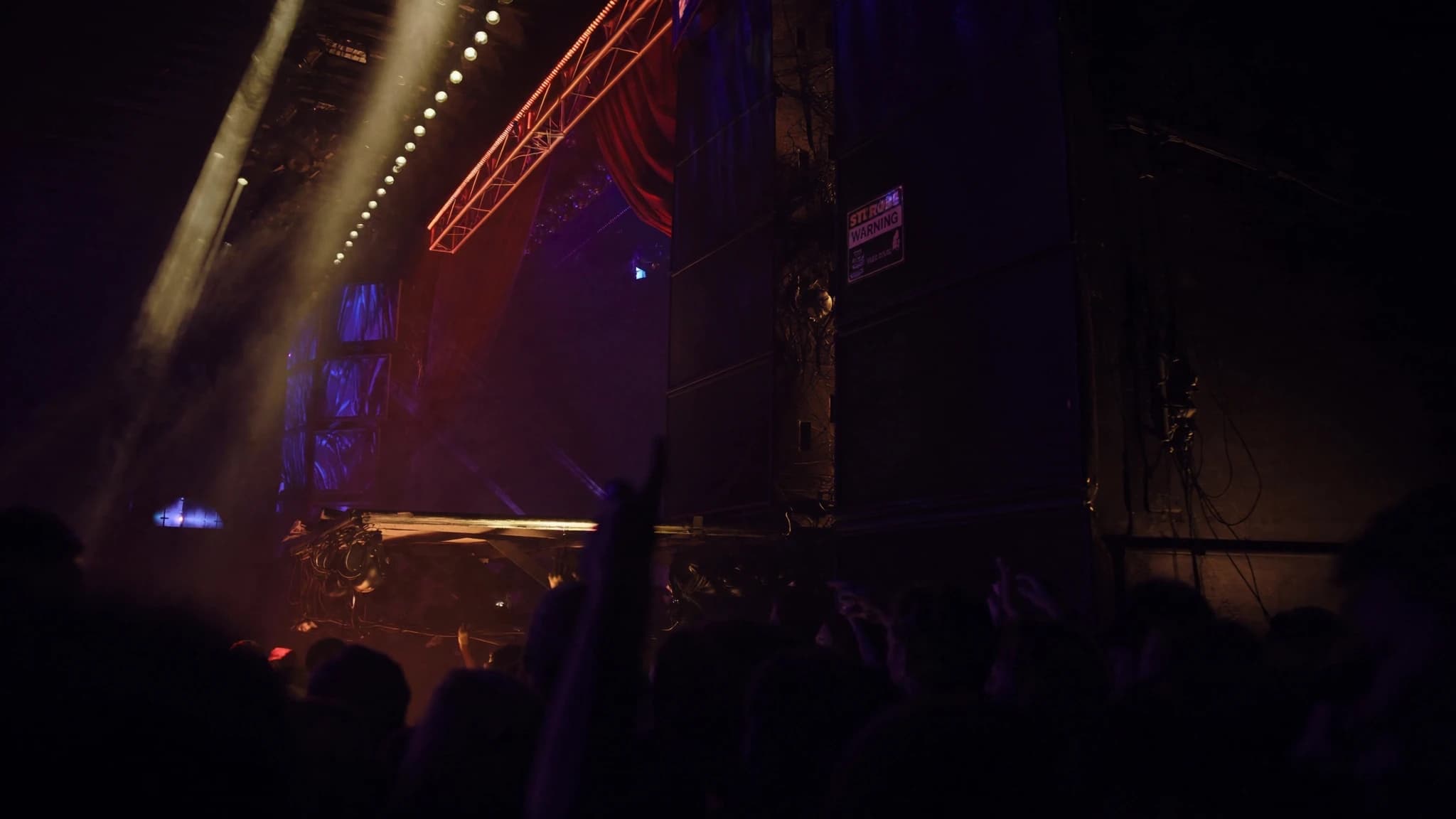
Die Wahl des besten Soundsystems für einen Nachtclub dreht sich darum, hohen SPL, tiefen Subbass-Impact und klare Verständlichkeit auf der Tanzfläche und in den Lounge-Bereichen zu liefern. SSOUNDS Ingenieure entwerfen Systeme, die Point-Source- und kompakte Line-Array-Lösungen für anhaltende Tieftonenergie und präzise Abdeckung ausbalancieren. Dieser Leitfaden erläutert die wichtigsten Überlegungen für Club-Audio, vom Subwoofer-Einsatz bis zum DJ-Monitoring.
Wichtigste Punkte
- Club-Audio erfordert hohen SPL mit tiefem, anhaltendem Subbass; ein 2:1-Verhältnis von Sub zu Top ist ein guter Ausgangspunkt.
- Zonenbasiertes DSP ermöglicht separates Tuning für Tanzfläche, Bar und Lounge-Bereiche, um das Erlebnis zu optimieren.
- Kompakte Line Arrays bieten gleichmäßige Abdeckung und sind ideal für Veranstaltungsorte mit hohen Decken; Point-Source-Systeme eignen sich für kleinere Räume.
- DJ-Booth-Monitore benötigen einen dedizierten Mix und EQ, um akkurates Monitoring mit hohem SPL ohne Rückkopplung zu ermöglichen.
- Korrektes Subwoofer-Tuning (Trennfrequenz, Delay, EQ) ist entscheidend für einen straffen, druckvollen Tiefton ohne Dröhnen.
- SSOUNDS bietet sowohl Line-Array- als auch Point-Source-Lösungen mit integrierter DSP-Verstärkung für Club-Anwendungen.
Full-Range-Systeme mit starker Sub-Energie
Nachtclub-Sound erfordert ein System, das tiefen, druckvollen Bass auf Dauerpegeln ohne Verzerrung reproduzieren kann. Die typische Konfiguration kombiniert Full-Range-Lautsprecher (oft 12-Zoll- oder 15-Zoll-Zweiwege-Designs) mit mehreren Subwoofern, um Frequenzen unter 80 Hz zu übernehmen. SSOUNDS Ingenieure empfehlen ein Sub-zu-Top-Verhältnis von mindestens 2:1 für Tanzflächen, wobei kardioide Sub-Arrays eingesetzt werden, um Rückwandaufbau zu reduzieren und Energie auf das Publikum zu fokussieren.
Für elektronische Musikgenres muss das Subwoofer-System hohe Auslenkung und thermische Belastbarkeit bewältigen. SSOUNDS Subwoofer verfügen über Langhub-Treiber und abgestimmte Bassreflex-Gehäuse, die den Output im Bereich von 30–60 Hz maximieren und so einen spürbaren Druck im Brustkorb gewährleisten, während niedrige Verzerrung erhalten bleibt. Die Full-Range-Tops werden steil getrennt, um Überlappungen zu vermeiden und Headroom sowie Klarheit zu bewahren.
Tanzfläche vs. Bar-/Lounge-Bereiche
Ein gut konzipiertes Club-System behandelt die Tanzfläche als primäre Zone, mit SPL-Zielen um 105–115 dB kontinuierlich und Spitzenfähigkeit von 120+ dB. Die Bar- und Lounge-Bereiche erfordern niedrigere Pegel (85–95 dB), um Gespräche zu ermöglichen. SSOUNDS verwendet verteilte Point-Source-Lautsprecher für Lounge-Bereiche, oft 8-Zoll- oder 10-Zoll-Modelle mit 90° x 60° Abstrahlung, um Übersprechen auf die Tanzfläche zu vermeiden.
Zonen-DSP-Verarbeitung ist entscheidend: Jede Zone erhält ihre eigenen EQ-, Delay- und Limiter-Einstellungen. SSOUNDS Verstärker mit integriertem DSP ermöglichen unabhängiges Tuning für jede Zone, sodass die Tanzflächen-Subwoofer stärker angetrieben werden können, während Lounge-Lautsprecher unter 60 Hz sanft abfallen. Dies verhindert Tiefton-Überlagerung, die den Bar-Bereich verwaschen würde.
Point-Source vs. kompakte Line Arrays für Clubs
Viele Clubs verwenden heute kompakte Line Arrays für das Haupt-Tanzflächensystem, insbesondere in Veranstaltungsorten mit hohen Decken oder unregelmäßigen Formen. Line Arrays bieten gleichmäßige Abdeckung von vorne nach hinten und können geflogen werden, um den Boden frei zu halten. SSOUNDS kompakte Line-Array-Elemente (duale 8-Zoll oder duale 10-Zoll) liefern 120° horizontale Abdeckung und 10° vertikal pro Box, was eine präzise Ausrichtung ermöglicht, um Reflexionen von Wänden zu vermeiden.
Point-Source-Systeme bleiben jedoch beliebt für kleinere Clubs oder Räume mit niedrigen Decken. Ein einzelner Hochleistungs-12-Zoll- oder 15-Zoll-Point-Source-Lautsprecher pro Seite kann eine Tanzfläche bis zu 200 m² abdecken, wenn er richtig positioniert ist. SSOUNDS Point-Source-Modelle verwenden drehbare Hörner und passive Frequenzweichen, die für konsistente Wiedergabe auch bei starker Belastung ausgelegt sind. Die Wahl hängt von der Raumgeometrie, dem Budget und der gewünschten Ästhetik ab; Line Arrays bieten bessere Richtcharakteristik-Kontrolle, während Point-Source einfacher zu installieren ist.
DJ-Booth-Monitoring
Der DJ benötigt einen klaren, akkuraten Monitor, der den vollen Frequenzbereich ohne Verfärbung reproduziert. SSOUNDS empfiehlt einen dedizierten Wedge oder kompakten Full-Range-Lautsprecher, der auf dem Booth platziert und so angewinkelt ist, dass Rückkopplungen vom Hauptsystem vermieden werden. Ein 12-Zoll-Koaxialmonitor ist ideal, da er ein Point-Source-Klangbild und hohen SPL (120+ dB Spitze) bietet, sodass der DJ den Mix auch bei lauter Tanzfläche hören kann.
Der Monitor sollte von einem separaten Mix-Ausgang des DJ-Mixers gespeist werden, nicht vom Haupt-PA-Feed. SSOUNDS Verstärker ermöglichen dem Monitor-Kanal einen eigenen EQ, oft mit einer leichten Bassanhebung (um 50 Hz), damit der DJ den Bass spürt. Das Limiting ist so eingestellt, dass der Treiber geschützt wird, während Transientenspitzen weiterhin möglich sind.
SPL und Tuning für anhaltenden Tiefton
Anhaltender Tiefton-Output ist das Markenzeichen eines großartigen Club-Systems. Dies erfordert Subwoofer mit hoher Belastbarkeit und Verstärker, die Dauerleistung ohne thermisches Limiting liefern können. SSOUNDS Subwoofer sind mit 4-Zoll-Schwingspulen und Neodym-Magneten für hohe Effizienz ausgelegt, kombiniert mit Verstärkern, die für 2000+ Watt Dauerleistung pro Sub ausgelegt sind.
Das Tuning umfasst sorgfältige Trennfrequenzwahl (typischerweise 80–100 Hz LR24) und EQ zum Ausgleich von Raummoden. SSOUNDS Ingenieure verwenden Messsoftware, um problematische Resonanzen zu identifizieren und parametrische EQ-Absenkungen anzuwenden. Für das Subwoofer-Array ist die Delay-Ausrichtung zwischen Subs und Tops entscheidend, um kohärente Summierung an der Hörposition zu gewährleisten. Das Ergebnis ist ein straffer, druckvoller Bass, der kraftvoll wirkt, ohne zu dröhnen.
Verwenden Clubs Line Arrays?
Ja, viele moderne Clubs verwenden Line Arrays, insbesondere solche mit hohen Decken (über 5 m) oder langen, schmalen Tanzflächen. Line Arrays bieten konsistenten SPL von vorne nach hinten und reduzieren die Notwendigkeit mehrerer Delay-Lautsprecher. SSOUNDS Line Arrays werden in Clubs weltweit eingesetzt, entweder von Decken-Traversen geflogen oder auf Subwoofern gestapelt. Für kleinere Veranstaltungsorte kann ein Point-Source-System kosteneffizienter und einfacher abzustimmen sein.
Die Entscheidung hängt auch vom Genre-Fokus des Clubs ab. EDM- und basslastige Clubs bevorzugen oft Line Arrays aufgrund ihrer Fähigkeit, tiefe Frequenzen gleichmäßig zu projizieren. Hip-Hop- und Top-40-Clubs entscheiden sich möglicherweise für Point-Source-Systeme mit leistungsstarken Subwoofern für einen lokaleren Impact. SSOUNDS bietet beide Optionen, mit Engineering-Support, um die optimale Lösung für jeden Veranstaltungsort zu entwerfen.
Häufige Fragen
Welche Lautsprechergröße ist am besten für einen Nachtclub?
Für die Haupttanzfläche sind 12-Zoll- oder 15-Zoll-Zweiwege-Tops in Kombination mit 18-Zoll-Subwoofern Standard. Kleinere Clubs können 10-Zoll-Tops mit dualen 15-Zoll-Subs verwenden. SSOUNDS bietet eine Reihe von Größen an, die zu den Raumdimensionen und den SPL-Anforderungen passen.
Wie viele Subwoofer brauche ich für einen Club?
Eine gängige Regel ist zwei Subwoofer pro Top-Lautsprecher für die Tanzfläche. Für einen Club mit 200 Personen sind vier 18-Zoll-Subs typisch. SSOUNDS kann Ihren Raum modellieren, um die optimale Anzahl und Platzierung zu bestimmen.
Kann ich ein Line Array in einem kleinen Club verwenden?
Ja, kompakte Line Arrays (z. B. duale 8-Zoll) funktionieren gut in kleinen Clubs mit Decken über 4 m. Sie bieten eine gleichmäßige Abdeckung und reduzieren den Platzbedarf am Boden. SSOUNDS kompakte Line Arrays sind für solche Anwendungen konzipiert.
Welche Verstärkerleistung brauche ich für Club-Lautsprecher?
Verstärker sollten das 1,5- bis 2-fache der Dauerbelastbarkeit der Lautsprecher liefern. SSOUNDS Verstärker sind auf unsere Lautsprechersysteme abgestimmt und gewährleisten optimale Leistung und Headroom.
Wie stimme ich die Subwoofer für einen Club ab?
Beginnen Sie mit einer Trennfrequenz bei 80–100 Hz (LR24), messen Sie dann die Raumantwort und wenden Sie EQ an, um Resonanzen zu reduzieren. Richten Sie die Subs mit den Tops an der Haupt-Hörposition delay-aus. SSOUNDS bietet Presets und Tuning-Unterstützung.
System aufbauen oder aufrüsten?
SSOUNDS entwickelt und fertigt professionelle PA weltweit, vom einzelnen Raum bis zur Stadiongröße.