Die besten Lautsprecher für ein Fitnessstudio und ein Fitness-Studio
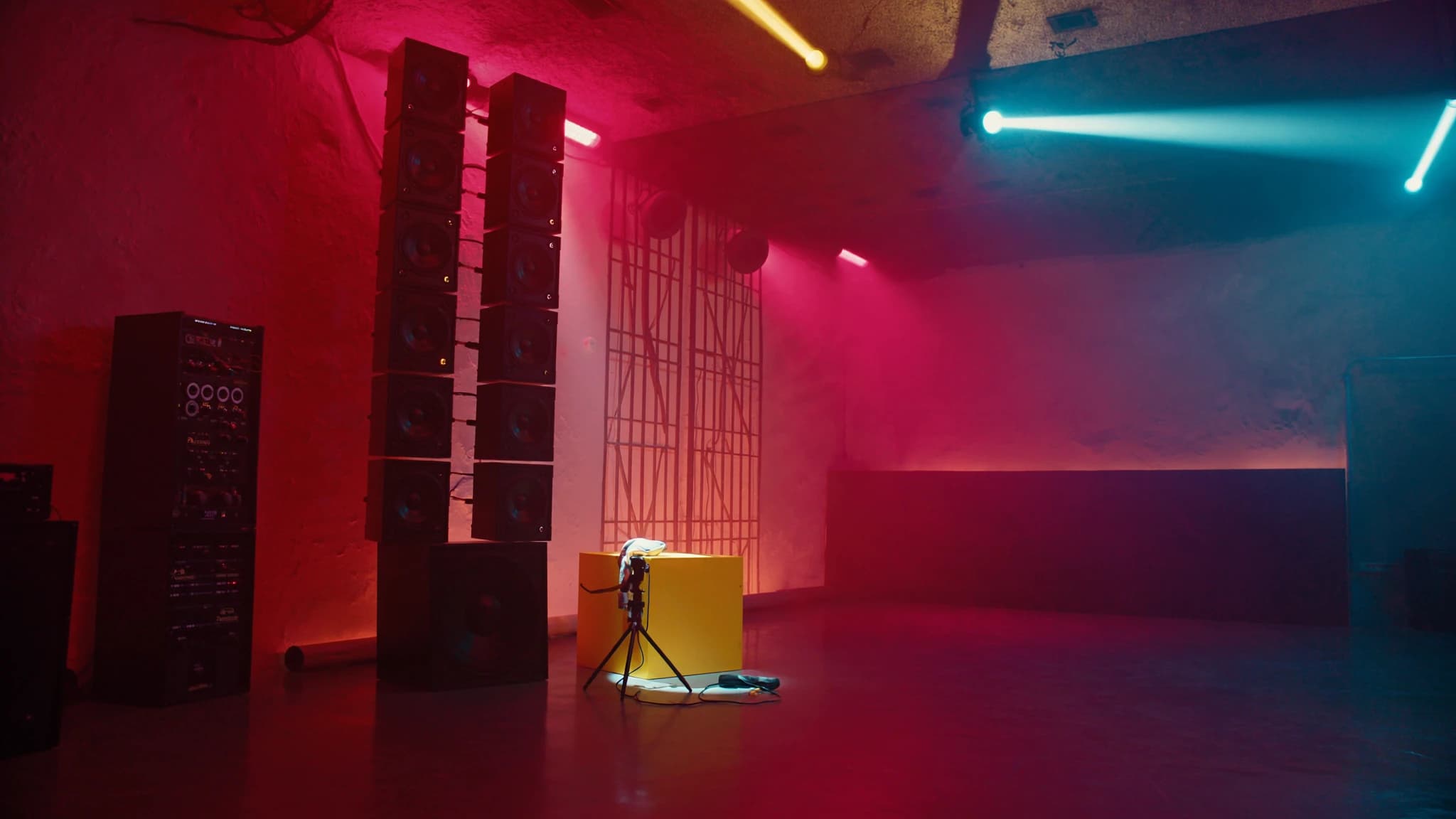
Audio in Fitnessstudios und Fitness-Studios verlangt mehr als nur Lautstärke: Es erfordert eine gleichmäßige Abdeckung mit hohem Schalldruckpegel, druckvollen Bass für die Energie im Kurs und robuste Langlebigkeit, um Schweiß, Vibrationen und ständiger Nutzung standzuhalten. Ob Sie ein Boutique-Spin-Studio oder ein Fitnesscenter mit mehreren Zonen ausstatten, die SSOUNDS-Technik liefert die Klarheit und den Impact, die Mitglieder motivieren und Trainer hörbar machen.
Wichtigste Punkte
- Subwoofer sind für Kurse mit hoher Energie unerlässlich, sie liefern den Bass-Impact, der Rhythmus und Motivation antreibt.
- Oberflächenmontierte Lautsprecher übertreffen Deckenlautsprecher in Bezug auf Abdeckung und Bassgang für aktive Studios.
- Zonierung ermöglicht separate Lautstärke und EQ für verschiedene Bereiche, von HIIT-Räumen bis zu Yoga-Studios.
- Langlebigkeit zählt: Achten Sie auf feuchtigkeitsbeständige Gehäuse, korrosionssichere Hardware und Überlastschutz.
- Verständlichkeit bei hohem Schalldruckpegel erfordert DSP-optimierte Presets und eine ordnungsgemäße akustische Behandlung.
- Skalierbare vernetzte Systeme (Dante/AVB) machen Ihre Investition zukunftssicher und vereinfachen die Erweiterung.
Warum Fitnessstudios Subwoofer für die Energie im Kurs benötigen
Viele Fitnessstudio-Besitzer gehen davon aus, dass ein paar Deckenlautsprecher ausreichen, aber Fitnesskurse mit hoher Energie. HIIT, Spin, Zumba, setzen auf Bass, um Rhythmus und Intensität voranzutreiben. Ohne Subwoofer ist der Tiefton dünn und uninspirierend, was die Kurse flach wirken lässt. SSOUNDS-Subwoofer sind darauf ausgelegt, einen straffen, druckvollen Bass zu liefern, der den Raum füllt, ohne den Mitteltonbereich zu verwaschen, sodass die Beats hart und klar treffen.
Für ein typisches 2.000 Quadratfuß großes Studio kann ein einzelner SSOUNDS-Subwoofer in Kombination mit Fullrange-Tops den viszeralen Impact liefern, der für Spitzenmomente benötigt wird. In größeren Räumen erzeugen mehrere strategisch positionierte Subs (z. B. in Ecken oder entlang von Wänden) eine gleichmäßige Tieftonabdeckung. Unsere DSP-Presets enthalten fitnessoptimierte Kurven, die den Bereich von 40-80 Hz anheben, ohne die Sprachverständlichkeit zu beeinträchtigen.
Decken- vs. oberflächenmontierte Lautsprecher: Was am besten funktioniert
Deckenlautsprecher sind wegen ihres diskreten Aussehens beliebt, aber sie beeinträchtigen oft die Abdeckung und den Bassgang. In Fitnessstudios können deckenmontierte 70V-Systeme für Hintergrundmusik in Bereichen mit geringer Belastung wie Cardio-Zonen funktionieren, aber für Studios mit hoher Energie sind oberflächenmontierte Point-Source- oder Line-Array-Lautsprecher überlegen. Sie projizieren den Schall direkt in den Hörbereich, reduzieren Reflexionen und gewährleisten einen gleichmäßigen Schalldruckpegel im Raum.
SSOUNDS-Oberflächenlautsprecher verfügen über drehbare Hörner und mehrere Rigging-Punkte, die eine präzise Ausrichtung ermöglichen, um tote Winkel abzudecken. Für Studios mit niedrigen Decken (unter 12 Fuß) liefern unsere kompakten Point-Source-Modelle einen Spitzen-Schalldruckpegel von 130 dB mit kontrollierter Abstrahlung. Deckenlautsprecher sind am besten für Flure, Umkleideräume oder Empfangsbereiche reserviert, wo die Ästhetik wichtiger ist als die Leistung.
Studios zonieren: Separate Steuerung für verschiedene Bereiche
Für Einrichtungen mit mehreren Räumen empfehlen wir ein zentrales Verstärkerrack mit dedizierten Ausgängen pro Zone, verdrahtet mit symmetrischen Audio-Snakes oder digitalem Dante-Audio. Dies vermeidet Signalverschlechterung über lange Strecken und vereinfacht die Fehlersuche. Unsere Ingenieure können Ihnen helfen, Zonengrenzen basierend auf Wandkonstruktion und gewünschten Schalldruckpegeln zu planen.
Langlebigkeit: Schweiß, Vibrationen und Staub standhalten
Fitnessstudio-Umgebungen sind hart für Elektronik. Schweiß, Feuchtigkeit, Vibrationen von schwerem Gerät und luftgetragener Staub können Standardlautsprecher schnell beeinträchtigen. SSOUNDS-Lautsprecher sind mit Gehäusen aus Marine-Sperrholz, korrosionsbeständiger Hardware und witterungsbeständigen Gittern gebaut. Unsere Wandler sind mit hydrophoben Beschichtungen behandelt, um Feuchtigkeit abzuweisen, und alle Modelle enthalten Überlastschutzschaltungen.
Für Deckenlautsprecher empfehlen wir Modelle mit versiegelten Backcans, um das Eindringen von Staub zu verhindern. Oberflächenmontierte Lautsprecher sollten mit vibrationsdämpfenden Halterungen installiert werden, um Ermüdung zu reduzieren. Regelmäßige Wartung, das Abwischen der Gitter mit einem feuchten Tuch und die Überprüfung der Verbindungen, verlängert die Lebensdauer. SSOUNDS bietet eine 5-Jahres-Garantie auf passive Lautsprecher und 3 Jahre auf aktive Modelle, was unser Vertrauen in die Langlebigkeit widerspiegelt.
Motivierenden, verständlichen Fitnessstudio-Sound gestalten
Akustische Behandlung wird oft übersehen. Harte Oberflächen (Spiegel, Fenster, Beton) erzeugen Slap-Echos, die die Verständlichkeit verringern. Die strategische Platzierung von Bassfallen und Absorptionspanels kann die Klangqualität dramatisch verbessern. Unser Team kann eine kostenlose akustische Analyse und Systemplanung für Ihren Raum durchführen, damit jeder Dezibel zählt.
Systemdimensionierung und Skalierbarkeit
Beginnen Sie mit dem größten Raum, in der Regel dem Hauptstudio, und arbeiten Sie sich nach außen vor. Ein 1.500 Quadratfuß großes Studio mit 12 Fuß hohen Decken benötigt für Kurse mit hoher Energie etwa 2.000-3.000 Watt Dauerleistung. SSOUNDS bietet skalierbare Lösungen: Ein einzelnes Paar unserer 12-Zoll-Tops und ein Dual-18-Zoll-Sub können dies bewältigen, mit Raum für zusätzliche Delay-Lautsprecher für größere Räume.
Für Einrichtungen mit mehreren Räumen sollten Sie ein vernetztes Audiosystem mit Dante oder AVB in Betracht ziehen. Dies ermöglicht es Ihnen, Zonen zu erweitern, ohne neu zu verkabeln. Unsere Verstärker unterstützen Daisy-Chaining und Fernüberwachung, sodass Sie den Systemzustand von einem Tablet aus überprüfen können. Die Zukunftssicherheit mit einem digitalen Backbone stellt sicher, dass Ihre Investition Erweiterungen übersteht.
Häufige Fragen
Welche Größe an Subwoofer benötige ich für ein 2.000 Quadratfuß großes Fitnessstudio?
Ein einzelner 18-Zoll-Subwoofer mit 1.000-1.500 Watt RMS ist für Kurse mit hoher Energie in der Regel ausreichend. Für eine gleichmäßige Bassverteilung sollten zwei 15-Zoll- oder 18-Zoll-Subs in gegenüberliegenden Ecken in Betracht gezogen werden.
Kann ich Deckenlautsprecher für ein Spin-Studio verwenden?
Deckenlautsprecher haben nicht den Bassgang und den Schalldruckpegel, der für Spin-Kurse erforderlich ist. Für den Punch und die Klarheit, die benötigt werden, werden oberflächenmontierte Lautsprecher mit dedizierten Subwoofern empfohlen.
Wie verhindere ich Rückkopplungen, wenn Trainer drahtlose Mikrofone verwenden?
Verwenden Sie einen DSP mit Rückkopplungsunterdrückung, Notch-Filtern und sorgfältiger EQ. Positionieren Sie die Lautsprecher vor dem Aufnahmemuster des Mikrofons des Trainers und vermeiden Sie, die Lautsprecher direkt auf reflektierende Oberflächen zu richten.
Was ist die beste Methode, um ein Fitnessstudio mit mehreren Räumen zu zonieren?
Verwenden Sie einen mehrkanaligen DSP-Verstärker mit individuellen Ausgängen pro Zone. Verbinden Sie jede Zone über symmetrisches Audio oder Dante und legen Sie Presets für Lautstärke und EQ pro Raum fest. Steuern Sie über einen zentralen Touchscreen oder eine mobile App.
Wie oft sollte ich die Lautsprecher im Fitnessstudio warten?
Wischen Sie die Gitter monatlich mit einem feuchten Tuch ab, um Staub und Schweiß zu entfernen. Überprüfen Sie die Verbindungen und den Sitz der Gitter vierteljährlich. Lassen Sie die Treiber und DSP-Einstellungen jährlich von einem Fachmann überprüfen.
System aufbauen oder aufrüsten?
SSOUNDS entwickelt und fertigt professionelle PA weltweit, vom einzelnen Raum bis zur Stadiongröße.