Die besten Lautsprecher für Flughäfen und Verkehrsknotenpunkte
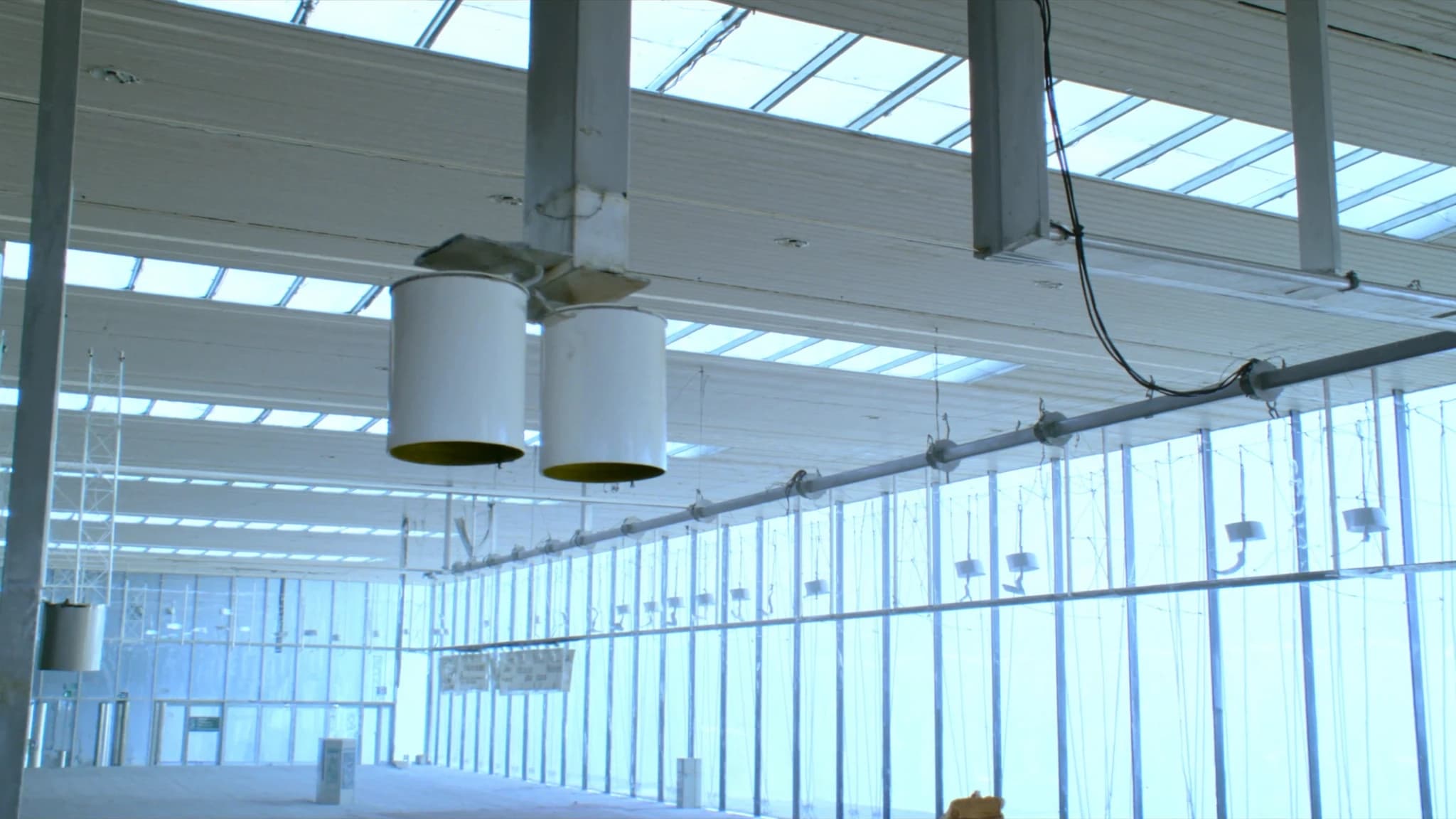
Flughäfen, Bahnhöfe und Busbahnhöfe erfordern mehr als nur lauten Schall: Sie benötigen Sprachalarmierungssysteme (VA), die bei extremen Umgebungsgeräuschen eine kristallklare Verständlichkeit liefern, die EN-54-Normen für Notfall-Evakuierung erfüllen und sich in komplexe Zonierung und Umgebungsgeräuscherkennung integrieren lassen. SSOUNDS kommerzielle PA/VA-Systeme sind für diese anspruchsvollen Anforderungen konzipiert und kombinieren hohe STI-Leistung, verteilte 70/100-V-Leitungsarchitekturen und intelligente DSP, um sicherzustellen, dass jede Durchsage gehört und verstanden wird, selbst in den lautesten Verkehrsumgebungen.
Wichtigste Punkte
- Verkehrsknotenpunkte erfordern PA/VA-Systeme in Sprachalarmierungsqualität, die Verständlichkeit (STI) und Notfallkonformität (EN 54) priorisieren.
- Die verteilte 70/100-V-Leitungsarchitektur ist unerlässlich, um große Bereiche mit minimalem Leistungsverlust und einfacher Zonierung abzudecken.
- Umgebungsgeräuscherkennung und automatische Verstärkungsregelung stellen sicher, dass Durchsagen bei schwankenden Geräuschbedingungen hörbar bleiben.
- SSOUNDS kommerzielle Systeme bieten zertifizierte EN-54-Konformität, redundante Verstärker und kontinuierliche Leitungsüberwachung für ausfallsicheren Betrieb.
- Richtige Lautsprecherplatzierung, Kabelauswahl und Inbetriebnahme sind entscheidend für hohe STI-Werte in halligen Verkehrsumgebungen.
- Vernetztes Audio und IoT-Integration ermöglichen zukunftssichere, zentral verwaltete PA/VA-Systeme, die sich an Echtzeit-Betriebsdaten anpassen.
Warum Verkehrsknotenpunkte PA/VA in Sprachalarmierungsqualität benötigen
In einem belebten Flughafen oder Bahnhof können die Hintergrundgeräuschpegel stark schwanken, vom Dröhnen der Triebwerke bis zum Rumpeln von Zügen und Menschenmengen. Standard-PA-Systeme können sich oft nicht gegen diesen Lärm durchsetzen, was zu verzerrten Durchsagen führt, die von den Fahrgästen ignoriert werden. Sprachalarmierungssysteme (VA) sind darauf ausgelegt, Verständlichkeit und Zuverlässigkeit zu priorisieren und erfüllen Standards wie EN 54 (Europa) und NFPA 72 (Nordamerika) für die Notfall-Sprachalarmierung. SSOUNDS kommerzielle Systeme sind von Grund auf für diese kritischen Anwendungen konzipiert, mit zertifizierten Komponenten und fortschrittlichem DSP, der den Speech Transmission Index (STI) auch bei hohen Umgebungsgeräuschen über 0,5 hält.
Über die Notfallkonformität hinaus benötigen Verkehrsknotenpunkte klare Durchsagen für Gate-Änderungen, Verspätungen und Sicherheitswarnungen. Ein System, das keine verständlichen Nachrichten liefert, erzeugt Verwirrung, verzögert den Betrieb und kann sogar die Sicherheit beeinträchtigen. SSOUNDS begegnet dem mit zweckgebauten Lautsprechern, die eine breite Abstrahlung mit hocheffizienten Wandlern kombinieren, sodass jedes Wort durch den Lärm dringt, ohne übermäßigen Schalldruckpegel, der zu Hörermüdung führt.
Wichtige technische Kriterien: STI, Zonierung und Umgebungsgeräuscherkennung
Der Speech Transmission Index (STI) ist der Goldstandard für die Messung der Verständlichkeit in Beschallungsanlagen. Für Verkehrsknotenpunkte wird ein Mindest-STI von 0,5 für routinemäßige Durchsagen empfohlen, während Notfall-Systeme oft 0,7 oder höher anstreben. SSOUNDS-Lautsprecher erreichen hohe STI-Werte durch kontrollierte Richtwirkung, wodurch Reflexionen und Nachhall minimiert werden, die Sprache verwischen. Unsere Line-Array- und Punktquellen-Gehäuse sind mit Waveguides ausgestattet, die Energie dorthin fokussieren, wo sie benötigt wird, und die Abstrahlung in nicht kritische Zonen reduzieren.
Zonierung ist eine weitere kritische Anforderung. Ein großes Terminal kann Dutzende von Zonen haben, Check-in, Sicherheit, Gates, Gepäckausgabe und Lounges, die jeweils unabhängige Lautstärke- und Nachrichtenweiterleitung erfordern. SSOUNDS-DSP-Verstärker unterstützen bis zu 64 Zonen pro Einheit, mit programmierbaren Prioritätsschemata, die es Notfalldurchsagen ermöglichen, Hintergrundmusik oder routinemäßige Durchsagen zu übersteuern. Die Umgebungsgeräuscherkennung (ANS) ist in unsere Steuerungssysteme integriert: In jeder Zone platzierte Mikrofone messen kontinuierlich den Geräuschpegel und passen die Verstärkerverstärkung automatisch an, um ein konstantes Signal-Rausch-Verhältnis aufrechtzuerhalten. Dadurch sind Durchsagen immer hörbar, ohne in ruhigen Zeiten unangenehm laut zu sein.
Verteilte 70/100-V-Leitungsarchitektur: Das Rückgrat großer PA-Anlagen
Verkehrsknotenpunkte erstrecken sich über riesige Flächen, manchmal Hunderttausende Quadratmeter, was herkömmliche niederohmige Lautsprecherverkabelung unpraktisch macht. Verteilte 70-V- (Nordamerika) und 100-V-Systeme (Europa/Asien) ermöglichen lange Kabelwege mit minimalem Leistungsverlust, wobei Transformatoren an jedem Lautsprecher zur Impedanzanpassung verwendet werden. SSOUNDS bietet eine komplette Palette von 70/100-V-kompatiblen Lautsprechern, von Deckenmontage-Einheiten für Wartehallen bis hin zu witterungsbeständigen Gehäusen für Außenbahnsteige und Parkplätze.
Unsere 70/100-V-Transformatoren sind auf geringen Einfügungsverlust und breite Bandbreite ausgelegt, wodurch die Sprachklarheit auch bei niedrigen Anzapfungen erhalten bleibt. Für Zonen, die einen höheren Schalldruckpegel erfordern, wie Abflughallen oder Bahnsteige, bietet SSOUNDS Multi-Tap-Optionen (z. B. 1,25 W, 2,5 W, 5 W, 10 W), die eine Feinabstimmung der Beschallung ermöglichen. Die verteilte Architektur vereinfacht auch die Redundanz: Wenn ein Verstärker ausfällt, können benachbarte Zonen neu konfiguriert werden, um die Lücke zu schließen, was einen kontinuierlichen Betrieb während Notfällen gewährleistet.
EN-54-Konformität und Notfall-Sprachalarmierung
EN 54 ist die europäische Norm für Brandmelde- und Alarmsysteme, einschließlich Sprachalarmierung. Sie schreibt vor, dass PA/VA-Systeme während eines Brandes mindestens 30 Minuten lang in Betrieb bleiben müssen, mit redundanten Verstärkern, Fehlerüberwachung und Batterie-Notstromversorgung. SSOUNDS kommerzielle Systeme sind darauf ausgelegt, diese Anforderungen zu erfüllen, mit Verstärkern, die über duale Stromversorgungen, automatisches Failover und kontinuierliche Leitungsüberwachung verfügen, die offene Stromkreise, Kurzschlüsse und Erdschlüsse erkennt.
Unsere Lautsprecher sind aus flammhemmenden Materialien gefertigt und getestet, um sicherzustellen, dass sie keine giftigen Dämpfe abgeben oder die Verbrennung unterstützen. Für Verkehrsknotenpunkte bieten wir auch Unterputz- und Aufputzgehäuse mit IP54 oder höher, die vor Staub und Feuchtigkeit in halboffenen Bereichen schützen. Die gesamte Signalkette, vom Mikrofon über DSP bis zum Verstärker, wird überwacht, mit Echtzeit-Statusmeldungen an ein zentrales Bedienfeld. Dieses Maß an Zuverlässigkeit ist für Flughäfen und Bahnhöfe, wo Tausende von Menschenleben von klaren, rechtzeitigen Evakuierungsanweisungen abhängen, nicht verhandelbar.
SSOUNDS kommerzielle Systeme: Zweckgebaut für den Verkehr
SSOUNDS kommerzielle PA/VA-Systeme kombinieren jahrzehntelange professionelle Audio-Engineering-Erfahrung mit strenger Einhaltung internationaler Sicherheitsstandards. Unsere Produktlinie umfasst Deckenlautsprecher mit breiter 120°-Abstrahlung für gleichmäßige Beschallung in offenen Bereichen, Säulenlautsprecher mit schmaler vertikaler Richtcharakteristik für lange Flure und Wartehallen sowie witterungsbeständige Hornlautsprecher für Außenbahnsteige. Alle Modelle sind in 70/100-V-Versionen mit mehreren Anzapfungen erhältlich.
Die SSOUNDS-DSP-Plattform bietet intuitive Software für Systemdesign, Zonierung und Umgebungsgeräuschkonfiguration. Ingenieure können die Beschallung mit EASE oder proprietären Tools modellieren, STI-Werte vorhersagen und Notfallszenarien vor der Installation simulieren. Die Inbetriebnahme vor Ort wird durch Auto-Kalibrierungsroutinen vereinfacht, die Umgebungsgeräusche messen und optimale Verstärkungspegel einstellen. Für bestehende Verkehrsknotenpunkte, die von Altsystemen aufrüsten, bietet SSOUNDS Nachrüstsätze, die sich in vorhandene Verkabelung und Bedienfelder integrieren lassen, wodurch Ausfallzeiten und Störungen minimiert werden.
Bewährte Installationspraktiken für Verkehrsknotenpunkte
Die richtige Lautsprecherplatzierung ist entscheidend für hohe STI-Werte in halligen Räumen. In großen Terminals sollten Deckenlautsprecher nicht mehr als 6 bis 8 Meter voneinander entfernt sein, mit überlappender Beschallung, um tote Zonen zu vermeiden. Für Bahnsteige bieten Säulenlautsprecher, die an Säulen oder Wänden in 3 bis 4 Metern Höhe montiert sind, eine fokussierte Beschallung entlang der Bahnsteigkante. Außenbereiche erfordern wetterfeste Gehäuse mit UV-stabilen Materialien und korrosionsbeständigen Gittern.
Die Kabelauswahl ist ebenso wichtig: Verwenden Sie brandschutzgeprüfte, kapazitätsarme Kabel für 100-V-Leitungen, um Hochfrequenzverluste über lange Strecken zu minimieren. SSOUNDS empfiehlt Kupferlitzenleiter von mindestens 1,5 mm² für Strecken bis 500 Meter und 2,5 mm² für längere Entfernungen. Alle Verbindungen sollten mit Schraubklemmen oder gecrimpten Steckern hergestellt werden, um Zuverlässigkeit unter Vibration zu gewährleisten. Schließlich sollte jedes System einen vollständigen Inbetriebnahmetest durchlaufen, der den STI in jeder Zone misst, die Notfall-Übersteuerungsfunktion überprüft und die Fehlerüberwachungsreaktionen dokumentiert.
Zukunftssicherheit mit vernetztem Audio und IoT-Integration
Moderne Verkehrsknotenpunkte setzen zunehmend auf vernetzte Audio-Lösungen, die zentrale Steuerung, Fernüberwachung und Integration mit Gebäudemanagementsystemen ermöglichen. SSOUNDS unterstützt Dante- und AES67-Digitalaudio-Netzwerke, die eine flexible Weiterleitung mehrerer Audioquellen (Durchsage-Mikrofone, voraufgezeichnete Nachrichten, Hintergrundmusik) an jede Zone ermöglichen. Unsere Verstärker verfügen über integrierte Webserver für Ferndiagnose, Firmware-Updates und Echtzeit-Leistungsdashboards.
Die IoT-Integration geht noch weiter: Umgebungsgeräusch-Sensoren können Daten an eine zentrale Analyseplattform senden, die Geräuschmuster basierend auf Flugplänen oder Zugfahrplänen vorhersagt und automatisch Systemparameter anpasst. SSOUNDS steht an der Spitze dieser Entwicklung und bietet offene APIs, die es Drittanbietern ermöglichen, maßgeschneiderte Anwendungen für Verkehrsbetreiber zu erstellen. Ob automatisierte Gate-Änderungsdurchsagen, die durch Flugdaten ausgelöst werden, oder dynamische Lautstärkeanpassung während der Hauptverkehrszeiten, SSOUNDS-Systeme sind bereit für die intelligenten Terminals von morgen.
Häufige Fragen
Welcher Mindest-STI ist für Flughafen-PA-Systeme erforderlich?
Für routinemäßige Durchsagen wird ein Mindest-STI von 0,5 empfohlen, während Notfall-Sprachalarmierungssysteme oft 0,7 oder höher erfordern. SSOUNDS-Systeme sind darauf ausgelegt, STI-Werte über 0,6 auch in lauten Umgebungen zu erreichen.
Können SSOUNDS-Systeme in bestehende Brandmelderzentralen integriert werden?
Ja, SSOUNDS-Verstärker verfügen über potentialfreie Kontakteingänge und Relaisausgänge, die mit standardmäßigen Brandmelderzentralen (FACP) zusammenarbeiten. Notfalldurchsagen können automatisch über Kontaktschluss oder Netzwerkbefehle ausgelöst werden.
Wie lang darf die maximale Kabelstrecke für ein 100-V-Leitungssystem sein?
Mit dem richtigen Kabelquerschnitt (z. B. 1,5 mm²) können 100-V-Leitungen bis zu 500 Meter ohne signifikante Verluste betrieben werden. Für längere Strecken verwenden Sie 2,5-mm²-Kabel oder installieren Sie zusätzliche Verstärker, um die Last zu reduzieren.
Sind SSOUNDS-Lautsprecher für Outdoor-Bahnsteige geeignet?
Absolut. SSOUNDS bietet witterungsbeständige Horn- und Säulenlautsprecher mit IP54 oder höher, UV-stabilen Gehäusen und korrosionsbeständigen Gittern, ideal für halboffene und vollständig exponierte Verkehrsumgebungen.
Wie funktioniert die Umgebungsgeräuscherkennung in SSOUNDS-Systemen?
In jeder Zone platzierte Mikrofone messen kontinuierlich den Geräuschpegel. Der DSP passt die Verstärkerverstärkung automatisch an, um ein konstantes Signal-Rausch-Verhältnis aufrechtzuerhalten, sodass Durchsagen immer hörbar sind, ohne manuelles Eingreifen.
System aufbauen oder aufrüsten?
SSOUNDS entwickelt und fertigt professionelle PA weltweit, vom einzelnen Raum bis zur Stadiongröße.