Die besten Lautsprecher für Restaurants, Bars und das Gastgewerbe
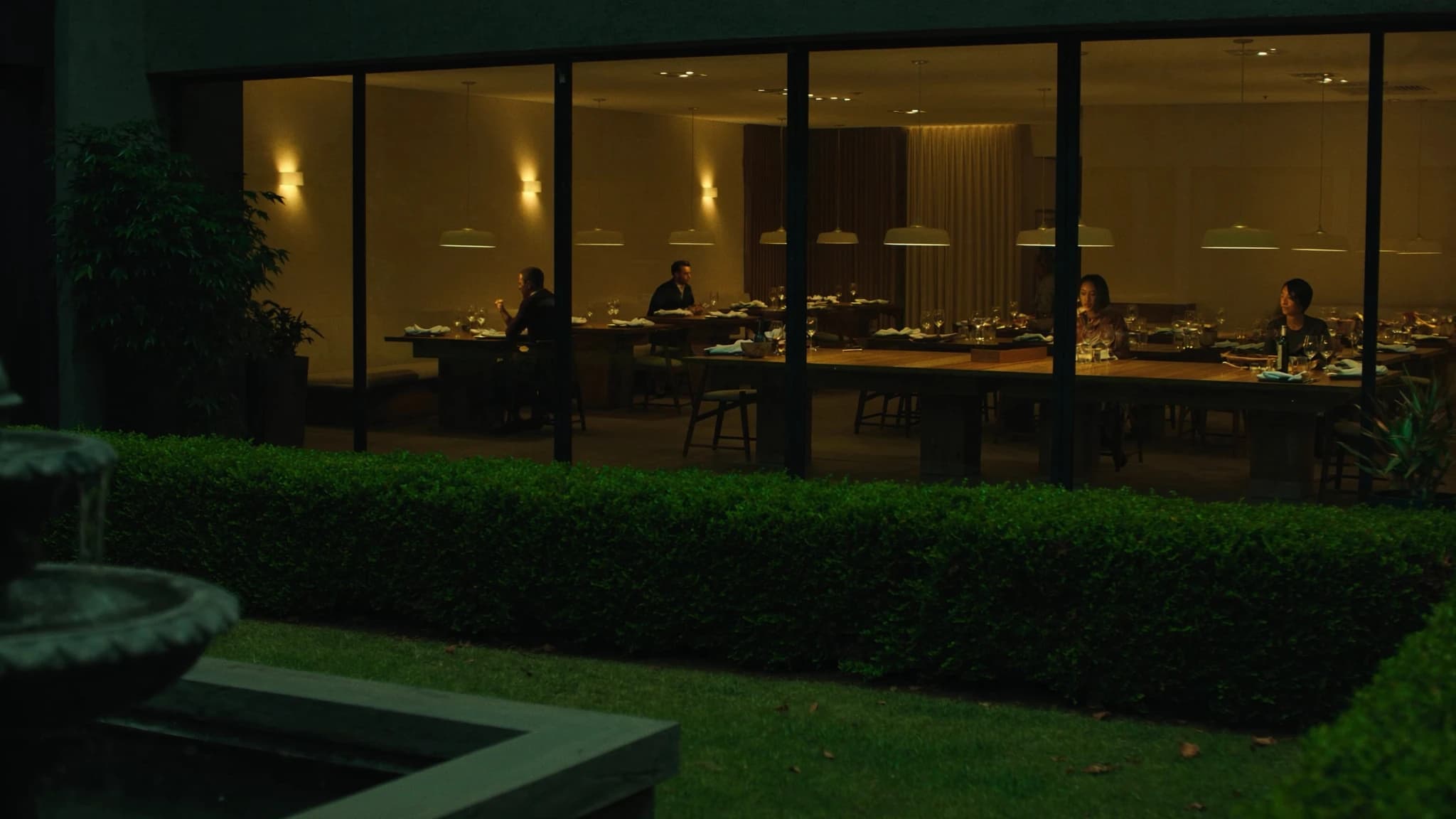
Die perfekte Audioatmosphäre in Restaurants, Bars und gastronomischen Einrichtungen zu schaffen, erfordert mehr als nur Lautsprecher. Es braucht ein System, das für Hintergrundambiente, Vordergrundmusik und klare Durchsagen ausgelegt ist und sich gleichzeitig diskret in das Dekor einfügt. SSOUNDS bringt professionelle Technik in das Gastgewerbe und bietet Decken- und kompakte Oberflächenlautsprecher, die eine gleichmäßige Beschallung auf niedrigem Niveau, flexible Zonierung und effiziente 100V-Verteilung für Multi-Zonen-Installationen liefern. Dieser Leitfaden untersucht die wichtigsten Überlegungen und Best Practices für die Spezifikation eines Systems, das das Gasterlebnis verbessert, ohne die Ästhetik oder Verständlichkeit zu beeinträchtigen.
Wichtigste Punkte
- Gastronomie-Audio erfordert eine gleichmäßige Beschallung auf niedrigem Niveau (70–85 dB SPL) mit minimaler Variation, am besten erreicht mit verteilten Decken- oder kompakten Oberflächenlautsprechern.
- Die 100V-Leitungsverteilung ist der Industriestandard für Multi-Zonen-Installationen und ermöglicht lange Kabelwege und einfache Tap-Einstellungen pro Lautsprecher.
- Die Zonierung ermöglicht unterschiedliche Inhalte und Lautstärkepegel in Speise-, Bar-, Terrassen- und Durchsagezonen, mit Prioritätsübersteuerung für Ansagen.
- Diskrete Ästhetik ist entscheidend: Wählen Sie lackierbare Gitter, flache Designs und kundenspezifische Farben, um sich in das Dekor einzufügen.
- Vorhersagemodellierung und ordnungsgemäßer Lautsprecherabstand (basierend auf Deckenhöhe und Dispersion) gewährleisten eine konsistente Beschallung ohne Hotspots oder tote Zonen.
- SSOUNDS bietet eine komplette Palette von 100V-Decken- und Oberflächenlautsprechern mit DSP-Verstärkern für schlüsselfertige Gastronomielösungen.
Die akustischen Anforderungen gastronomischer Räume verstehen
Restaurants, Bars und Hotels stellen einzigartige akustische Herausforderungen dar: Sie müssen Hintergrundmusik unterstützen, die eine Stimmung schafft, Vordergrundmusik für energiegeladene Bereiche und klare Durchsagen, ohne das Gespräch zu überwältigen oder tote Zonen zu erzeugen. Anders als Konzertveranstaltungsorte erfordern gastronomische Räume eine gleichmäßige Beschallung auf niedrigem Niveau, die heiße und kalte Zonen vermeidet, insbesondere in Bereichen mit unregelmäßigen Formen, hohen Decken oder gemischten Materialien wie Glas und Holz.
SSOUNDS-Ingenieure nähern sich diesen Räumen an, indem sie die Nachhallzeit des Raums, den Grundgeräuschpegel und die beabsichtigten Nutzungsmuster analysieren. Zum Beispiel benötigt ein Fine-Dining-Restaurant einen anderen Schalldruckpegel (SPL) und eine andere Frequenzbalance als eine Sportsbar. Das Ziel ist es, eine konsistente Verständlichkeit für Sprache und eine natürliche Wiedergabe für Musik zu erreichen, typischerweise bei 70–85 dB SPL, wobei verteilte Lautsprecherarrays anstelle einiger weniger Hochleistungseinheiten verwendet werden.
Decken- vs. kompakte Oberflächenlautsprecher: Die richtige Bauform wählen
Deckenlautsprecher sind die erste Wahl für das Gastgewerbe, da sie in der Architektur verschwinden und eine unauffällige Beschallung von oben bieten. SSOUNDS-Deckenmodelle zeichnen sich durch breite Dispersion (typischerweise 120° konisch) aus, um die Anzahl der benötigten Einheiten zu minimieren, und sind in 100V-Versionen für einfaches Daisy-Chaining über Zonen hinweg erhältlich. Sie eignen sich hervorragend für abgehängte Decken, können aber auch mit flachen Gehäusen an der Oberfläche montiert werden.
Kompakte Oberflächenlautsprecher hingegen sind ideal, wenn eine Deckenmontage nicht praktikabel ist, beispielsweise in Räumen mit sichtbaren Balken, hohen Atrien oder historischen Decken. SSOUNDS kompakte Oberflächenlautsprecher bieten ähnliche Dispersion und Belastbarkeit, können aber passend zu Wänden oder Decken lackiert werden. Sie werden oft in Bars und Lounges eingesetzt, wo ein sichtbarer Lautsprecher Teil der Designästhetik sein kann, oder auf Außenterrassen, wo Witterungsbeständigkeit erforderlich ist.
100V-Verteilung: Das Rückgrat von Multi-Zonen-Gastronomiesystemen
Die 100V-Leitungsverteilung (auch Konstantspannung genannt) ist der Standard für kommerzielle Gastronomieinstallationen, da sie lange Kabelwege mit minimalem Verlust und einfache Parallelverdrahtung mehrerer Lautsprecher ermöglicht. SSOUNDS bietet eine Reihe von 100V-Transformatoren, die in seine Decken- und Oberflächenlautsprecher integriert sind, sodass Installateure Leistungsstufen (z. B. 1,5 W, 3 W, 6 W, 12 W) pro Lautsprecher abgreifen können, um Beschallung und SPL auszugleichen.
Dieser Ansatz vereinfacht die Zonierung: Jede Zone (z. B. Speisesaal, Bar, Terrasse) kann ihren eigenen Verstärkerkanal haben oder von einem einzigen Verstärker mit separaten Lautstärkereglern angesteuert werden. SSOUNDS empfiehlt die Verwendung eines dedizierten 100V-Verstärkers mit DSP für jede Zone, um EQ und Delay anzupassen und nahtlose Übergänge zwischen Bereichen zu gewährleisten. Für Durchsagen kann ein Prioritätseingang die Musik in ausgewählten Zonen übersteuern, wodurch Ansagen klar sind, ohne die allgemeine Atmosphäre zu stören.
Zonierungsstrategien für flexible Audiosteuerung
Eine effektive Zonierung ermöglicht es einem gastronomischen Betrieb, in verschiedenen Bereichen unterschiedliche Inhalte abzuspielen, zum Beispiel schwungvolle Musik in der Bar, sanften Jazz im Speisesaal und eine separate Durchsagezone für die Küche. SSOUNDS-Systeme unterstützen die Zonierung durch Mehrkanalverstärker oder netzwerkgesteuerte DSP-Einheiten, die über ein einfaches Wandpanel oder eine mobile App programmiert werden können.
Die beste Vorgehensweise besteht darin, Lautsprecher nach akustischer Ähnlichkeit zu gruppieren (z. B. alle Deckenlautsprecher in einer Zone) und eine separate Subwoofer-Zone zu verwenden, wenn eine Tieffrequenzerweiterung für Vordergrundmusik erforderlich ist. SSOUNDS empfiehlt außerdem ein dediziertes Durchsagemikrofon mit einer Prioritätsübersteuerung, die die Musiklautstärke automatisch um einen benutzerdefinierten Betrag (z. B. 10–20 dB) absenkt, um sicherzustellen, dass Ansagen gehört werden, ohne aufdringlich zu sein.
Gleichmäßige Beschallung auf niedrigem Niveau durch verteiltes Design erreichen
Der Schlüssel zu komfortablem Gastronomie-Audio ist eine gleichmäßige Beschallung bei niedrigen Hörpegeln, typischerweise 75–85 dB SPL mit minimaler Variation im Raum. SSOUNDS-Ingenieure verwenden Vorhersagemodellierungssoftware, um den Lautsprecherabstand basierend auf Deckenhöhe, Dispersionswinkel und gewünschtem SPL zu berechnen. Für eine Standarddecke von 8 Fuß werden Deckenlautsprecher typischerweise in einem Abstand von 10–15 Fuß platziert, um eine Gleichmäßigkeit von ±3 dB aufrechtzuerhalten.
In Bereichen mit hohem Umgebungsgeräuschpegel (z. B. in der Nähe einer belebten Bar oder Küche) können zusätzliche Lautsprecher mit höheren Tap-Einstellungen erforderlich sein. SSOUNDS empfiehlt außerdem die Verwendung mehrerer kleinerer Lautsprecher anstelle von weniger größeren, um Hotspots zu vermeiden. Für Vordergrundmusikzonen kann das Hinzufügen eines kompakten Subwoofers (z. B. eines 10-Zoll- oder 12-Zoll-Modells) tiefe Frequenzen auffüllen, ohne die Gesamtlautstärke zu erhöhen, und so ein immersiveres Erlebnis schaffen.
Diskrete Ästhetik: Lautsprecher in das Dekor integrieren
Gastronomisches Design verlangt, dass Technologie so wenig wie möglich sichtbar ist. SSOUNDS-Deckenlautsprecher verfügen über lackierbare Gitter und flache Blenden, die an Deckenplatten angepasst werden können. Oberflächenlautsprecher sind in Weiß oder Schwarz erhältlich und können individuell lackiert werden, um mit Wänden oder architektonischen Merkmalen zu verschmelzen. Für High-End-Einrichtungen bietet SSOUNDS auf Anfrage kundenspezifische RAL-Farbanpassung.
Über die Farbe hinaus ist die Platzierung der Lautsprecher zu berücksichtigen: Vermeiden Sie die Montage direkt über Sitzbereichen, um einen 'lokalisierten' Klang zu verhindern; streben Sie stattdessen eine gleichmäßige Verteilung über das Deckenraster an. In offenen Räumen verwenden Sie Pendelleuchten-Lautsprecher, die von der Decke hängen; diese können als dekorative Elemente gestaltet werden. SSOUNDS bietet auch In-Wall-Subwoofer, die hinter Möbeln oder in Soffitten versteckt werden können, wodurch die klaren Linien des Interieurs erhalten bleiben.
Installations-Best-Practices für zuverlässige Leistung
Eine ordnungsgemäße Installation ist entscheidend für langfristige Zuverlässigkeit und Klangqualität. SSOUNDS empfiehlt die Verwendung von plenum-rated Verkabelung für Deckenverläufe und stellt sicher, dass alle 100V-Verbindungen ordnungsgemäß abgeschlossen sind, ohne lose Litzen. Jeder Lautsprecher sollte parallel verdrahtet werden, wobei die Gesamtimpedanz nicht unter die Mindestnennung des Verstärkers fallen darf (typischerweise 4 Ohm für 100V-Systeme).
Testen Sie die Beschallung nach der Installation immer mit einem Schallpegelmesser und rosa Rauschen und passen Sie die Tap-Einstellungen nach Bedarf an. SSOUNDS bietet detaillierte Installationshandbücher und technischen Support für Integratoren. Bei Durchsagesystemen stellen Sie sicher, dass der Prioritätsschaltkreis des Mikrofons korrekt mit dem Mute-Eingang des Verstärkers verbunden ist. Dokumentieren Sie abschließend alle Zonenkonfigurationen und Tap-Einstellungen für die zukünftige Wartung.
Häufige Fragen
Was ist der Unterschied zwischen Hintergrund- und Vordergrundmusik im Gastgewerbe?
Hintergrundmusik wird bei niedriger Lautstärke abgespielt (typischerweise 70–75 dB), um eine Atmosphäre zu schaffen, ohne das Gespräch zu dominieren, oft mit einem breiten Frequenzbereich. Vordergrundmusik ist lauter (80–85 dB) und dynamischer, gedacht für energiegeladene Bereiche wie Bars oder Tanzflächen. SSOUNDS-Systeme können beides mit entsprechenden Tap-Einstellungen und EQ bewältigen.
Wie viele Deckenlautsprecher benötige ich für ein 1.000 Quadratfuß großes Restaurant?
Für eine 8-Fuß-Decke mit 120°-Dispersion-Lautsprechern benötigen Sie typischerweise 6–8 Lautsprecher mit einem Abstand von 10–12 Fuß, um eine Gleichmäßigkeit von ±3 dB zu erreichen. SSOUNDS empfiehlt die Verwendung von Vorhersagemodellierungssoftware für eine präzise Platzierung basierend auf Raumform und Hindernissen.
Kann ich denselben Verstärker sowohl für Decken- als auch für Oberflächenlautsprecher verwenden?
Ja, solange alle Lautsprecher 100V-kompatibel sind und die Gesamtwattzahl die Nennleistung des Verstärkers nicht überschreitet. SSOUNDS-Verstärker verfügen über mehrere Kanäle, die verschiedene Zonen ansteuern können, jede mit eigenem EQ und Lautstärkeregler.
Was ist die beste Methode, um Durchsagen mit Musik zu integrieren?
Verwenden Sie ein Durchsagemikrofon mit einem Prioritätseingang, der die Musiklautstärke automatisch um einen festgelegten Betrag (z. B. 15 dB) absenkt (duckt), wenn das Mikrofon aktiv ist. SSOUNDS-DSP-Verstärker unterstützen diese Funktion, und Sie können die Priorität nur bestimmten Zonen zuweisen.
Sind SSOUNDS-Lautsprecher für Außenterrassen geeignet?
Ja, SSOUNDS bietet witterungsbeständige Oberflächenlautsprecher mit IP54-Schutzart für überdachte Terrassen. Für vollständig exponierte Bereiche verwenden Sie spezielle Außenmodelle mit UV-beständigen Gehäusen und Edelstahlbeschlägen.
System aufbauen oder aufrüsten?
SSOUNDS entwickelt und fertigt professionelle PA weltweit, vom einzelnen Raum bis zur Stadiongröße.