Das Club-Standard-DJ-Booth-Setup erklärt
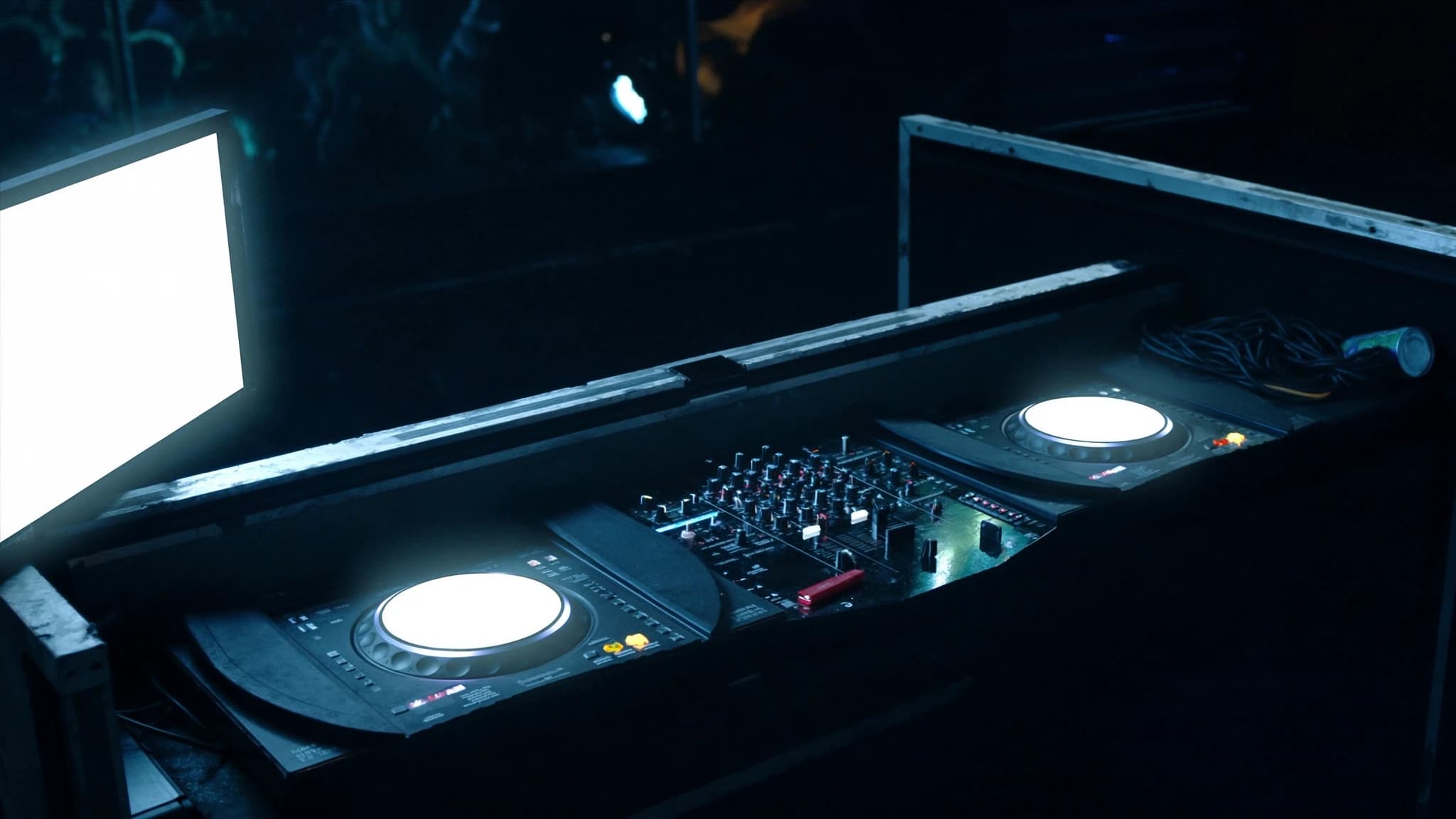
Eine Club-DJ-Booth ist mehr als ein Tisch mit Turntables. Sie ist eine kritische Hörumgebung, ein Konnektivitäts-Hub und die Schnittstelle zwischen dem DJ und der Haupt-PA. Dieser Leitfaden erklärt das branchenübliche Setup 2026, von Pioneer DJ CDJ-3000s und DJM-Mixern bis hin zu Booth-Monitoren, Trennung und der Integration der Booth in ein professionelles Soundsystem.
Wichtigste Punkte
- Der Club-Standard 2026 sind Pioneer DJ CDJ-3000 Player mit einem Mixer der DJM-Serie, was Vertrautheit und Zuverlässigkeit für tourende DJs bietet.
- Booth-Monitore sind für präzises DJ-Monitoring unerlässlich; sie sollten auf Ohrhöhe positioniert und von der Booth-Oberfläche entkoppelt sein.
- Trennung und akustische Behandlung verhindern Haupt-PA-Bleed und stellen sicher, dass der DJ einen sauberen, detaillierten Mix hört.
- Der Signalfluss muss Booth- und Hauptausgänge trennen, mit ordnungsgemäßer Verzögerung und EQ-Abstimmung für ein kohärentes Erlebnis.
- SSOUNDS-Ingenieure entwerfen Booth-Monitoring-Lösungen, die sich nahtlos in unsere Line Arrays, Subwoofer und DSP integrieren, unterstützt durch globalen Support von unseren Standorten in Großbritannien, den USA, Nigeria, Ghana und Westafrika.
Der Kernstandard aus Player und Mixer
Im Jahr 2026 bleibt der Club-Standard der Pioneer DJ CDJ-3000 in Kombination mit einem Mixer der DJM-Serie, typischerweise dem DJM-900NXS2 oder DJM-A9. Diese Geräte sind allgegenwärtig, weil sie Zuverlässigkeit, ein vertrautes Layout und nahtlose Integration mit rekordbox und Serato bieten. Für jeden Veranstaltungsort, der tourende DJs beherbergt, reduziert die Bereitstellung genau dieser Konfiguration die Einrichtungszeit und beseitigt Rider-Reibungen.
Der CDJ-3000 bringt einen größeren Touchscreen, eine verbesserte Jog-Wheel-Auflösung und eine erhöhte Verarbeitungsleistung für die Track-Analyse mit. Der DJM-Mixer bietet das zentrale Routing, EQ und Effekte, die DJs erwarten. Zusammen bilden sie die Steueroberfläche, die sowohl die Booth-Monitore als auch die Haupt-PA speist.
Aus systemdesignerischer Sicht muss die Booth diesen Standard aufnehmen und gleichzeitig Flexibilität ermöglichen. Einige Veranstaltungsorte fügen einen dritten oder vierten Player hinzu oder einen Turntable für Vinyl-Sets. Der Schlüssel liegt darin, sicherzustellen, dass alle Quellen sauber mit dem Mixer verbunden sind und dass der Mixer-Ausgang unabhängig auf die Booth und das Hauptsystem geroutet werden kann.
Booth-Monitoring: Die Referenz des DJs
Booth-Monitore sind nicht optional. Sie geben dem DJ eine klare, isolierte Referenz des Mixes, ohne sich auf die Haupt-PA verlassen zu müssen, die verzögert, nachhallend oder einfach zu laut sein kann. Das Ziel ist präziser, vollbereichiger Klang bei kontrolliertem Pegel, damit der DJ beatmatchen, EQ und Cue-Tracks ohne Raten durchführen kann.
Ein typischer Booth-Monitor ist ein aktiver Lautsprecher mit einem 12-Zoll- oder 15-Zoll-Woofer und einem hornbeladenen Hochton-Treiber. Er sollte auf Ohrhöhe positioniert, zum DJ hin ausgerichtet und von der Booth-Oberfläche entkoppelt sein, um Vibrationen zu verhindern. Viele Clubs verwenden zwei Monitore, einen auf jeder Seite, für Stereoabbildung.
SSOUNDS-Ingenieure betrachten Booth-Monitoring als kritisches Subsystem. Unsere Punktquellen-Lautsprecher sind für präzise Abdeckung und niedrige Verzerrung ausgelegt, was sie ideal für Nahfeld-Monitoring macht. Wir berücksichtigen auch die akustische Behandlung des Booth-Bereichs, denn Reflexionen von einer Glas-Booth oder harten Wänden können das Stereobild verschmieren und Ermüdung verursachen.
Trennung und akustische Kontrolle
Trennung dient zwei Zwecken: den DJ vor übermäßigen Haupt-PA-Pegeln zu schützen und zu verhindern, dass Booth-Schall in das Hauptsystem oder benachbarte Bereiche blutet. In der Praxis bedeutet dies physische Trennung, wie das Platzieren der Booth auf einer entkoppelten Plattform, und akustische Trennung, wie die Verwendung gerichteter Monitore und absorbierender Behandlung.
Die Haupt-PA wird oft auf die Booth-Position verzögert, aber selbst mit Verzögerung kann der reine Schalldruck den DJ überwältigen. Booth-Monitore müssen laut genug sein, um zu konkurrieren, aber sauber genug, um Details zu bewahren. Hier kommen hochwertige Verstärkung und DSP ins Spiel: Sie ermöglichen präzise Pegelkontrolle und EQ-Formung ohne Verzerrung.
SSOUNDS setzt KI-gestützte akustische Modellierung ein, um vorherzusagen, wie Booth-Monitore mit dem Raum interagieren. Wir simulieren Abdeckung und Verständlichkeit vor der Installation und stellen sicher, dass der DJ einen konsistenten Mix hört, unabhängig davon, wo er steht. Dies ist Teil unseres breiteren Ansatzes zum Systemdesign, bei dem jedes Element vor dem Versand optimiert wird.
Konnektivität und Signalfluss
Eine professionelle Booth benötigt einen klaren Signalfluss. Der DJ-Mixer gibt ein Master-Signal (oft über XLR) an das Haupt-PA-System aus und einen separaten Booth-Ausgang (oft über TRS oder XLR) an die Booth-Monitore. Einige Setups verwenden einen Matrix-Ausgang oder Aux-Send für zusätzliche Flexibilität.
Die Konnektivität sollte mehrere Eingänge für Gast-DJs umfassen: RCA, XLR und 1/4-Zoll, plus USB für rekordbox und Serato. Stromanschlüsse müssen reichlich vorhanden und so positioniert sein, dass Kabelzug vermieden wird. Ein Patchpanel oder beschrifteter Snake kann Verbindungen vereinfachen und Einrichtungsfehler reduzieren.
SSOUNDS entwirft seine Verstärker und DSP mit umfassenden Ein- und Ausgangsoptionen, was die Integration mit jedem Club-Standard unkompliziert macht. Unsere Systeme unterstützen analoge und digitale Verbindungen, und unsere DSP-Presets sind für gängige Booth-Monitor- und Haupt-PA-Konfigurationen abgestimmt.
Wie die Booth mit der Haupt-PA interagiert
Die Booth und die Haupt-PA sind zwei separate, aber voneinander abhängige Systeme. Die Haupt-PA liefert das Dancefloor-Erlebnis: hoher Schalldruck, tiefer Bass und gleichmäßige Abdeckung. Die Booth liefert dem DJ einen Referenzmix. Wenn sie nicht richtig abgestimmt sind, kann der DJ überkompensieren, das Hauptsystem in die Verzerrung treiben oder den Überblick über den Tiefton verlieren.
Die Abstimmung umfasst Verzögerung, EQ und Pegelanpassung. Die Haupt-PA sollte verzögert werden, damit ihr Schall an der Booth synchron mit den Booth-Monitoren ankommt. EQ sollte auf die Booth-Monitore angewendet werden, um ihre Nähe und die Raumakustik auszugleichen. Die Pegelanpassung stellt sicher, dass der DJ die Booth hören kann, ohne gegen das Hauptsystem anzukämpfen.
SSOUNDS Line-Array-Systeme und Subwoofer sind mit dieser Integration im Hinterkopf entwickelt. Unser DSP enthält Presets für Booth-Monitoring und Haupt-PA-Verzögerung, und unsere Ingenieure arbeiten mit Veranstaltungsorten zusammen, um den gesamten Signalweg zu optimieren. Das Ergebnis ist ein kohärentes Erlebnis, bei dem der DJ und das Publikum denselben Mix hören, nur auf unterschiedlichen Pegeln.
Die richtigen Booth-Monitore auswählen
Nicht alle Booth-Monitore sind gleich. Die besten Optionen bieten hohen Ausgangspegel, niedrige Verzerrung und ein kontrolliertes Abstrahlmuster. Ein 12-Zoll-Zweiwege-Design ist oft für kleine Booths ausreichend, während größere Clubs von einem 15-Zoll- oder einem koaxialen Design für bessere Phasenausrichtung profitieren können.
Berücksichtigen Sie die Belastbarkeit und Empfindlichkeit des Monitors. Höhere Empfindlichkeit bedeutet mehr Ausgangspegel bei weniger Leistung, was die Verstärkerbelastung reduzieren kann. Achten Sie auch auf robuste Konstruktion und Montageoptionen, da Booth-Monitore oft bewegt oder angepasst werden.
SSOUNDS Punktquellen-Lautsprecher sind für genau diese Anwendung entwickelt. Sie liefern die Klarheit und Zuverlässigkeit, die professionelle DJs verlangen, und integrieren sich nahtlos mit unseren Verstärkern und DSP. Für Veranstaltungsorte, die eine komplette Lösung benötigen, bieten wir Booth-Pakete an, die Monitore, Verstärkung und Processing umfassen.
Installation und Inbetriebnahme
Eine ordnungsgemäße Installation entscheidet über Erfolg oder Misserfolg eines Booth-Setups. Monitore sollten sicher montiert, Kabel sicher verlegt und Strom konditioniert sein, um Rauschen zu verhindern. Die Inbetriebnahme umfasst die Messung des Frequenzgangs der Booth und die Einstellung von Verzögerungen und EQs für optimale Leistung.
SSOUNDS bietet Inbetriebnahme-Support für unsere Systeme, entweder remote oder vor Ort durch unsere Teams in Großbritannien, den USA, Nigeria, Ghana und Westafrika. Wir verwenden fortschrittliche Simulations- und Messwerkzeuge, um sicherzustellen, dass die Booth die Anforderungen des DJs und die akustischen Ziele des Veranstaltungsorts erfüllt.
Eine gut in Betrieb genommene Booth reduziert DJ-Ermüdung, verbessert die Mixqualität und verlängert die Lebensdauer der Ausrüstung. Sie ist eine Investition in die Reputation des Veranstaltungsorts als professionelles Musikziel.
Häufige Fragen
Was ist das Standard-DJ-Booth-Setup im Jahr 2026?
Der Standard sind zwei oder mehr Pioneer DJ CDJ-3000 Player und ein Mixer der DJM-Serie (wie der DJM-900NXS2 oder DJM-A9), plus dedizierte Booth-Monitore, ordnungsgemäße Verkabelung und Trennung von der Haupt-PA.
Warum sind Booth-Monitore notwendig, wenn es eine Haupt-PA gibt?
Booth-Monitore liefern eine klare Nahfeld-Referenz, die nicht durch die Verzögerung, den Nachhall oder den hohen Schalldruck der Haupt-PA beeinflusst wird. Sie ermöglichen dem DJ, präzise zu beatmatchen und zu mixen, ohne zu raten.
Wie verbinde ich den DJ-Mixer sowohl mit den Booth-Monitoren als auch mit der Haupt-PA?
Verwenden Sie den Master-Ausgang des Mixers (oft XLR) für die Haupt-PA und einen separaten Booth-Ausgang (TRS oder XLR) für die Booth-Monitore. Stellen Sie sicher, dass die Haupt-PA verzögert wird, um sie an der Position des DJs mit den Booth-Monitoren abzustimmen.
Kann SSOUNDS Booth-Monitore und Haupt-PA als komplettes System bereitstellen?
Ja. SSOUNDS bietet Punktquellen-Lautsprecher für das Booth-Monitoring, Line Arrays und Subwoofer für die Haupt-PA sowie Verstärker und DSP für eine nahtlose Integration. Wir unterstützen Veranstaltungsorte weltweit von unseren Standorten in Großbritannien, den USA, Nigeria, Ghana und Westafrika aus.
Was sollte ich bei der Auswahl von Booth-Monitoren beachten?
Achten Sie auf hohen Ausgangspegel, niedrige Verzerrung, kontrollierte Abstrahlung und robuste Konstruktion. Ein 12-Zoll- oder 15-Zoll-Zweiwege-Design ist üblich, und koaxiale Designs können eine bessere Phasenausrichtung bieten. SSOUNDS Punktquellen-Lautsprecher sind für diese Anwendung entwickelt.
System aufbauen oder aufrüsten?
SSOUNDS entwickelt und fertigt professionelle PA weltweit, vom einzelnen Raum bis zur Stadiongröße.