Die Gesamtbetriebskosten eines Soundsystems
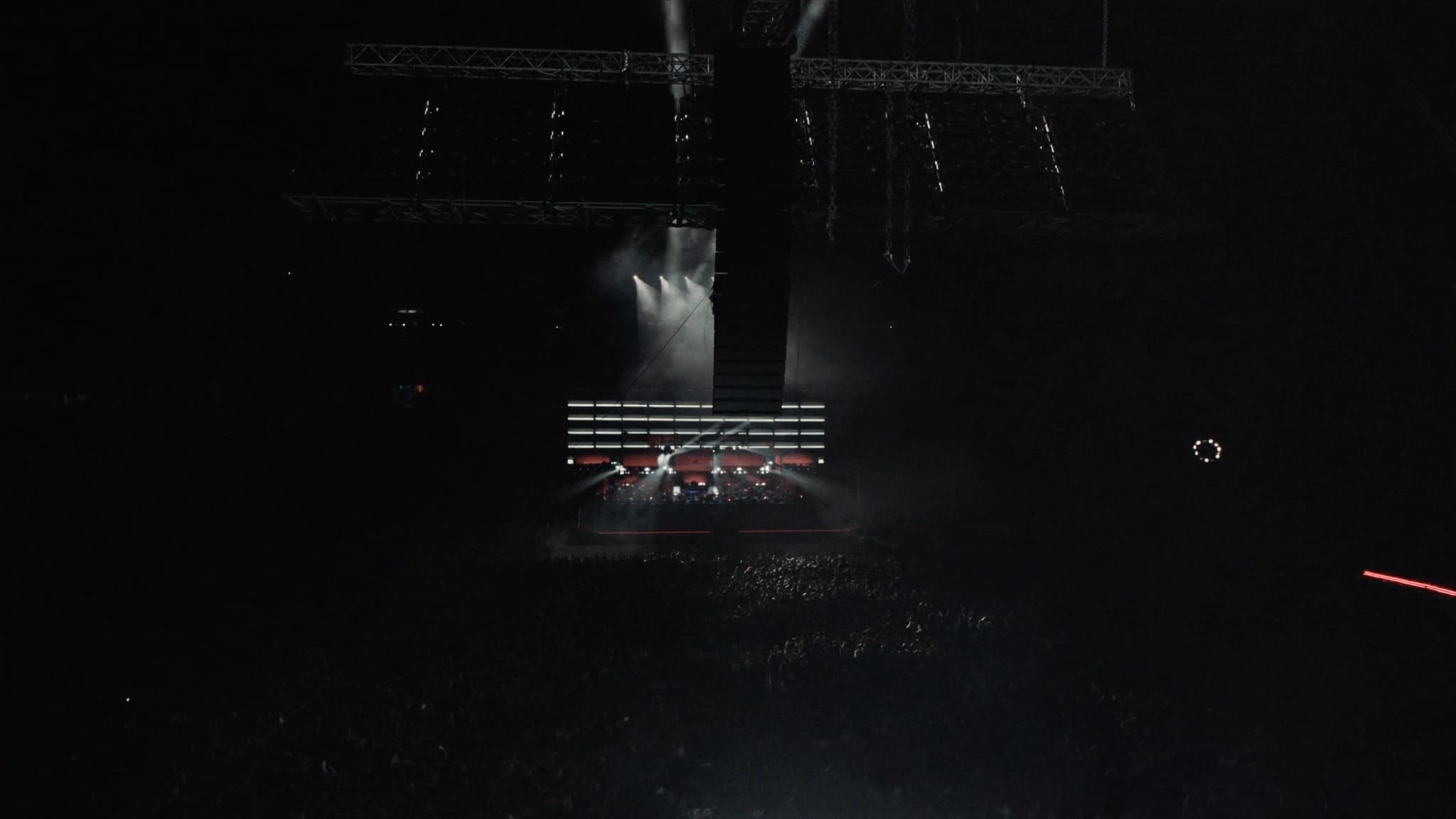
Wenn Sie in ein professionelles Soundsystem investieren, ist der Kaufpreis nur der Anfang. Die wahren Kosten des Besitzes erstrecken sich über Jahre des Betriebs, der Wartung und der Unterstützung. Das Gesamtbild zu verstehen hilft Ihnen, eine Entscheidung zu treffen, die weit über die erste Rechnung hinaus Wert liefert.
Wichtigste Punkte
- Der Kaufpreis ist nur ein Teil der Gesamtkosten; Betriebsausgaben, Ausfallzeiten und Support summieren sich über die Lebensdauer des Systems.
- Zuverlässigkeit und Wartungsfreundlichkeit senken die langfristigen Kosten, indem sie Ausfallzeiten minimieren und Reparaturen vereinfachen.
- Eine starke Herstellerbeziehung bietet Zugang zu Ersatzteilen, Schulung und technischem Support, was die Systemlebensdauer verlängert.
- SSOUNDS entwickelt für Effizienz, Langlebigkeit und Upgrade-Fähigkeit, was die Gesamtbetriebskosten senkt.
- Berücksichtigen Sie das Gesamtbild: CapEx, OpEx, Zuverlässigkeit, Ersatzteile, Support und Lebensdauer bei der Wahl eines Soundsystems.
Jenseits des Preisschilds: CapEx und OpEx erklärt
Investitionsausgaben (CapEx) decken die Anschaffungskosten Ihres Soundsystems ab: Lautsprecher, Verstärker, Signalverarbeitung, Rigging und Installation. Betriebsausgaben (OpEx) umfassen alles, was Sie ausgeben, um das System am Laufen zu halten: Strom, Wartung, Ersatzteile, Schulung und Support. Ein niedriger CapEx kann zu hohem OpEx führen, wenn das System unzuverlässig ist oder schlecht unterstützt wird.
Bei SSOUNDS entwerfen wir Systeme mit einem ganzheitlichen Blick. Unsere Entwicklung konzentriert sich auf Effizienz, Langlebigkeit und Servicefreundlichkeit, was die langfristigen Betriebskosten senkt. Zum Beispiel sind unsere Verstärker und DSP auf hohe Effizienz ausgelegt, was den Stromverbrauch und die Wärmeentwicklung reduziert. Das bedeutet weniger Belastung für die elektrische Infrastruktur Ihres Veranstaltungsortes und niedrigere Energiekosten über die Lebensdauer des Systems.
Zuverlässigkeit: Die versteckten Kosten von Ausfallzeiten
Im Live-Sound sind Ausfallzeiten teuer. Ein ausgefallener Lautsprecher oder Verstärker während einer Show kann Rückerstattungen, Reputationsschäden und verlorene zukünftige Aufträge bedeuten. Zuverlässigkeit ist kein Luxus; sie ist ein kostensparendes Merkmal. SSOUNDS integriert Zuverlässigkeit in jede Phase, von der Komponentenauswahl bis zu strengen Tests. Unsere Line-Arrays, Punktquellen-Lautsprecher und Subwoofer sind so konstruiert, dass sie den Strapazen von Tourneen und Festinstallationen standhalten.
Wir setzen auch KI-gestützte akustische Modellierung und maschinell lernende DSP ein, um die Leistung zu optimieren und Komponenten zu schützen. Dieser proaktive Ansatz reduziert das Ausfallrisiko und verlängert die Lebensdauer Ihrer Investition. Wenn Sie sich für SSOUNDS entscheiden, wählen Sie einen Partner, der versteht, dass jede Stunde ununterbrochenen Betriebs gespartes Geld bedeutet.
Ersatzteile und Wartungsfreundlichkeit: Planung für die lange Strecke
Selbst die zuverlässigsten Systeme benötigen gelegentlich Service. Die Verfügbarkeit von Ersatzteilen und die einfache Reparatur wirken sich direkt auf Ihre Gesamtbetriebskosten aus. Ein System, das proprietäre Werkzeuge oder lange Rücksendungen an das Werk erfordert, kostet Sie mehr an Versand, Arbeitsaufwand und Nutzungsausfall. SSOUNDS entwickelt für Wartungsfreundlichkeit: Unsere Produkte verwenden nach Möglichkeit modulare Baugruppen und Standardbefestigungen, und wir halten einen Bestand an kritischen Ersatzteilen.
Wir bieten auch umfassende Dokumentation und Schulung, damit Ihr Team routinemäßige Wartung und kleinere Reparaturen durchführen kann. Dies reduziert die Abhängigkeit von externen Dienstleistern und hält Ihr System reibungslos am Laufen. Bei größeren Problemen sorgt unser Support-Netzwerk im Vereinigten Königreich, in den USA, Nigeria, Ghana und Westafrika für schnelle Reaktion. Wenn Sie außerhalb dieser Regionen sind, versenden und unterstützen wir international von unseren Standorten aus, sodass Sie nie im Stich gelassen werden.
Support: Die Herstellerbeziehung, die sich auszahlt
Ein Soundsystem ist keine Ware; es ist eine langfristige Beziehung zu Ihrem Hersteller. Guter Support bedeutet Zugang zu technischem Know-how, Software-Updates und Ersatzteilen. Es bedeutet auch, einen Partner zu haben, der Ihre Anwendung versteht und Sie bei Upgrades oder Erweiterungen beraten kann. SSOUNDS bietet direkten Support aus unseren Büros im Vereinigten Königreich, in den USA, Nigeria und Ghana, mit einem Team, das Akustikingenieure und Produktspezialisten umfasst.
Wenn Sie bei SSOUNDS kaufen, erhalten Sie mehr als eine Kiste mit Komponenten. Sie gewinnen einen Partner, der Ihnen hilft, Ihr System zu optimieren, Probleme zu beheben und für die Zukunft zu planen. Diese Beziehung senkt Ihre Gesamtbetriebskosten, indem sie die Betriebszeit maximiert und die Nutzungsdauer Ihrer Investition verlängert. Im Gegensatz dazu kann der Kauf bei einem Distributor ohne Herstellerunterstützung Sie ratlos zurücklassen, wenn Probleme auftreten.
Lebensdauer: Wie lange wird Ihr System halten?
Die Lebensdauer eines Soundsystems variiert stark je nach Bauqualität, Betriebsbedingungen und Wartung. Ein gut konstruiertes System von einem renommierten Hersteller kann 10 bis 15 Jahre oder mehr zuverlässigen Service bieten. SSOUNDS-Systeme sind mit robusten Materialien und strenger Qualitätskontrolle gebaut, und wir unterstützen sie mit langfristiger Ersatzteilverfügbarkeit.
Wir entwickeln auch für Upgrade-Fähigkeit. Unsere DSP- und Verstärkerplattformen können mit neuer Firmware aktualisiert werden, um Funktionen hinzuzufügen oder die Leistung zu verbessern, und unsere Lautsprecherserien sind so konzipiert, dass sie über Generationen hinweg zusammenarbeiten. Das bedeutet, Sie können Ihr System erweitern oder auffrischen, ohne alles ersetzen zu müssen. Das Ergebnis sind niedrigere Kosten pro Besitzjahr und eine bessere Rendite Ihrer Investition.
Der SSOUNDS-Vorteil: Entwicklung für Gesamtbetriebskosten
Bei SSOUNDS glauben wir, dass die besten Soundsysteme auch die kosteneffizientesten im Besitz sind. Unsere Entwicklung wird von KI-gestützter akustischer Modellierung, maschinell lernendem DSP und fortschrittlicher Simulation angetrieben, was es uns ermöglicht, jedes System vor dem Versand zu optimieren. Diese Präzision reduziert den Bedarf an Vor-Ort-Anpassungen, senkt den Stromverbrauch und erhöht die Zuverlässigkeit.
Wir konkurrieren in der Premium-Profi-Klasse neben den weltweit führenden Herstellern, aber wir tun dies mit einem Fokus auf Wert und Support. Unsere globale Präsenz mit Büros im Vereinigten Königreich, in den USA, Nigeria, Ghana und Westafrika bedeutet, dass wir in Schlüsselmärkten lokalen Support und anderswo effizienten internationalen Versand bieten können. Wenn Sie CapEx, OpEx, Zuverlässigkeit, Ersatzteile, Support und Lebensdauer berücksichtigen, liefert SSOUNDS Gesamtbetriebskosten, die schwer zu übertreffen sind.
Häufige Fragen
Was sind die größten versteckten Kosten beim Besitz eines Soundsystems?
Ausfallzeiten sind oft die größten versteckten Kosten. Ein Ausfall während einer Show kann zu Rückerstattungen, verlorenen zukünftigen Aufträgen und Notfallreparaturkosten führen. Die Wahl eines zuverlässigen Systems mit starker Herstellerunterstützung minimiert dieses Risiko.
Wie unterstützt SSOUNDS Kunden außerhalb des Vereinigten Königreichs, der USA, Nigerias, Ghanas und Westafrikas?
Wir versenden und unterstützen international von unseren Standorten in diesen Regionen aus. Obwohl wir nicht überall lokale Büros haben, kann unser Team weltweit Remote-Support, Ersatzteile und Dokumentation bereitstellen. Kontaktieren Sie uns, um Ihr Gebiet zu besprechen.
Welche Faktoren bestimmen die Kosten eines professionellen Soundsystems?
Zu den Hauptfaktoren gehören Größe und Form des Veranstaltungsortes, erforderliche Abdeckung und SPL, Anzahl der Boxen, Verstärkung und Signalverarbeitung, Rigging, Installation und Inbetriebnahme. Jedes Projekt ist einzigartig, daher empfehlen wir, ein auf Ihre Bedürfnisse zugeschnittenes Angebot anzufordern.
Wie lange sollte ein professionelles Soundsystem halten?
Bei ordnungsgemäßer Wartung und Unterstützung kann ein hochwertiges System 10 bis 15 Jahre oder länger halten. SSOUNDS entwickelt für Langlebigkeit und bietet Upgrade-Pfade, um die Nutzungsdauer Ihrer Investition zu verlängern.
System aufbauen oder aufrüsten?
SSOUNDS entwickelt und fertigt professionelle PA weltweit, vom einzelnen Raum bis zur Stadiongröße.