Touring-PA: Was in einem Konzert-Rig steckt
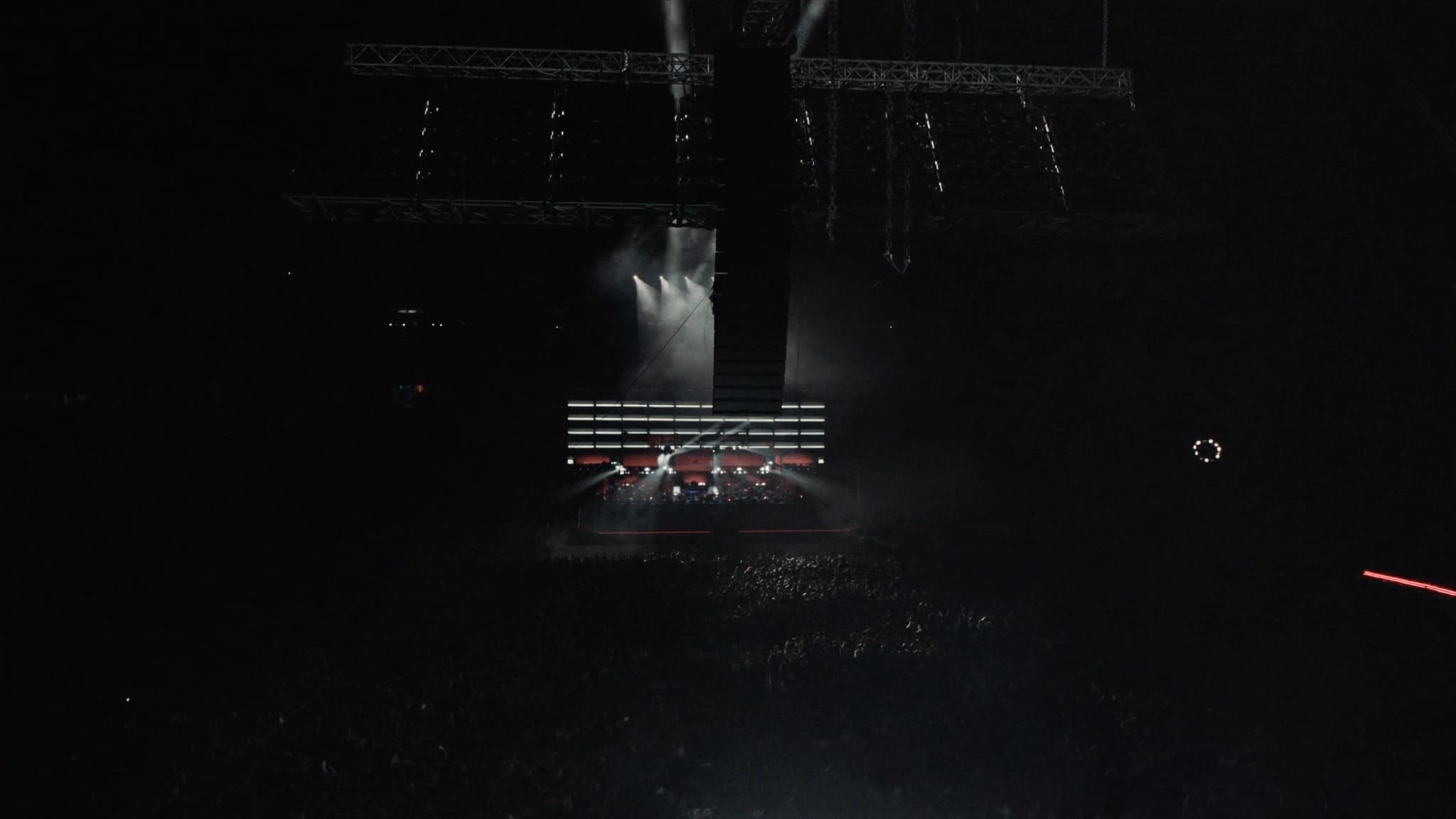
Wenn eine Band in die Stadt kommt und die Menge auflebt, ist die unsichtbare Kraft hinter diesem Erlebnis ein Touring-PA-System, ein sorgfältig konstruiertes Konzert-Rig, das Nacht für Nacht, Stadt für Stadt makellosen Klang liefert. Bei SSOUNDS bauen wir Systeme, die weltweit unterwegs sind, von Festival-Hauptbühnen bis zu intimen Arena-Tourneen. Dieser Leitfaden erklärt jede Komponente einer professionellen Touring-PA: Front-of-House (FOH), Bühnenmonitore, Line Arrays, Subwoofer, Verstärkung, Verkabelung und die Logistik, die alles zum Laufen bringt. Ob Sie ein angehender Systemtechniker oder ein neugieriger Künstler sind, das Verständnis dessen, was in ein Konzert-Rig gehört, zeigt, warum erstklassiger Sound sowohl Kunst als auch Wissenschaft ist.
Wichtigste Punkte
- Eine Touring-PA besteht aus FOH, Monitoren, Line Arrays, Subs, Verstärkern, Verkabelung und Logistik, wobei jedes Element entscheidend für die Gesamtleistung ist.
- Line Arrays bieten eine gleichmäßige Abdeckung, indem mehrere Gehäuse in einem gekrümmten Bogen geflogen werden; Subwoofer fügen Tiefton-Druck hinzu und können in kardioiden oder End-Fire-Arrays konfiguriert werden.
- Moderne Verstärker mit integriertem DSP ermöglichen eine präzise Systemabstimmung und Schutz, während netzwerkbasierte Überwachung den Technikern Echtzeitkontrolle gibt.
- Verkabelung und Stromverteilung müssen robust und organisiert sein; jede Komponente wird in Flightcases verpackt, um einen effizienten Transport und Aufbau zu gewährleisten.
- Eine erfahrene Crew und sorgfältige Planung sind für erfolgreiche Tourneen unerlässlich. SSOUNDS-Systeme sind darauf ausgelegt, diesen Prozess zu optimieren.
Front-of-House: Das Kommandozentrum
Die FOH-Position ist das Gehirn des Betriebs, typischerweise in der Mitte des Publikumsbereichs gelegen, wo der Toningenieur die Show mischt. Die FOH-Konsole empfängt Signale von jedem Mikrofon und Instrument auf der Bühne, verarbeitet sie mit EQ, Dynamik und Effekten und sendet sie dann an das Haupt-PA-System. Touring-Rigs verwenden oft digitale Konsolen mit redundanter Verarbeitung und Backup-Systemen, um Ausfälle zu verhindern. Der FOH-Ingenieur steuert auch den Gesamtpegel und die tonale Balance des Systems und verwendet Messwerkzeuge wie SMAART, um die PA an den Veranstaltungsort anzupassen.
Hinter der Konsole beherbergt das FOH-Rack Systemprozessoren wie SSOUNDS DSP-Einheiten, die Crossover-Frequenzen, Delay-Ausrichtung und Limiting für jedes Lautsprechergehäuse übernehmen. Diese Prozessoren stellen sicher, dass die Line Arrays, Subs und Fills als zusammenhängendes System arbeiten. Ein gut konzipiertes FOH-Setup umfasst eine dedizierte Power Distribution Unit (PDU) und Netzwerk-Switches für den digitalen Audiotransport (z. B. Dante oder AVB). In einem Touring-Rig ist jedes Kabel beschriftet und jeder Signalweg wird vor dem Showtag getestet.
Bühnenmonitore: Sich selbst auf der Bühne hören
Während das Publikum die Haupt-PA hört, verlassen sich die Künstler auf Bühnenmonitore, um sich selbst und die anderen zu hören. Traditionelle Wedge-Monitore stehen auf dem Boden und sind nach oben zu den Musikern geneigt. Touring-taugliche Monitore wie SSOUNDS Stage Wedges sind so gebaut, dass sie hohen Schalldruck und ständige Beanspruchung aushalten, mit robusten Gehäusen und Schutzgittern. Jeder Monitor wird von einem eigenen Verstärkerkanal angetrieben und von einer separaten Monitor-Konsole (oder von der FOH-Konsole mit einem dedizierten Monitor-Ingenieur) gespeist.
In-Ear-Monitore (IEMs) sind auf Tourneen zum Standard geworden und reduzieren die Bühnenlautstärke und verbessern die Klarheit. IEM-Systeme bestehen aus einem Sender, Bodypack-Empfängern und individuell angepassten Ohrhörern. Der Monitor-Ingenieur mischt für jeden Künstler einen eigenen Mix, oft inklusive Click-Tracks, Cues und Ambient-Mikrofonen. Selbst mit IEMs führen viele Tourneen noch einige Wedge-Monitore für Gäste oder als Backup mit. Das Monitorsystem muss so abgestimmt werden, dass Rückkopplungen vermieden werden und eine gleichmäßige Abdeckung über die Bühne gewährleistet ist.
Line Arrays: Das Rückgrat der Beschallung
Line Arrays sind der sichtbarste Teil jedes großen Konzert-Rigs. Sie bestehen aus mehreren identischen Lautsprechergehäusen, die vertikal in einem Bogen geflogen werden und eine kohärente Wellenfront erzeugen, die den Schall gleichmäßig über große Entfernungen projiziert. SSOUNDS Line-Array-Systeme sind mit präzisen Waveguide-Designs und Neodym-Treibern ausgestattet, um hohen SPL mit geringem Verzerrungen zu liefern. Die Krümmung (Splay) zwischen den Gehäusen bestimmt die vertikale Abdeckung: engeres Splay für größere Wurfweite, weiteres Splay für Nahfeldabdeckung.
Ein typisches Touring-Line-Array hängt 12 bis 24 Boxen pro Seite, je nach Größe des Veranstaltungsorts. Die Arrays werden an motorisierten Hebezeugen aufgehängt, die an Baustahl oder Traversen befestigt sind. Systemtechniker verwenden Vorhersagesoftware (wie EASE Focus oder proprietäre SSOUNDS-Tools), um die optimale Array-Konfiguration für jeden Veranstaltungsort zu berechnen. Ground-gestackte Subwoofer werden oft vor oder neben den Arrays platziert, während Side Fills und Front Fills extreme Winkel abdecken. Das Ziel ist ein gleichmäßiger SPL und Frequenzgang über den gesamten Publikumsbereich.
Subwoofer: Das Fundament für den Tiefton
Subwoofer übernehmen Frequenzen unter 100 Hz und liefern den Druck und das Rumpeln, das eine Menge bewegt. Touring-Subs sind typischerweise große Gehäuse mit 18-Zoll- oder 21-Zoll-Treibern, angetrieben von Hochstromverstärkern. SSOUNDS Subwoofer sind sowohl auf Leistung als auch auf Portabilität ausgelegt, mit integrierten Rigging-Punkten und Rollen. Gängige Konfigurationen umfassen kardioide Arrays, die die nach hinten (zur Bühne hin) abgestrahlte Tieftonenergie reduzieren und die Klarheit für die Künstler verbessern.
Subwoofer können vor der Bühne ground-gestackt, neben Line Arrays geflogen oder in End-Fire- oder Gradient-Arrays platziert werden, um den Bass zu lenken. Die Anzahl der Subs hängt vom gewünschten SPL und der Größe des Veranstaltungsorts ab; große Tourneen verwenden möglicherweise 24 bis 48 Subs pro Seite. Crossover-Einstellungen und Delay-Ausrichtung zwischen Subs und Mains sind entscheidend für eine nahtlose Mischung. SSOUNDS DSP-Presets vereinfachen diesen Prozess und ermöglichen es Ingenieuren, das System schnell an den Raum anzupassen.
Verstärker und DSP: Die Muskeln und das Gehirn
Jeder Lautsprecher in einer Touring-PA benötigt Verstärkung. Moderne Touring-Systeme verwenden leichte, leistungsstarke Class-D-Verstärker mit integriertem DSP. SSOUNDS Verstärker liefern Tausende Watt pro Kanal und wiegen unter 20 kg, was sie einfach zu racken und zu transportieren macht. Das DSP übernimmt Crossover-Filter, EQ, Limiting und Delay, alles maßgeschneidert für das jeweilige Lautsprechermodell. Verstärker sind typischerweise in schockmontierten Flightcases mit redundanten Netzteilen und Netzwerksteuerung untergebracht.
Verstärker-Racks befinden sich oft in der Nähe der Bühne oder werden mit den Line Arrays geflogen, um Kabellängen zu minimieren. Netzwerkbasierte Steuerung ermöglicht es dem Systemtechniker, den Verstärkerstatus, die Temperatur und die Ausgangspegel von einem Tablet oder Laptop aus zu überwachen. Bei großen Tourneen werden mehrere Verstärker-Racks über AES3 oder Dante für die digitale Audioverteilung verkettet. Die Kombination aus effizienter Verstärkung und präzisem DSP stellt sicher, dass das System mit Spitzenleistung arbeitet und die Treiber vor Schäden geschützt werden.
Verkabelung und Stromverteilung: Das Nervensystem
Eine Touring-PA benötigt kilometerweise Kabel: Lautsprecherkabel, Signalkabel, Netzwerkkabel und Stromkabel. Alle Kabel müssen robust, klar beschriftet und für einen schnellen Auf- und Abbau organisiert sein. Speakon-Anschlüsse sind Standard für Lautsprecherkabel, während XLR und EtherCon für analoge und digitale Signale verwendet werden. Die Stromverteilung beginnt am Hauptschaltschrank des Veranstaltungsorts und speist eine Reihe von PDUs, die sauberen, geregelten Strom für Verstärker, Konsolen und Verarbeitungsgeräte liefern.
Erdung und Stromkonditionierung sind unerlässlich, um Brummen zu verhindern und empfindliche Elektronik zu schützen. Viele Tourneen führen ihre eigenen Distro-Boxen und schweren Feeder-Kabel mit. Kabelmanagement ist eine logistische Kunst: Jedes Kabel wird aufgerollt, verpackt und farbcodiert. Ein typisches Rig enthält Ersatzkabel für jeden Typ sowie Adapter und Tester. Die Verantwortung des Systemtechnikers besteht darin, sicherzustellen, dass jeder Signalweg intakt und frei von Störgeräuschen ist, ein Prozess, der beim Load-in beginnt und sich durch den Soundcheck fortsetzt.
Logistik: Packen, Transport und Crew
Eine PA auf Tournee zu bringen ist ein enormer logistischer Aufwand. Ein typisches Konzert-Rig füllt mehrere Sattelauflieger, wobei jede Komponente in maßgeschneiderten Flightcases verpackt ist. Die Cases sind mit Rollen, Griffen und Stapelfunktionen ausgestattet, um das Verladen zu erleichtern. Bestandsmanagement ist entscheidend: Jedes Case ist nummeriert und inventarisiert, und eine detaillierte Patch-Liste zeigt der Crew, wo jedes Kabel angeschlossen wird. Eine Touring-Crew umfasst Systemtechniker, FOH- und Monitor-Ingenieure, Rigger und Bühnenarbeiter.
Load-in und Load-out folgen strengen Zeitplänen. Der Systemtechniker koordiniert mit dem Rigging-Team des Veranstaltungsorts, um die Line Arrays aufzuhängen, während die Audio-Crew Kabel verlegt und Konsolen aufbaut. Der Soundcheck ermöglicht es dem Ingenieur, das System abzustimmen und eventuelle Probleme zu beheben. Nach der Show baut die Crew das gesamte System in umgekehrter Reihenfolge ab, oft die ganze Nacht hindurch. SSOUNDS-Systeme sind für den schnellen Aufbau konzipiert, mit Schnellverschluss-Rigging, vorverkabelten Verstärker-Racks und intuitiven DSP-Presets, damit sich die Crew auf großartigen Sound konzentrieren kann, anstatt mit dem Equipment zu kämpfen.
Häufige Fragen
Wie viele Line-Array-Boxen werden typischerweise auf einer Tournee verwendet?
Die Anzahl variiert je nach Veranstaltungsort und gewünschtem SPL. Kleine Clubs verwenden möglicherweise 8-12 Boxen pro Seite, während große Arenen und Festivals oft 16-24 pro Seite einsetzen. SSOUNDS-Systeme sind skalierbar, sodass Tourneen bei Bedarf Kabinette hinzufügen oder entfernen können.
Was ist der Unterschied zwischen aktiven und passiven Touring-PA-Systemen?
Aktive Systeme haben eingebaute Verstärker und DSP in jedem Lautsprecher, was die Verkabelung vereinfacht, aber das Gewicht erhöht. Passive Systeme verwenden externe Verstärker und bieten Flexibilität und einfachere Wartbarkeit. Viele große Tourneen bevorzugen passive Setups wegen der Zuverlässigkeit und zentralisierten Steuerung.
Wie transportiert man eine Touring-PA?
Die Komponenten werden in maßgeschneiderten Flightcases mit Schaumstoffpolsterung und Rollen verpackt. Die Cases werden mit Ladebordwänden oder Rampen auf LKWs geladen. Ein typisches Arena-Rig füllt 2-4 Sattelauflieger. SSOUNDS entwirft Gehäuse mit integrierter Rigging-Hardware und ergonomischen Griffen, um die Aufbauzeit zu verkürzen.
Was ist eine kardioide Subwoofer-Konfiguration?
Kardioide Sub-Arrays verwenden mehrere Subwoofer mit spezifischem Abstand und Delay, um den nach hinten abgestrahlten Schall zu unterdrücken und die Tieftonenergie auf der Bühne zu reduzieren. Dies verbessert die Klarheit der Monitore und die Gesamtkontrolle des Systems. SSOUNDS DSP enthält Presets für gängige kardioide Muster.
Wie lange dauert der Aufbau einer Touring-PA?
Die Aufbauzeit hängt von der Systemgröße und der Erfahrung der Crew ab. Ein typisches Arena-Rig kann 4-8 Stunden für Load-in, Rigging und Verkabelung benötigen, gefolgt von 1-2 Stunden für Tuning und Soundcheck. SSOUNDS-Systeme sind für schnellen Aufbau konzipiert, mit vorverkabelten Racks und Schnellverschluss-Hardware.
System aufbauen oder aufrüsten?
SSOUNDS entwickelt und fertigt professionelle PA weltweit, vom einzelnen Raum bis zur Stadiongröße.