Wandlautsprecher vs. Deckenlautsprecher: Was sollten Sie wählen?
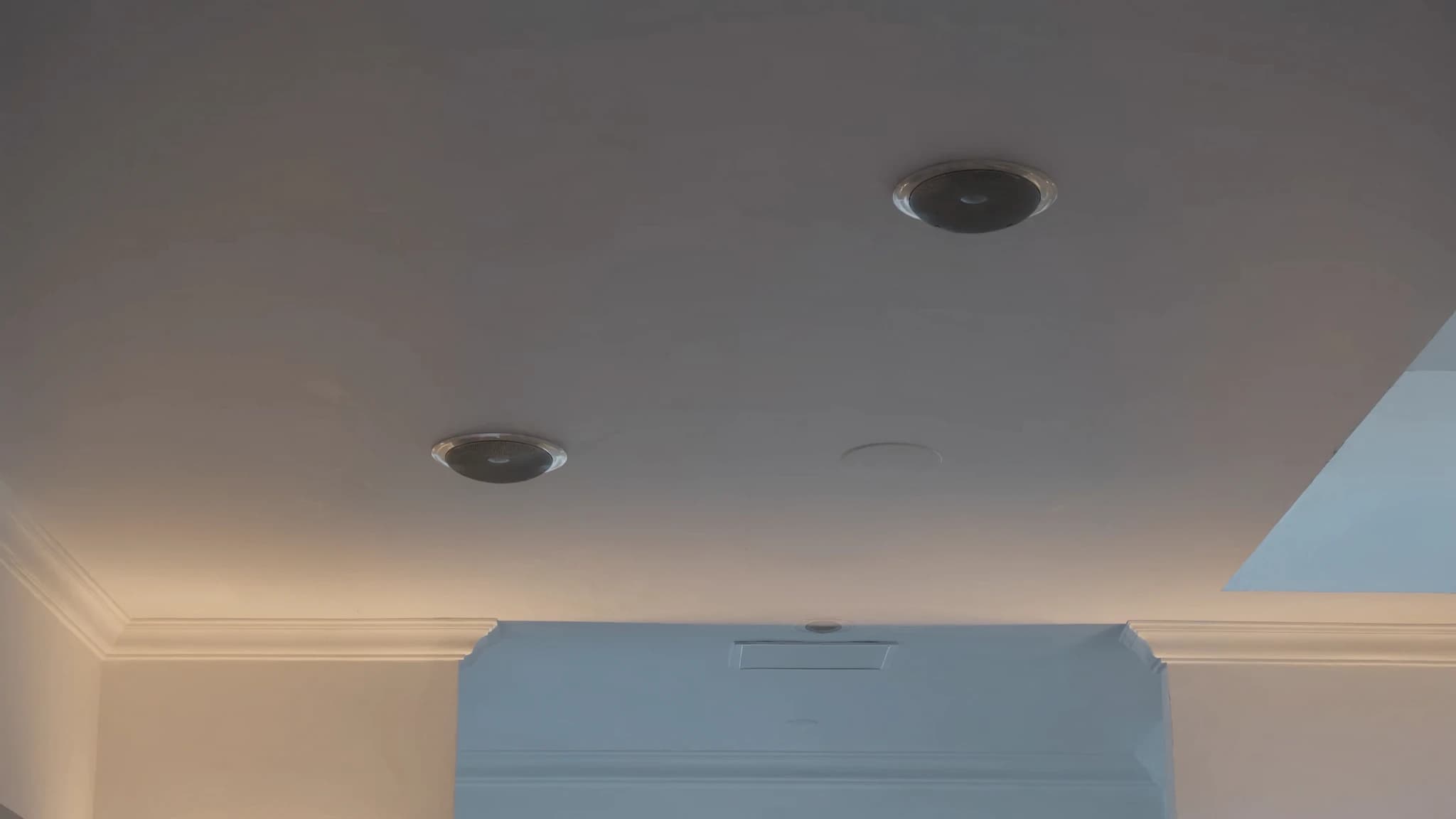
Die Wahl zwischen wandmontierten und deckenmontierten Lautsprechern kann Ihr Hörerlebnis dramatisch beeinflussen, egal ob Sie ein Heimkino, ein kommerzielles Hintergrundmusiksystem oder ein Multiroom-Audiosetup aufbauen. Wandlautsprecher zeichnen sich durch Stereoabbildung und direkten Klang aus, während Deckenlautsprecher eine gleichmäßige Abdeckung und diskrete Ästhetik bieten. Dieser Leitfaden erläutert die wichtigsten Unterschiede, Richtwirkung, Abbildung, Abdeckung und Installation, um Ihnen bei der Entscheidung zu helfen, was für Ihren Raum richtig ist.
Wichtigste Punkte
- Wandlautsprecher bieten überlegene Stereoabbildung und direkten Klang, ideal für Heimkino und kritisches Hören.
- Deckenlautsprecher bieten gleichmäßige, unaufdringliche Abdeckung für Hintergrundmusik und kommerzielle Durchsagen.
- Richtwirkung: Wandlautsprecher zielen auf Ohrhöhe; Deckenlautsprecher strahlen nach unten ab und opfern die Lokalisierung.
- Ästhetik: Deckenlautsprecher sind nahezu unsichtbar; Wandlautsprecher sind sichtbarer, können aber bündig montiert werden.
- Installation: Deckenlautsprecher erfordern Deckenzugang; Wandlautsprecher benötigen Wandhohlräume oder Oberflächenmontage.
- Für beste Ergebnisse verwenden Sie Wandlautsprecher für die vorderen Kanäle und Deckenlautsprecher für Surrounds oder Atmos in einem Hybridsetup.
Richtwirkung und Abbildung: Der Kernunterschied
Wandlautsprecher, ob In-Wall oder aufputzmontiert, sind darauf ausgelegt, Schall nach vorne in Richtung des Hörers zu projizieren. Diese Richtwirkung erzeugt ein klares Stereobild und eine Klangbühne, was sie ideal für kritische Hörumgebungen wie Heimkinos oder dedizierte Stereosetups macht. Der Hochtöner und der Tieftöner sind typischerweise auf Ohrhöhe ausgerichtet, wodurch sichergestellt wird, dass hohe Frequenzen, die stark gerichtet sind, den Hörer direkt erreichen und Details sowie Lokalisierung erhalten bleiben.
Deckenlautsprecher hingegen strahlen Schall nach unten und außen ab, oft mit einem breiten Abstrahlmuster. Während dies eine gleichmäßige Abdeckung über einen großen Bereich bietet, opfert es die präzise Abbildung. Schall von einem Deckenlautsprecher erreicht den Hörer von oben, was es schwieriger machen kann, einzelne Instrumente oder Dialoge zu lokalisieren. Für Hintergrundmusik oder Durchsagen in kommerziellen Räumen ist dies akzeptabel, sogar wünschenswert, aber für immersives Kino oder audiophiles Hören sind Wandlautsprecher überlegen.
Abdeckung und gleichmäßige Beschallung: Wo Deckenlautsprecher glänzen
Deckenlautsprecher sind unübertroffen darin, konsistente Schallpegel über einen großen Bereich ohne Hotspots oder tote Zonen zu liefern. Dies macht sie zur ersten Wahl für offene Büros, Einzelhandelsgeschäfte, Restaurants und Korridore, wo gleichmäßige Hintergrundmusik oder Durchsagen benötigt werden. Durch die richtige Platzierung der Deckenlautsprecher (typischerweise 8–12 Fuß Abstand) können Sie eine nahezu nahtlose Abdeckung mit minimalen Lautstärkeunterschieden erreichen.
Wandlautsprecher hingegen erzeugen eine fokussiertere Hörzone. Sie funktionieren am besten, wenn Hörer in einem definierten Bereich sitzen, wie einem Sofa oder einer Sitzreihe, und auf Ohrhöhe positioniert werden können. In großen, offenen Räumen können Wandlautsprecher Bereiche mit schlechter Abdeckung hinterlassen, es sei denn, Sie verwenden mehrere Paare, was den Raum visuell und akustisch überladen kann.
Ästhetik und Installationsüberlegungen
Deckenlautsprecher sind nach der Installation praktisch unsichtbar, besonders mit streichbaren Gittern, die in die Decke übergehen. Dies macht sie zu einem Favoriten für minimalistische Innenräume oder Räume, in denen Lautsprecher nicht mit der Dekoration konkurrieren sollen. Die Installation ist bei Neubauten oder abgehängten Decken relativ unkompliziert, aber die Nachrüstung in bestehende Trockenbauwände erfordert das Schneiden von Löchern und das Verlegen von Kabeln durch den Deckenhohlraum, eine Aufgabe, die am besten Fachleuten überlassen wird.
Wandlautsprecher, ob In-Wall oder On-Wall, sind sichtbarer. In-Wall-Modelle können bündig montiert und passend zur Wand gestrichen werden, aber sie beanspruchen immer noch Wandfläche, die sonst Kunstwerke oder Regale tragen könnte. On-Wall-Lautsprecher ragen hervor und sind auffälliger. Die Wandplatzierung ermöglicht jedoch eine bessere Stereotrennung und Abbildung, und die Installation ist oft einfacher in Räumen, in denen Wandhohlräume zugänglich sind.
Heimkino vs. Hintergrundmusik: Den Lautsprecher an den Anwendungsfall anpassen
In gemischt genutzten Räumen, wie einem Wohnzimmer, das auch als Heimkino dient, funktioniert ein kombinierter Ansatz gut: Wandlautsprecher für die vorderen Kanäle und Deckenlautsprecher für Surrounds oder Atmos-Höhen. Dies balanciert Ästhetik mit Leistung.
Akustische Herausforderungen: Raummoden und Reflexionen
Wandlautsprecher interagieren anders mit Raumbegrenzungen als Deckenlautsprecher. Das Platzieren von Lautsprechern an der Wand kann Raummoden (stehende Wellen) bei bestimmten Frequenzen anregen, was potenziell zu Bassdröhnen oder Auslöschungen führen kann. Richtige Platzierung und Raumbehandlung können dies mildern. Deckenlautsprecher, die weiter von Seitenwänden entfernt sind, haben oft eine glattere Basswiedergabe, können aber unter Reflexionen vom Boden oder Möbeln leiden.
Ein weiterer Faktor ist die Ohrposition des Hörers. Wandlautsprecher auf Ohrhöhe liefern direkten Schall mit minimalem Boden- oder Deckenreflex und bewahren die Klarheit. Deckenlautsprecher senden Schall schräg nach unten, was frühe Reflexionen vom Boden verursachen kann, die den Klang trüben, wenn der Raum harte Oberflächen hat. Für Sprachverständlichkeit in Durchsagesystemen werden Deckenlautsprecher mit kontrollierter Richtwirkung (wie solche mit hornbelasteten Hochtönern) bevorzugt.
Die Wahl treffen: Ein Entscheidungsrahmen
Beginnen Sie damit, Ihren primären Verwendungszweck zu definieren: kritisches Hören (Filme, Musik) oder ambientische Beschallung (Hintergrundmusik, Durchsagen). Für kritisches Hören wählen Sie Wandlautsprecher. Für ambientische Beschallung wählen Sie Deckenlautsprecher.
Als Nächstes betrachten Sie Ihr Raumlayout. Wenn Sie definierte Sitzplätze haben und Lautsprecher auf Ohrhöhe platzieren können, gewinnen Wandlautsprecher. Wenn der Raum unregelmäßig geformt ist oder mehrere Hörzonen hat, bieten Deckenlautsprecher mehr Flexibilität.
Schließlich wägen Sie die Ästhetik ab. Wenn Sie unsichtbares Audio wünschen, sind Deckenlautsprecher die Antwort. Wenn Sie sichtbare Lautsprecher für besseren Klang tolerieren können, liefern Wandlautsprecher überlegene Leistung. In vielen Fällen gibt Ihnen ein Hybridsystem das Beste aus beiden Welten.
Häufige Fragen
Können Deckenlautsprecher für Stereomusik verwendet werden?
Ja, aber das Stereobild ist weniger präzise als bei Wandlautsprechern. Manche Deckenlautsprecher haben angewinkelte Treiber, um die Abbildung zu verbessern, aber sie können die Klangbühne von richtig platzierten Wandlautsprechern auf Ohrhöhe nicht erreichen.
Welcher Typ ist einfacher in einem bestehenden Raum zu installieren?
Das hängt vom Zugang ab. Deckenlautsprecher erfordern das Schneiden in die Decke und das Verlegen von Kabeln durch den Dachboden oder die Etage darüber. Wandlautsprecher benötigen Wandhohlräume, was einfacher sein kann, wenn Sie zugängliche Ständerfächer haben. In beiden Fällen wird eine professionelle Installation für beste Ergebnisse empfohlen.
Sind In-Wall-Lautsprecher besser als On-Wall-Lautsprecher?
In-Wall-Lautsprecher sind diskreter und können passend zur Wand gestrichen werden, erfordern aber das Schneiden in Trockenbauwände. On-Wall-Lautsprecher sind einfacher zu installieren und haben oft eine bessere Basswiedergabe aufgrund des Gehäuses, aber sie ragen in den Raum hinein.
Kann ich Wand- und Deckenlautsprecher im selben System mischen?
Absolut. Viele Heimkinosysteme verwenden Wandlautsprecher für die vorderen linken, mittleren und rechten Kanäle und Deckenlautsprecher für Surround- oder Höhenkanäle. Dies kombiniert die Abbildung von Wandlautsprechern mit der diskreten Platzierung von Deckenlautsprechern.
Welche Raumgröße ist am besten für Deckenlautsprecher geeignet?
Deckenlautsprecher funktionieren gut in Räumen jeder Größe, sind aber besonders effektiv in offenen Grundrissen, langen Korridoren und Räumen mit niedrigen Decken, wo eine Wandplatzierung unpraktisch ist. Für große Räume sind mehrere Deckenlautsprecher erforderlich, um eine gleichmäßige Abdeckung zu erzielen.
System aufbauen oder aufrüsten?
SSOUNDS entwickelt und fertigt professionelle PA weltweit, vom einzelnen Raum bis zur Stadiongröße.