AI-Assisted Live Mixing: The Future of Front of House
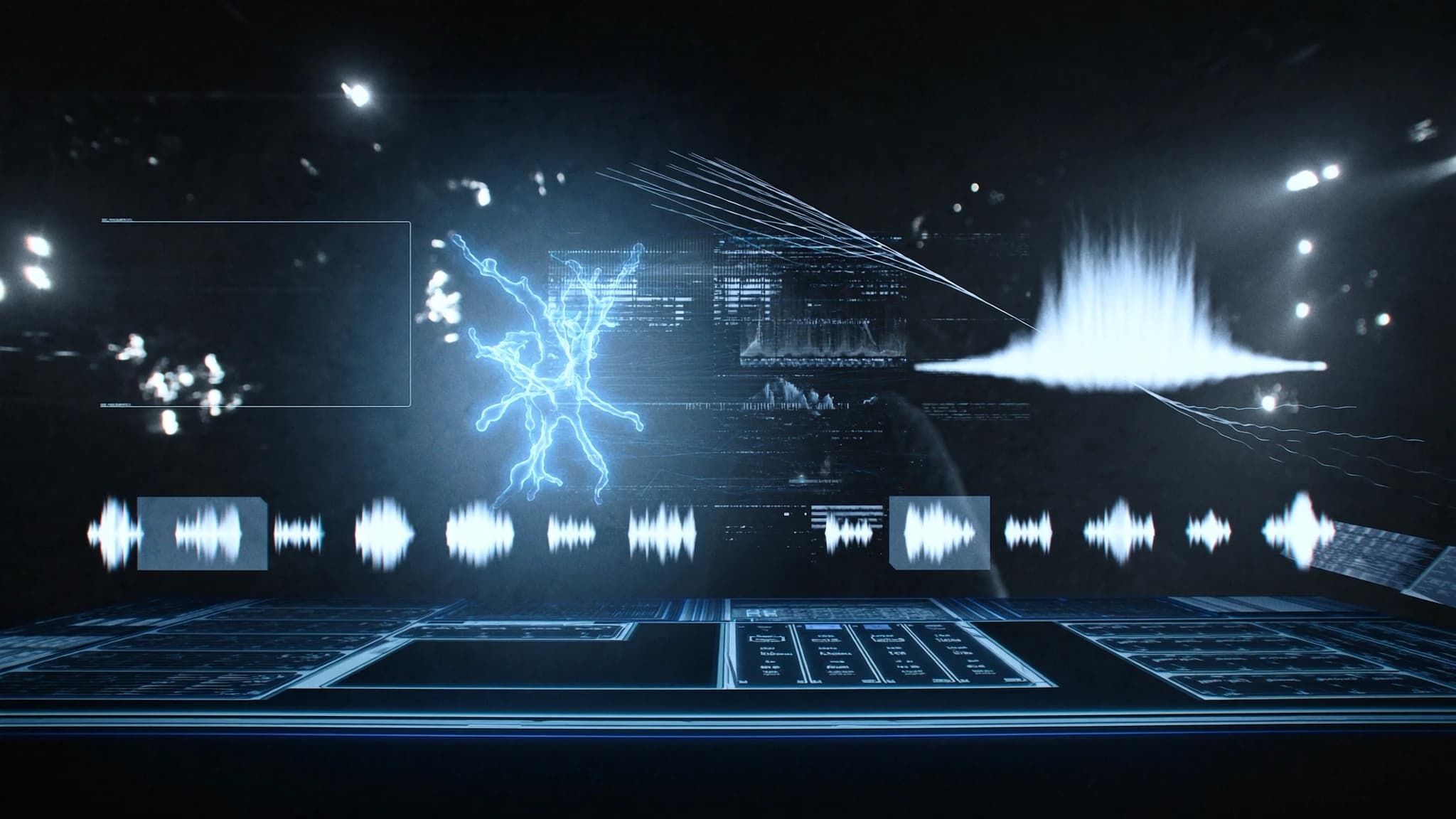
Artificial intelligence is quietly reshaping the front-of-house mixing position, not by replacing engineers but by handling repetitive tasks and offering intelligent suggestions. At SSOUNDS, we’ve integrated machine learning into our DSP and system tuning tools, and we see AI as a powerful co-pilot that frees engineers to focus on creative decisions. This guide separates the current reality from the hype, exploring how AI-assisted mixing works today and what’s coming next.
Key takeaways
- AI-assisted mixing is already practical for gain staging, dynamic EQ, and level balancing, saving time and reducing errors.
- Current AI lacks contextual and emotional intelligence, so human oversight remains essential for creative decisions.
- Engineers will work as co-pilots with AI, approving suggestions and focusing on artistic aspects during live shows.
- AI-driven system tuning (like SSOUNDS’ tools) significantly speeds up venue optimization and improves consistency.
- Future developments include personalized AI that learns an engineer’s style and real-time processing with minimal latency.
- The role of the FOH engineer evolves but remains central; AI is a powerful assistant, not a replacement.
What AI-Assisted Mixing Actually Means at FOH
AI-assisted mixing refers to software algorithms that analyze audio in real time and make adjustments to gain, EQ, dynamics, and levels. Unlike traditional automation, these systems learn from the engineer’s preferences or from statistical models of good mixes. The goal is not to mix the show autonomously but to handle mundane tasks like gain staging, feedback suppression, and balancing multiple inputs so the engineer can focus on tonal shaping and artistic expression.
Current implementations include automatic microphone gain adjustment to prevent clipping, dynamic EQ that adapts to changing vocal sibilance, and intelligent levelers that keep dialogue or vocals consistent even when the performer moves off-mic. These tools are already available in some digital consoles and plugins, and they are becoming more sophisticated with each software update.
Real-World Applications: What Works Now
At SSOUNDS, we’ve incorporated machine learning into our system tuning software. Our AI-driven acoustic modeling predicts coverage and optimizes DSP presets for specific venues, cutting hours off the tuning process. While this is more system-focused than channel mixing, it demonstrates how AI can assist the engineer before the first fader is moved.
The Hype vs. Reality: Where AI Falls Short
The biggest hype is that AI will soon mix entire shows without human input. In reality, AI lacks the contextual understanding and emotional intuition that a skilled engineer brings. A machine can’t decide that a guitar solo needs a slight boost for dramatic effect, or that a vocal reverb tail should be longer during a ballad. AI also struggles with unpredictable live events like a broken string, an unexpected crowd noise, or a performer’s sudden change in position.
Another limitation is latency. Real-time AI processing adds computational delay, which can be problematic for monitoring and time-sensitive adjustments. Most current systems operate on a “suggest and confirm” model, where the AI proposes changes and the engineer approves them. This keeps the human in the loop and avoids catastrophic errors.
How Engineers Will Work Alongside AI
The future FOH engineer will treat AI as a highly skilled assistant. During soundcheck, AI can quickly set initial levels, identify problematic frequencies, and suggest EQ cuts. The engineer then refines these settings based on artistic vision. During the show, AI handles routine tasks like gain riding and feedback suppression, while the engineer focuses on creative mixing and responding to the moment.
Training will become essential: engineers need to understand the AI’s strengths and weaknesses, how to override it, and how to interpret its suggestions. SSOUNDS believes that the best results come from combining human expertise with machine efficiency. Our upcoming console integration will allow engineers to set AI aggressiveness levels and choose which parameters the AI can adjust.
The Role of AI in System Tuning and Optimization
Beyond channel mixing, AI is transforming how we tune PA systems. Machine learning algorithms can analyze room impulse responses and automatically adjust delay, EQ, and crossover settings for even coverage. SSOUNDS’ own AI-assisted tuning tool reduces setup time by up to 60% while achieving more consistent results than manual tuning alone.
This technology is especially valuable for touring engineers who face different venues every night. AI can store venue profiles and recall optimized settings, adapting to changes in temperature, humidity, and audience absorption. The result is a more predictable and reliable sound system, allowing the engineer to trust the PA and focus on the mix.
What’s Next: The Road Ahead for AI in Live Sound
In the next five years, we expect AI to become a standard feature on digital consoles and PA systems. Advances in edge computing will reduce latency, enabling real-time processing without compromise. We’ll see AI that learns an engineer’s mixing style over multiple shows, creating personalized presets. There will also be better integration with immersive audio formats, where AI can automatically pan and balance objects in a 3D soundfield.
However, the human element will remain irreplaceable. Live sound is about connection, emotion, and spontaneity. AI will handle the technical heavy lifting, but the art of mixing will always belong to the engineer. SSOUNDS is committed to developing tools that empower engineers, not replace them.
Frequently asked
Can AI mix an entire live show by itself?
Not reliably. Current AI lacks the ability to handle unexpected events, artistic decisions, and emotional nuance. It works best as an assistant that handles routine tasks while the engineer makes creative calls.
Does AI-assisted mixing require special hardware?
Many features are built into modern digital consoles (e.g., automatic mic mixing, feedback suppression). Advanced AI tools may require additional processing power, but cloud-based and edge computing solutions are making them more accessible.
How does SSOUNDS use AI in its products?
SSOUNDS integrates machine learning into our system tuning software for acoustic modeling and DSP optimization. We are also developing AI-assisted features for future console integrations, focusing on gain staging and EQ suggestions.
Will AI replace live sound engineers?
No. AI handles data-driven tasks but cannot replicate human intuition, creativity, and adaptability. The demand for skilled engineers will remain, with AI as a tool to enhance their workflow.
What is the biggest challenge for AI in live sound?
Latency and contextual understanding are the main hurdles. Real-time processing must be fast enough to avoid audible delay, and AI must learn to interpret complex, unpredictable live environments.
Building or upgrading a system?
SSOUNDS engineers and manufactures professional PA worldwide, from a single room to stadium scale.