Newsroom
Projects, live events, news, facts, and answers from the SSOUNDS team.
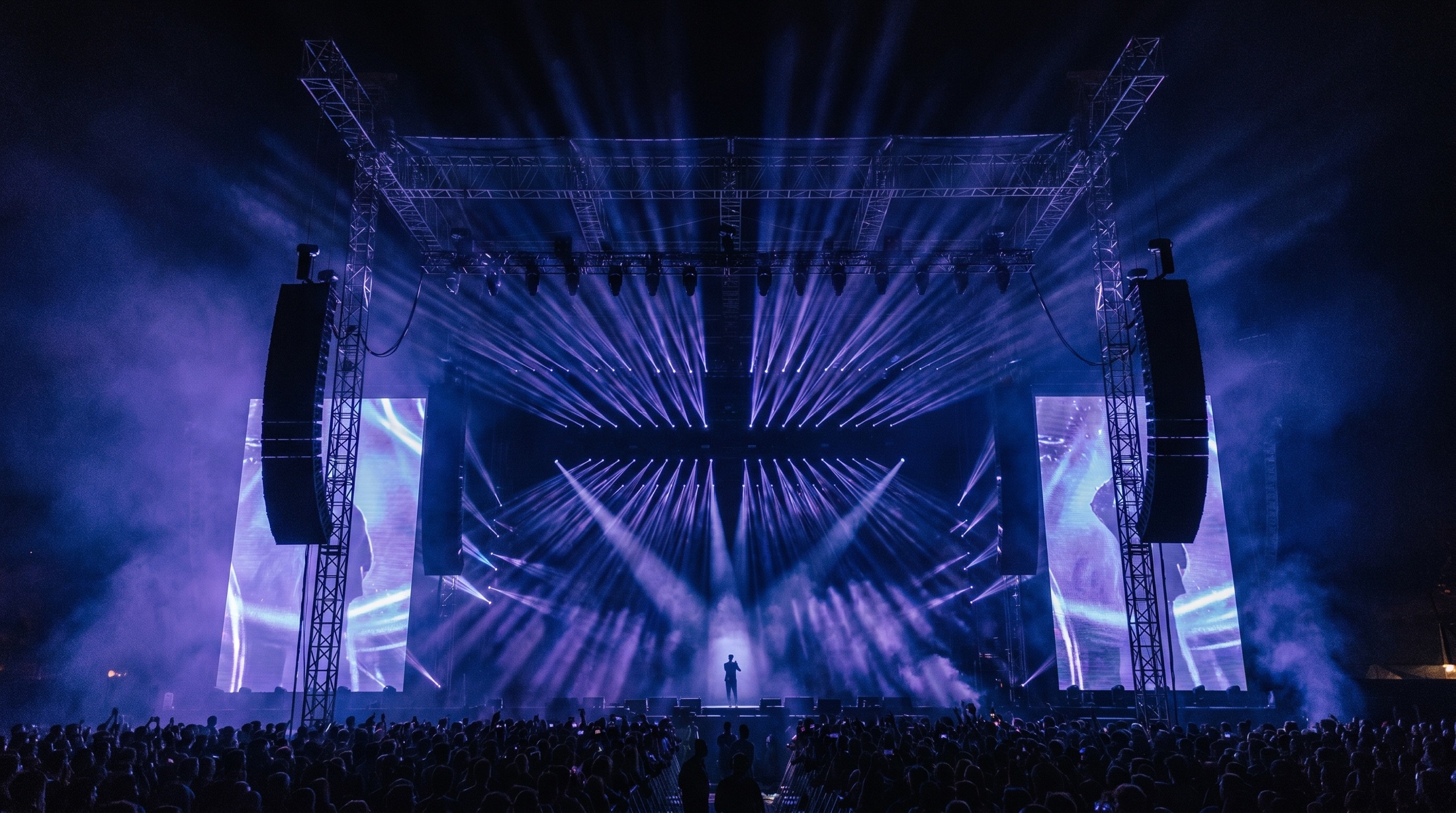
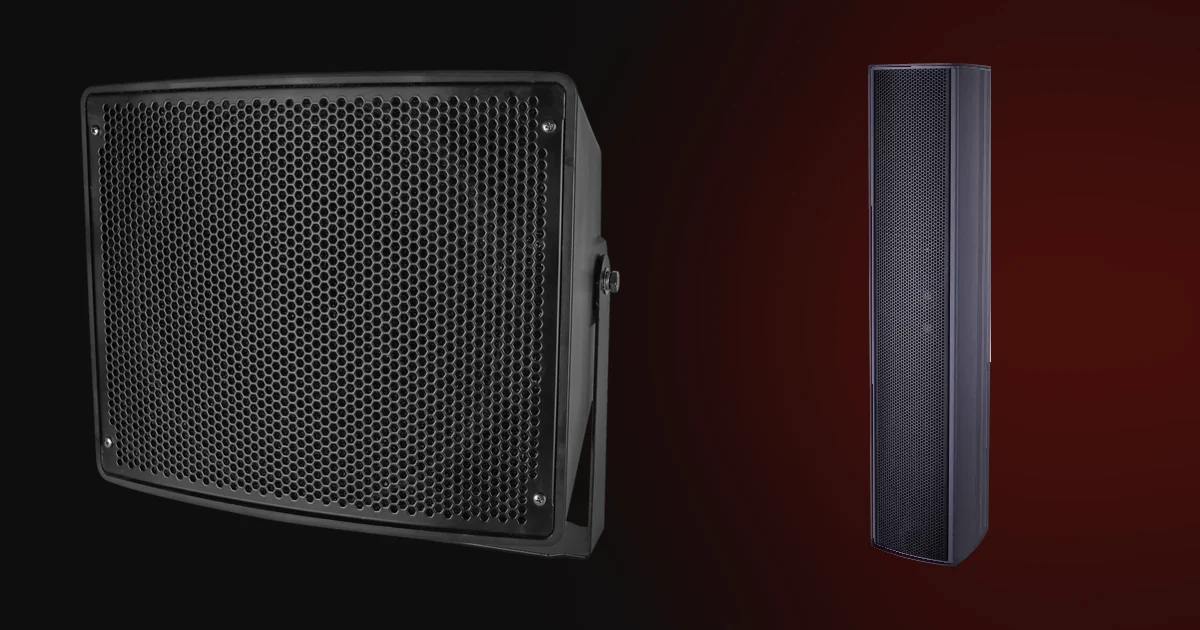
SSOUNDS delivered the complete technical production for the Carry1st Africa Cup 2026 Grand Finals at the Los Angeles Event Centre, Abuja, the African qualifier of the Call of Duty Mobile World Championship: 346 lighting fixtures, 25 cameras into an ATEM Constellation 8K, LS208 line arrays and XTO 4.6 columns with 12 subwoofers, and a crew of 34 touring and 8 local.
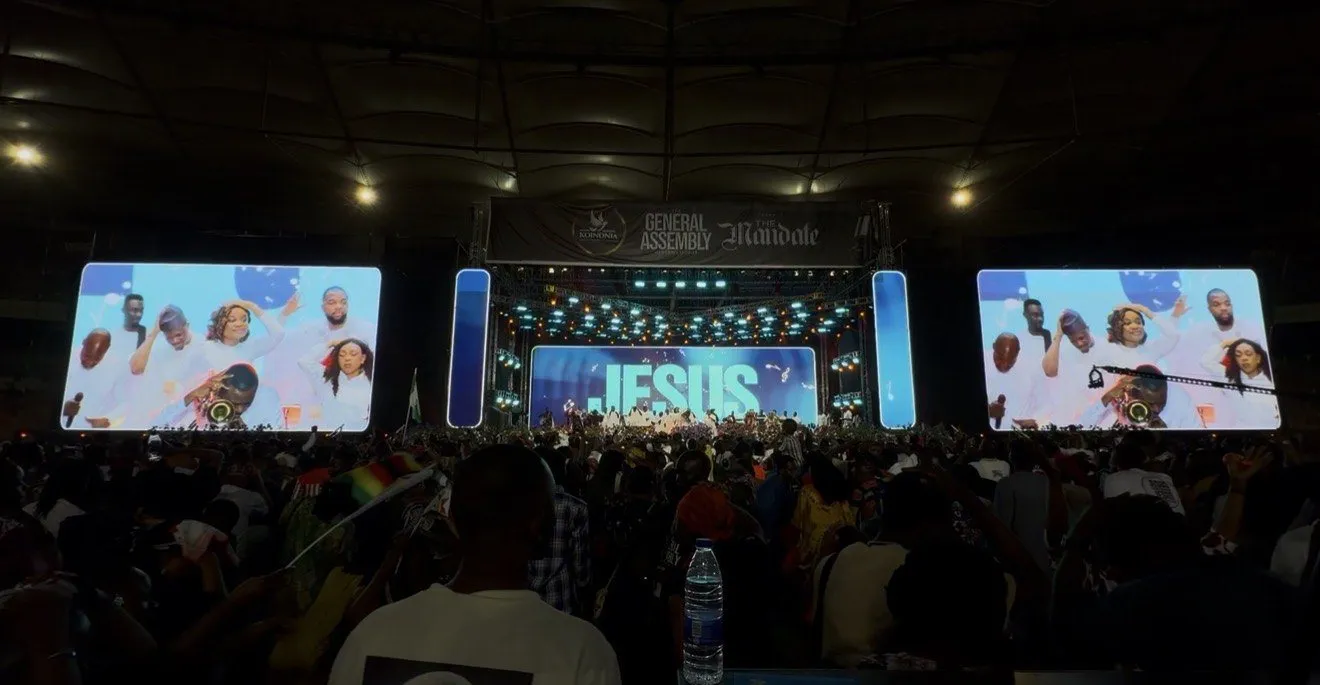
The Mandate, Koinonia Global's General Assembly at National Stadium, Abuja, ran for five days on a production SSOUNDS designed from the stage roof to the delay screens: 180 line array elements, 80 subwoofers, a 64 by 40 ft stage with a 230 square metre runway, about 300 square metres of LED, over 770 lighting fixtures and six generators.
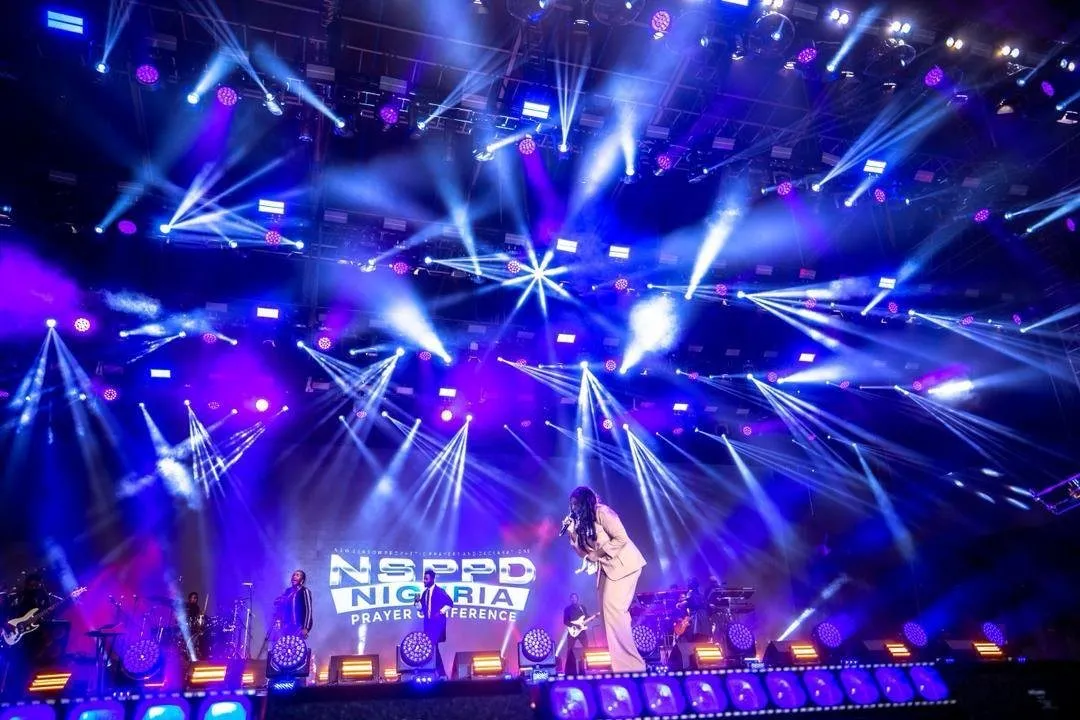
How SSOUNDS built the audio, lighting, LED and staging for the NSPPD Nigeria Prayer Conference 2026 at Tafawa Balewa Square, Lagos: a main PA of 320 line array elements and 140 subwoofers on PA towers, a curved stage roof and IMAG screens on both wings.
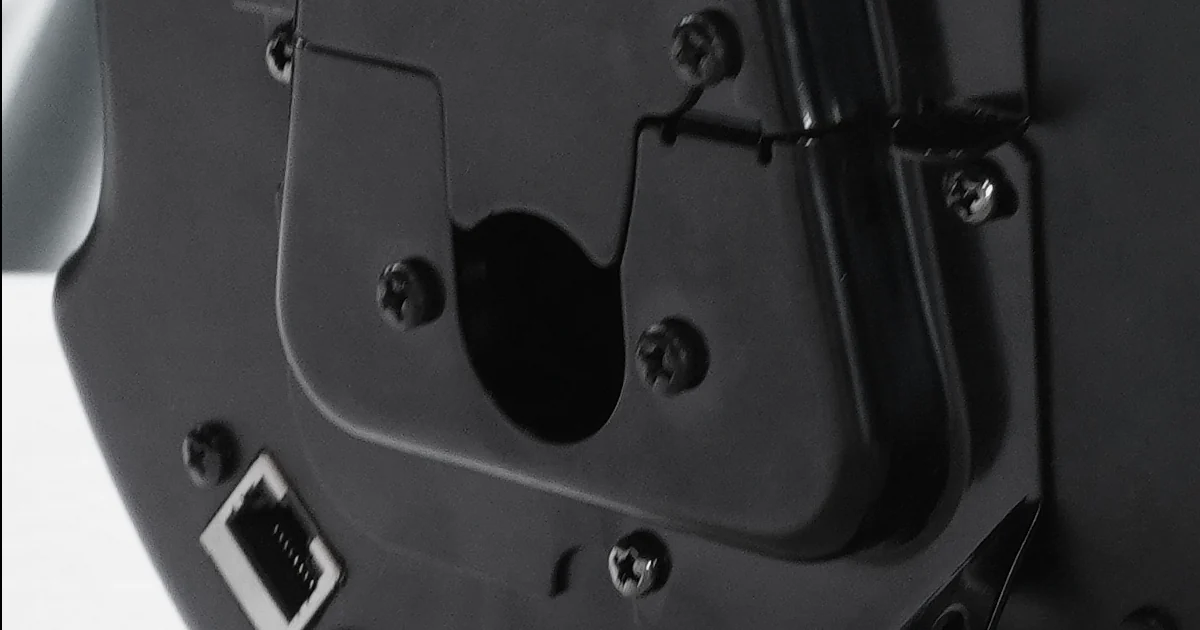
One Cat cable per loudspeaker carries the audio, the power and the control. No amplifier racks, no loudspeaker cable runs, no mains at the ceiling. Here is how a hotel sound system runs on Power over Ethernet, and the SSOUNDS loudspeakers that do it.
Clients specify SPL and frequency response coverage as the primary metrics for audio system design, but neither tells you whether speech will be understood by the people in the room. Speech Transmission Index measures something fundamentally different, the preservation of modulation through the transmission channel, and by the time poor intelligibility surfaces after installation, the problem is almost never in the electronics.
High STI is not the result of powerful amplifiers or expensive loudspeakers, it is the result of disciplined system design that treats the room as part of the signal chain. This article documents the engineering methodology across four of the most acoustically demanding venue categories: churches, mosques, government buildings, and airports.
Smaart, the NTI XL2, and the NTI TalkBox each occupy a distinct role in the measurement chain, and confusing those roles is one of the most common sources of error in installed audio commissioning. This article breaks down what each tool actually does, why coherence is the most misread trace in Smaart, and why a single-point STI measurement should never close a project.
SSOUNDS designed and commissioned a permanent audio system for Dunamis International's Glory Dome, one of Africa's largest single-span domes, seating 100,000.
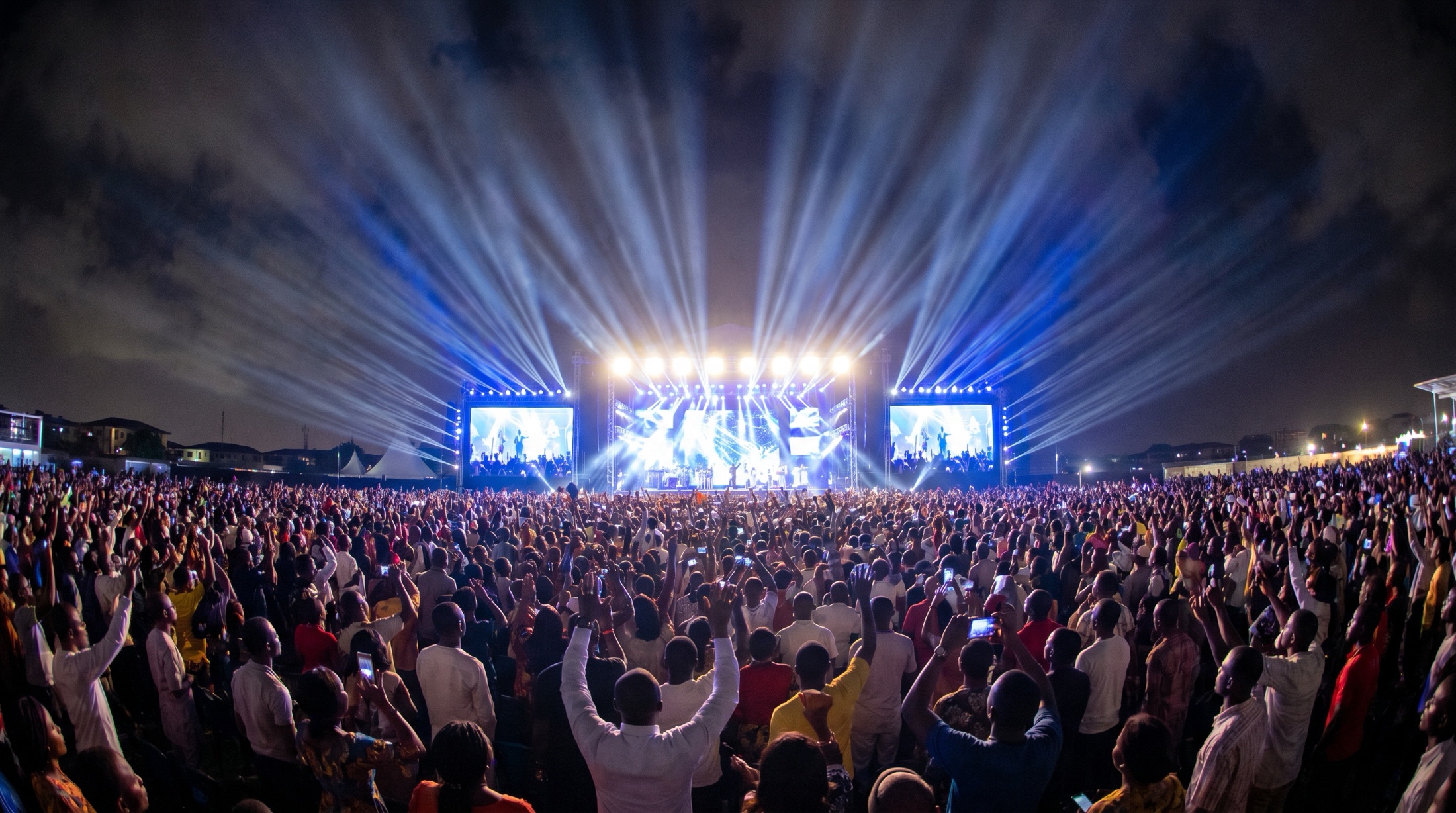
SSOUNDS supported the audio production for one of Africa's largest annual gospel concerts at Tafawa Balewa Square, Lagos, drawing 200,000+ attendees.
The Commonwealth of Zion Assembly annual convention demanded stadium-scale coverage across their Abuja auditorium and an outdoor overflow zone for 15,000 worshippers.
SSOUNDS provided stage PA, in-ear monitor systems and broadcast audio infrastructure for The Voice Nigeria Season 4 live shows in Lagos.
SSOUNDS delivered the complete audio, visual and lighting rig for TEDx Enugu, covering 800+ delegates across the main hall and two overflow rooms.
Studio, wireless ANC and pro IEMs now available.
Hear the SSOUNDS line array live, book your slot.
Touring came back louder than ever. A look at how live sound recovered, talent shortages, gear demand, and the lessons that stuck.
Full line-array system for a 3,500-seat sanctuary in Lagos.
If you run regular events (weekly services, a venue), buying pays off and you control quality. For one-off or occasional events, renting a tour-grade rig with an engineer is more cost-effective and removes storage, maintenance and transport headaches. SSOUNDS does both, we can advise based on your event calendar.
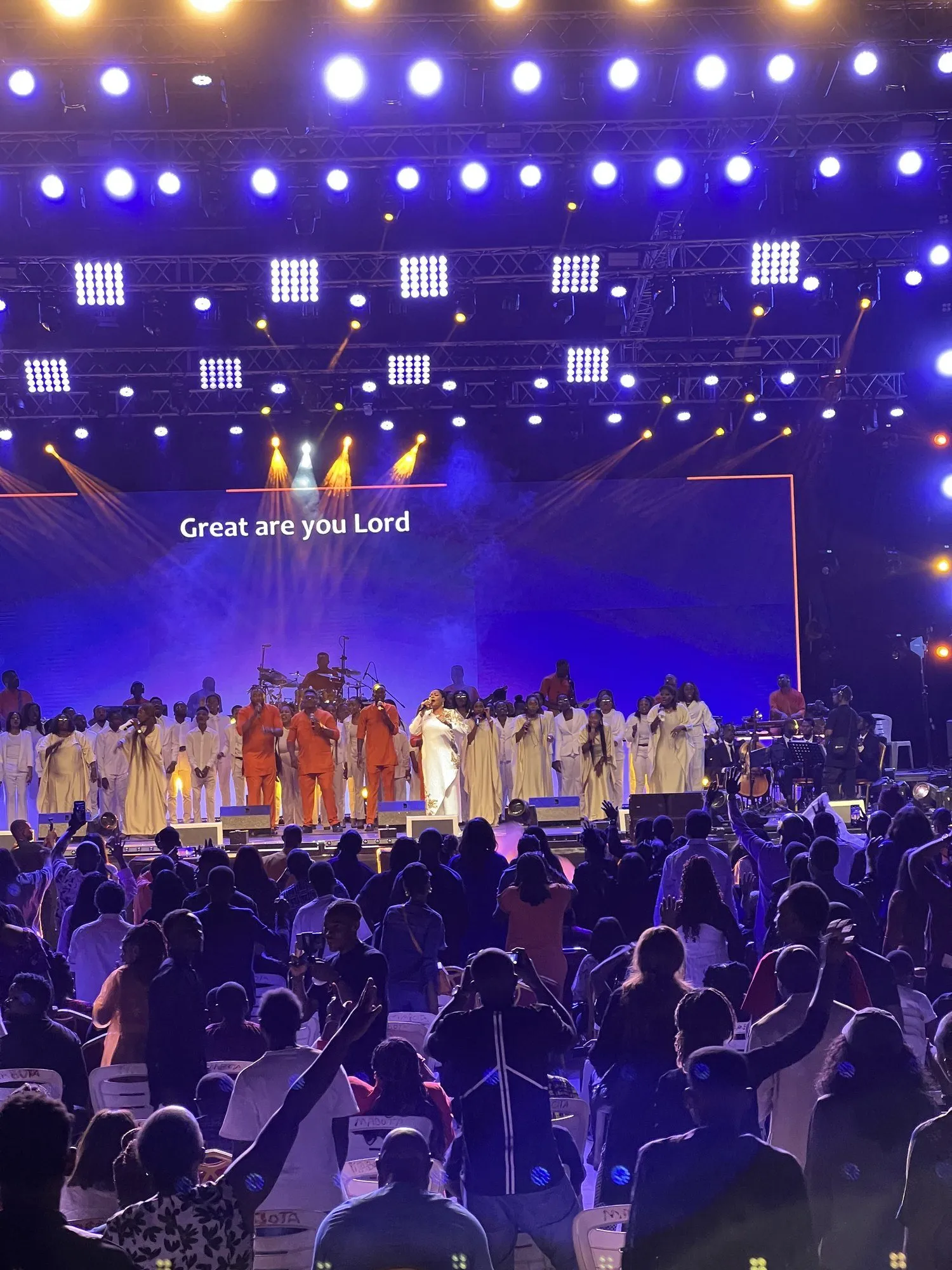
SSOUNDS produced Sinach Live in Concert at the Velodrome Stadium, Abuja, with 78 line array elements and 32 subwoofers, provided international front of house for the Johannesburg concert and live recording in 2024, and produced the Benin date.
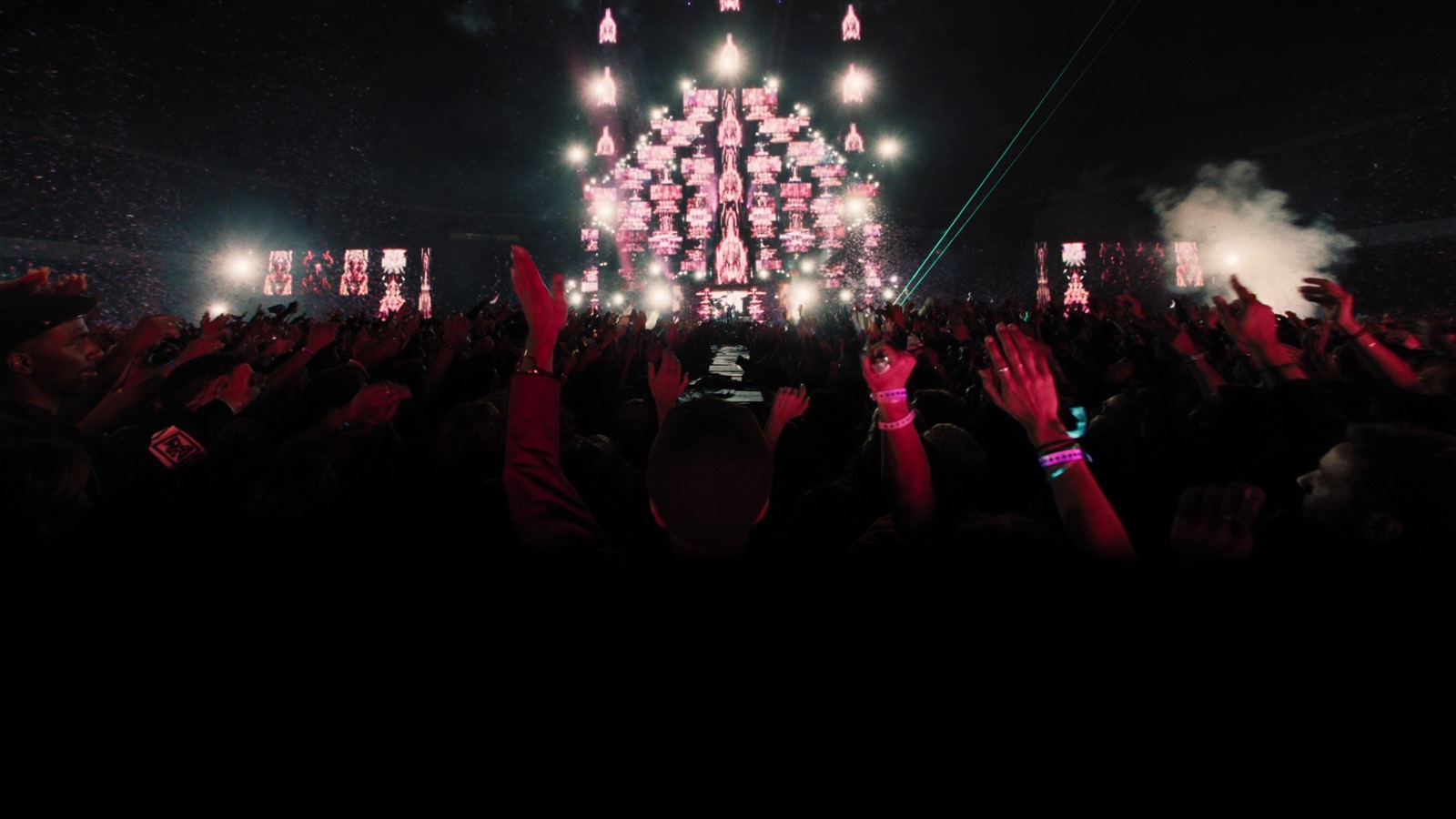
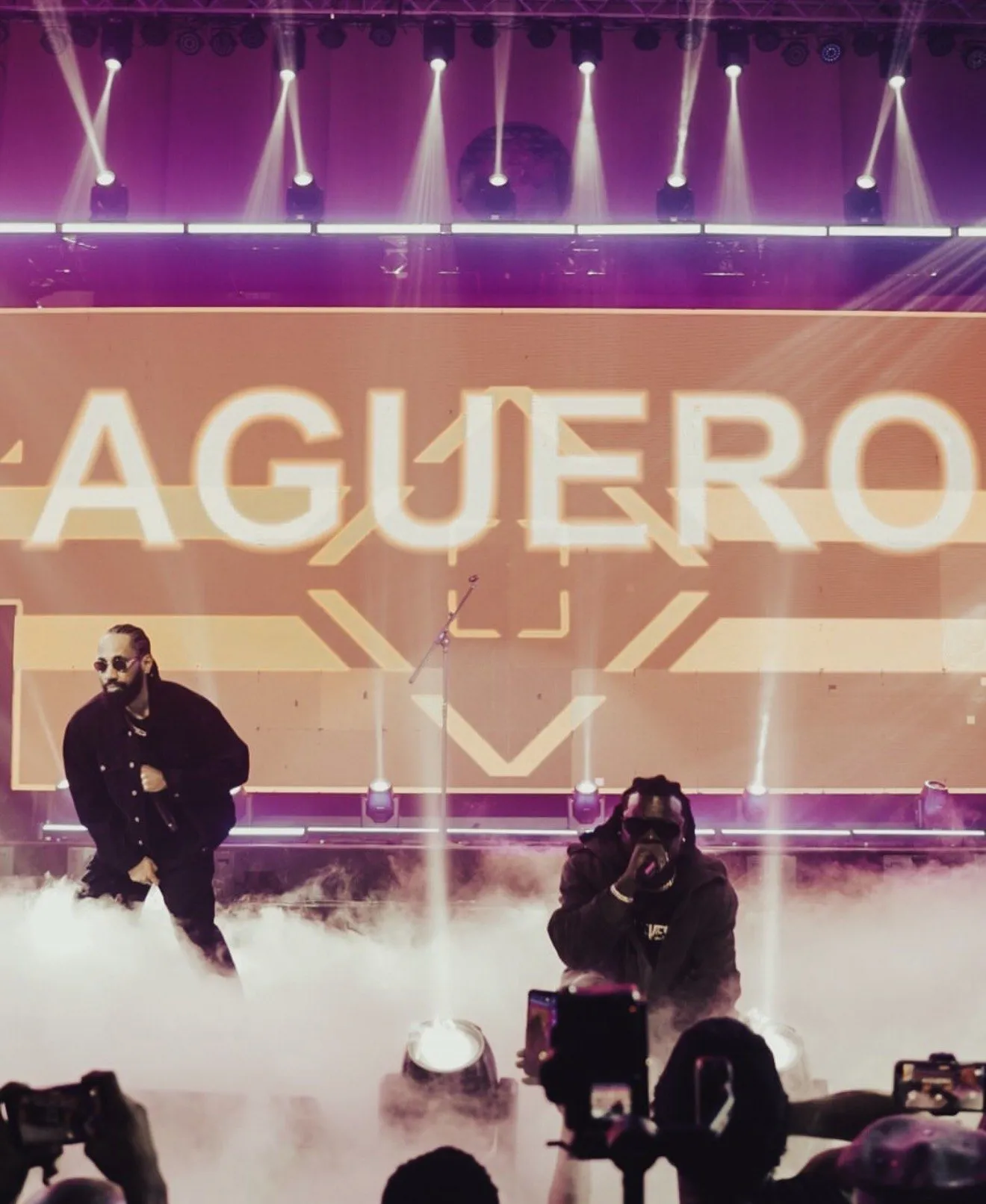
SSOUNDS delivered the audio, lighting, LED and effects for Phyno Live 2026: a concert built around a full width LED backdrop, rows of beams above and below the screen, and low fog across the stage.
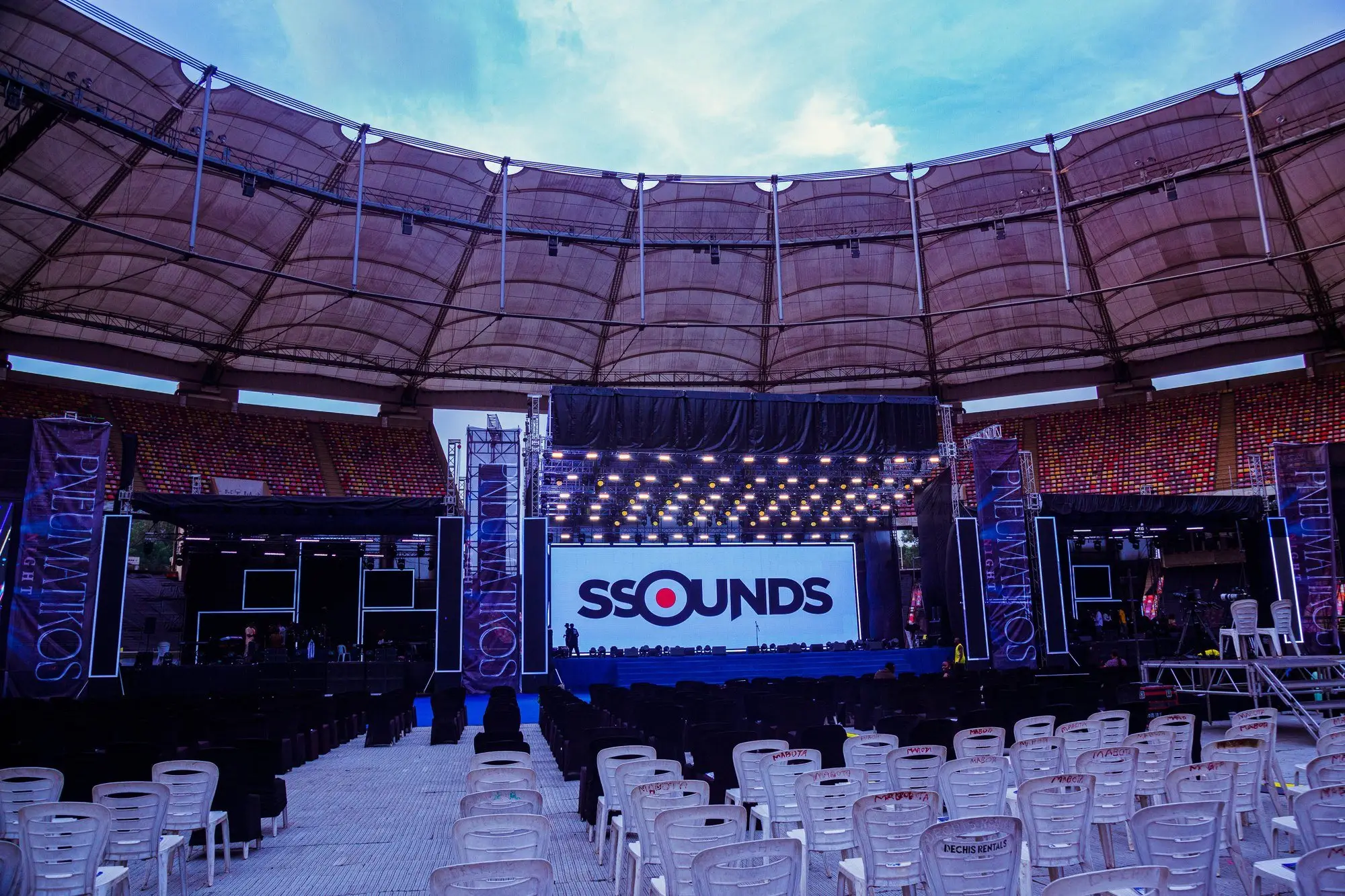
SSOUNDS delivered the audio, lighting, LED and staging for Pneumatikos 2025 at National Stadium, Abuja, as one team: a stadium worship gathering built in daylight and run through the night, with the SSOUNDS mark on the LED wall.
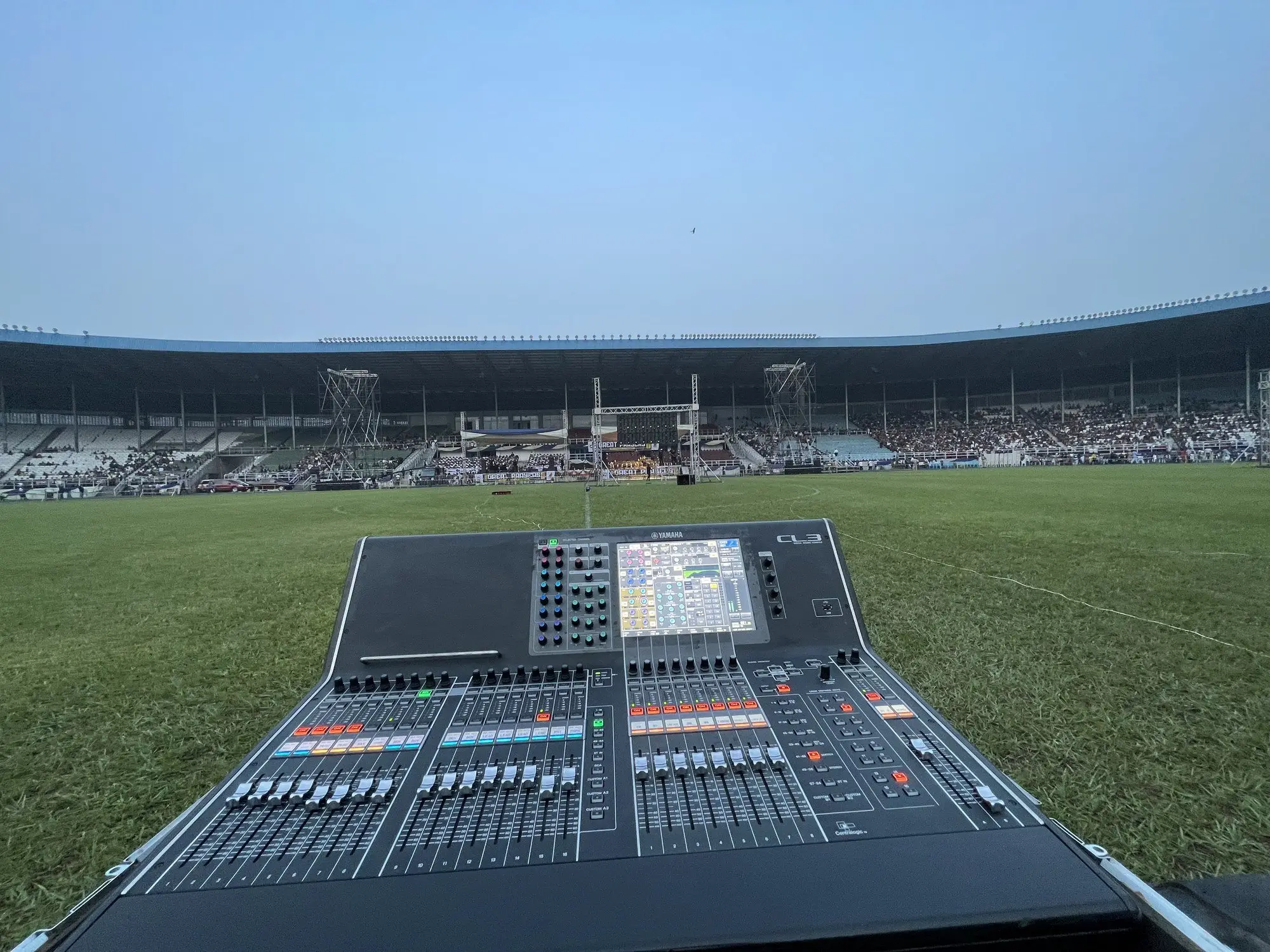
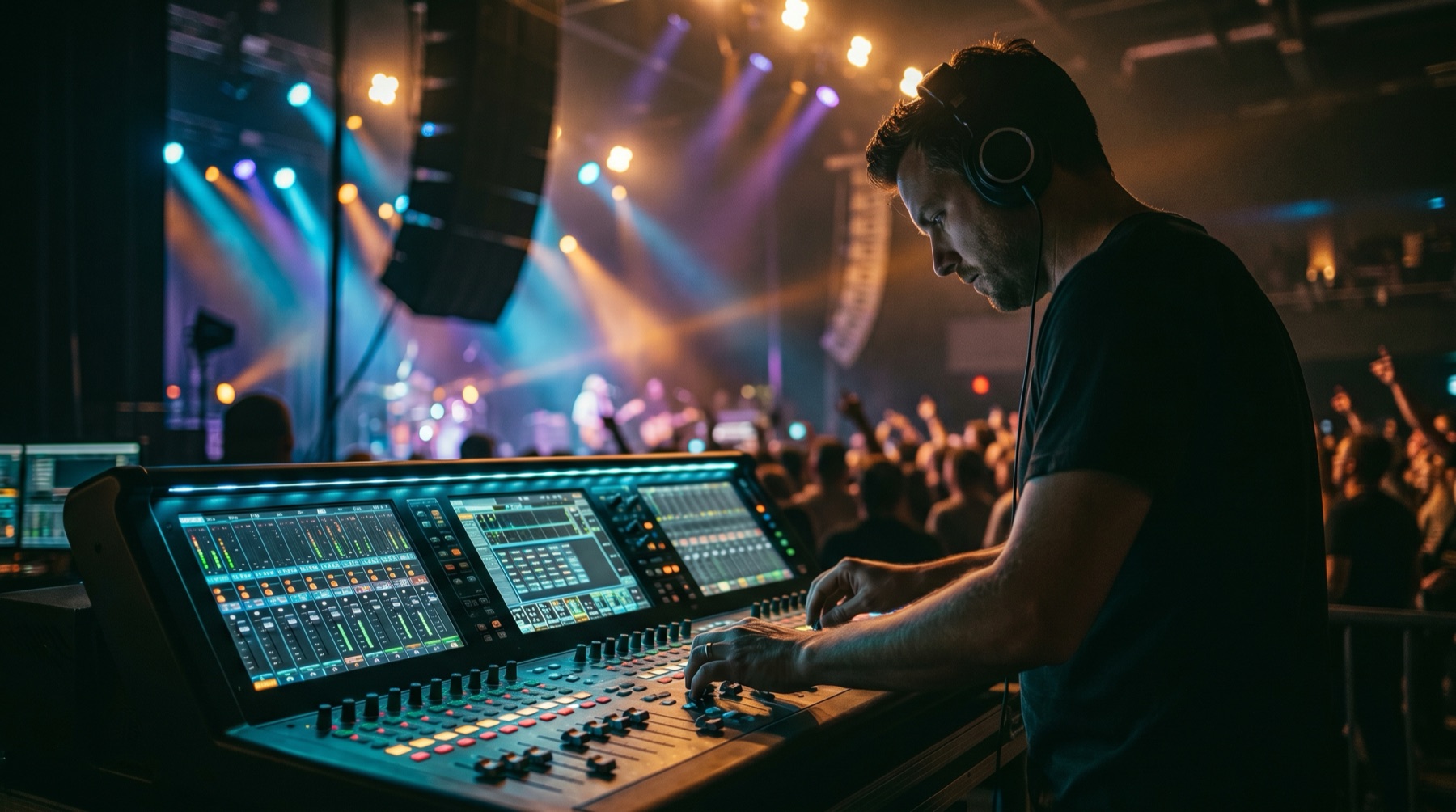
SSOUNDS has produced the Redeemed Christian Church of God Holy Ghost Rally with E. A. Adeboye at Liberation Stadium, Port Harcourt, for seven consecutive years: a main PA of 140 line array elements and 64 subwoofers, mixed from a Yamaha CL3 at front of house on the pitch.
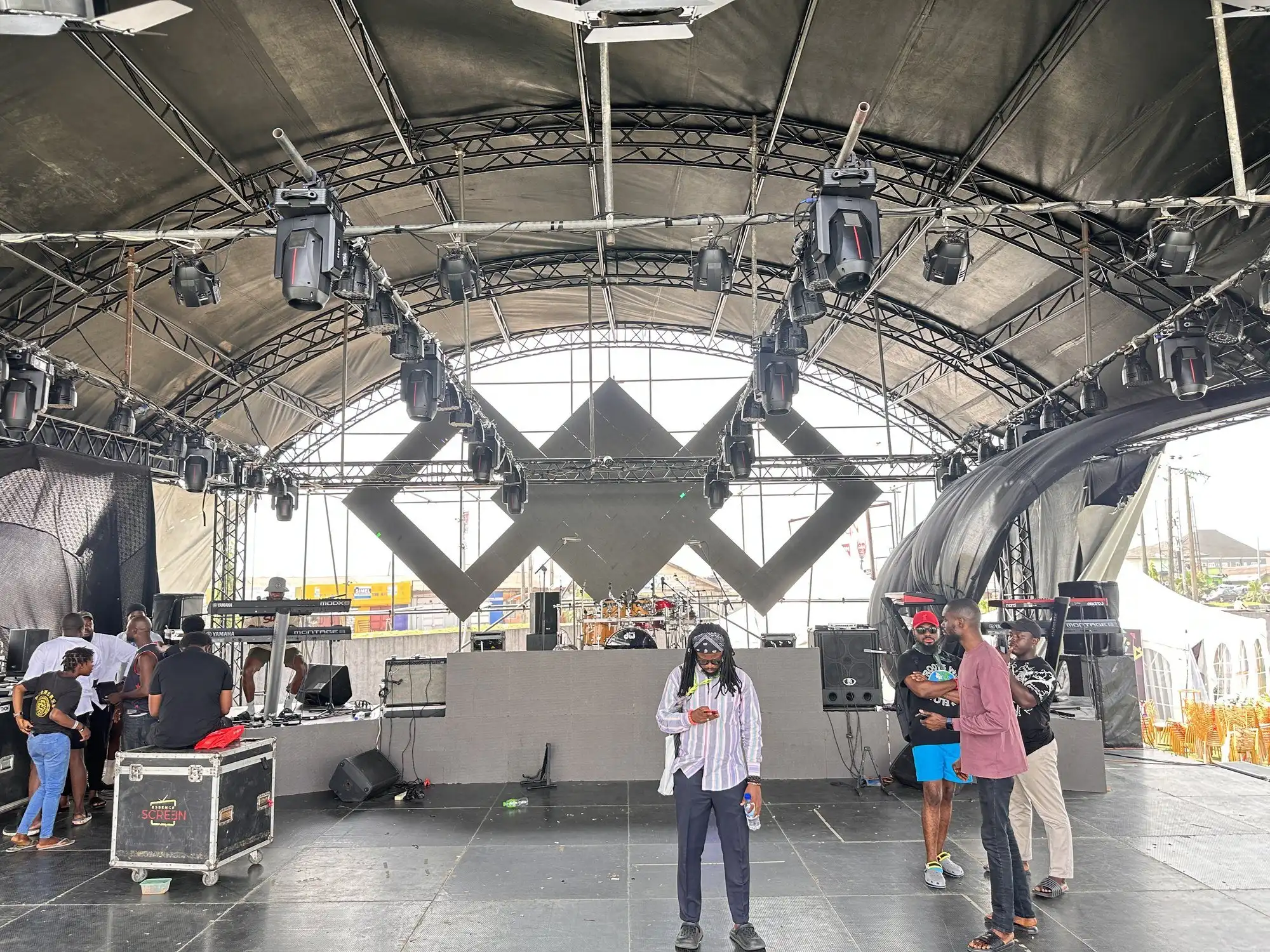
SSOUNDS delivered the audio, lighting and video production for Davido on the Timeless tour in Port Harcourt, Cameroon and Addis Ababa: an arched roof stage with a diamond LED, PA and screen towers, and a Yamaha Rivage PM3 at front of house.
SSOUNDS delivered the complete production for the Streams of Joy International Crossover Night in Abuja: audio, video, lighting and special effects, stage and trussing, and screens, for the service that carries the audience from one year into the next.
Sun, rain, dust and the hose at closing time: outdoor loudspeakers rated for it stay out all season instead of being carried in. What the IP ratings mean, why resorts run their grounds on a 100 volt line, and the SSOUNDS weatherproof loudspeakers and columns built for the job.
Boardrooms, meeting rooms, open floors and the town-hall space: every loudspeaker on one network cable from the switch the IT team already runs. How Power over Ethernet audio works in an office, and the SSOUNDS loudspeakers built for it.
Reverberant halls, long cable runs and no room for an amplifier rack: houses of worship are where network audio over PoE earns its place. Here is how it works, and the SSOUNDS columns and loudspeakers built for it.
Two days of hands-on time with the consoles and systems the industry runs on, at Novare Central in Abuja on 21 and 22 September 2026. Presented by CAPNET with SSOUNDS and JE Productions. Entry was free.
Two days of hands-on time with the consoles the industry runs on: DiGiCo, Yamaha, Allen & Heath, Lawo, Waves, Shure, Blackmagic Design, Steinberg and Clear-Com, with manufacturer reps on the floor.
Maximum SPL figures are useful for rough comparison but frequently misleading in detail. Here is what to look for before trusting the number.
The growth of purpose-built venues across West Africa is outpacing the engineering infrastructure needed to operate them well. That gap has a cost.
Impedance is the load the amplifier sees. Get it wrong and you either lose power or damage the output stage. Here is what the numbers mean in practice.
A 3 dB difference in sensitivity means you need twice the amplifier power to reach the same SPL. That number on the spec sheet has direct cost implications.
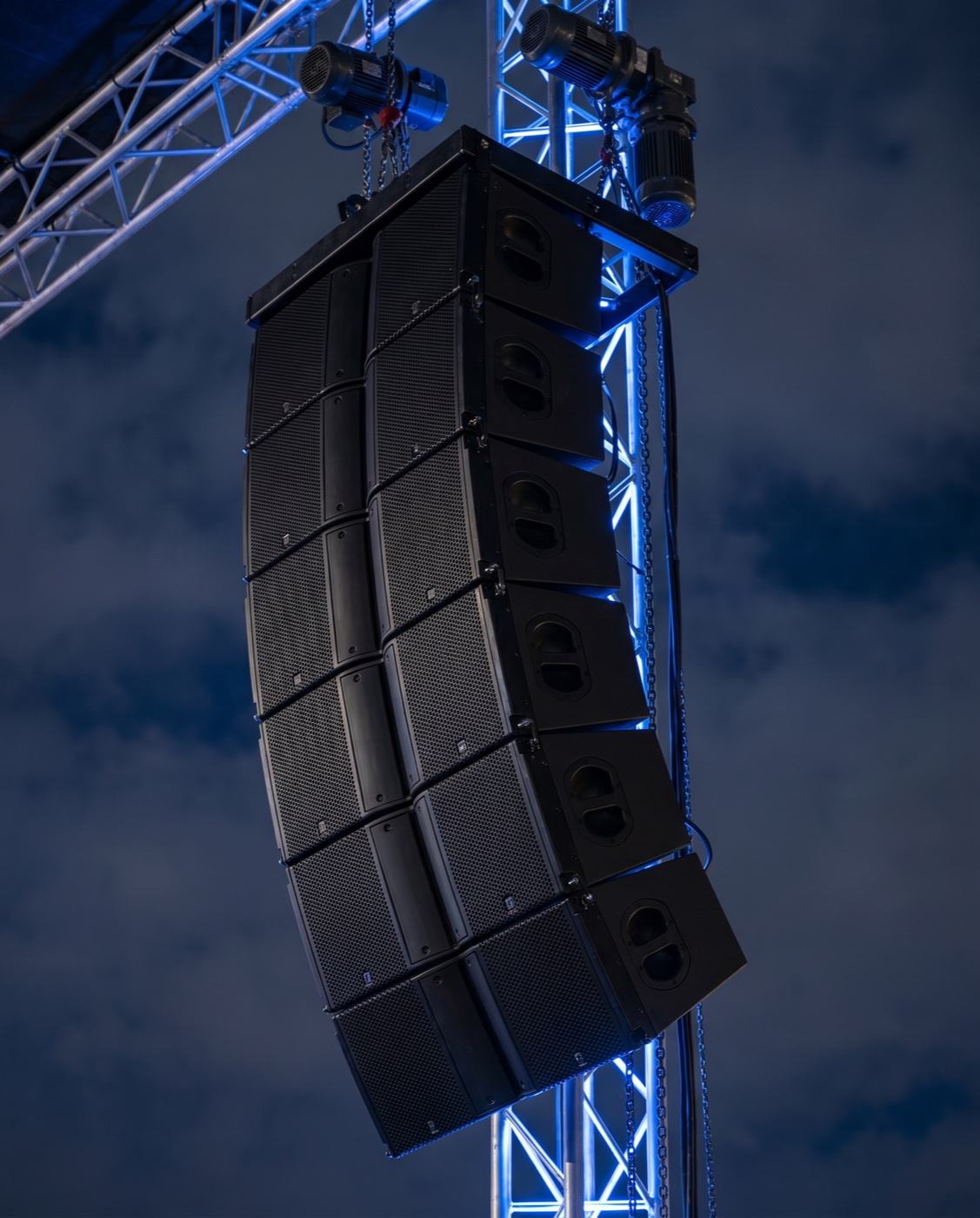
A point source loudspeaker radiates from a single acoustic centre, and level falls off at 6 dB for every doubling of distance as energy spreads across an ever-larger spherical surface. A line array assembles multiple drivers in a vertical column so they behave as a single coherent line source; in the near field, level falls at only 3 dB per doubling of distance because energy spreads across a cylindrical surface rather than a spherical one. This difference is significant over long throw distances. Beyond the level falloff advantage, line arrays provide vertical directional control through the coherent interference of their stacked drivers. A curved J-hang allows the system engineer to distribute vertical energy across the audience plane, concentrating output where it is needed and reducing energy aimed at the ceiling or floor. Line arrays are not universally superior. In small rooms the minimum throw distance means front rows can be in an uncontrolled coverage zone. Point source loudspeakers cover short distances well, deploy without specialist rigging, and cost less. The correct choice depends on venue geometry, throw distance, and budget.
Match your amplifier's continuous (RMS) power rating to the speaker's continuous power handling at the same impedance. A ratio of 1:1 to 1.5:1 amplifier-to-speaker is a safe working range, enough to reproduce transients cleanly without operating the amplifier at the edge of its linear range. The most common mistake is underpowering. When an amplifier runs out of power before the desired listening level is reached, it clips, the output waveform flattens, converting clean audio into a signal rich in high-frequency harmonics. Those harmonics pass through the crossover into the compression driver, which cannot absorb them as heat. Tweeters damaged by clipped amplifiers are almost always blamed on too much power but are almost always caused by too little. Impedance must match the amplifier's rated output. An amplifier rated at 500W into 8 ohms will typically deliver close to 1000W into 4 ohms, but only if rated to drive a 4-ohm load. Running an amplifier below its minimum impedance rating risks thermal damage to the output stage. Always check the minimum impedance specification before wiring multiple cabinets on a single channel.
Feedback occurs when a microphone picks up the amplified output of its own signal through a loudspeaker, and that loop gain exceeds 1, at which point the system oscillates. The primary controls are the microphone polar pattern, gain structure, and physical positioning. A cardioid microphone pointed away from the loudspeakers has the greatest rejection of their output. Lower console gain means less amplification in the loop. A microphone held closer to the source requires less gain, reducing all gains simultaneously. The relationship between microphone-to-source distance and gain before feedback is direct: halving the distance between the microphone and the vocalist's mouth reduces the required input gain by approximately 6 dB. That 6 dB allows 6 dB more headroom before the loop reaches oscillation. Performers who pull the microphone away from their face while singing are giving away this headroom unnecessarily. Physical positioning of loudspeakers relative to microphones is the most powerful feedback control. A main PA positioned in front of the microphones, aimed away from the stage, is fundamentally better than any configuration where loudspeakers are behind or beside open microphones. No amount of EQ corrects a geometrically bad speaker placement.
Stage monitors exist for one reason: performer confidence. But the tool you choose to deliver that confidence shapes the acoustics of the entire show.
Low-frequency sound is omnidirectional by nature. How you position your subwoofers is the single most powerful tool you have for shaping the reverberant field.
A DSP processor is not a magic box. Every parameter you set has a physical consequence. Understanding each processing block is the difference between a great-sounding system and a loud one.
The choice between a two-way and three-way loudspeaker system is rarely made with full understanding of what each driver is physically being asked to do, where the crossover points fall in the spectrum, and what happens in the transition between drivers when the engineering is not rigorous. This article examines the mechanics, the tradeoffs, and the conditions under which each architecture is the right answer.
A permanent AV upgrade across four ballrooms and twelve breakout rooms at Nigeria's most prestigious hotel, including distributed audio, LED displays and control systems.
SSOUNDS provided full audio production for the Koinonia Global Annual Convention, delivering clear, powerful sound to 30,000 worshippers across the main arena and overflow zones.
Full AVL production for the Enugu State Government's annual economic summit, covering a main plenary for 1,200 delegates and eight breakout conference rooms simultaneously.
Late-night system tuning before a big show.
Touring rig deployment across six West African cities.
Automatic feedback suppression has come a long way. How modern AI-driven systems like Alpha Sound AI detect and kill feedback before it builds.
A hands-on training day for church sound teams.
Hybrid events, distanced layouts, faster load-ins and resilient supply chains, the operational changes that outlasted the lockdowns.
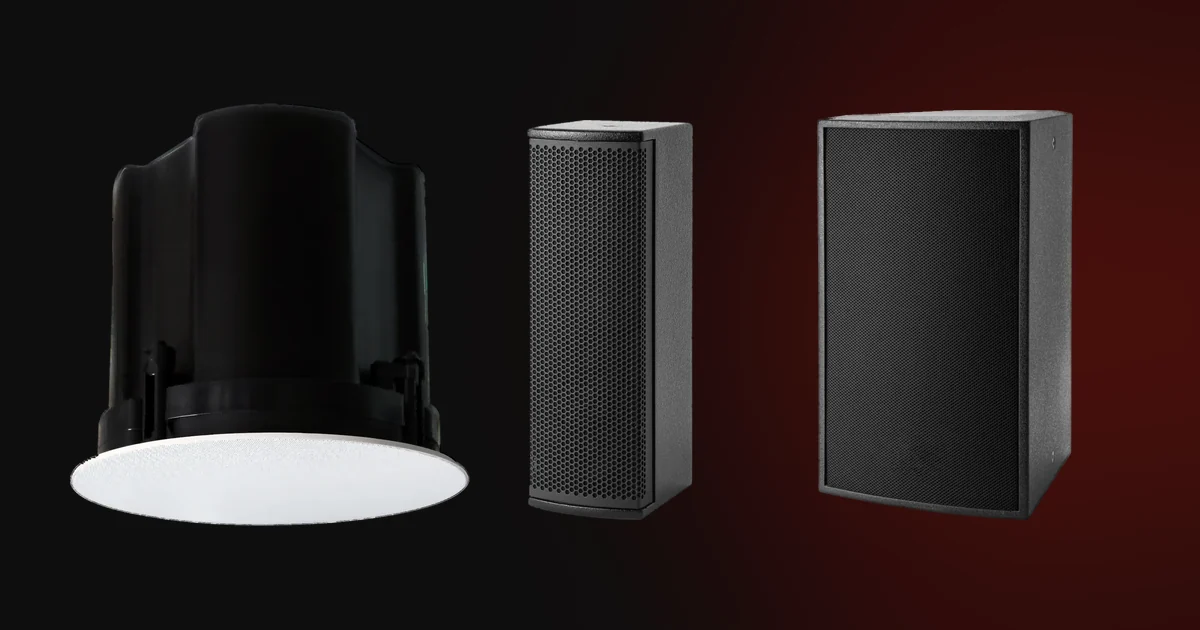
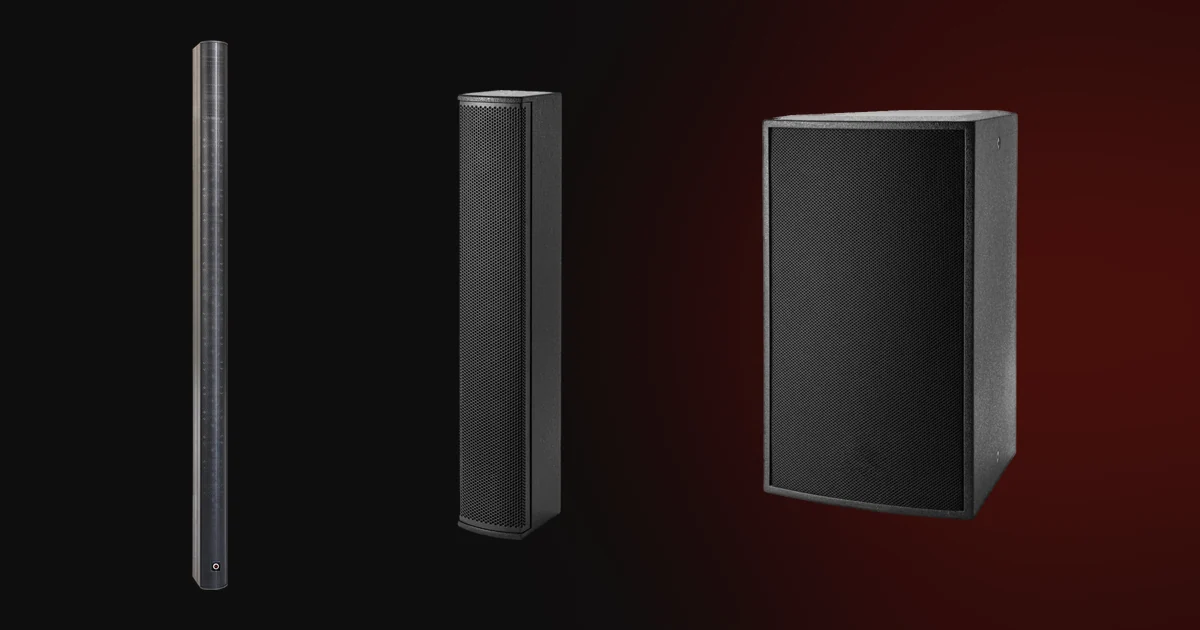
70/100V ceiling speakers, mixer-amps and column arrays.
From SuperRack and SoundGrid to the channel strips and reverbs FOH engineers reach for first, how plugins changed the live mix.
How machine learning is starting to reshape system design, coverage prediction and live mixing, and what it means for the next decade of live events.
It depends on room volume, seat count, reverberation and music style more than seat count alone. As a rough guide, a 200–500 seat sanctuary is well served by a compact line array or point-source pair plus a sub; 1,000+ seats usually needs a proper line array with cardioid subs. We do a free acoustic assessment to spec it precisely.
Why commercial installs use high-voltage lines.
A quick fact on cylindrical wave propagation.