How to Future-Proof Your AV Career for AI
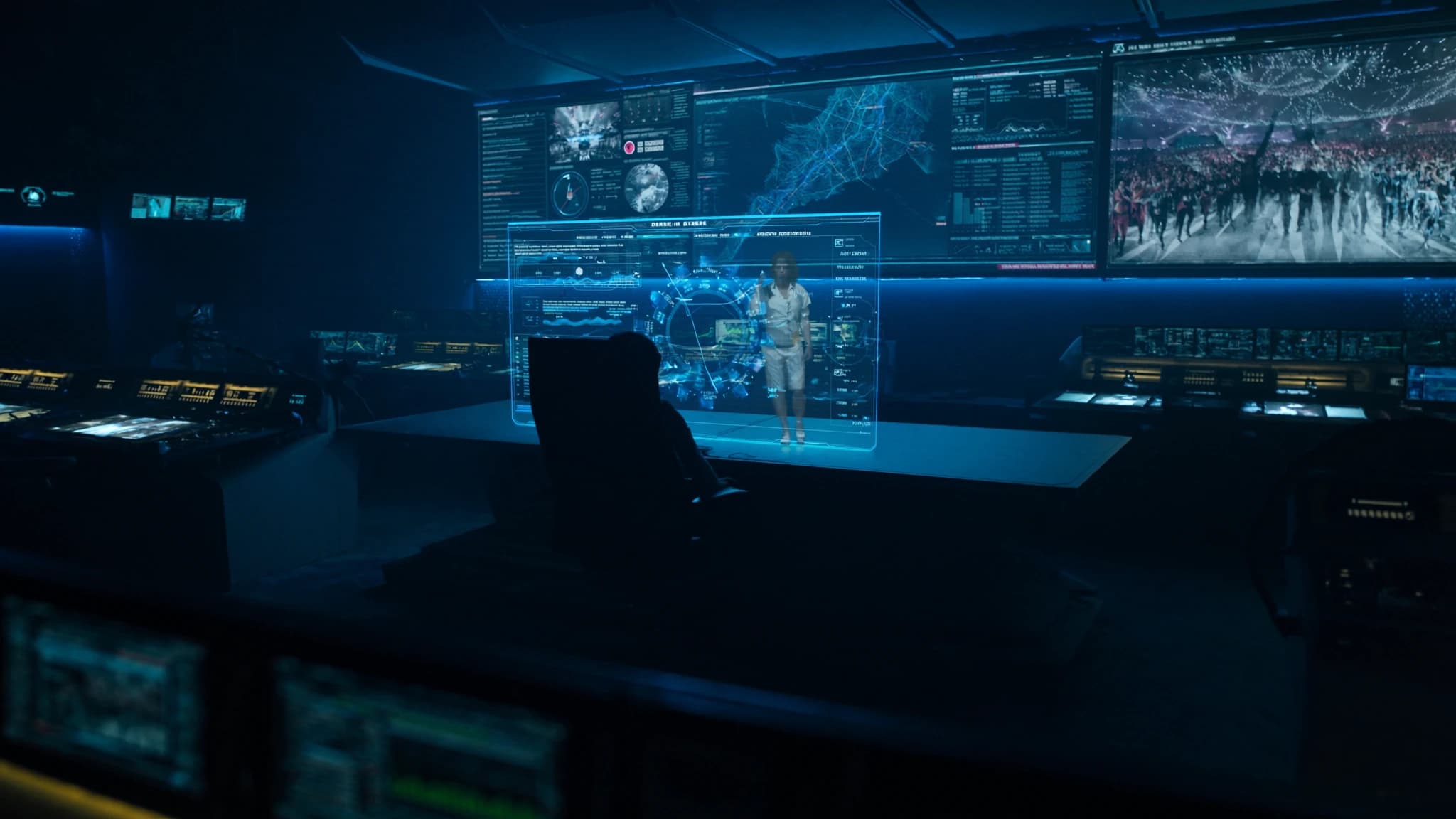
As artificial intelligence reshapes the audio-visual industry, many professionals worry about automation replacing their roles. The truth is that AI is a powerful tool that, when mastered, can elevate your value rather than diminish it. This guide offers practical strategies for AV professionals to future-proof their careers by focusing on skills that AI complements and areas where human expertise remains irreplaceable.
Key takeaways
- AI automates repetitive tasks but cannot replace human creativity, empathy, and critical thinking.
- Deepen irreplaceable skills like critical listening, client communication, and live problem-solving.
- Master AI tools to increase efficiency and become the go-to expert for AI-augmented workflows.
- Specialize in complex, high-stakes environments where human adaptability is essential.
- Commit to lifelong learning and networking to stay ahead of industry changes.
- Aim to become a hybrid professional who blends AV expertise with AI proficiency.
Understand What AI Does Best in AV
AI excels at repetitive, data-intensive tasks, think automated mixing, sound system optimization, and predictive maintenance. For example, AI-driven DSP can tune a PA system in seconds, and machine learning algorithms can analyze room acoustics to suggest optimal speaker placements. However, AI lacks the contextual understanding, creativity, and nuanced decision-making that human professionals bring.
Rather than fearing these capabilities, learn to leverage them. Use AI tools to handle time-consuming calibrations, freeing you to focus on creative sound design, client relationships, and complex problem-solving. The key is to see AI as an assistant, not a replacement.
Deepen Your Irreplaceable Human Skills
While AI can process data, it cannot replicate human intuition, empathy, or artistic judgment. Skills like critical listening, mixing for emotional impact, and understanding a client's vision are uniquely human. Invest time in ear training, music theory, and studying how different genres translate in live sound.
Communication and project management are equally vital. AI can generate reports, but it cannot negotiate with a venue manager, calm an anxious artist, or lead a crew under pressure. These soft skills become more valuable as technical tasks become automated.
Master AI Tools to Stay Competitive
The most future-proof AV professionals will be those who can operate AI tools fluently. Learn to use AI-based system design software, automated mixing plugins, and predictive analytics for equipment maintenance. For instance, SSOUNDS engineers use AI-assisted acoustic modeling to predict coverage patterns, allowing faster and more accurate system deployment.
Familiarize yourself with platforms like Audinate's Dante Domain Manager, which uses AI for network optimization, or Soundvision's automated prediction tools. Being the person who can set up, interpret, and troubleshoot AI-driven systems makes you indispensable.
Specialize in Complex, High-Stakes Environments
AI struggles with unpredictable, high-stakes scenarios like live broadcast, large-scale festivals, or immersive installations. These environments demand real-time adaptability, risk assessment, and creative problem-solving, all human strengths. Specializing in such areas, for example, designing audio for a multi-stage festival or a corporate event with multiple languages, ensures your skills remain in demand.
Additionally, focus on system integration and custom solutions. AI can suggest standard setups, but tailoring a system to a unique venue or artistic vision requires human expertise. SSOUNDS, for instance, often provides custom rigging and tuning for complex installations, a service AI cannot replicate.
Embrace Continuous Learning and Networking
The AV industry evolves rapidly, and AI accelerates that change. Commit to lifelong learning through certifications (e.g., CTS, Dante, or manufacturer training), online courses, and industry events. Follow thought leaders and manufacturers like SSOUNDS, who regularly publish technical insights and case studies.
Networking is equally crucial. Join professional organizations like AES or NSCA, attend trade shows, and participate in online forums. Human connections lead to opportunities that algorithms cannot generate. Being known as a reliable, knowledgeable professional is a career asset that AI cannot replicate.
Develop a Hybrid Role: The AI-Augmented AV Pro
The future belongs to professionals who combine technical AV expertise with AI proficiency. For example, you might use AI to generate initial system designs, then refine them based on your experience. Or, you could train AI models on your own mixing preferences to speed up your workflow.
Consider roles like 'AV Systems Designer' or 'Audio Data Analyst' that blend traditional skills with data science. By positioning yourself as a bridge between human artistry and machine efficiency, you become invaluable to any organization.
Frequently asked
Will AI replace live sound engineers?
AI will automate certain tasks like basic mixing and system tuning, but it cannot replace the creative and adaptive decision-making of a human engineer. The role will evolve to focus more on artistic direction, client interaction, and managing AI tools.
What AI tools should AV professionals learn?
Start with AI-assisted system design software (e.g., EASE Focus, Soundvision), automated mixing plugins (e.g., iZotope Neutron), and predictive maintenance platforms. Also explore AI for network optimization and acoustic modeling.
How can I stay relevant if I'm not technical?
Focus on soft skills like client management, project coordination, and creative direction. Even non-technical roles benefit from understanding AI's capabilities to better communicate with technical teams and clients.
Is it worth getting certified in AI for AV?
Yes, certifications in AI-related AV tools (e.g., Dante, AES67, or manufacturer-specific training) demonstrate your commitment to staying current. They also provide hands-on experience with the technology.
What industries will still need human AV professionals?
Live events, broadcast, immersive installations, and high-end corporate AV will continue to require human expertise due to their complexity and need for real-time adaptation. These sectors value creativity and reliability over automation.
Building or upgrading a system?
SSOUNDS engineers and manufactures professional PA worldwide, from a single room to stadium scale.