Will AI Replace Audio Engineers?
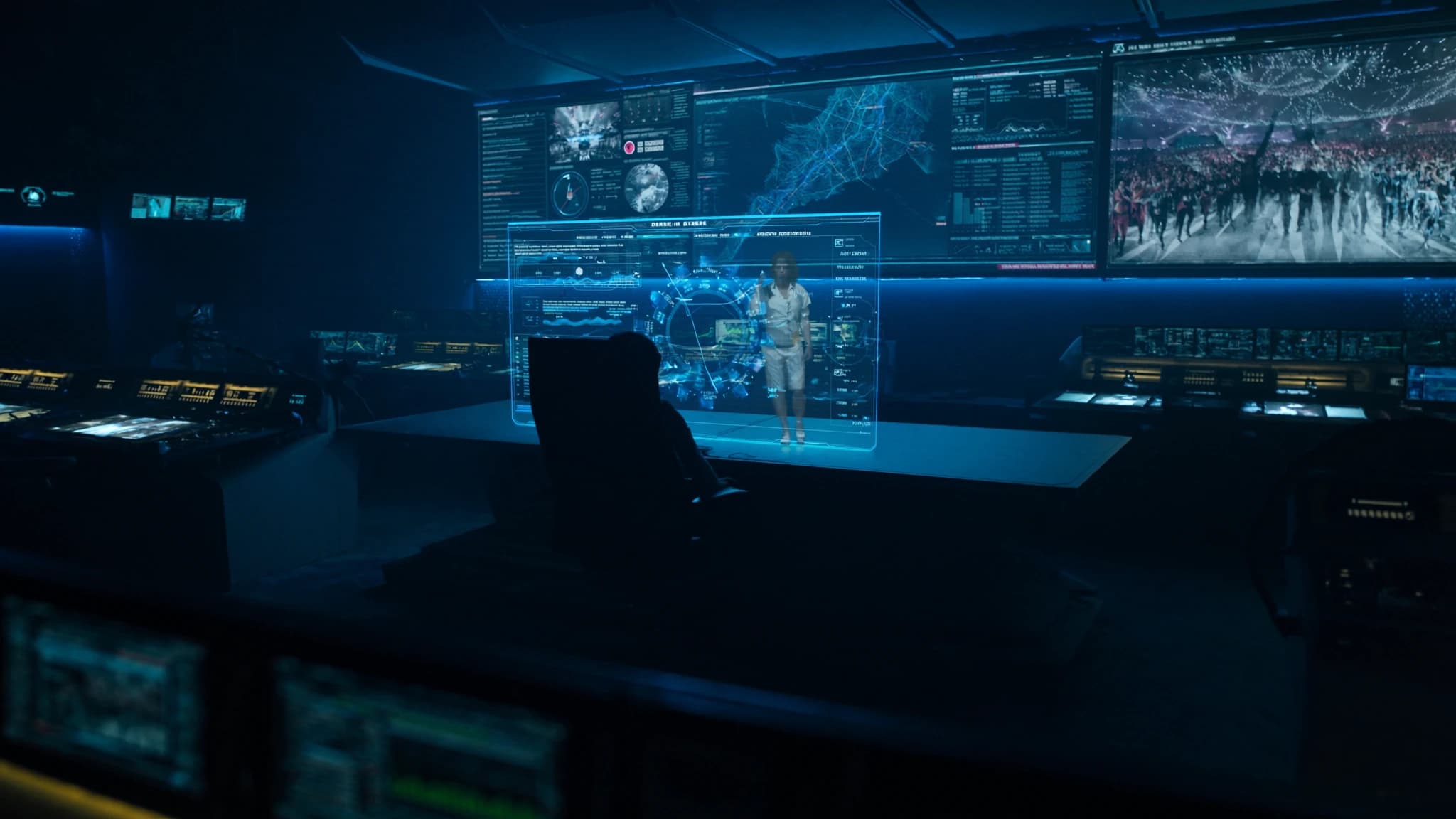
The rise of AI in audio engineering has sparked both excitement and anxiety. Will intelligent algorithms render human engineers obsolete? The short answer is no, but the role is undeniably evolving. AI excels at automating repetitive tasks and optimizing complex calculations, but it cannot replicate the creative intuition, critical listening, and client collaboration that define great audio engineering. This guide explores where AI fits in the workflow, what it means for your career, and how to thrive alongside it.
Key takeaways
- AI excels at repetitive, data-driven tasks like noise reduction, system optimization, and rough mixing, but lacks creative intuition and real-time problem-solving.
- Human engineers are irreplaceable for critical listening, client collaboration, and handling unpredictable live sound scenarios.
- The most successful engineers will adopt a hybrid workflow, using AI to automate drudgery while focusing on artistic and technical decisions.
- To thrive, develop skills AI cannot replicate: critical listening, communication, adaptability, and deep technical knowledge.
- AI will democratize entry-level audio work but increase demand for high-level expertise in live sound, creative mixing, and complex productions.
- The future of audio engineering is collaboration with AI, not replacement.
What AI Does Well in Audio
AI has made impressive strides in areas that are data-driven and rule-based. Tools like iZotope Ozone’s Master Assistant, LANDR, and various AI-powered mixing assistants can analyze audio, suggest EQ curves, set compression thresholds, and even master tracks in seconds. For live sound, AI can assist with system tuning: SSOUNDS engineers use machine learning to optimize DSP presets and predict coverage patterns, reducing manual measurement time.
AI also excels at noise reduction, source separation (e.g., extracting vocals from a mix), and automatic transcription. These capabilities save hours of tedious work, allowing engineers to focus on higher-level decisions. In post-production, AI can clean up dialogue, remove clicks and pops, and even sync audio to video automatically.
Where AI Falls Short
Despite its power, AI lacks genuine understanding of context, emotion, and artistic intent. A machine can suggest a mix that is technically balanced, but it cannot feel the emotional arc of a song or know that a slightly distorted vocal adds character. In live sound, AI cannot read a room’s vibe or anticipate a performer’s spontaneous change in dynamics.
AI also struggles with novel problems. If a microphone fails mid-show or a feedback loop emerges in an unexpected frequency, a human engineer must diagnose and solve it in real time. AI models are trained on historical data and cannot adapt to unique, unpredictable scenarios. Furthermore, client relationships, understanding a musician’s vision, managing egos, and communicating technical concepts to non-engineers, are inherently human skills.
The Hybrid Workflow: AI as a Tool, Not a Replacement
The most successful audio engineers will treat AI as a powerful assistant, not a competitor. For example, an engineer might use AI to quickly generate a rough mix or master, then spend time refining the details by ear. In live sound, AI can handle system optimization and monitoring, freeing the engineer to focus on the mix and audience experience.
At SSOUNDS, we integrate AI into our design and simulation tools, but we always rely on human expertise for final tuning and deployment. Our engineers use AI to model coverage and predict performance, but they still make subjective decisions about tonal balance and system alignment. This hybrid approach delivers the best of both worlds: efficiency and artistry.
Skills to Thrive Alongside AI
To remain indispensable, audio engineers should focus on skills AI cannot replicate. Critical listening, the ability to hear subtle distortions, phase issues, or tonal imbalances, is a human superpower. Cultivate your ear by practicing on diverse material and in challenging acoustic environments.
Develop strong interpersonal and communication skills. Clients hire you for your taste, judgment, and ability to translate their vision into sound. Learn to collaborate with artists, producers, and event organizers. Also, stay technically curious: understand how AI tools work, their limitations, and how to override them when necessary. Finally, specialize in areas where human touch matters most, such as live sound mixing, immersive audio, or creative sound design.
AI in Live Sound: A Case Study
In live sound, AI is already used for automatic microphone mixing, feedback suppression, and room equalization. However, no AI can replace the experience of a seasoned engineer who knows how to handle a rowdy crowd, a temperamental monitor system, or a last-minute stage change. At festivals and tours, SSOUNDS systems are often tuned with AI-assisted software, but the final mix is always in human hands.
AI can also help with predictive maintenance, analyzing system data to warn of potential failures, but it cannot replace the engineer’s ability to troubleshoot on the fly. The human engineer remains the safety net and the creative force behind every great live performance.
The Future: Collaboration, Not Obsolescence
Rather than replacing engineers, AI will democratize certain aspects of audio production, making high-quality results accessible to beginners. This may increase competition at the entry level, but it also raises the bar for professionals. Engineers who embrace AI as a creative partner will produce better work faster and command higher rates.
The industry will continue to need skilled engineers for high-stakes projects, live concerts, film soundtracks, broadcast events, where perfection and artistry are non-negotiable. AI will handle the grunt work; engineers will handle the magic.
Frequently asked
Will AI replace live sound engineers?
Not entirely. AI can assist with system tuning, feedback suppression, and monitoring, but it cannot replace the human ability to read a room, adapt to unexpected changes, and make creative decisions in real time. Live sound engineers who embrace AI as a tool will remain essential.
Can AI master a song as well as a human?
AI can produce technically competent masters quickly, but it often lacks the nuanced understanding of genre, emotional impact, and dynamic range that a skilled human engineer brings. For commercial releases, human mastering is still preferred, though AI can be a useful starting point.
What audio engineering jobs are most at risk from AI?
Entry-level roles that involve repetitive tasks, like basic editing, noise reduction, or simple mixing, are most vulnerable. However, jobs requiring creative judgment, client interaction, and live problem-solving are much safer. Specializing in high-end live sound, immersive audio, or sound design can future-proof your career.
How can I learn to use AI in my audio workflow?
Start by experimenting with AI-powered plugins and software like iZotope Ozone, LANDR, or Adobe Podcast. Use them to generate rough mixes or masters, then refine by ear. For live sound, explore AI-assisted system tuning tools. The key is to understand what AI does well and where to override it.
Will AI make audio engineering less creative?
No, it can actually enhance creativity by freeing engineers from tedious tasks. With AI handling technical optimization, engineers have more time to experiment with sound design, arrangement, and artistic choices. The creative core of audio engineering remains firmly human.
Building or upgrading a system?
SSOUNDS engineers and manufactures professional PA worldwide, from a single room to stadium scale.