AI and the Future of Touring
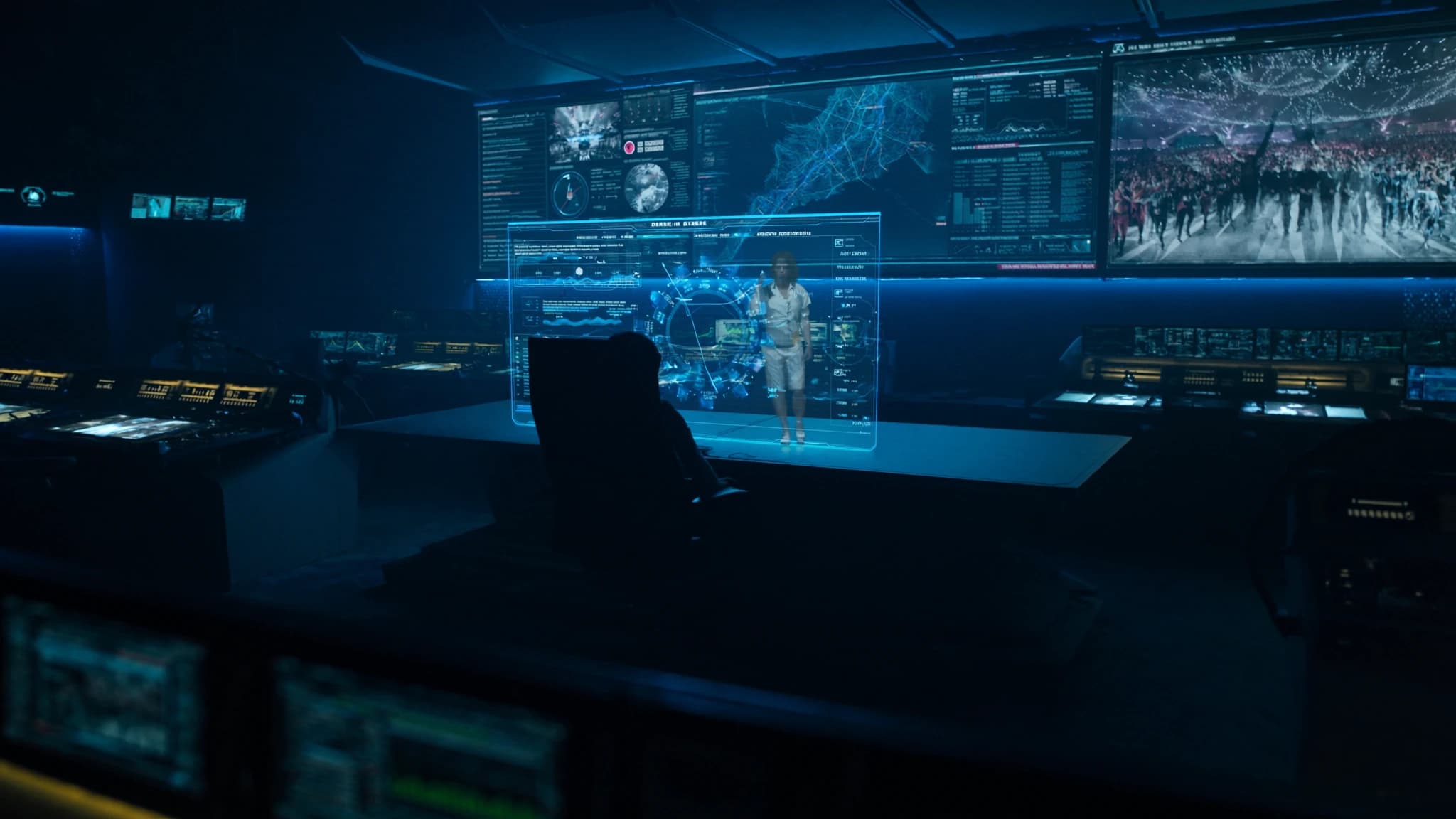
The touring industry is on the cusp of a transformation driven by artificial intelligence. From optimising truck packs to predicting system performance in unknown venues, AI promises to reshape every aspect of life on the road. But as SSOUNDS engineers know from years of deploying world-class PA systems across continents, the human touch remains irreplaceable, especially when the show must go on.
Key takeaways
- AI can optimise tour logistics, routing, truck packs, and scheduling, saving time and money.
- AI-assisted acoustic modelling speeds up system design and tuning, but can’t replace an engineer’s ears.
- AI in show control can automate lighting, video, and audio processing, but creativity remains human.
- AI improves crew communication and well-being, but human intuition and camaraderie are irreplaceable.
- The limits of AI include handling novel situations, emotional intelligence, and preserving the magic of live performance.
- SSOUNDS integrates AI as a tool to augment human expertise, not replace it.
AI in Logistics: Smarter Load-Ins and Load-Outs
One of the biggest headaches for any tour is logistics: how many trucks, which route, what gear goes where, and how to minimise downtime between shows. AI-driven route optimisation and load planning tools are already helping production managers reduce fuel costs and truck counts. Machine learning models can analyse historical data, venue dimensions, load-in times, local traffic patterns, to suggest the most efficient schedule.
For a PA manufacturer like SSOUNDS, AI can also predict which loudspeaker configurations will work best for a given venue based on past shows, acoustic simulations, and even weather data. This means fewer flown boxes, less wasted rigging time, and a faster system tune. The result: more time for soundchecks and less stress on the crew.
System Design and Prediction: AI-Assisted Acoustic Modelling
Modern line array design already relies on sophisticated prediction software, but AI takes it further. Instead of manual trial-and-error, AI algorithms can generate optimal array configurations, splay angles, subwoofer placement, delay fills, in seconds. SSOUNDS engineers use machine learning to refine DSP presets, ensuring consistent coverage and intelligibility across wildly different rooms.
Imagine a tool that learns from every show: it sees that a particular venue shape causes a 3 dB dip at 2 kHz, and automatically adjusts the EQ for the next night. That’s the promise of AI in system tuning. But the limits are clear: no algorithm can account for a last-minute stage extension, a crowd that packs the front rows, or a sudden change in humidity. The best AI is a co-pilot, not a replacement for an experienced FOH engineer.
Content and Show Control: AI in Lighting, Video, and Audio
AI is already generating lighting cues, triggering video content, and even mixing front-of-house audio in some contexts. For touring, this could mean automated show files that adapt to the night’s energy, a slower ballad gets a warmer lighting wash, a high-energy drop gets a flashier strobe pattern. AI-driven audio processing can also handle feedback suppression and dynamic EQ in real time, freeing the engineer to focus on the mix.
However, the creative soul of a live show resists full automation. A human engineer knows when to break the rules, when to push a vocal slightly too loud for emotional impact, or to let a guitar solo breathe without compression. SSOUNDS believes AI should handle the tedious, repetitive tasks so the crew can focus on artistry and connection.
Crew and Communication: AI as a Team Member
Touring crews are tight-knit, and communication is everything. AI-powered scheduling tools can manage call times, hotel bookings, and per diems, reducing the admin burden on tour managers. Language translation AI can help international crews collaborate seamlessly. Even health monitoring, tracking sleep, stress, and noise exposure, can be managed by wearable AI, helping prevent burnout and hearing loss.
But AI cannot replace the camaraderie of a post-show debrief or the intuition of a veteran rigger who spots a loose bolt before it becomes a problem. The road is unpredictable: a generator fails, a visa gets denied, a bus breaks down. AI can plan, but it can’t improvise. That’s where human experience wins.
The Limits of Automation: Why Humans Still Rule the Road
For all its promise, AI has blind spots. It lacks common sense, emotional intelligence, and the ability to handle truly novel situations. A venue might have a weird power distribution, a local promoter might change the schedule on a whim, or a thunderstorm might roll in mid-show. AI models trained on historical data can fail when the future doesn’t look like the past.
Moreover, touring is a human business. Artists trust their crew, and audiences feel the energy of a live performance. Over-automation risks sterilising that magic. SSOUNDS’ philosophy is to use AI as a powerful tool, for prediction, optimisation, and consistency, but always with a human in the loop. The best touring systems are those that augment human skill, not replace it.
The Road Ahead: AI and the Future of Touring with SSOUNDS
As AI continues to evolve, SSOUNDS is at the forefront of integrating it into our loudspeaker systems and workflow. We’re developing AI-assisted tuning presets that learn from venue data, predictive maintenance alerts that warn of component wear, and logistics tools that optimise every tour leg. But we never forget that the goal is a great show, and that requires human passion, creativity, and resilience.
The future of touring will be a partnership between man and machine. AI will handle the heavy lifting of data and repetition, while humans bring the artistry, adaptability, and heart. For SSOUNDS, that’s not just a vision, it’s how we design every system, from the line arrays to the subwoofers, to empower the people who make live music unforgettable.
Frequently asked
Will AI replace FOH engineers?
No. AI can assist with tuning, feedback suppression, and automation, but the creative decisions and adaptability of a human engineer are essential for a great live show.
How does AI help with loudspeaker system design?
AI algorithms can quickly generate optimal array configurations and DSP presets based on venue data, reducing setup time and improving coverage consistency.
Can AI predict equipment failures on tour?
Yes, predictive maintenance models can analyse usage patterns and sensor data to warn of potential failures before they happen, allowing proactive repairs.
Is AI used in SSOUNDS products?
SSOUNDS integrates AI in our acoustic modelling, DSP tuning, and logistics tools to help engineers deliver better sound faster, while keeping the human at the centre.
What are the risks of over-automation in live events?
Over-automation can lead to sterile performances, reduced flexibility, and vulnerability to unexpected situations. The human touch is critical for adapting to the unpredictable nature of live events.
Building or upgrading a system?
SSOUNDS engineers and manufactures professional PA worldwide, from a single room to stadium scale.