The Best AV Receivers for Home Cinema
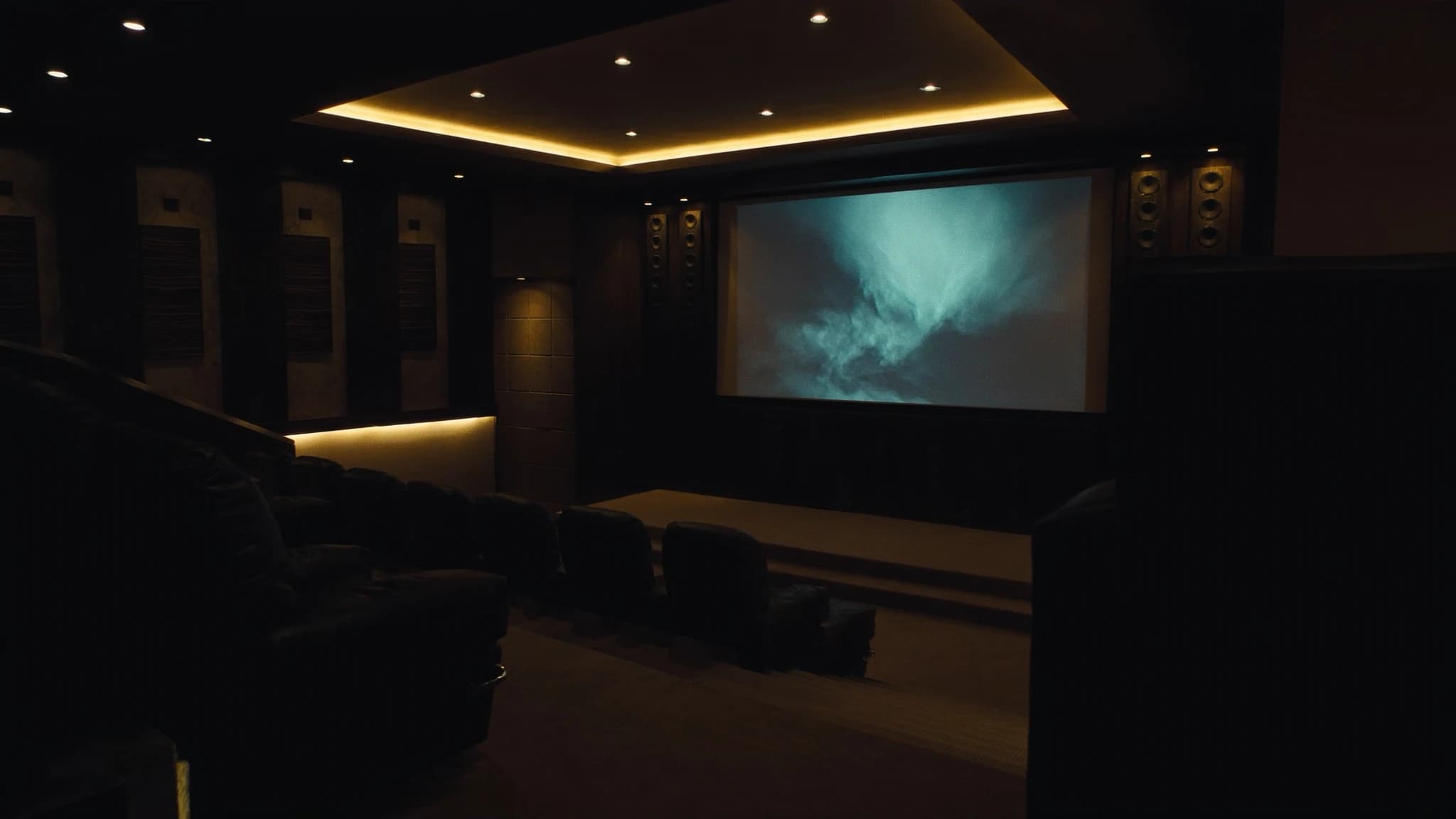
Choosing the best AV receiver for your home cinema is about balancing channels, immersive audio formats, HDMI 2.1 support, and room calibration. Whether you're building a 5.1.2 Atmos setup or a 9.2.4 powerhouse, the right AVR unlocks cinematic sound. Here’s how to match a receiver to your speakers and room, with top picks from Denon, Yamaha, Marantz, and Onkyo.
Key takeaways
- Choose channel count based on room size and speaker layout, 5.1.2 for small rooms, 7.1.4 or 9.1.4 for dedicated theatres.
- HDMI 2.1 is essential for 4K/120Hz gaming and eARC; ensure at least three inputs on your AVR.
- Room calibration (Audyssey, YPAO, Dirac) dramatically improves sound; Dirac is the most advanced, but Audyssey XT32 is excellent.
- Match receiver power to speaker sensitivity and impedance, 100W into 8 ohms is a good baseline for medium rooms.
- Denon, Marantz, Yamaha, and Onkyo all offer excellent options; the Denon AVR-X3800H is a top all-rounder.
- Proper ventilation, calibration, and crossover settings are key to getting the best performance.
Understanding Channels and Immersive Audio
AV receivers are defined by their channel count, 5.1, 7.1, 9.1, or more, which determines how many speakers you can connect. For Dolby Atmos and DTS:X, you need height channels: a 5.1.2 system has five ear-level speakers, one subwoofer, and two overheads. A 7.1.4 adds two rear surrounds and four heights. More channels create a more enveloping soundstage, but require more speakers and amplifier power.
When choosing, consider your room size and layout. A dedicated home theatre can benefit from 7.1.4 or 9.1.4, while a living room might max out at 5.1.2. Most modern AVRs support Dolby Atmos, DTS:X, and IMAX Enhanced, but check for upmixing modes like Dolby Surround or DTS Neural:X to expand stereo or 5.1 content into your full speaker array.
HDMI 2.1: Future-Proofing for Gaming and 8K
HDMI 2.1 is essential for next-gen gaming consoles (PS5, Xbox Series X) and 8K sources. It supports 4K/120Hz, 8K/60Hz, Variable Refresh Rate (VRR), Auto Low Latency Mode (ALLM), and eARC. Without it, you lose high-frame-rate gaming and advanced audio return channel capabilities. All major brands now include HDMI 2.1 on mid-range and higher models, but verify the number of inputs, some budget units have only one.
For a future-proof setup, look for at least three HDMI 2.1 inputs. Denon’s AVR-X series, Yamaha’s RX-A series, Marantz’s Cinema series, and Onkyo’s TX-RZ series all offer full HDMI 2.1 support. Note that early implementations had bandwidth issues, but 2023+ models are fully compliant.
Room Calibration: Audyssey, YPAO, and Dirac Live
Room calibration is the secret to great sound. It measures your speakers and room acoustics, then applies EQ to correct for reflections, bass nulls, and frequency imbalances. Denon and Marantz use Audyssey MultEQ (XT32 on higher models), Yamaha uses YPAO (with R.S.C. and 3D on premium units), and Onkyo/Integra offer Dirac Live on select models.
Dirac Live is widely considered the most advanced, offering full-bandwidth correction and optional bass management. Audyssey MultEQ XT32 is excellent for most rooms, while YPAO’s 3D version optimises for Yamaha’s proprietary sound field processing. For critical listening, a calibration microphone and app-based manual adjustment (like Audyssey MultEQ Editor) can fine-tune results.
Power Ratings: Matching Receiver to Speakers
Power output is measured in watts per channel (WPC) into 8 ohms, with two channels driven. A 100W receiver can drive most bookshelf speakers to reference levels in a medium room, but floor-standing speakers with low sensitivity (under 88dB) may need 150W or more. Don’t be fooled by high wattage into 6 or 4 ohms, check 8-ohm ratings for real-world performance.
Impedance matching matters: if your speakers dip to 4 ohms, ensure the receiver is rated for 4-ohm operation (most Denon, Marantz, and Onkyo models are; some Yamaha units may limit power). Also consider dynamic power, short bursts for transients, which is often higher than continuous rating. A receiver with a robust power supply (like a toroidal transformer) will drive demanding loads more cleanly.
Top Picks by Category
**Best Overall: Denon AVR-X3800H**, 9.4 channels, Audyssey MultEQ XT32, full HDMI 2.1, Dirac Live upgrade option. Excellent balance of features and price. **Best for Music: Marantz Cinema 40**, 9.4 channels, HDAM preamp, Audyssey MultEQ XT32, warmer sound signature. Ideal for hybrid systems. **Best for Gaming: Yamaha RX-A6A**, 9.2 channels, YPAO R.S.C. with 3D, HDMI 2.1, and advanced gaming features like VRR and ALLM. **Best Value: Onkyo TX-RZ50**, 9.2 channels, Dirac Live included, THX Select, and robust power. A budget-friendly powerhouse.
For a 5.1.2 setup, the Denon AVR-S970H or Yamaha RX-V6A are solid choices. For a 7.1.4 or 9.1.4 system, step up to the Denon AVR-X4800H or Marantz Cinema 50. Always match the receiver’s channel count to your planned speaker layout, buying extra channels you won’t use is wasteful.
Installation and Setup Tips
Place the receiver in a well-ventilated area. AVRs generate heat, especially when driving many channels. Use a calibration microphone at ear level in your primary listening position, and run the room correction software. For Atmos, ceiling speakers are ideal, but up-firing modules can work with reflective ceilings. Set speaker crossovers to 80Hz for most systems, and let the subwoofer handle bass.
Bi-amping or using pre-outs for external amplifiers can improve sound quality with demanding speakers. Many mid-range AVRs offer pre-outs for front left/right channels. Finally, update firmware to ensure HDMI 2.1 compatibility and access to new features like Dolby Atmos FlexConnect.
Frequently asked
Do I need a 9.2-channel receiver for a 5.1.2 system?
No, a 7.2-channel receiver is sufficient for 5.1.2. A 9.2-channel receiver would allow expansion to 5.1.4 or 7.1.2 in the future.
Can I use a receiver with 4-ohm speakers?
Yes, but check the receiver’s specifications. Most Denon, Marantz, and Onkyo models support 4-ohm loads; Yamaha may have limitations. Ensure the receiver can handle the lower impedance without overheating.
Is Dirac Live worth the extra cost?
For critical listeners and challenging rooms, yes. Dirac Live offers more precise correction and bass management than Audyssey or YPAO. If you have a dedicated theatre or acoustic issues, it’s a worthwhile upgrade.
What’s the difference between Denon and Marantz?
Marantz typically has a warmer, more musical sound signature, higher-quality components (HDAM), and a premium build. Denon offers similar features at a lower price point, with slightly more analytical sound. Both are owned by Sound United and share core technology.
How many HDMI 2.1 inputs do I need?
At least two if you have a PS5 and Xbox Series X, plus one for a streaming device or 8K source. Three or more is ideal for future-proofing.
Building or upgrading a system?
SSOUNDS engineers and manufactures professional PA worldwide, from a single room to stadium scale.