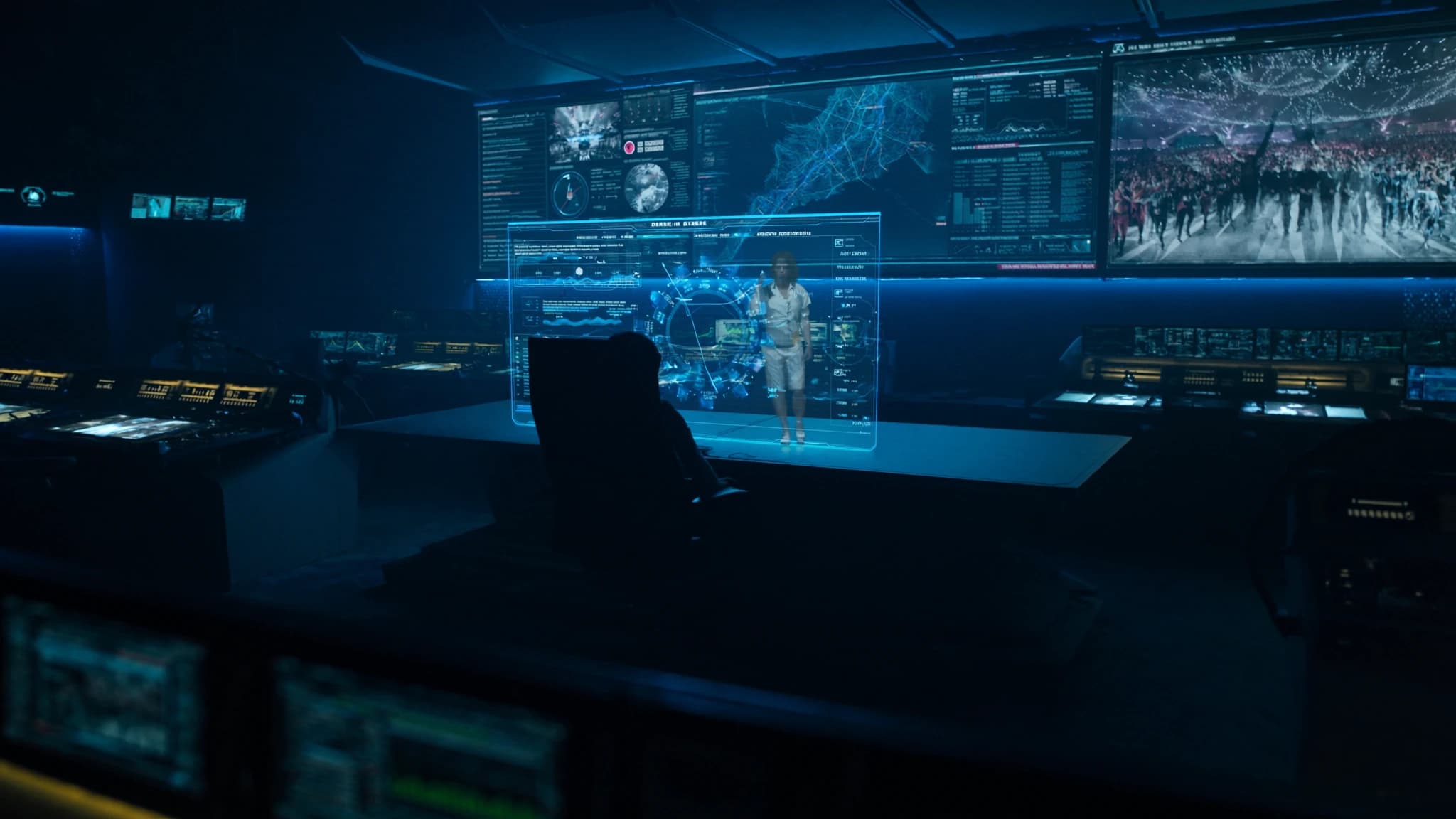
AI Energy Optimisation for Event Power

Managing power for large-scale events is a complex balancing act between generator fuel costs, battery storage, and renewable sources like solar. AI-driven energy optimisation now enables real-time load forecasting, intelligent switching between power sources, and significant reductions in fuel consumption and emissions — making sustainable live production a practical reality.
Key takeaways
- AI load forecasting uses historical and real-time data to predict power demand with high accuracy, enabling proactive energy management.
- Smart switching between generator, battery, and solar optimises efficiency, reduces fuel consumption, and lowers emissions by 30-50%.
- Integration with production workflows (lighting, audio, automation) allows energy systems to respond to show cues in real time.
- Battery banks and solar panels, managed by AI, reduce generator runtime and enable cleaner, quieter event power.
- Future developments point toward autonomous, net-zero energy systems for live events, supported by efficient audio equipment design.
The Challenge of Hybrid Power at Events
Modern events — from festivals to corporate productions — increasingly rely on hybrid power systems that combine diesel generators, battery banks, and solar panels. While this mix offers flexibility and potential sustainability benefits, it introduces complexity: generators are inefficient at low loads, batteries have limited capacity, and solar output is variable. Without intelligent management, operators often run generators continuously or oversize them, wasting fuel and increasing emissions.
Traditional power management relies on manual load scheduling and fixed thresholds, which cannot adapt to real-time changes in demand or renewable generation. This leads to either underutilisation of clean sources or risk of brownouts. The industry needs a smarter approach that can predict, optimise, and automate power distribution.
How AI Load Forecasting Works
AI energy optimisation begins with load forecasting. Machine learning models analyse historical power consumption data from similar events, combined with real-time inputs such as stage schedules, lighting cues, audio system demands, and weather forecasts. These models predict power draw with high accuracy, often 15 to 60 minutes ahead.
For example, an AI system can anticipate the power spike during a headline act's entrance, or the reduced load during set changes. This foresight allows the energy management system to pre-charge batteries during low-demand periods and schedule generator runtimes for optimal efficiency. SSOUNDS engineers integrate such predictive algorithms into their power distribution designs, ensuring that audio systems — often the largest variable load — are factored into the optimisation model.
Smart Switching: Generator, Battery, Solar
With accurate load forecasts, AI can dynamically switch between power sources or blend them. During peak demand, the system might draw from both generator and battery; during low demand, it can run solely on battery or solar. Smart switching also enables generators to operate at their most efficient load (typically 70-80% capacity), reducing fuel consumption and wear.
Battery banks act as a buffer, absorbing excess solar generation and smoothing out load spikes. AI algorithms decide when to charge batteries from solar or generator, and when to discharge. For instance, if the forecast shows a sunny afternoon but a heavy evening load, the system will store solar energy in batteries rather than feeding it directly to loads. This reduces generator runtime by hours each day.
Fuel and Emissions Reduction in Practice
Real-world deployments of AI-optimised hybrid power have demonstrated fuel savings of 30-50% compared to conventional generator-only setups. By running generators only at optimal loads and for shorter durations, emissions of CO2, NOx, and particulates drop proportionally. For a three-day festival with a 500 kVA load, this can translate to tonnes of CO2 saved.
Additionally, AI systems can monitor generator health and predict maintenance needs, preventing unexpected failures and reducing downtime. The same data feeds into sustainability reporting, helping event organisers meet green credentials and regulatory requirements. SSOUNDS supports these initiatives by designing PA systems with efficient power consumption profiles that integrate seamlessly with intelligent power management.
Integration with Event Production Workflows
AI energy optimisation is not a standalone system — it must integrate with the event's overall production network. Modern power management platforms communicate via protocols like Modbus, CAN bus, or cloud APIs, interfacing with lighting consoles, audio DSPs, and stage automation. This allows the energy system to receive cues directly from the show timeline.
For example, when the lighting console triggers a chase sequence, the power system can anticipate the load increase and switch sources accordingly. SSOUNDS' DSP-based loudspeaker systems can report real-time power consumption, enabling the AI to fine-tune its model. This level of integration ensures that energy optimisation does not compromise show quality.
The Future: Autonomous and Net-Zero Events
As AI models improve and battery costs decline, fully autonomous power management for events is within reach. Future systems will learn from each event, continuously refining their predictions. Combined with larger solar arrays and emerging hydrogen fuel cells, net-zero energy events become achievable.
SSOUNDS is committed to advancing sustainable live sound through efficient amplifier design and intelligent system control. By partnering with energy technology providers, we help event professionals reduce their carbon footprint without sacrificing audio performance. The era of AI-driven energy optimisation is here, and it is transforming how we power the world's biggest shows.
Frequently asked
Can AI energy optimisation work with existing generator and battery setups?
Yes, AI energy management systems are designed to retrofit onto existing hybrid power infrastructure. They use sensors and controllers to monitor and switch sources, requiring minimal hardware changes. Most systems communicate via standard protocols like Modbus or CAN bus.
How does AI handle unpredictable load changes, like a sudden sound system spike?
AI models are trained on thousands of load profiles and can react within seconds. They combine short-term forecasting with real-time feedback loops. For example, if a sudden spike occurs, the system can instantly draw from battery reserves while ramping up the generator if needed.
What fuel savings can I expect for a typical multi-day festival?
Typical savings range from 30% to 50% compared to generator-only operation, depending on solar availability and battery capacity. For a 500 kVA load over three days, this could mean saving 1,000-2,000 litres of diesel and reducing CO2 emissions by 2.5-5 tonnes.
Is AI energy optimisation compatible with SSOUNDS PA systems?
Absolutely. SSOUNDS loudspeaker systems feature efficient Class-D amplification and DSP that can report real-time power consumption. This data can be fed into an AI energy management platform to improve load forecasting. We also design our systems to operate reliably on variable power sources.
Do I need a constant internet connection for AI optimisation?
Not necessarily. Many systems can run locally on edge computing devices, with cloud connectivity used for model updates and remote monitoring. Local operation ensures low latency and resilience even in remote event locations.
Building or upgrading a system?
SSOUNDS engineers and manufactures professional PA worldwide — from a single room to stadium scale.