舞台およびセットデザインにおけるAI
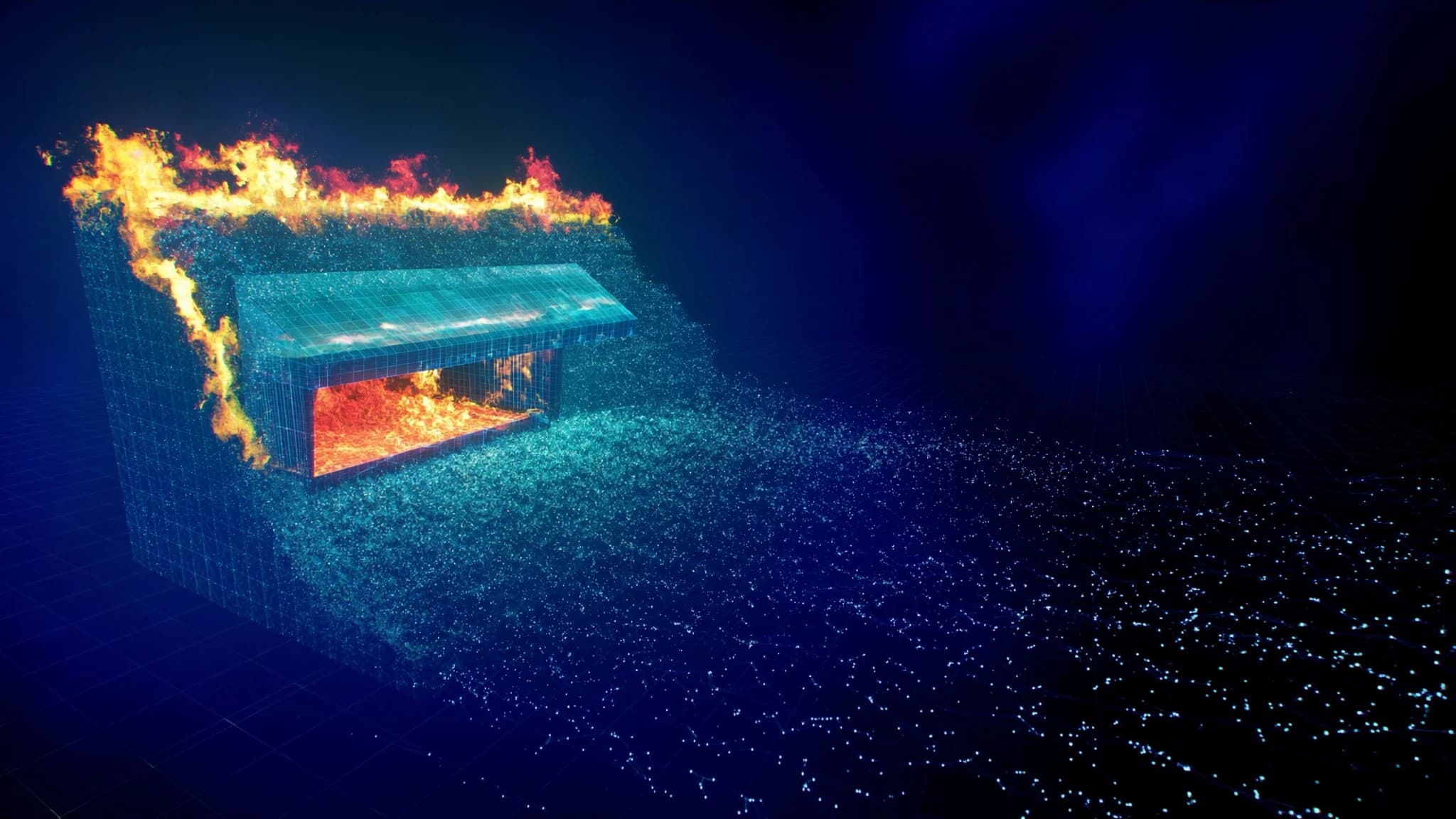
生成AIは舞台およびセットデザインを変革し、デザイナーがより迅速にコンセプトを探求し、3Dで可視化し、前例のない速度で反復することを可能にしています。SSOUNDSはこれらのツールを統合し、精密に設計された当社のPAシステムを補完することで、創造的ビジョンと音響性能がシームレスに一致することを保証します。
主なポイント
- 生成AIは、テキストプロンプトから多様な視覚的アイデアを生成することで、コンセプト作成を加速します。
- AI生成の3Dモデルは、音響シミュレーションと統合して全体的なプリビジュアライゼーションを実現できます。
- AIによる迅速な反復は、美学とサウンドパフォーマンスの両方のためにセットデザインを最適化するのに役立ちます。
- 実世界の応用は、フェスティバル、劇場、バーチャルプロダクションに及び、クリエイティブワークフローを強化します。
- AI支援設計において実用性と独創性を確保するには、人間の監督が依然として極めて重要です。
- SSOUNDSはAI駆動のデザインと精密エンジニアリングを組み合わせ、世界クラスのオーディオ体験を提供します。
生成AIがコンセプト開発を加速する方法
DALL·E、Midjourney、Stable Diffusionなどの生成AIツールにより、デザイナーは簡単なテキストプロンプトから幅広いビジュアルコンセプトを生成できます。舞台およびセットデザインでは、手作業のスケッチなしでテーマ、カラーパレット、構造形態、照明シナリオを迅速に探求できることを意味します。デザイナーは「浮遊するLEDパネルを備えた未来的なコンサートステージ」と入力するだけで、数秒で数十のユニークなバリエーションを受け取ることができます。
この速度は、複数の関係者がクリエイティブな方向性について合意する必要があるプロジェクトの初期段階で重要です。AI生成画像は共通の視覚言語として機能し、誤解を減らし、承認を加速します。SSOUNDSは、クライアントがこれらのビジュアルを使用して制作チームにビジョンを伝え、ラインアレイの配置などの音響設計が最初から考慮されることを保証する事例を見てきました。
3Dプリビジュアライゼーション:AIとCADおよび音響モデリングの融合
コンセプトが承認されると、AIはプリビジュアライゼーション用の3Dモデルとテクスチャの生成を支援できます。NVIDIA OmniverseやAIプラグインを備えたBlenderなどのツールは、2Dコンセプトアートを取り込み、大まかな3Dジオメトリを作成し、デザイナーがそれを洗練させます。これにより、インスピレーションと技術的実行の間のギャップが埋まります。
SSOUNDSにとって、プリビジュアライゼーションは当社の専門知識が輝く領域です。当社は音響シミュレーションソフトウェア(例:EASE Focus、Soundvision)を使用して、カバレッジ、SPL、遅延時間をモデル化します。AI生成のセットモデルを統合することで、ケーブルを1本も配線する前に、PAシステムがセット、反射、影、視線とどのように相互作用するかを予測できます。AIの創造性とエンジニアリングの精度のこの協働により、最終デザインが美しく、かつ音響的に完璧であることが保証されます。
迅速な設計反復と最適化
従来のセットデザインの反復には手作業の修正が伴い、時間とコストがかかります。AIは、ステージの高さ、ウィングの配置、トラス構成などの設計要素の複数のバリエーションを生成し、重量、予算、音響性能などの制約に対して評価することで、迅速な反復を可能にします。
機械学習モデルは、観客の視線とスピーカーカバレッジのために同時にレイアウトを最適化することもできます。たとえば、AIアルゴリズムは、視覚的な対称性を維持しながらキャンセレーションを最小限に抑えるサブウーファーアレイの最適な位置を提案できます。SSOUNDSはDSPプリセットで同様の最適化を採用していますが、今やデザイナーはそれをステージ環境全体に適用できます。
実世界の応用:フェスティバルから劇場まで
フェスティバルの設定では、AI生成のコンセプトにより、プロダクションデザイナーが異なるステージや景観に迅速に適応できます。劇場では、AIは時代考証に正確なセットピースや、ストーリーテリングを強化する抽象的な環境を生成できます。SSOUNDSは、当社のラインアレイが未来的なSFセットにどのように統合されるかを視覚化するためにAIを使用したデザイナーと協力し、スピーカーが後付けではなく美学の一部となることを保証しました。
この技術は、LEDウォールと没入型環境がセットデザインとオーディオの精密な調整を必要とするバーチャルプロダクションにも価値があります。AIは仮想空間で音がどのように振る舞うかをシミュレートし、デザイナーが最適な音響のために素材とジオメトリを微調整できるようにします。
課題とベストプラクティス
AIは驚異的な速度を提供しますが、慎重なプロンプトと人間の監督が必要です。デザイナーは、一般的または非現実的な出力を避けるために、明確な参照と制約でAIを導く必要があります。知的財産を考慮することも不可欠です。AI生成画像には著作権で保護されたスタイルが組み込まれている可能性があるため、独自の修正が推奨されます。
SSOUNDSは、設計プロセスの早い段階でAIを統合することを推奨しますが、常に実世界の音響データで検証することを推奨します。当社のチームは、あらゆるセットデザインに対して音響予測を提供し、AIに触発されたコンセプトが技術的に実現可能であることを保証できます。最良の結果は、パートナーシップから生まれます。アイデア出しにはAI、洗練には人間の専門知識、そして音響的卓越性にはSSOUNDSです。
未来:AI駆動のリアルタイム適応
今後、AIはパフォーマンス中のリアルタイムのセット適応を可能にし、観客のフィードバックやセンサーデータに基づいて照明、ビデオ、さらには音響パネルを調整する可能性があります。SSOUNDSは、セットが変化するにつれてPA設定を自動的に調整し、動的なショー全体で最適なサウンドを維持するために、当社のDSPシステムがAIとどのようにインターフェースできるかを探求しています。
生成デザインとインテリジェントオーディオのこの融合は、ライブ体験を再定義するでしょう。プレミアムPAメーカーとして、SSOUNDSはこれらのビジョンを現実にするツールと専門知識でデザイナーを支援することにコミットしています。
よくある質問
AIは人間のセットデザイナーに取って代わることができますか?
いいえ。AIはアイデア出しと反復を加速するツールですが、コンセプトを洗練させ、実用的かつ独創的であることを保証するには、人間の創造性、経験、技術的知識が不可欠です。
SSOUNDSはPA設計プロセスにAIをどのように統合していますか?
SSOUNDSはAI支援による音響モデリングと機械学習を用いて、DSPプリセットとカバレッジ予測を最適化しています。また、セットコンセプトに生成AIを使用するデザイナーとも協力し、当社のシステムがビジュアルデザインを補完することを保証しています。
AI駆動のセットデザインにはどのソフトウェアをお勧めしますか?
人気のツールには、コンセプトアート用のMidjourney、DALL·E、Stable Diffusion、3Dモデリング用のAIプラグインを備えたBlenderがあります。音響統合には、設計ソフトウェアと併せてEASE FocusやSoundvisionを使用してください。
AI生成のセットデザインは費用対効果が高いですか?
はい、手作業のスケッチと修正に費やす時間を削減することで、AIは設計コストを下げることができます。ただし、ソフトウェアとトレーニングへの投資は、プロジェクトの規模と比較検討する必要があります。
AI生成のセットがPAシステムと連携することをどのように確認すればよいですか?
セットモデルを早い段階でSSOUNDSに共有してください。当社のエンジニアが音響性能をシミュレーションし、最適なサウンドを実現するためにスピーカー配置やセット素材の調整を提案できます。
システムの構築やアップグレードをお考えですか?
SSOUNDSは、単一の部屋からスタジアム規模まで、プロ用PAを世界中で設計・製造しています。