AIショーオートメーションとキュー・トリガリング
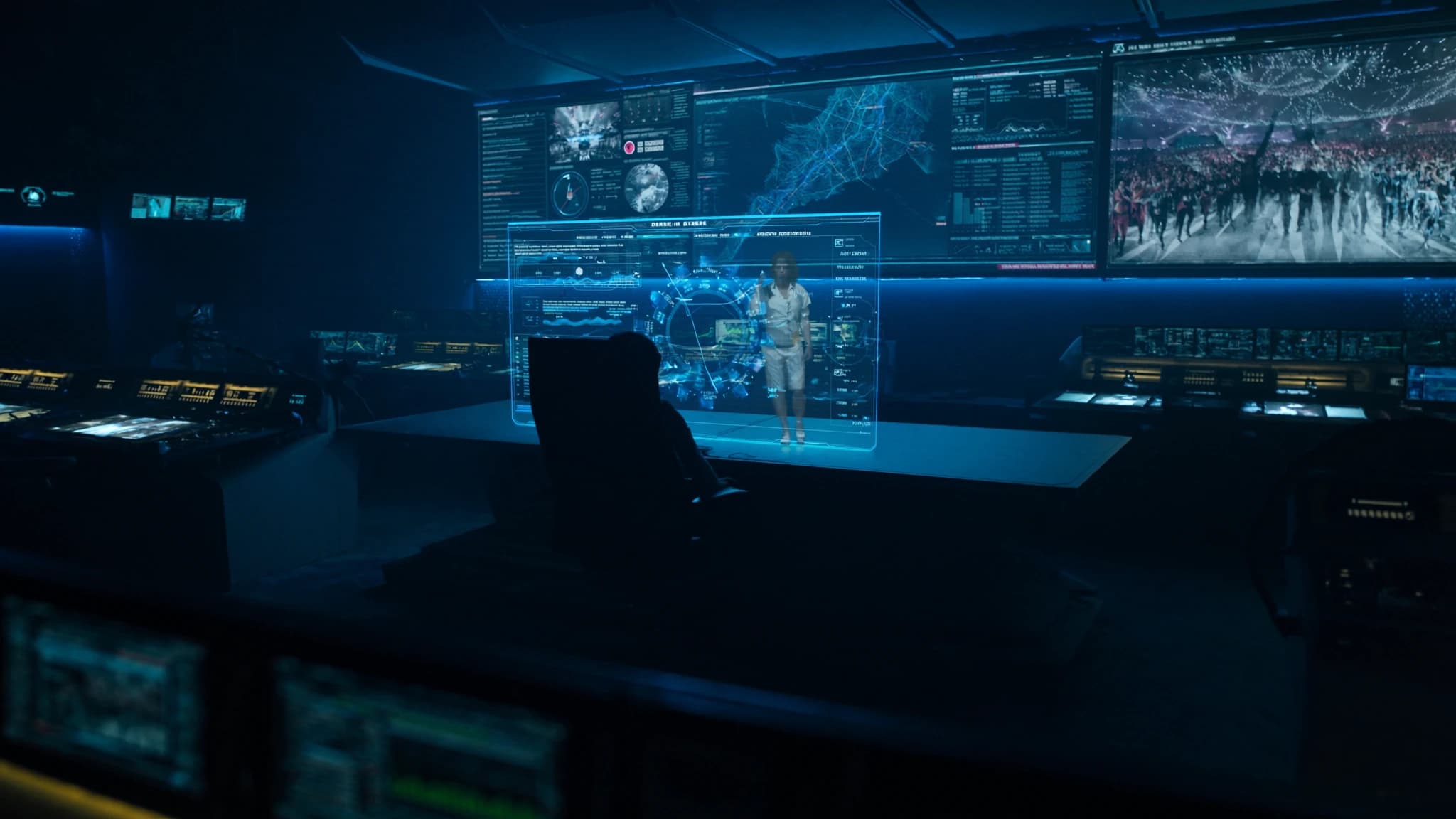
現代のライブプロダクションでは、AIとオートメーションの融合がショーコントロールを手動操作からインテリジェントで予測的なシステムへと変革しています。SSOUNDSは高度なオートメーション機能をPAエコシステムに統合し、シームレスなタイムコード同期、キュー・トリガリング、オーディオ・フォロー・ビデオのワークフローを実現して、オーディオ、照明、ビデオの各領域にわたる精度と再現性を高めます。
主なポイント
- AI駆動のショーオートメーションは、ライブプロダクションにおける精度、再現性、適応性を高めます。
- タイムコード同期はオーディオ、照明、ビデオを整列させるために不可欠であり、AIはドリフトとジッターを補正できます。
- インテリジェントなキュー・トリガリングは、非線形オートメーションのために条件付きロジック(例:オーディオレベル、ビデオコンテンツ)を使用します。
- オーディオ・フォロー・ビデオ(AFV)は、ビデオコンテンツのAI分析から恩恵を受け、オーディオパラメータをリアルタイムで調整します。
- 分野横断的な統一制御には、堅牢なネットワークとオープンプロトコルが必要です。SSOUNDSはOSC、Dante、GPIOをサポートしています。
- 機械学習は機器の故障を予測し、 high-stakes なショーでの信頼性を向上させます。
ショーコントロールの進化:手動からAI駆動へ
従来のショーコントロールは、人間のオペレーターが手動でキューをトリガーし、レベルを調整し、メディアを同期させることに依存しており、タイミングエラーや疲労が発生しやすいプロセスでした。デジタルコンソール、メディアサーバー、ネットワーク制御プロトコル(例:OSC、MIDI、SMPTEタイムコード)の台頭により、オートメーションが可能になりましたが、依然として広範なプログラミングが必要でした。今日、AIは適応型インテリジェンスをもたらします。システムは過去のショーから学習し、最適なキュー・ポイントを予測し、センサーデータや観客のフィードバックに基づいてリアルタイムで調整できます。
オーディオにとって、これはラウドスピーカープリセット、遅延時間、EQがシーンごとに自動的に呼び出され、AIアルゴリズムがマイクで測定された会場の音響に基づいてカバレッジを最適化できることを意味します。SSOUNDSのDSPプラットフォームは、タイムコードと制御信号を受け入れることでこれらのワークフローをサポートし、QLab、Medialon、またはカスタムAIスクリプトなどのショーコントロールシステムとのシームレスな統合を可能にします。
タイムコード同期:自動ショーのバックボーン
タイムコード(LTCまたはMTC)は、オーディオ、照明、ビデオ、エフェクトを整列させるマスタークロックを提供します。典型的なセットアップでは、タイムコードジェネレーターがネットワークに供給し、各サブシステム(オーディオコンソール、照明コンソール、メディアサーバー)がキューリストを同期して進めます。AIはタイムコードストリームを分析してドリフトやジッターを検出し、補正アルゴリズムを適用して tight な同期を維持することでこれを強化します。これは3Dオーディオやビデオマッピングなどの没入型体験にとって重要です。
SSOUNDSシステムはDante、AES67、または専用GPIO経由でタイムコードを受信でき、ラウドスピーカーアレイプリセット、サブウーファー遅延、またはモニターミックスの精密なトリガリングを可能にします。たとえば、ミュージカルのシーン変更では、オペレーターの介入なしに異なるPA構成(例:フロントフィル対ディレイタワー)を自動的に呼び出すことができます。
キュー・トリガリング:線形再生を超えたインテリジェント・オートメーション
キュー・トリガリングは伝統的に線形タイムラインに従いますが、AIは条件付きロジックを導入します。キューはオーディオレベルの閾値、ビデオコンテンツ分析、さらには観客のノイズによってトリガーできます。たとえば、ライブコンサートではAIを使用して拍手を検出し、ハウスライトのフェードやアンコールを自動的にトリガーできます。劇場では、AIがカメラフィードを介して俳優の位置を追跡し、それに応じてマイクルーティングや遅延時間を調整できます。
SSOUNDSの制御APIにより、外部システムはそのようなトリガーに基づいてコマンド(例:プリセットの呼び出し、チャンネルのミュート)を送信できます。これにより、オーディオ・フォロー・ビデオのような複雑なオートメーションが可能になります。ビデオクリップが再生されると、対応するオーディオトラックが正しいラウドスピーカーゾーンにルーティングされ、AIがビデオのダイナミックレンジに合わせてレベルを調整します。
オーディオ・フォロー・ビデオ(AFV)とクロスメディア・オートメーション
AFVは、ビデオコンテンツがオーディオルーティングを駆動するコーポレートイベント、放送、ライブシアターで一般的な要件です。AIはビデオコンテンツを分析し(例:シーン変化、台詞、音楽の検出)、EQ、コンプレッション、空間配置などのオーディオパラメータを自動調整することでAFVを向上させます。たとえば、複数の話者がいるドキュメンタリーでは、各声を異なる仮想音源に割り当て、AIが一貫したレベルと明瞭度を確保できます。
SSOUNDSのラインアレイおよびポイントソースシステムは、そのようなオートメーションと連携するように設計されています。DSPプリセットはビデオシーンごとに呼び出すことができ、システムのカバレッジはビデオの焦点(例:クローズアップ対ワイドショット)に合わせて動的に調整できます。この統合により手動ミキシングが削減され、一貫した観客体験が確保されます。
オーディオ、照明、ビデオにわたるインテリジェント・オートメーション
究極の目標は、AIがすべての分野を統括する統一されたショーコントロールです。たとえば、ライブコンサートではAIが音楽のテンポとダイナミクスを分析し、照明チェイス、ビデオエフェクト、さらにはPAサブウーファーパターンをリアルタイムでトリガーできます。SSOUNDSは、照明およびビデオコンソールがオーディオプリセットを直接呼び出せるネットワークベースの制御(例:OSC、Art-Net、sACN)を提供することで、このエコシステムに参加しています。
機械学習モデルは機器の故障を予測することもできます。アンプ温度、スピーカーインピーダンス、ネットワーク遅延を監視することで、AIは予防保守をスケジュールしたり、故障が発生する前にオーディオパスを再ルーティングしたりできます。この信頼性は、ダウンタイムが許されない high-stakes なプロダクションにとって極めて重要です。
SSOUNDSシステムによる実用的な実装
AI駆動のショーオートメーションを実装するには、オーディオと制御データの両方を伝送する堅牢なネットワークインフラストラクチャ(Dante、AES67、またはAVB)から始めます。SSOUNDSアンプとDSPユニットは、タイムコードとOSCコマンドを受け入れるように設定でき、一般的なショーコントロールソフトウェアとの統合を可能にします。高度なAIには、Max/MSP、Pure Data、またはセンサーデータを分析して制御信号を送信するカスタムPythonスクリプトなどのミドルウェアを使用します。
典型的なワークフロー:1)タイムライン(例:QLab)でキューを定義します。2)各キューにSSOUNDSプリセットを割り当てます(例:曲ごとに異なるEQ)。3)AIを使用してリハーサル録音を分析し、キュー・ポイントを微調整します。4)ショー中、AIは逸脱(例:遅い入場)を監視し、それに応じてタイミングやルーティングを調整します。SSOUNDSのサポートチームは、そのようなプロジェクトのAPI使用法とシステム設計に関するガイダンスを提供します。
よくある質問
SSOUNDSはどのタイムコード形式に対応していますか?
SSOUNDSシステムはLTC(アナログ)、MTC(MIDI)、およびDanteまたはAES67経由のネットワークベースのタイムコードに対応しています。当社のDSPはこれらのいずれにも同期するよう設定でき、精密なキュー・トリガリングを可能にします。
SSOUNDSは自動ショーコントロールのために照明コンソールと統合できますか?
はい、OSC、Art-Net、またはsACNプロトコル経由で可能です。照明コンソールからコマンドを送信してSSOUNDSプリセットの呼び出し、レベルの調整、ゾーンのミュートができ、分野横断的なオートメーションを実現します。
AIはオーディオ・フォロー・ビデオをどのように改善しますか?
AIはビデオコンテンツ(例:シーン変化、台詞)を分析し、EQ、コンプレッション、空間配置を自動調整して、手動介入なしに一貫したオーディオ品質を確保できます。
SSOUNDSでAI駆動のオートメーションに必要なハードウェアは何ですか?
ネットワークスイッチ、ショーコントロールソフトウェア(例:QLab)を実行するコンピュータ、およびネットワーク接続を備えたSSOUNDSアンプ/DSPが必要です。AIには、追加のセンサー(マイク、カメラ)と処理ユニットを使用する場合があります。
SSOUNDSはサードパーティのAIショーコントロールプラットフォームと互換性がありますか?
はい、SSOUNDSはドキュメント化されたAPI(OSC、MIDI、シリアル)を提供しており、Max/MSP、Pure Data、またはカスタムPythonスクリプトなどのプラットフォームと統合できます。当社のエンジニアリングチームが統合を支援します。
システムの構築やアップグレードをお考えですか?
SSOUNDSは、単一の部屋からスタジアム規模まで、プロ用PAを世界中で設計・製造しています。