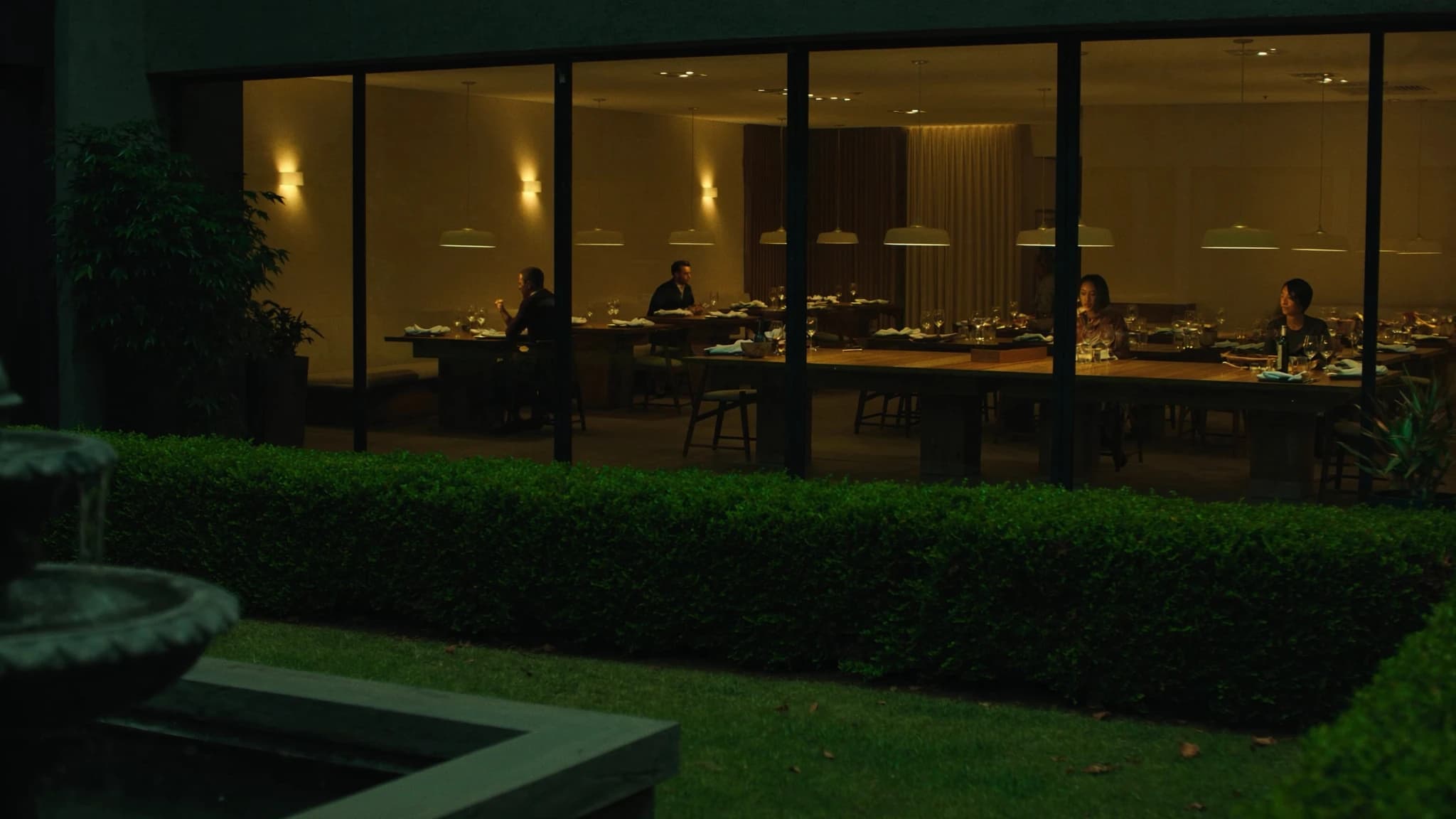
Bar and Lounge Sound System Design

Designing a sound system for a bar or lounge demands a different approach than a nightclub or concert venue. The goal is to create an immersive atmosphere that supports conversation, highlights the DJ or live music, and maintains clarity even as crowd noise rises. SSOUNDS brings professional-grade engineering to these intimate spaces, ensuring every zone sounds intentional and controlled.
Key takeaways
- Zone your space: bar, lounge, dancefloor, and outdoor areas each need tailored coverage and level control.
- Design for dynamic range: a system with headroom can transition from background ambience to foreground energy without distortion.
- Integrate DJs seamlessly with dedicated monitoring and flexible input routing via Dante/AES67.
- Choose compact, high-output point-source speakers and cardioid subwoofers to save space and focus sound.
- Maintain intelligibility with DSP-based crowd compensation and distributed speaker layouts.
- Invest in networked, scalable components for easy control and future expansion.
Understanding the Space and Its Zones
A typical bar or lounge has multiple acoustic zones: the main bar area, lounge seating, a dancefloor, and possibly an outdoor terrace or VIP section. Each zone requires a different sound level and coverage pattern. The bar area needs even, moderate-level background music that allows patrons to converse easily. The lounge seating should be slightly quieter, with a warm, enveloping sound. The dancefloor demands higher output and punchy bass, while outdoor areas need weather-resistant speakers with controlled dispersion to avoid disturbing neighbours.
SSOUNDS engineers recommend starting with a detailed acoustic survey of the room, noting reflective surfaces (glass, tile, hard floors) and absorptive materials (upholstery, curtains, carpet). This informs speaker placement and DSP settings to minimise reflections and maximise intelligibility. Our compact point-source loudspeakers, with their controlled directivity, are ideal for zoning — they deliver precise coverage without spilling into adjacent areas.
Foreground vs Background Levels: The Art of Balance
The hallmark of a great bar sound system is its ability to shift seamlessly from background ambience to foreground energy as the evening progresses. During early hours, the system should provide a pleasant, unobtrusive musical backdrop at 70–80 dB SPL, allowing easy conversation. As the crowd thickens and energy rises, levels can increase to 85–95 dB SPL, with the DJ or live act taking centre stage.
This dynamic range is best achieved with a system that has headroom to spare. SSOUNDS loudspeakers are designed with high-efficiency drivers and robust amplifiers that deliver clean output without distortion, even at elevated levels. Our DSP presets include 'Background' and 'Foreground' modes that adjust EQ and limiting to match the desired ambience. For example, a gentle high-frequency roll-off in background mode reduces listener fatigue, while foreground mode engages full-range clarity and punch.
DJ Integration: Seamless Connectivity and Monitoring
Many bars and lounges host DJs on weekends or special events. Integrating a DJ setup requires careful consideration of input routing, monitoring, and stage volume. The DJ booth should have a dedicated monitor system — typically a compact wedge or a pair of nearfield speakers — that provides accurate playback without bleeding into the main dancefloor zone. SSOUNDS stage monitors, with their coaxial driver design, offer exceptional clarity and feedback rejection in a small footprint.
Connectivity is equally critical. The system should accommodate multiple input sources: DJ mixer, streaming devices, microphones, and auxiliary inputs. SSOUNDS DSP amplifiers feature Dante and AES67 networking, allowing flexible routing and remote control. A simple touchscreen or tablet interface lets staff adjust zone volumes, select input sources, and recall presets — all without entering the DJ booth.
Choosing Compact Speakers and Subwoofers
Space is often at a premium in bars and lounges. Large line arrays are unnecessary; instead, the focus should be on compact, high-output point-source speakers that blend into the décor. SSOUNDS offers a range of installation-friendly loudspeakers with discreet enclosures, available in black or white, with optional grille colours to match any interior. These speakers use advanced waveguide technology to achieve wide, even coverage from a small cabinet.
Subwoofers are essential for dancefloor impact, but they must be sized and placed carefully to avoid overwhelming the room. A single 12-inch or dual 10-inch subwoofer, positioned near the dancefloor or under the DJ booth, can provide tight, musical bass without rattling glassware or disturbing neighbouring tables. SSOUNDS subwoofers feature cardioid configurations that reduce rearward radiation, keeping bass focused where it belongs.
Intelligibility Over Crowd Noise
As the room fills with people, ambient noise rises — especially from conversations, clinking glasses, and HVAC systems. A sound system that sounds clear at low levels can become muddy and unintelligible when competing with crowd noise. The key is to design for high speech intelligibility, measured by the Speech Transmission Index (STI). A well-designed system should achieve an STI of 0.5 or higher in all listening areas.
SSOUNDS engineers tackle this challenge through careful equalisation and time alignment. Our DSP includes ‘Crowd Compensation’ algorithms that dynamically adjust the system’s frequency response and level based on ambient noise measured by an optional reference microphone. This ensures that announcements, vocals, and lyrics remain clear even as the party gets louder. Additionally, using a distributed speaker layout (multiple small speakers rather than a few large ones) improves coverage uniformity and reduces the distance sound must travel, further enhancing intelligibility.
System Control and Future-Proofing
A modern bar sound system should be easy to operate and scalable for future expansion. SSOUNDS DSP amplifiers offer network control via Ethernet, allowing integration with building management systems or simple wall-mounted controllers. Staff can adjust volume per zone, recall presets for different times of day, and monitor system health remotely.
Future-proofing means choosing components that support evolving audio standards. All SSOUNDS amplifiers are Dante/AES67-compatible, enabling integration with digital mixing consoles, paging systems, and multi-room audio distribution. The modular design of our loudspeaker rigging allows adding extra speakers or subwoofers without replacing existing hardware. Investing in a SSOUNDS system today ensures your bar or lounge can adapt to changing needs for years to come.
Frequently asked
What SPL levels should I aim for in a bar versus a lounge?
For background ambience, 70–80 dB SPL is typical. For foreground/DJ levels, aim for 85–95 dB SPL with headroom. The system should be capable of 100+ dB SPL at peak to avoid distortion.
How many subwoofers do I need for a small lounge with a dancefloor?
One high-quality 12-inch or dual 10-inch subwoofer is usually sufficient for a dancefloor up to 200 sq ft. Place it near the dancefloor and use cardioid configuration to minimise bass bleed into seating areas.
Can I use the same speakers for background music and DJ sets?
Yes, if the speakers have sufficient power handling and low distortion. SSOUNDS compact point-source speakers are designed for both roles, with DSP presets that optimise response for background or foreground use.
What is the best way to control volume in different zones?
Use a networked DSP amplifier with zone outputs. A tablet or wall-mounted controller allows staff to adjust each zone independently. Presets can automate level changes based on time of day.
How do I ensure clear vocals over crowd noise?
Use a distributed speaker layout to reduce distance from speakers to listeners. Apply DSP-based crowd compensation that adjusts EQ and level in response to ambient noise. Also, choose speakers with high speech intelligibility ratings.
Building or upgrading a system?
SSOUNDS engineers and manufactures professional PA worldwide — from a single room to stadium scale.