天井埋込スピーカーにバックボックスは必要か?
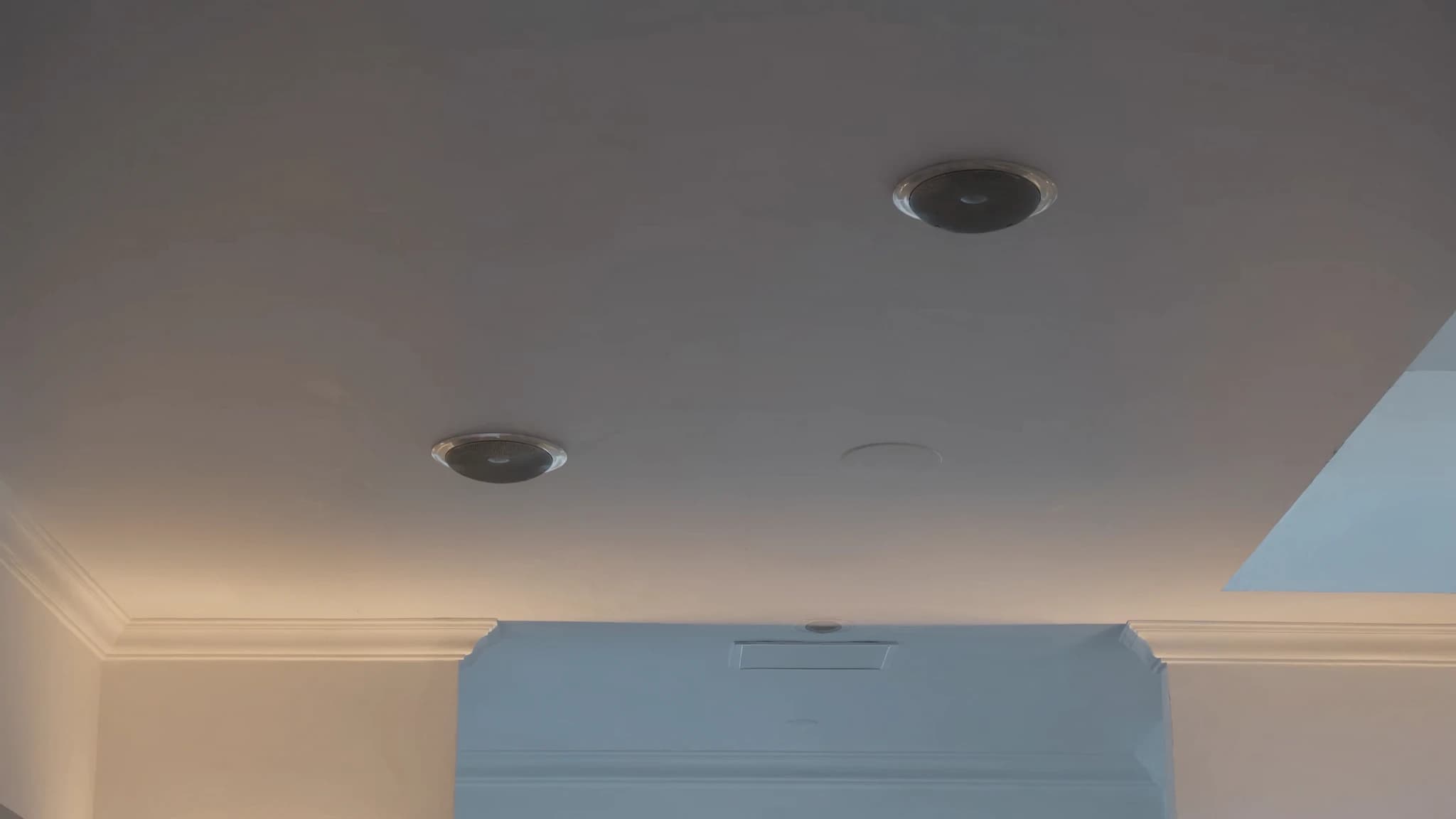
天井埋込スピーカーの設置を計画する際、最もよくある質問の1つはバックボックスが必要かどうかです。答えは優先事項によって異なります:音質、低音性能、防火安全性、部屋間の音響分離です。このガイドでは、バックボックスの役割、コードで要求される場合、そしてリスニング体験にどのように影響するかを説明します。
主なポイント
- バックボックスは後方波を分離し、位相キャンセルを防ぐことで音質を向上させます。
- 低音性能は、適切なサイズの密閉エンクロージャーにより、よりタイトで正確になります。
- 耐火バックボックスは、多層建築物や商業空間でコードにより要求されることがよくあります。
- 音響分離は、音が隣接する部屋に伝わるのを防ぎ、プライバシーを向上させます。
- 必須でなくても、一貫した性能と保証コンプライアンスを確保するために、すべての天井埋込設置にバックボックスを推奨します。
- 音響シーラントと確実な取り付けによる適切な設置が、利点を最大化します。
バックボックスとは何か、何をするのか?
バックボックスは天井埋込スピーカーの背後に取り付けるエンクロージャーで、ドライバーの背後に密閉された空気容積を作り出します。その主な目的は、天井裏空洞に音が放射されるのを防ぐことです。これにより、低音が濁ったり、隣接する部屋への干渉、全体的な明瞭度の低下を引き起こす可能性があります。バックボックスがない場合、スピーカーは事実上無限バッフルで動作し、大きな天井裏空洞をエンクロージャーとして利用しますが、これはしばしば一貫性のない低域応答と不十分な過渡制御につながります。
バックボックスは構造的サポートも提供し、スピーカーを破片やほこりから保護し、建築基準を満たすための耐火材料を含めることもできます。プロの設置では、予測可能で高忠実度のサウンドを実現するために不可欠と考えられています。
音質:バックボックスが重要な理由
バックボックスの最も直接的な利点は音質の向上です。バックボックスなしの天井埋込スピーカーは、制御されていない後方波放射に悩まされます。ドライバーの背面からの音波は天井裏空洞に伝わり、根太や断熱材で反射し、天井材を通って部屋に再入射し、位相キャンセル、コムフィルタリング、低音の明瞭度の損失を引き起こします。これは、キックドラムやベースラインなど、強い低域成分を持つ音楽で特に顕著です。
適切に設計されたバックボックスは後方波を分離し、スピーカーがよりタイトで正確な低音を生成できるようにします。密閉容積は音響サスペンションシステムとして機能し、ドライバーの動きを制動し、低域応答を拡張します。クリティカルリスニングやホームシアターアプリケーションでは、バックボックスは必須です。SSOUNDSのエンジニアは、設置全体で一貫した性能を確保するために、統合バックボックスを備えた天井埋込システムを設計しています。
低音性能:エンクロージャー容積の役割
低音の再生は、スピーカーの背後にあるエンクロージャーに大きく依存します。バックボックスがない場合、有効容積は天井裏空洞全体であり、予測不可能でしばしば大きすぎるため、緩くこもった低音になります。バックボックスは、ドライバーのパラメータに一致する制御された密閉容積を提供します。これにより、より低い共振周波数(Fb)、より高いパワーハンドリング、低域でのより高い効率が得られます。
例えば、典型的な8インチ天井埋込スピーカーは、最適な低音のために1〜2立方フィートの密閉エンクロージャーを必要とする場合があります。バックボックスは、天井の構造に関係なく、その容積が一貫していることを保証します。マルチルーム設置では、バックボックスは低音が隣接空間に漏れるのを防ぎ、意図した音場を維持します。
耐火等級と建築基準要件
多くの管轄区域では、建築基準により、耐火天井(例:多層建築物の階間)の天井埋込スピーカーに耐火バックボックスが要求されます。これは、標準的なスピーカーのカットアウトが耐火バリアに穴を開け、炎や煙が広がる可能性があるためです。耐火バックボックスは、熱にさらされると膨張する膨張性材料で構成され、開口部を密閉し、天井の耐火完全性を維持します。
たとえ地域のコードで厳密に要求されていなくても、耐火バックボックスの使用は安全性と責任のためのベストプラクティスです。また、商業施設、ホテル、集合住宅での設置において安心感を提供します。常に地域の建築当局に確認してください。疑わしい場合は、バックボックスを設置してください。
音響分離:部屋間の音の伝達を防ぐ
バックボックスの最も見落とされがちな利点の1つは音響分離です。これがないと、スピーカーからの音は天井裏空洞に伝わり、上の部屋や隣接空間で容易に聞こえます。これは、プライバシーが重要なオフィス、ホテル、住宅設置で大きな懸念事項です。バックボックスは、音響シーラントと断熱材と組み合わせることで、音の伝達を劇的に低減します。
最大の分離を得るには、高密度材料(例:MDFまたは厚ゲージ鋼)で作られ、気密シーリング用のガスケットを含むバックボックスを選択してください。SSOUNDSのバックボックスは、共振と漏れを最小限に抑えるために音響制動層で設計されています。重要なアプリケーションでは、バックボックスの周囲に質量負荷ビニルや追加の断熱材を追加することを検討してください。
バックボックスが不要な場合は?
バックボックスがオプションとなるシナリオがあります。例えば、天井裏空洞がリスニングスペースの一部であるオープン天井デザイン(例:倉庫や露出梁のロフト)では、バックボックスは不要かもしれません。同様に、スピーカーがBGMやページングのみに使用され、低音性能が重要でない場合、省略するかもしれません。しかし、これらの場合でも、バックボックスは明瞭度を向上させ、クロストークを低減します。
もう1つの例外は、無限バッフル動作のために設計されたスピーカーを使用する場合ですが、これらは天井埋込カテゴリでは稀です。SSOUNDSを含むほとんどの信頼できるメーカーは、保証コンプライアンスと最適な性能を確保するために、すべての設置にバックボックスを推奨しています。
設置のヒントとベストプラクティス
バックボックスを設置する際は、振動を防ぐために天井構造(根太またはブロッキング)にしっかりと固定してください。すべての貫通部とバックボックスと天井材の界面に音響シーラントを使用してください。耐火設置には、UL認定または同等のバックボックスのみを使用してください。シールを維持するために、グロメット付きの穴を通してスピーカーケーブルを配線してください。
天井裏空洞が浅い場合は、狭いスペースに適合するように設計された低プロファイルバックボックスを探してください。SSOUNDSは、さまざまな天井深さとスピーカーサイズに最適化されたバックボックスの範囲を提供しています。常にバックボックスの容積をスピーカーの推奨エンクロージャー容積に一致させてください。小さすぎるボックスを使用すると、低域応答が劣化する可能性があります。
よくある質問
低音を気にしないなら、バックボックスなしで天井埋込スピーカーを設置できますか?
はい、ただし明瞭度の低下や他の部屋への音漏れは依然として発生します。BGMであれば許容できるかもしれませんが、クリティカルリスニングやホームシアターではバックボックスを強く推奨します。
すべての天井埋込スピーカーにバックボックスは付属していますか?
いいえ、多くのコンシューマーグレードのスピーカーはバックボックスなしで販売されています。SSOUNDSのようなプロフェッショナルグレードのスピーカーは、最適な性能のために設計されたバックボックスを同梱またはオプションで提供することがよくあります。
耐火バックボックスと非耐火バックボックスの違いは何ですか?
耐火バックボックスは、火災時に膨張して開口部を密閉し、天井の防火区画を維持する膨張性材料で作られています。非耐火ボックスはこの保護を提供せず、耐火天井には使用すべきではありません。
どの天井埋込スピーカーにもバックボックスを使用できますか?
ほとんどのバックボックスは標準的なスピーカーのカットアウトサイズ(例:6.5インチ、8インチ)に適合するように設計されています。ただし、バックボックスの容積がスピーカーの要件に一致することを確認する必要があります。不一致のボックスを使用すると音質に影響を与える可能性があります。
バックボックスはスピーカーの感度やパワーハンドリングに影響しますか?
はい、密閉型バックボックスは通常、高出力時のパワーハンドリングを向上させ、歪みを低減します。感度はわずかに低下するかもしれませんが、その代わりに低域の制御と全体的な音質が向上します。
システムの構築やアップグレードをお考えですか?
SSOUNDSは、単一の部屋からスタジアム規模まで、プロ用PAを世界中で設計・製造しています。