ゴスペルコンサート制作サウンドガイド
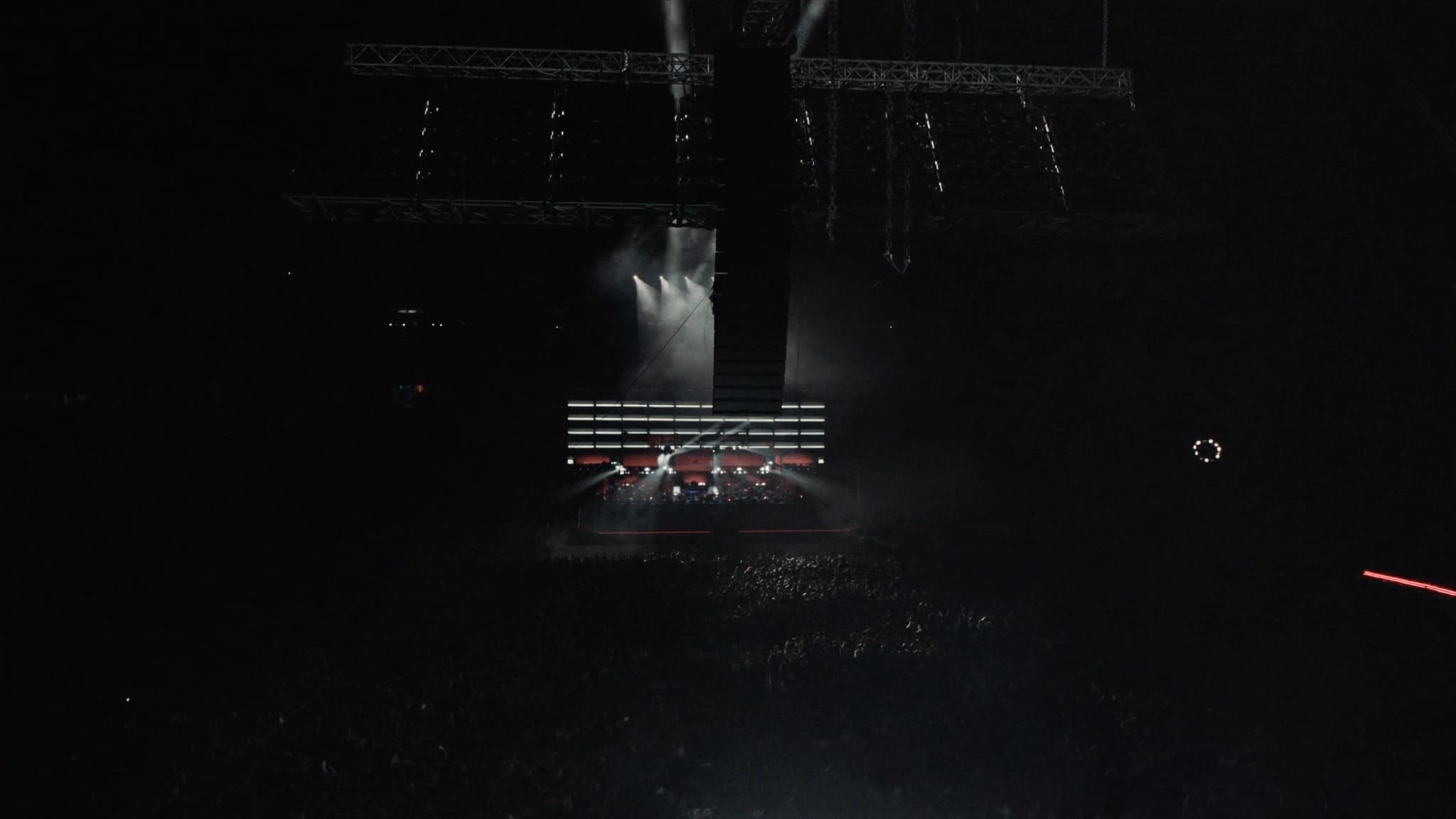
ゴスペルコンサートは独特のライブサウンドイベントです。典型的なロックショーとは異なり、力強くエネルギッシュな増強と、合唱団と会衆の両方にとっての純粋なボーカル明瞭度との微妙なバランスが求められます。目標は単に音を増幅することではなく、メッセージの一言一言が明瞭で、すべてのハーモニーがクリアで、低域エネルギーが会場を動かすような精神的な雰囲気を作り出すことです。ラゴスからナイロビまで、アフリカ各地の大規模なゴスペルイベントでは、課題が増幅されます。屋外会場、大規模な合唱団、高い環境騒音です。このガイドは、世界クラスのPAメーカーであるSSOUNDSが、完璧なゴスペルコンサート体験を提供するための必須の制作原則を網羅しています。
主なポイント
- ゴスペルサウンドには、ダイナミックな礼拝サービスを処理するための高いヘッドルーム、ボーカルの明瞭度、制御された低域を備えたシステムが必要です。
- 適切なカバレッジとディレイフィルを備えたラインアレイは、大規模な会場でもすべての会衆が明確に聞こえるようにします。
- 合唱団のミキシングは、ステレオサブグループ、慎重なマイク配置、味わいのあるリバーブによって没入感のあるサウンドステージを作成することで恩恵を受けます。
- マイクの選択、モニターの配置、システム処理によるハウリング管理は、高ゲインのゴスペルイベントにとって重要です。
- アフリカの屋外環境での信頼性の高いパフォーマンスのために、電源調整と耐候性機材に投資してください。
ゴスペルのサウンドスケープを理解する
ゴスペル音楽はダイナミックです。祈りの親密で静かな瞬間から、爆発的でエネルギッシュな賛美のコーラスまで幅広く対応します。サウンドシステムは、歪みやディテールの損失なしにこの広いダイナミックレンジを処理する必要があります。重要な要素は、ボーカルの明瞭度(説教者とリードボーカルはクリスタルクリアでなければならない)、合唱団のプレゼンス(合唱団が没入感を感じさせる広くまとまりのあるサウンドステージ)、低域の基盤(濁りなくエネルギーを提供するキックドラムとベース)です。
多くのアフリカのゴスペルイベントでは、会衆が積極的な参加者であり、一緒に歌い、手を叩き、踊ります。したがって、PAは観客エリア全体を均等にカバーし、群衆自身の騒音を上回る十分なヘッドルームを持つ必要があります。ここで、SSOUNDSのようなプロフェッショナルラインアレイシステムが優れています。それらの制御された指向性により、必要な場所に正確に音が投射され、ステージへの漏れが減少し、ハウリングが最小限に抑えられます。
システム設計:カバレッジとSPL
フロントフィルとディレイを忘れないでください。非常に広いまたは深い会場では、ディレイタワーがすべてのスピーカーから同時に音が届くようにし、明瞭度を維持します。フロントフィルは、メインアレイが届かない可能性のあるステージ直前のエリアをカバーします。SSOUNDSポイントソースラウドスピーカーは、メインシステムと一貫した音色バランスを提供し、これらの役割に理想的です。
ゴスペルのミキシング:ボーカルと合唱団
リードボーカルは焦点です。合唱団やバンドからの漏れを最小限に抑えるために、タイトな指向性パターンを持つ高品質のダイナミックまたはコンデンサーマイクを使用します。EQは穏やかにし、80 Hz以下の低周波数をカットしてランブルを減らし、明瞭度のために3〜5 kHz付近でわずかにプレゼンスをブーストします。コンプレッションはダイナミクスを制御するために不可欠ですが、過度に圧縮しないでください。ゴスペルボーカルは息遣いが必要です。
合唱団は独特の課題です。20〜100本以上のマイクを使用する場合、位相コヒーレンスとゲインステージングが重要です。オーバーヘッドコンデンサーと個別カーディオイドダイナミックを組み合わせて使用します。合唱団をセクション(ソプラノ、アルト、テノール、バス)にグループ化し、ステレオサブグループにバスします。これらのサブグループを左右にわずかにパンすると、広く自然なサウンドステージが作成されます。リバーブは味方です。1.5〜2.5秒の減衰時間を持つホールまたはプレートリバーブは、空間と壮大さの感覚を追加します。ただし、リバーブリターンをミックスを濁らせない程度に低く保ちます。
高ゲイン環境でのハウリング管理
ゴスペルイベントでは、モニターや合唱団自身の音から高いステージ音量が発生することがよくあります。ハウリングは常に脅威です。まず、マイクを慎重に配置し、モニターウェッジやメインPAに直接向けないようにします。より良い拒絶のためにカーディオイドまたはハイパーカーディオイドマイクを使用します。モニターミックスのグラフィックイコライザーは問題のある周波数をノッチアウトできますが、サウンドを変えないように控えめに使用します。
最新のデジタルミキシングコンソールは、ハウリング抑制や合唱団用の自動マイクミキシングなどの機能を提供します。SSOUNDSは、すべてのラウドスピーカーの位相応答を整列させ、コムフィルタリングを低減し、ハウリング前のゲインを改善するFIR処理を備えたシステムの使用を推奨します。当社のDSPアンプには、高いSPLでも安定性を維持するのに役立つ高度なフィルタリングが含まれています。
モニタリングの役割:バンドと合唱団をつなぐ
インイヤーモニター(IEM)は、ステージ音量を低減し、クリーンなミックスを提供するため、ゴスペルバンドの標準になりつつあります。ただし、多くの合唱団は「部屋に音がある」感覚のためにウェッジモニターを好みます。ウェッジを使用する場合は、ハウリングを避けるように配置し、音量ではなく明瞭度のためにEQを調整します。合唱団のディレクター専用のモニターミックスは不可欠です。効果的にリードするには、すべてのセクションを明確に聞く必要があります。
大規模なイベントでは、専任のモニターエンジニアを検討してください。バンド、合唱団、説教者はそれぞれ異なるミックス要件を持つ場合があります。SSOUNDSステージモニターは、滑らかなカバレッジで高出力を実現するように設計されており、すべてのパフォーマーが自分自身とアンサンブルの他のメンバーを明確に聞くことができます。
アフリカのイベントにおける実践的な考慮事項
電力の安定性は一般的な問題です。電圧レギュレーターとUPSシステムに投資して、機材を保護してください。発電機は、ヘッドルームを備えたシステム全体の負荷を処理できるサイズにする必要があります。また、気候を考慮してください。熱と湿度はラウドスピーカーの性能に影響を与える可能性があります。SSOUNDSシステムは、堅牢なコンポーネントと屋外イベント用の耐候性オプションで構築されています。
輸送とセットアップのロジスティクスが重要です。モジュール式の軽量キャビネットは、トラックスペースとリギング時間を削減します。SSOUNDSリギングハードウェアは迅速な展開のために設計されており、クルーが機械的な課題ではなく音質に集中できるようにします。最後に、常に予備のケーブル、マイク、バックアップコンソールを用意してください。ゴスペルイベントはダウンタイムを許容できません。
よくある質問
スタジアムでのゴスペルコンサートに理想的なスピーカー構成は何ですか?
典型的なセットアップには、メインカバレッジ用の左右の吊り下げラインアレイ(例:SSOUNDSの大型フォーマットアレイ)、カーディオイドパターンでのグラウンドスタックまたは吊り下げサブウーファー、ステージ前方エリア用のフロントフィル、そして奥行きのある座席用のディレイタワーが含まれます。正確なキャビネット数は、会場の規模と必要なSPLによって異なります。
50人の合唱団には何本のマイクが必要ですか?
50人の合唱団には、8〜12本のマイクを使用します。合唱団全体に均等に配置したオーバーヘッドコンデンサー(4〜6本)と、ソリストやセクションリーダー用の個別カーディオイドダイナミック(4〜6本)を組み合わせます。これにより、過度な位相問題を起こすことなく、良好なカバレッジが得られます。
説教者がハンドヘルドワイヤレスマイクを使用するとき、ハウリングを防ぐにはどうすればよいですか?
カーディオイドまたはスーパーカーディオイドマイクを使用し、マイクを口元に近づけ、モニターやメインスピーカーに向けないようにします。モニターEQのフィードバック周波数に狭いノッチフィルターを適用します。また、メインPAがステージエリアを過度にカバーしていないことを確認します。
ゴスペル音楽に最適なサブウーファーアレイのタイプは何ですか?
カーディオイドサブウーファーアレイ(例:DSPプリセット付きのSSOUNDSサブウーファーを使用)は、低域エネルギーを前方に集中させ、アレイの後方では低減します。これによりステージがクリーンに保たれ、観客エリア全体にパンチのある均一なベースを提供します。非常に大規模なイベントでは、吊り下げとグラウンドスタックのサブウーファーの組み合わせが効果的です。
合唱団にインイヤーモニターを使用すべきですか?
IEMはステージ音量とハウリングを低減できますが、多くの合唱団は自然な感覚のためにウェッジを好みます。ハイブリッドアプローチが効果的です。バンドと主要ボーカリストにはIEMを提供し、合唱団には慎重なEQと配置でウェッジを使用します。合唱団のディレクター専用のモニターミックスを常に用意してください。
システムの構築やアップグレードをお考えですか?
SSOUNDSは、単一の部屋からスタジアム規模まで、プロ用PAを世界中で設計・製造しています。