ホームシネマシステム:完全ガイド
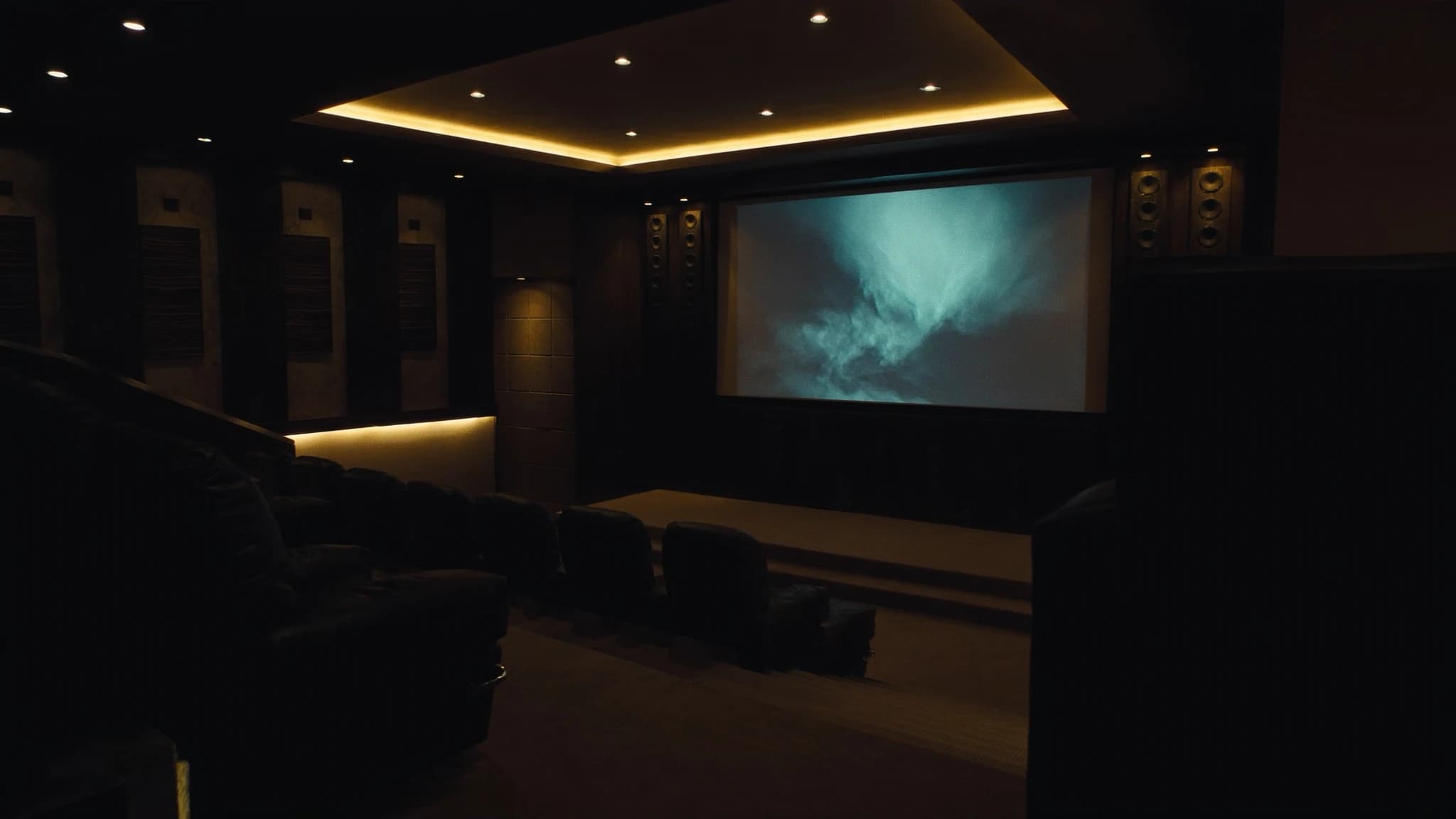
優れたホームシネマは、高価な機器を集めただけではありません。すべてのスピーカー、アンプ、音響処理が協調して監督の意図を再現する、注意深く設計されたシステムです。このガイドでは、レイアウトとスピーカーの役割からキャリブレーションと部屋の音響まで、核心となる決定を順を追って説明し、真に性能を発揮するシステムを構築できるようにします。
主なポイント
- センタースピーカーは対話の明瞭度にとって最も重要なスピーカーであり、左右のスピーカーと音色的に一致する必要があります。
- Dolby Atmosは高さチャンネルを追加して三次元音場を実現します。5.1.2システムでも非常に没入感があります。
- AVレシーバーのルームコレクションソフトウェアは強力なツールですが、物理的な音響処理と組み合わせると最も効果を発揮します。
- 複数のサブウーファーを非対称に配置すると、部屋のモードを滑らかにし、座席間でより一貫した低音を提供できます。
- キャリブレーションはオプションではありません。正確なレベル、遅延、EQは、まとまりのある信憑性のある音場に不可欠です。
チャンネルレイアウトの理解:5.1、7.1、Dolby Atmos
5.1や7.1の数字はディスクリートチャンネルを指します。5つまたは7つのメインスピーカーと1つのサブウーファー(.1)です。5.1レイアウトでは、左、センター、右、左サラウンド、右サラウンドがあります。7.1レイアウトでは、リアサラウンドチャンネルが2つ追加され、リスナーの後方により包み込むような音場が作られます。どちらもディスクリートでフルレンジのチャンネルという原則に基づいていますが、実際にはサラウンドスピーカーはしばしば低音管理されます。
Dolby AtmosとDTS:Xは異なるアプローチを取ります。チャンネルの代わりに、オブジェクトベースのオーディオを使用し、音がメタデータとともに三次元空間に配置されます。これにより、天井スピーカー(またはアップファイアリングモジュール)が高さの効果を生み出します。典型的なAtmosレイアウトは5.1.2(天井2つ)または5.1.4(天井4つ)で、7.1.4や9.1.6まで拡張できます。重要なのは、Atmosが垂直方向の次元を追加し、雨、航空機、環境効果が本当に頭上にあるように感じられることです。
レイアウトの選択は、部屋の広さ、予算、どこまで追求したいかによります。小から中規模の部屋では、適切に実行された5.1.2システムが、不適切に配置された7.1.4よりも優れていることがよくあります。目標は、シームレスなパンニングと信憑性のある音の泡であり、単にスピーカーを増やすことではありません。
スピーカーの役割:各チャンネルの機能
センタースピーカーは、どのホームシネマでも最も重要なスピーカーです。対話と画面上のほとんどのアクションを映像に固定するため、左右のスピーカーとの明瞭度と音色の一貫性が重要です。水平アレイまたは同軸設計の専用センターは、対話を画面に固定するのに役立ちます。
左右のスピーカーは、音楽、効果音、音場の広がりを担当します。耳の高さに配置し、リスニングポジションに向けて少し角度をつけ、センターと正三角形を形成する必要があります。タワーでもスタンドに載せた高品質ブックシェルフでも機能しますが、クリーンでダイナミックな出力が可能でなければなりません。
サラウンドスピーカーは没入感を生み出します。5.1または7.1システムでは、通常、リスナーの側面と少し後方、耳の高さまたは少し上に配置されます。バイポールまたはダイポール設計は音を拡散してより包み込む効果を生み出し、直接放射スピーカーはより正確な定位を提供します。Atmosの場合、天井またはハイトスピーカーはリスニングエリアの上に配置し、天井埋め込みまたはフロントスピーカーの上にアップファイアリングモジュールとして設置します。
サブウーファーは低周波効果(LFE)チャンネルとすべてのスピーカーの低音管理を担当します。小さい部屋では1つのサブウーファーで十分機能しますが、2つまたは4つを戦略的に配置すると、部屋のモードを滑らかにし、複数の座席でより均一な低音を提供できます。サブウーファーは爆発音のためだけではなく、サウンドトラック全体の基盤を支えます。
AVレシーバーとプロセッサー:システムの頭脳
AVレシーバー(AVR)またはプリアンプ/プロセッサーはコントロールセンターです。オーディオフォーマットをデコードし、ルームコレクションを適用し、低音を管理し、信号をスピーカーに増幅します。Denon、Yamaha、Marantzなどのブランドがこの分野でよく知られており、エントリーレベルからハイエンドまでさまざまなモデルを提供しています。選択する際は、実際に必要な機能に注目してください。チャンネル数、HDMIバージョン、最新の没入型フォーマットのサポート、ルームコレクションソフトウェアなどです。
ルームコレクションは、現代のAVRで最も強力なツールの1つです。Audyssey、Dirac Live、YamahaのYPAOなどのシステムは、部屋の応答を測定し、遅延、レベル、EQを調整して不完全さを補正します。これは特に低音で重要で、部屋のモードがこもった音やヌルスポットを生み出すことがあります。適切なキャリブレーションは、平凡なセットアップを優れたものに変えることができます。
最も要求の厳しい設置では、別々のプリアンプ/プロセッサーとパワーアンプが、より多くのヘッドルーム、優れたチャンネル分離、アップグレードの柔軟性を提供します。これは、すべてのコンポーネントが音質の純粋さのために選ばれるハイエンドホームシネマで一般的です。統合レシーバーを選ぶかセパレートを選ぶかにかかわらず、アンプセクションがスピーカーと部屋の広さに対して十分なクリーンパワーを持っていることを確認してください。
サブウーファーと低音管理
低音はホームシネマの迫力の基盤ですが、最も正確に再現するのが難しいものでもあります。単一のサブウーファーは、部屋のモード、つまり定在波によって引き起こされる周波数応答のピークとディップのために、不均一に聞こえることがあります。2つ目のサブウーファーを非対称に配置すると、これらのモードの一部を打ち消し、複数の座席でより一貫した低音を提供できます。
低音管理は、メインスピーカーからサブウーファーに低周波をリダイレクトするプロセスです。これは通常AVRで行われ、クロスオーバー周波数(しばしば80 Hz)を設定し、スピーカーをスモールまたはラージに指定します。メインスピーカーが深い低音を再現できても、サブウーファーにリダイレクトすることで歪みを減らし、ヘッドルームを増やすことができます。目標は、サブとメインの間のスムーズな移行であり、一方が終わり他方が始まる場所が聞こえないようにすることです。
究極の低音性能のために、一部の愛好家は専用の低音管理プロセッサーまたはminiDSPを使用して複数のサブウーファーで遅延、EQ、レベルを微調整します。このレベルの制御はハイエンド設置でよく見られますが、基本的な2サブウーファーセットアップでも慎重な配置で優れた結果が得られます。
部屋の音響:目に見えないコンポーネント
部屋自体はどのスピーカーと同じくらい重要です。硬く反射的な表面はエコーを生み出し、対話をぼやけさせますが、過度の吸音は音を鈍く活気のないものにします。目標は、制御された反射とシネマに適した残響時間、通常約0.3〜0.5秒を持つバランスの取れた音響環境です。
スピーカーの配置から始めます。メーカーの推奨に従い、黄金比または同様のガイドラインを使用してリスニングシートを配置します。スピーカーを壁やコーナーに近づけすぎないでください。低音が強調され、中域が濁ることがあります。可能であれば、側壁、天井、床の一次反射点を吸音パネルで処理します。コーナーのバストラップは低周波の蓄積を制御するのに役立ちます。
ディフューザーは後壁に使用して音を散乱させ、より自然な空間感覚を生み出すことができます。多くのホームシネマでは、吸音と拡散の組み合わせを使用して、活気がありながら制御された音を実現します。音響処理は高価である必要はありません。鉱物ウールやグラスファイバーを使用したDIYパネルは、安全に作れば効果的です。
キャリブレーション:すべてを機能させる
キャリブレーションは最終的かつ最も重要なステップです。完璧な機器と部屋の処理があっても、適切なキャリブレーションがなければシステムを最高の状態で聞くことはできません。基本から始めます。校正済みマイクまたはSPLメーターを使用してすべてのスピーカーを同じレベルに設定し、距離が正しいことを確認して、音がリスニングポジションに同時に到達するようにします。
AVRの内蔵ルームコレクションを開始点として使用しますが、その後調整することを恐れないでください。多くの愛好家は自動キャリブレーションを実行した後、ターゲットカーブや低音レベルを好みに合わせて手動で微調整することを好みます。上級ユーザーは、REW(Room EQ Wizard)などのソフトウェアと測定マイクを使用して、システムの応答に関する詳細な洞察を得て、精密に微調整できます。
最後に、ビデオディスプレイもキャリブレーションします。適切にキャリブレーションされた映像は全体的な体験を向上させ、オーディオとビデオが調和することを保証します。多くのAVRとプロジェクターには基本的なキャリブレーションパターンが含まれていますが、プロのキャリブレーターはディスプレイの可能性を最大限に引き出すことができます。
すべてをまとめる:SSOUNDSのアプローチ
SSOUNDSでは、プロのツーリングシステムに適用するのと同じエンジニアリングの厳密さでホームシネマに取り組みます。当社のラウドスピーカーは正確でダイナミックな再現のために設計され、サブウーファーはサウンドトラックを生き生きとさせる深く制御された低音を提供します。また、すべての部屋が異なることを理解しているため、レイアウト、音響、キャリブレーションに関するガイダンスを提供し、システムを最大限に活用できるようにします。
専用のシネマルームを構築する場合でも、リビングルームのセットアップをアップグレードする場合でも、原則は同じです。空間に適したレイアウトを選択し、目標に合ったスピーカーを選び、能力のあるレシーバーまたはプロセッサーと統合し、時間をかけてキャリブレーションと部屋の処理を行います。慎重な計画により、家庭の快適さの中で商業映画館に匹敵する没入型体験を作り出すことができます。
よくある質問
ホームシネマにはスピーカーがいくつ必要ですか?
基本的な5.1システムは5つのスピーカーとサブウーファーを使用します。より没入感のある体験には、7.1でリアサラウンドを2つ追加し、Dolby Atmosでは天井またはハイトスピーカーを追加します。適切な数は部屋の広さと予算によりますが、適切にセットアップされた5.1.2システムは、不十分に実行された7.1.4よりも優れていることがよくあります。
既存のスピーカーを新しいAVレシーバーで使用できますか?
はい、スピーカーがレシーバーの出力とインピーダンスに互換性がある限り可能です。ただし、最良の結果を得るには、ベッドレイヤー(左、センター、右、サラウンド)のすべてのスピーカーは音色が一致している必要があり、理想的には同じシリーズから選ぶべきです。ブランドを混在させる場合は、センタースピーカーに特に注意してください。不一致が最も聞き取りやすいのはそこです。
スピーカーに最適なクロスオーバー周波数は何ですか?
一般的な開始点は80 Hzですが、スピーカーの能力によります。メインスピーカーに小さなウーファーがある場合、より高いクロスオーバー(例:100 Hz)が歪みを減らすことがあります。大型タワーの場合は、ラージに設定してフルレンジで動作させることもできますが、低音をサブウーファーにリダイレクトする方がクリーンな結果が得られることが多いです。キャリブレーションを使用して、部屋に最適な設定を見つけてください。
ホームシネマに音響処理は必要ですか?
ほとんどの場合、はい。厚いラグ、カーテン、本棚などの基本的な処理でも役立ちます。一次反射点に専用の吸音パネル、コーナーにバストラップを設置すると、明瞭度と低音の均一性に大きな違いが生まれます。目標は、部屋をデッドにせずに反射を制御することです。
ホームシネマシステムをどのようにキャリブレーションしますか?
AVレシーバーの自動キャリブレーションから始め、SPLメーターと巻尺でレベルと距離を確認します。高度な調整には、REWなどの測定ソフトウェアと校正済みマイクを使用して応答を分析し、EQ、遅延、低音管理を調整します。多くのプロフェッショナルがキャリブレーションサービスを提供しており、ハイエンドシステムでは価値があるかもしれません。
システムの構築やアップグレードをお考えですか?
SSOUNDSは、単一の部屋からスタジアム規模まで、プロ用PAを世界中で設計・製造しています。