ラインアレイ vs ポイントソース:どちらを選ぶべきか?
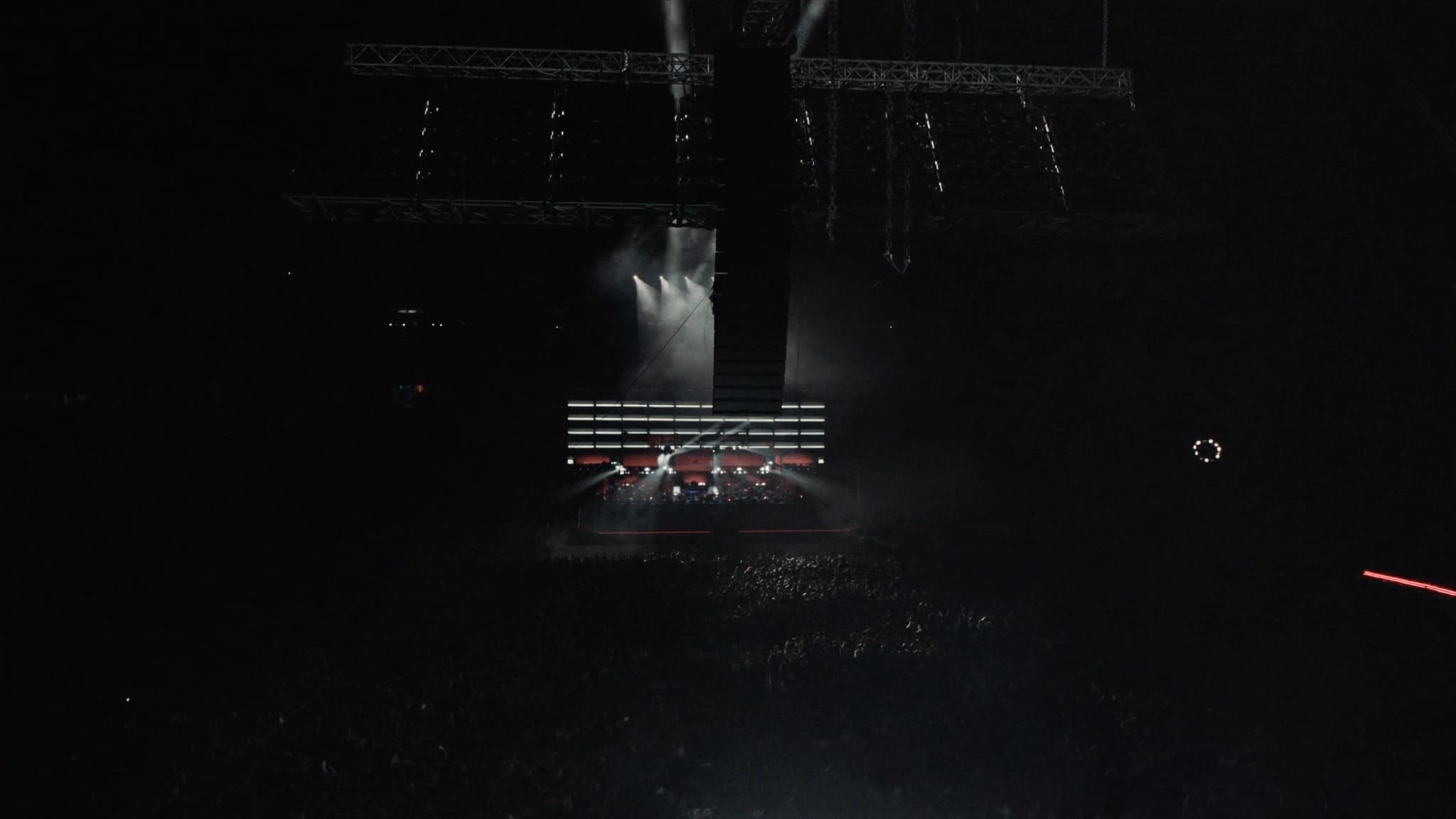
ラインアレイとポイントソースラウドスピーカーシステムのどちらを選ぶかは、音響補強において最も重要な決定の一つです。各トポロジーには、カバレッジ、SPL、明瞭度、拡張性に影響を与える明確な強みとトレードオフがあります。SSOUNDSでは、エンジニアリングチームが会場の形状、観客の分布、予算、アプリケーションなど数十の変数を評価してからソリューションを推奨します。このガイドでは、プロのシステムデザイナーが使用する技術的な違い、実世界での性能特性、意思決定基準を分解し、次のプロジェクトで情報に基づいた選択ができるようにします。
主なポイント
- ラインアレイは長距離にわたって優れたカバレッジの一貫性とSPLを提供し、大規模会場や屋外イベントに理想的です。
- ポイントソースは、リスニングエリアが明確に定義された小規模から中規模の空間に対して、より簡単な設置、低コスト、優れたイメージングを提供します。
- SSOUNDSエンジニアは音響モデリングを使用して、会場の形状、観客分布、予算にトポロジーを一致させます。
- ハイブリッドシステム(ポイントソースのフィル + ラインアレイのメイン)は、多目的会場でカバレッジとコストの両方を最適化できます。
- 現代のラインアレイはモジュール式で拡張可能であり、インフラストラクチャを交換することなくニーズに合わせてシステムを成長させることができます。
- 一つのトポロジーが普遍的に優れていると決して仮定しないでください。正しい選択は特定のアプリケーションと性能目標によって異なります。
核心となる物理を理解する
ポイントソースラウドスピーカーは、通常同軸またはホーンロード型ドライバー配置を使用して、単一のキャビネットから音を放射します。そのカバレッジパターンは固定されており(例:90° x 60°)、スポットライトのように振る舞います。音圧レベルは距離とともに予測可能に低下します(逆二乗法則)。ポイントソースは、リスニングエリアがコンパクトで、システムを観客の近くに配置できる小規模から中規模の会場で優れています。
一方、ラインアレイは、垂直に積み重ねられた複数のキャビネットで構成され、音響的に結合して円筒波面を作り出します。この形状により、音は距離が2倍になるごとにわずか3 dBしか減衰しません(6 dBではなく)。これにより、はるかに広い到達距離と前から後ろまで均一なカバレッジが可能になります。垂直カバレッジは、DSPと機械的なスプレイ角度を使用して電子的に成形(狙いを定める)できるため、ラインアレイは大規模または不規則な形状の空間に理想的です。
カバレッジと一貫性
座席付きの劇場や小規模クラブでは、適切に配置されたポイントソースが優れたステレオイメージングと単一の到達時間(コムフィルタリングなし)を提供できます。しかし、観客エリアが広がるか深くなると、ポイントソースは均一なSPLと周波数応答を維持するのに苦労します。軸外のリスナーは高域のロールオフと明瞭度の低下を経験します。
ラインアレイは、広い水平面(通常90°から150°)に音を均等に分配しながら垂直方向の分散を制御することでこれを解決します。各キャビネットは特定の垂直スライスをカバーし、アレイの曲率は近くのリスナーと遠くのリスナーを等しくカバーするように調整されています。SSOUNDSのラインアレイシステムは、独自のウェーブガイド技術を使用してキャビネット間のシームレスな結合を確保し、干渉を最小限に抑え、1列目から100列目まで一貫した音色バランスを提供します。
SPLとヘッドルーム
大規模なコンサートホール、フェスティバル、屋外イベントなど、生の出力が必要な場合、ラインアレイには明確な利点があります。複数のキャビネットの合計音響出力は140 dB SPLピークを超えることができ、各ドライバーはリニア範囲内で動作します。これにより歪みが減少し、高レベルでの信頼性が向上します。
ポイントソースも高いSPLを達成できますが、通常はより大きく重いキャビネットとより強力なアンプが必要です。特定の重量と予算に対して、ラインアレイはほぼ常に広いエリアでより高い最大SPLと優れたダイナミックレンジを提供します。SSOUNDSのエンジニアは、500席を超える会場やリスニング距離が30メートルを超える場合にはラインアレイを推奨することがよくあります。
拡張性と柔軟性
ラインアレイの最も強力な論拠の一つはモジュール性です。システムは小規模劇場用に片側4台から始めて、スタジアム用に24台以上に拡張できます。同じアンプ、DSPプリセット、リギングハードウェアが範囲全体で使用され、在庫とトレーニングが簡素化されます。
ポイントソースシステムは拡張性が低いです。カバレッジを増やすためにキャビネットを追加すると、しばしば干渉パターンが生じ、重複を避けるために慎重な配置が必要です。スピーチと大音量の音楽の両方を開催する多目的会場では、ハイブリッドアプローチ(ポイントソースのフロントフィルとラインアレイのメイン)が一般的です。SSOUNDSは両方のトポロジーをシームレスに統合するように設計しており、システムデザイナーが必要に応じて組み合わせることができます。
設置と物流
ポイントソースは一般的に設置が簡単です。キャビネットが少なく、リギングが少なく、重量が軽いです。リスニングエリアが明確に定義された固定設置(例:単一の座席ボウルを持つ礼拝堂)では、ポイントソースが最も費用対効果が高く、美的に優れた選択肢となり得ます。
ラインアレイはより多くの構造的サポート、慎重な照準、そしてしばしばアレイのビームフォーミングを管理するための専用DSPプロセッサが必要です。しかし、SSOUNDSの現代のラインアレイシステムには、統合されたフライングハードウェア、事前設定されたアレイテンプレート、リモートモニタリングが含まれており、セットアップ時間を短縮します。ツアーアプリケーションでは、完全なPAを1時間以内に吊るす能力は大きな物流上の利点です。
SSOUNDSエンジニアの決定方法
当社の設計プロセスは、EASEまたは独自のシミュレーションツールを使用した音響モデリングから始まります。会場の形状をマッピングし、カバレッジ目標を定義し、SPL要件を計算します。会場が深く狭い座席エリア(例:大聖堂やコンサートホール)の場合、ラインアレイがほぼ常に選択されます。広く浅い空間(例:会議室や小劇場)では、ポイントソースまたは分散システムの方が適している場合があります。
予算も要因です。ラインアレイは優れた性能を提供しますが、初期費用が高くなります。しかし、大規模な会場では、均一なカバレッジを達成するために必要なアンプチャンネルと労力が少ないため、総所有コストは低くなる可能性があります。SSOUNDSは両方のオプションを提供し、アプリケーションエンジニアが各アプローチのROIをモデル化するためにクライアントと協力します。
よくある誤解を解く
誤解:ラインアレイは常に優れている。現実:小さな部屋では、ラインアレイの垂直結合が過度の低周波の蓄積と貧弱なイメージングを引き起こす可能性があります。ポイントソースの方が自然に聞こえることがよくあります。
誤解:ポイントソースは大観客に良い音を出せない。現実:適切な展開(例:ディレイタワー、分散サブウーファー)により、ポイントソースシステムは広いエリアをカバーできますが、より複雑なゾーニングと処理が必要です。
誤解:すべてのラインアレイは同じ。現実:ウェーブガイド設計、ドライバー品質、DSPアルゴリズムは大きく異なります。SSOUNDSは、ラインアレイが動作帯域全体で一貫した位相応答と低歪みを提供することを保証するためにR&Dに多大な投資を行っています。
よくある質問
屋外フェスティバルでポイントソースを使用できますか?
はい、ただし複数のディレイタワーと慎重なゾーニングが必要で、均一なカバレッジを維持する必要があります。一般的にラインアレイの方が効率的で、より少ないキャビネットで広いエリアにクリーンなサウンドを提供します。
ラインアレイはポイントソースより高価ですか?
初期費用は確かにそうです。しかし大規模な会場では、必要なキャビネットとアンプが少なくて済むため、ラインアレイの方が座席あたりまたはカバレッジ平方メートルあたりのコストが低くなる可能性があります。総所有コストを評価する必要があります。
ラインアレイには何台のキャビネットが必要ですか?
会場の規模と目標とするSPLによります。一般的な目安として、小規模劇場では4〜6台、中規模コンサートホールでは8〜12台、大規模フェスティバルでは16〜24台以上です。SSOUNDSは正確な台数を決定するためのシミュレーションツールを提供しています。
同じシステムでラインアレイとポイントソースを混在させることができますか?
もちろんです。多くのプロフェッショナルシステムでは、メインにラインアレイ、フロントフィル、アウトフィル、またはディレイにポイントソースを使用しています。SSOUNDSはすべての製品を一貫したボイシングでシームレスに連携するように設計しています。
ラインアレイはポイントソースより音が良いですか?
本質的にそうではありません。適切な会場に適切に設計されたポイントソースは優れた音を出すことができます。ラインアレイは長距離と広いエリアにわたって一貫したサウンドを提供することに優れています。「より良い」選択はアプリケーションによって異なります。
システムの構築やアップグレードをお考えですか?
SSOUNDSは、単一の部屋からスタジアム規模まで、プロ用PAを世界中で設計・製造しています。