ライブオーディオ向けベストミキシングコンソール
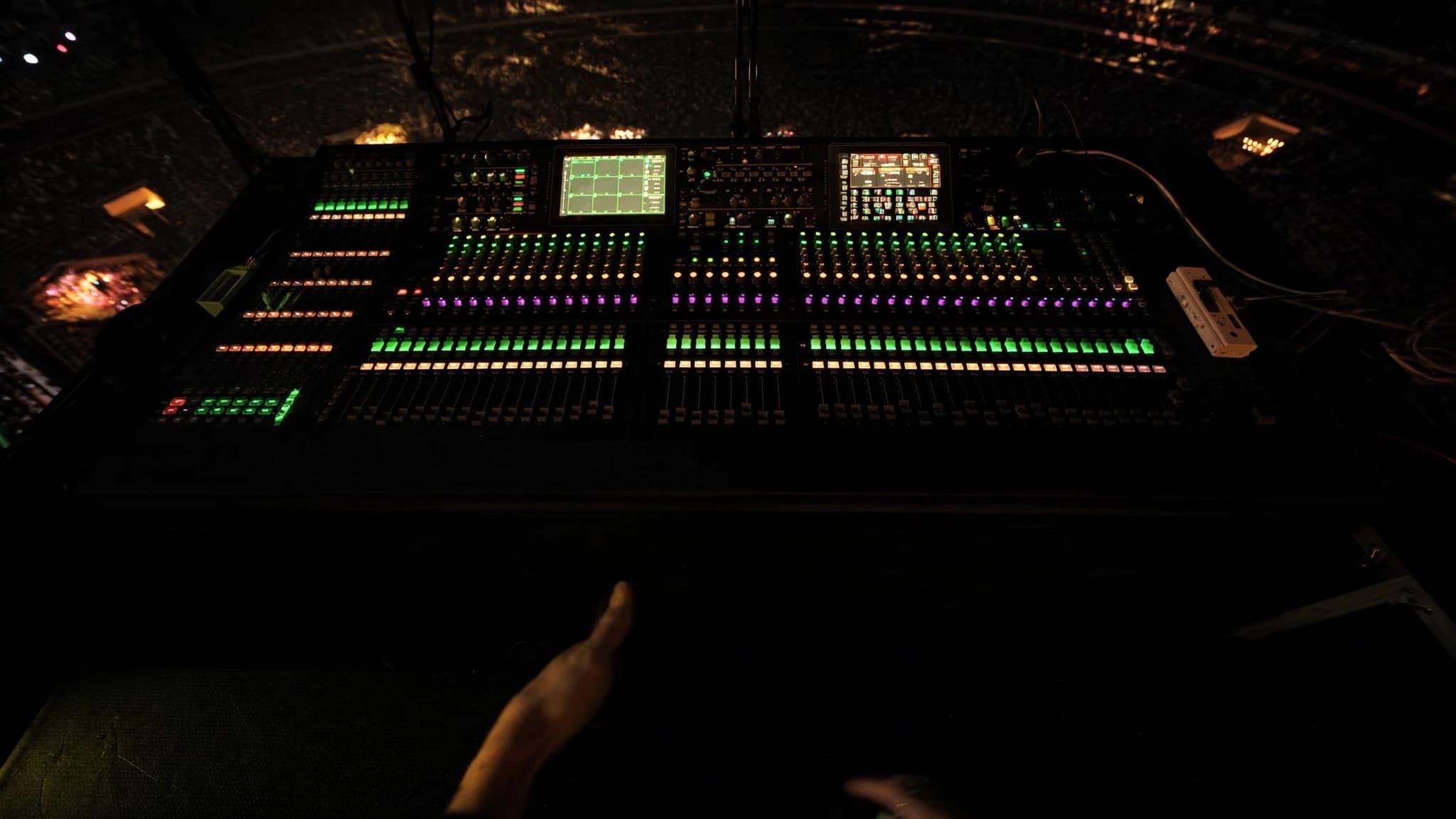
適切なミキシングコンソールの選択は、PAシステム自体の選択と同じくらい重要です。SSOUNDSラウドスピーカーは、業界標準のDante、MADI、またはアナログ接続を介してあらゆるプロフェッショナルコンソールとシームレスに統合できるように設計されていますが、今日のトップライブサウンドデスクの強みを理解することで、まとまりのある高性能オーディオエコシステムを構築できます。このガイドでは、主要なコンソールファミリーであるYamaha、DiGiCo、Allen & Heath、Midas、Avidを分解し、チャンネル数、I/Oニーズ、ネットワーク要件、特定のユースケースに合わせてそれらを選択する方法を説明します。
主なポイント
- トップコンソールファミリー:Yamaha、DiGiCo、Allen & Heath、Midas、Avidはそれぞれ独自の強みを持ち、ブランドロイヤルティではなくワークフローに基づいて選択してください。
- チャンネル数とI/Oの拡張性は、典型的なイベント規模に合わせ、現在のニーズより20%のヘッドルームを計画してください。
- DanteはコンソールからPAへの統合に最も普遍的なネットワークプロトコルであり、SSOUNDSはDanteをネイティブにサポートしています。
- ユースケースが重要です:ツアーはDiGiCo/Yamaha、設置はAllen & Heath、放送はAvidが有利です。
- 予算にはコンソールだけでなく、ステージボックス、ネットワーキング、現地サポートの可用性も含まれます。
- SSOUNDS PAシステムはあらゆるプロフェッショナルコンソールと透過的に動作し、最小限のレイテンシでニュートラルな高出力SPLを提供します。
ビッグファイブ:コンソールファミリーの比較
ライブサウンド市場は5つの主要メーカーによって支配されており、それぞれが異なる哲学と強みを持っています。YamahaのCL、QL、およびフラッグシップRivageシリーズは、信頼性、広範なDante統合、直感的なワークフローで知られ、礼拝堂、ツアー、設置型サウンドで定番となっています。DiGiCoのSDおよびQuantumシリーズは、比類のない処理能力、柔軟なルーティングを提供し、注目度の高いツアーやフェスティバルのFOHで頼りにされています。Allen & HeathのdLiveとAvantisは、卓越したオーディオ品質とIP8/9リモートコントローラーとの深い統合を提供し、企業イベント、劇場、中規模から大規模のツアーで人気があります。Music Tribe傘下となったMidasは、XL8およびPROシリーズの伝説的な遺産を受け継ぎ、新しいHD96-24はタッチスクリーンコントロールとMidasの古典的なアナログの温かみを組み合わせています。AvidのVENUE | S6LはPro Toolsと緊密に統合されており、放送およびライブ録音のトップチョイスです。
各ファミリーは複数のI/Oフォーマットをサポートしていますが、ネットワーク機能が選択を左右することがよくあります。YamahaとAllen & HeathはDanteエコシステムに深く組み込まれており、DiGiCoは独自のOptocoreとMADIを好み、オプションのDanteカードを提供しています。MidasはAES50とKLARK TEKNIKのSuperMACを使用し、AvidはAVBとEthernetに依存しています。Dante、アナログ、AES3入力を備えたSSOUNDS PAシステムと組み合わせる場合、これらのコンソールはどれでもクリーンに接続できるため、選択はワークフローの好みとシステムの拡張性によって決定されるべきです。
チャンネル数とI/O:コンソールをイベント規模に合わせる
最初の実用的な考慮事項は、必要な入力チャンネル数です。小規模クラブ、企業イベント、40入力未満の劇場公演には、Yamaha QL1またはAllen & Heath SQ-6で十分です。中規模ツアーやフェスティバル(40〜80入力)には、Yamaha CL5、DiGiCo SD9、またはAvantisが適しています。大規模プロダクション(80以上の入力)には、Yamaha Rivage PM7/PM10、DiGiCo SD7 Quantum、Midas HD96-24、またはAvid S6L-48Dが必要です。
I/Oの柔軟性も同様に重要です。ほとんどのコンソールはローカルI/Oと、デジタルスネークを介した拡張可能なステージボックスを提供しています。YamahaのRioおよびTioシリーズ、DiGiCoのD2およびSD-Racks、Allen & HeathのDXおよびGX4816、MidasのDLシリーズ、AvidのStage 64はすべて堅牢なリモートI/Oを提供します。SSOUNDS PAシステムには、FOHとモニターへのデジタルスプリットにはDanteを、シンプルさを求める場合はアナログを使用することをお勧めします。コンソールが複数のサンプルレート(48kHz対96kHz)とビット深度(24ビット対32ビット浮動小数点)を処理する能力も、レイテンシとヘッドルームに影響します。DiGiCoとAvidは高解像度処理に優れ、YamahaとAllen & Heathは優れた96kHzオプションを提供しています。
ネットワーキング:Dante、MADI、そしてその先へ
ネットワーキングは現代のライブサウンドのバックボーンです。Danteは相互運用性のデファクトスタンダードとなり、Yamaha、Allen & Heathでネイティブにサポートされ、DiGiCoとMidasではカード経由でサポートされています。Danteにより、複数のコンソール、PAプロセッサ、録音デバイスが単一のCAT5e/6ケーブルでオーディオを共有できます。SSOUNDSラウドスピーカーとアンプは標準でDante入力を備えており、Dante対応コンソールとのプラグアンドプレイ統合を保証します。
MADIは高チャンネル数伝送(光または同軸リンクあたり最大64チャンネル)で人気を保ち、冗長性のためにDanteと併用されることがよくあります。DiGiCoのOptocoreとAllen & HeathのgigaACEは、大規模ツアー向けに超低レイテンシと高チャンネル密度を提供します。放送統合には、AvidのAVBとPro Tools HDX互換性が比類ありません。システム設計時には将来の拡張を考慮してください。DiGiCo Quantum 338やYamaha Rivage PM10のように冗長DanteおよびMADIポートを備えたコンソールは、成長する柔軟性を提供します。
ユースケース:ツアー、設置、放送、礼拝
ツアーでは、堅牢性、迅速なワークフロー、ショーごとの一貫したサウンドが求められます。DiGiCoのスナップショットオートメーションとマクロコントロールは、迅速なシーン変更のために業界で愛用されており、YamahaのRivageは優れたリコールとDanteパッチングを提供します。劇場や礼拝堂などの設置型会場では、Allen & HeathのdLiveとAvantisが直感的なタッチスクリーンコントロールと広範なユーザー権限を提供します。放送環境では、DAWやビデオルーターとのシームレスな統合が必要です。Avid VENUE S6Lは、Pro Tools統合とサラウンドサウンド機能により、ここでは明確なリーダーです。
コンソールの選択に関わらず、SSOUNDS PAシステムはニュートラルで透明性があるように設計されており、コンソールの音響特性を保持します。当社のDSPプリセットは、あらゆるデスクの出力に合わせて調整でき、一貫したカバレッジと音調バランスを保証します。当社はすべての主要コンソールブランドと協力して、ラインアレイとサブウーファーに最適化された設定を提供しています。
予算とサポートの考慮事項
System cost depends on the venue and the coverage it needs, so SSOUNDS quotes each project rather than publishing a list price.
サポートは重要です。YamahaとAllen & Heathは、アフリカの販売店を含む広範なグローバルサービスネットワークを持っています。DiGiCoのサポートはヨーロッパと北米で優れていますが、遠隔地では限られている場合があります。SSOUNDSは、英国とナイジェリアの拠点により、あらゆるコンソールを当社のPAシステムと統合する支援を行い、オンサイトトレーニングとシステムチューニングを提供できます。常にスペアパーツ、トレーニング、現地サービス可用性のコストを考慮してください。
SSOUNDS PAがあらゆるコンソールを補完する方法
SSOUNDSラウドスピーカーとアンプは、コンソールに依存しないように設計されています。当社のDSPプリセットは、フラットな周波数応答と位相コヒーレンスに最適化されているため、コンソールの特性が引き立ちます。すべてのアンプにDante、アナログ、AES3入力を提供し、当社のシステム設計ソフトウェアはコンソールの出力レベルに基づいてカバレッジを予測します。Yamaha、DiGiCo、Allen & Heath、Midas、Avidのいずれを選択しても、SSOUNDSはPAがミックスの最良の翻訳を提供することを保証します。
大規模ツアーでは、コンソールからPAへの冗長Danteネットワークを推奨します。固定設置では、アナログまたはAES3接続がシンプルさを提供します。当社のチームは、お客様のコンソール選択に合わせて、ヘッドルームと明瞭度を最大化するカスタマイズされたシステムを作成します。
よくある質問
Yamaha CL5をSSOUNDSラインアレイと一緒に使えますか?
もちろんです。CL5はDanteを出力し、SSOUNDSアンプに直接接続できます。当社のDSPプリセットはYamahaの出力レベルとEQカーブに対応しています。
80以上の入力を備えたツアーフェスティバルに最適なコンソールはどれですか?
DiGiCo SD7 QuantumまたはYamaha Rivage PM10が最適な選択です。どちらも高いチャンネル数、冗長ネットワーク、迅速なシーン変更のための堅牢なオートメーションを提供します。
SSOUNDS PAにデジタルスネークは必要ですか?
必ずしも必要ではありません。コンソールからアンプへアナログXLRで接続することもできますが、デジタルスネーク(DanteまたはMADI)はケーブル重量を減らし、リモートコントロールを可能にします。SSOUNDSは両方をサポートしています。
ブランド変更後もMidasは良い選択ですか?
はい、Midas HD96-24は独自のタッチインターフェースとクラシックなMidasプリアンプを提供します。カードを介してAES50またはDanteでSSOUNDSと統合できます。
固定設置にはどのネットワークプロトコルを使用すべきですか?
SSOUNDSや他のDanteデバイスとの統合にはDanteが最も簡単です。冗長性のために、デュアル冗長DanteまたはMADIをバックアップとして使用してください。
システムの構築やアップグレードをお考えですか?
SSOUNDSは、単一の部屋からスタジアム規模まで、プロ用PAを世界中で設計・製造しています。