ホームシネマ向けベストAVレシーバー
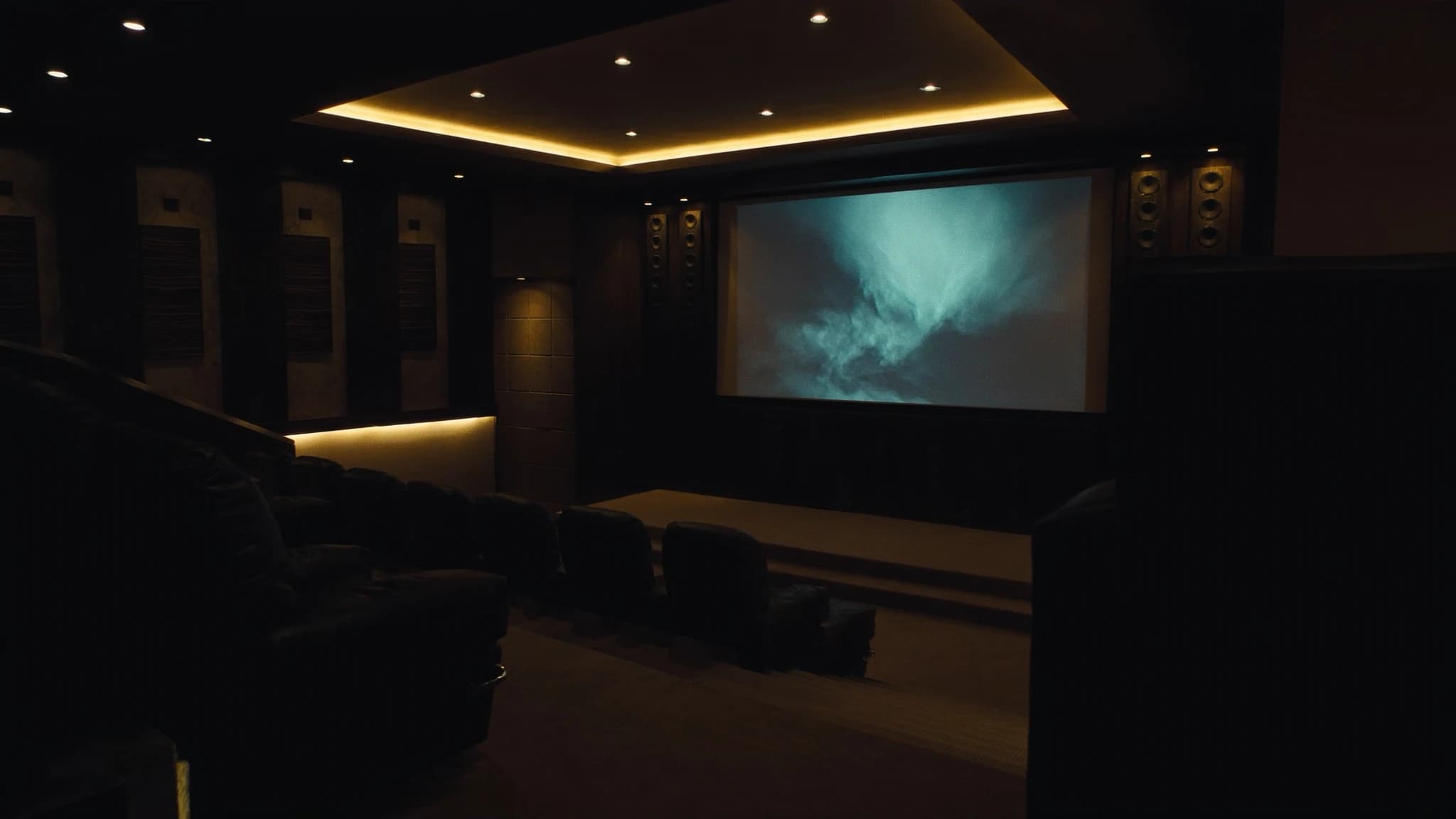
ホームシネマに最適なAVレシーバーを選ぶことは、チャンネル数、没入型オーディオフォーマット、HDMI 2.1対応、ルームキャリブレーションのバランスを取ることです。5.1.2 Atmosセットアップを構築する場合でも、9.2.4の強力なシステムを組む場合でも、適切なAVRがシネマティックなサウンドを引き出します。ここでは、Denon、Yamaha、Marantz、Onkyoのトップピックとともに、スピーカーと部屋にレシーバーを合わせる方法を説明します。
主なポイント
- 部屋の広さとスピーカーレイアウトに基づいてチャンネル数を選択。小さな部屋は5.1.2、専用シアターは7.1.4または9.1.4。
- HDMI 2.1は4K/120HzゲーミングとeARCに不可欠。AVRに少なくとも3つの入力を確保。
- ルームキャリブレーション(Audyssey、YPAO、Dirac)はサウンドを劇的に改善。Diracが最も先進的だが、Audyssey XT32も優れている。
- レシーバーのパワーをスピーカー能率とインピーダンスに合わせる。8オームで100Wが中規模室の良いベースライン。
- Denon、Marantz、Yamaha、Onkyoはすべて優れた選択肢。Denon AVR-X3800Hはトップオールラウンダー。
- 適切な換気、キャリブレーション、クロスオーバー設定が最高の性能を得る鍵。
チャンネルと没入型オーディオの理解
AVレシーバーはチャンネル数で定義され、5.1、7.1、9.1以上が接続できるスピーカー数を決定します。Dolby AtmosとDTS:Xにはハイトチャンネルが必要です。5.1.2システムはイヤーレベルに5つ、サブウーファー1つ、天井に2つです。7.1.4はリアサラウンド2つとハイト4つを追加します。チャンネルが多いほど包囲感のあるサウンドステージを作りますが、より多くのスピーカーとアンプパワーが必要です。
選ぶ際は部屋の広さとレイアウトを考慮してください。専用ホームシアターは7.1.4や9.1.4が有益ですが、リビングルームは5.1.2が上限かもしれません。ほとんどの最新AVRはDolby Atmos、DTS:X、IMAX Enhancedに対応していますが、ステレオや5.1コンテンツをフルスピーカーアレイに拡張するDolby SurroundやDTS Neural:Xなどのアップミキシングモードを確認してください。
HDMI 2.1:ゲーミングと8Kのための将来対応
HDMI 2.1は次世代ゲーム機(PS5、Xbox Series X)や8Kソースに不可欠です。4K/120Hz、8K/60Hz、可変リフレッシュレート(VRR)、自動低遅延モード(ALLM)、eARCをサポートします。これがないと、高フレームレートゲーミングや高度なオーディオリターンチャンネル機能を失います。主要ブランドはミッドレンジ以上にHDMI 2.1を搭載していますが、入力数を確認してください。予算モデルには1つしかないものもあります。
将来を見据えたセットアップには、少なくとも3つのHDMI 2.1入力を探してください。DenonのAVR-Xシリーズ、YamahaのRX-Aシリーズ、MarantzのCinemaシリーズ、OnkyoのTX-RZシリーズはすべて完全なHDMI 2.1サポートを提供します。初期実装には帯域幅の問題がありましたが、2023年以降のモデルは完全準拠です。
ルームキャリブレーション:Audyssey、YPAO、Dirac Live
ルームキャリブレーションは優れたサウンドの秘訣です。スピーカーと部屋の音響を測定し、反射、低音のディップ、周波数バランスを補正するEQを適用します。DenonとMarantzはAudyssey MultEQ(上位モデルはXT32)、YamahaはYPAO(プレミアムモデルはR.S.C.と3D付き)、Onkyo/Integraは一部モデルでDirac Liveを提供します。
Dirac Liveは最も先進的と広く考えられ、フルバンドワイズ補正とオプションの低音管理を提供します。Audyssey MultEQ XT32はほとんどの部屋に優れ、YPAOの3DバージョンはYamaha独自のサウンドフィールド処理に最適化します。クリティカルリスニングには、キャリブレーションマイクとアプリベースの手動調整(Audyssey MultEQ Editorなど)で結果を微調整できます。
パワー定格:レシーバーとスピーカーのマッチング
出力は8オーム、2チャンネル駆動時のチャンネルあたりワット数(WPC)で測定されます。100Wレシーバーは中規模室でほとんどのブックシェルフスピーカーをリファレンスレベルまで駆動できますが、低能率(88dB未満)のフロアスタンディングスピーカーは150W以上が必要かもしれません。6または4オームでの高いワット数に惑わされず、実世界性能のために8オーム定格を確認してください。
インピーダンスマッチングが重要です。スピーカーが4オームまで下がる場合、レシーバーが4オーム動作に対応していることを確認してください(ほとんどのDenon、Marantz、Onkyoモデルは対応、一部Yamahaは電力を制限するかもしれません)。また、過渡信号用の短いバーストであるダイナミックパワーも考慮してください。これは連続定格より高いことがよくあります。堅牢な電源(トロイダルトランスなど)を備えたレシーバーは、要求の厳しい負荷をよりクリーンに駆動します。
カテゴリー別トップピック
**総合ベスト:Denon AVR-X3800H**、9.4チャンネル、Audyssey MultEQ XT32、フルHDMI 2.1、Dirac Liveアップグレードオプション。機能と価格の優れたバランス。**音楽向けベスト:Marantz Cinema 40**、9.4チャンネル、HDAMプリアンプ、Audyssey MultEQ XT32、温かみのある音質。ハイブリッドシステムに理想的。**ゲーミング向けベスト:Yamaha RX-A6A**、9.2チャンネル、YPAO R.S.C. with 3D、HDMI 2.1、VRRやALLMなどの高度なゲーミング機能。**バリューベスト:Onkyo TX-RZ50**、9.2チャンネル、Dirac Live付属、THX Select、堅牢なパワー。予算に優しいパワーハウス。
5.1.2セットアップには、Denon AVR-S970HやYamaha RX-V6Aが堅実な選択です。7.1.4や9.1.4システムには、Denon AVR-X4800HやMarantz Cinema 50にステップアップしてください。常にレシーバーのチャンネル数を計画したスピーカーレイアウトに合わせてください。使わない余分なチャンネルを買うのは無駄です。
設置とセットアップのヒント
レシーバーは換気の良い場所に置いてください。AVRは特に多くのチャンネルを駆動するときに熱を発生します。キャリブレーションマイクを主要リスニング位置の耳の高さで使用し、ルーム補正ソフトウェアを実行してください。Atmosには天井スピーカーが理想的ですが、反射天井ならアップファイリングモジュールも機能します。ほとんどのシステムでスピーカーカットオフを80Hzに設定し、低音はサブウーファーに任せてください。
バイアンプや外部アンプ用のプリアウトは、要求の厳しいスピーカーで音質を向上させることができます。多くの中級AVRはフロント左右チャンネル用のプリアウトを提供します。最後に、ファームウェアを更新してHDMI 2.1互換性とDolby Atmos FlexConnectなどの新機能へのアクセスを確保してください。
よくある質問
5.1.2システムに9.2チャンネルレシーバーは必要ですか?
いいえ、5.1.2には7.2チャンネルレシーバーで十分です。9.2チャンネルレシーバーなら、将来5.1.4や7.1.2に拡張できます。
4オームスピーカーでレシーバーを使えますか?
はい、ただしレシーバーの仕様を確認してください。ほとんどのDenon、Marantz、Onkyoモデルは4オーム負荷に対応していますが、Yamahaは制限があるかもしれません。レシーバーが低インピーダンスを扱い、過熱しないことを確認してください。
Dirac Liveは追加コストに見合いますか?
クリティカルリスニングや難しい部屋では、はい。Dirac LiveはAudysseyやYPAOよりも精密な補正と低音管理を提供します。専用シアターや音響問題があるなら、価値のあるアップグレードです。
DenonとMarantzの違いは何ですか?
Marantzは一般的に温かみのある音楽的な音質、高品質なコンポーネント(HDAM)、プレミアムな作りです。Denonは同様の機能をより低価格で提供し、やや分析的な音質です。両社はSound Unitedが所有し、コア技術を共有しています。
HDMI 2.1入力はいくつ必要ですか?
PS5とXbox Series Xがあるなら少なくとも2つ、さらにストリーミングデバイスや8Kソース用に1つ。将来を見据えるなら3つ以上が理想的です。
システムの構築やアップグレードをお考えですか?
SSOUNDSは、単一の部屋からスタジアム規模まで、プロ用PAを世界中で設計・製造しています。