サウンドバー vs AVレシーバー:あなたのホームシネマにはどちらが適しているか?
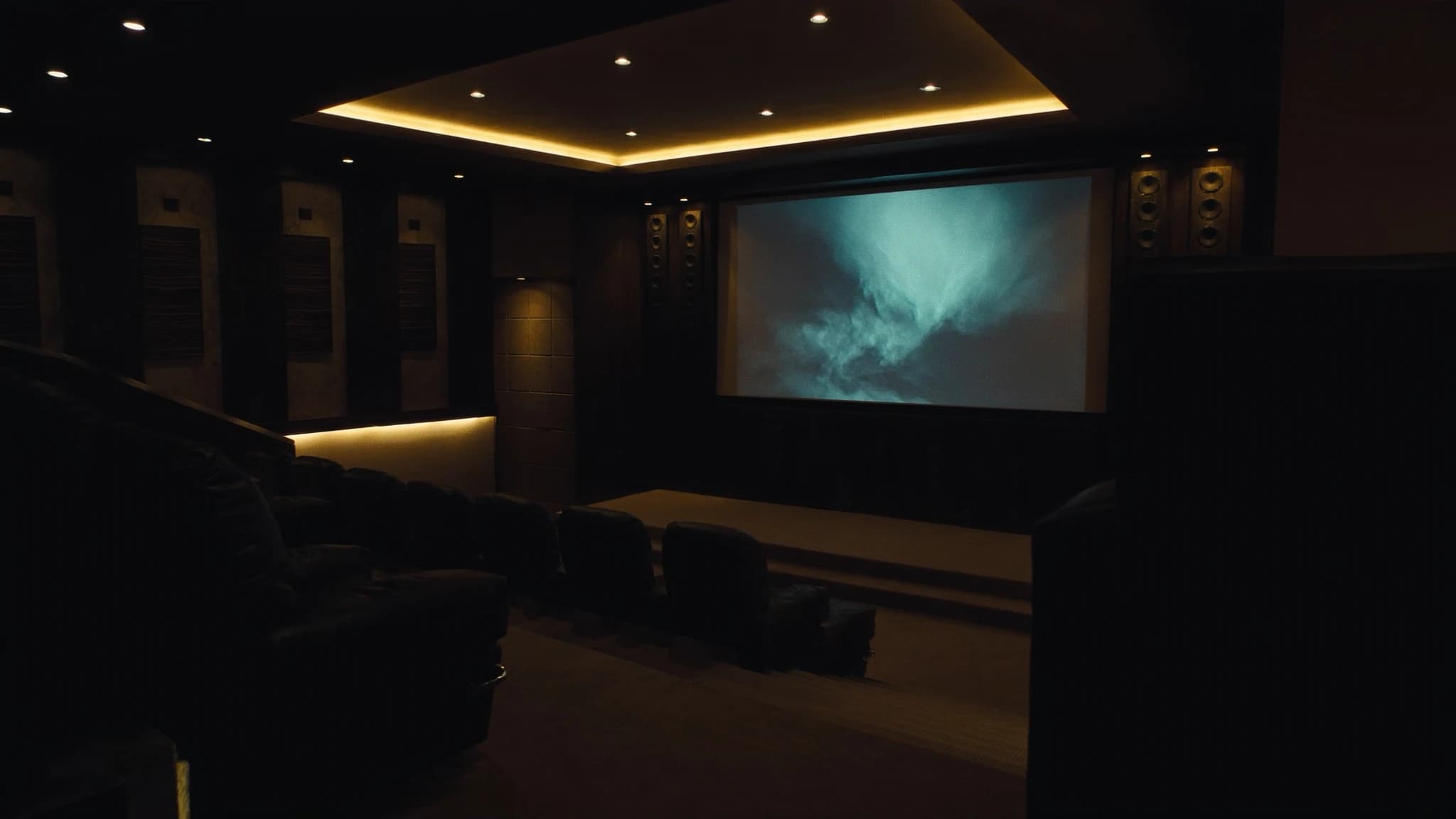
サウンドバーとフルAVレシーバーシステムのどちらを選ぶかは、ホームシネマで最も一般的なジレンマの一つです。どちらも印象的なオーディオを提供できますが、異なる部屋、予算、期待に応えます。このガイドでは、実際のトレードオフを分解し、自信を持って決定できるようにします。
主なポイント
- サウンドバーは統合されたシンプルさを提供し、AVレシーバーシステムはより高いパフォーマンスとアップグレード性のためにコンポーネントを分離します。
- フルAVRシステムは通常、より良いダイナミクス、深い低音、より正確な没入感を提供し、特に大きな部屋で顕著です。
- サウンドバーはスペース、設置の容易さ、初期費用で勝り、小さな部屋やカジュアルなセットアップに理想的です。
- 最良の選択は、部屋のサイズ、パフォーマンスへの期待、スピーカーを計画し配置する意欲によって異なります。
- キャリブレーションとセットアップは機器自体と同じくらい重要です。よく調整された予算システムは、セットアップが不十分な高価なシステムを上回ることがあります。
核心的な違い:統合 vs 分離
サウンドバーは統合ソリューションです:複数のスピーカー、アンプ、プロセッシングが1つまたは2つのエンクロージャに詰め込まれ、しばしばワイヤレスサブウーファーと時にはリアサテライトが付属します。AVレシーバー(AVR)システムはこれらの機能を分離します:AVRはプロセッシングと増幅を処理し、個々のスピーカーを選択して部屋の周りに配置します。
そのアーキテクチャの違いが他のすべてを決定します。サウンドバーは利便性と最小限のフットプリントを優先します。AVRシステムはパフォーマンス、アップグレード性、カバレッジとダイナミクスの正確な制御を優先します。どちらも普遍的に優れているわけではありません。正しい選択は、部屋、優先事項、体験をどこまで追求したいかによって異なります。
SSOUNDSでは、統合型とコンポーネントベースの両方のプロフェッショナルオーディオシステムを設計しており、ホームシネマでも同じ原則が当てはまると考えています:統合はシンプルさで勝り、分離は究極の能力で勝ります。
音質:それぞれのアプローチが優れる点
優れたサウンドバーは驚くほど良い音を出すことができます。特に専用のサブウーファーとリアスピーカーを備えたマルチピースシステムはそうです。それらは制御されたエンジニアリングの恩恵を受けます:ドライバー、アンプ、DSPは工場でマッチングされ、しばしば高度なルームコレクションが施されます。多くのリビングルームでは、プレミアムサウンドバーがクリアなダイアログ、適切なサラウンド、映画に十分な低音を提供します。
しかし、物理法則が限界を課します。サウンドバーは浅いエンクロージャに小さなドライバーを使用するため、低周波出力とダイナミックヘッドルームが制限されます。ブックシェルフまたはフロアスタンディングスピーカー、専用センタースピーカー、適切なサブウーファーを備えたフルAVRシステムは、より大きなスケール、深い低音、より楽なダイナミクスを生み出すことができます。特に映画のダイアログに最も重要なスピーカーであるセンタースピーカーだけでも、AVRセットアップでは通常より大きく、より良い位置に配置されます。
プロフェッショナルオーディオでは、カバレッジと明瞭度がドライバーサイズ、キャビネット容積、正確な配置に依存することを知っています。同じことが家庭でも当てはまります。リファレンスレベルのインパクトと、大きな部屋を無理なく満たす能力を求めるなら、セパレーツが優位です。
没入感:サラウンドとハイトチャンネル
現代のサウンドバーは、ビームフォーミングと心理音響プロセッシングを使用して没入型オーディオをシミュレートすることがよくあります。一部は高さ効果のために上向きドライバーを含み、いくつかはワイヤレスサテライトを介して真の個別リアチャンネルをサポートします。これらは、特に反射天井のある小さな部屋で、説得力のある音の泡を作り出すことができます。
対照的に、AVRシステムはすべてのチャンネルに個別のスピーカーをサポートできます:フロント左、センター、右、サラウンド、リアサラウンド、複数の高さまたは天井スピーカー。これにより、より正確なオブジェクト配置とより安定した没入型フィールドが実現します。各音が正しい位置にある実際のスピーカーから来るためです。専用の部屋や大きな空間では、違いは顕著です。
とはいえ、適度な部屋でよく設計されたサウンドバーは、セットアップが不十分なAVRシステムを上回ることがあります。セットアップとキャリブレーションは非常に重要です。SSOUNDSのエンジニアはAI支援モデリングを使用してスピーカー配置とDSPを最適化しており、同じ規律が家庭にも当てはまります:キャリブレーションされたシステムは、より高価な未キャリブレーションのものに勝ります。
コスト:投資を決定づけるもの
サウンドバーは一般的に初期費用が少なくて済みます。すべてを含む1つのボックス(またはいくつか)を購入するためです。別個のアンプ、スピーカーケーブル、複数のスピーカーを購入する必要はありません。設置は簡単で、多くの場合、電源コンセントとHDMIケーブルだけです。
AVRシステムは、複数のコンポーネントを購入するため、コストが高くなります:レシーバー、フロントスピーカー、センタースピーカー、サラウンド、サブウーファー、そしてしばしばスタンド、ケーブル、音響処理。総投資額はサウンドバーの数倍になることがあります。しかし、よりアップグレード可能でもあります:新しいフォーマットが登場したときにレシーバーを交換したり、スピーカーを一度に一対ずつアップグレードしたりできます。
鍵は、支出を部屋と期待に合わせることです。セカンダリTVや寝室には、サウンドバーがしばしば賢い選択です。専用のシネマルームや、リファレンスパフォーマンスを求める大きなリビングスペースでは、セパレーツの高いコストは結果によって正当化されます。
スペースと設置:実用的な現実
サウンドバーはスペースで勝ります。TVの下または前に置かれ、ワイヤレスサブウーファーは隠され、リアスピーカーは選択した場合のみです。配置するスピーカースタンド、部屋を横切るケーブル、複数のドライバーを整列させる必要はありません。これにより、アパート、賃貸住宅、美学とミニマリズムが重要な部屋に理想的です。
AVRシステムはより多くのスペースと計画を必要とします。レシーバー用のスペース(しばしば換気のあるキャビネット内)、少なくとも5つのスピーカーの位置、サブウーファーが必要です。ケーブルを配線し、スピーカー配置は適切なイメージングのために角度と距離を尊重する必要があります。正しく行われれば、結果は本物のシネマのように見え、聞こえる部屋になりますが、それはプロジェクトです。
多くの人にとって、設置の労力が決定的な要因です。ほとんどセットアップなしで素晴らしい音を求めるなら、サウンドバーが答えです。スピーカーを計画し配置する用意があるなら、AVRシステムは優れたパフォーマンスで報います。
使いやすさと将来性
サウンドバーは簡単です:1つのリモコン、自動入力切り替え、しばしば内蔵ストリーミング。プラグアンドプレイ用に設計されています。ファームウェア更新で機能を追加できますが、ハードウェアは固定されているため、個々のコンポーネントをアップグレードすることはできません。
AVRは操作がより複雑で、複数の入力、リスニングモード、キャリブレーションメニューがあります。しかし、より柔軟でもあります。より多くのソースを接続し、異なるゾーンに異なるスピーカーを使用し、HDMI標準や没入型フォーマットが進化したときにレシーバーをアップグレードできます。愛好家にとって、その柔軟性は大きな利点です。
プロフェッショナルオーディオでは、強力で信頼性の高いシステムを設計し、コンポーネントをサービスおよびアップグレードする能力を重視しています。同じ哲学が家庭にも当てはまります:セパレーツはより長く、より適応性のあるライフサイクルを提供します。
選び方:シンプルなフレームワーク
部屋から始めましょう。限られたスペースと控えめな予算の小から中規模のリビングルームは、高品質のマルチピースサウンドバーを指します。大きな部屋、専用のシネマ、またはスピーカーを適切に配置できるスペースは、AVRシステムを指します。
次に、優先事項を考慮してください。最高の音質と没入感を求め、時間とお金を投資する用意があるなら、セパレーツを選びましょう。TVスピーカーからの大きな改善を最小限の手間で求めるなら、サウンドバーが正しい選択です。
最後に、未来について考えてください。時間をかけてアップグレードする予定なら、AVRシステムがその道を提供します。ただ機能する単一の購入を好むなら、サウンドバーがよりシンプルです。いずれにせよ、音響を理解し製品をサポートするメーカーから購入してください。SSOUNDSでは、設計するすべてのシステムにプロフェッショナルグレードのエンジニアリングをもたらし、あなたのスペースに最適なオプションを検討するお手伝いを喜んで行います。
よくある質問
サウンドバーは本当にAVレシーバーシステムと競合できますか?
小から中規模の部屋では、プレミアムなマルチピースサウンドバーが印象的なサラウンドと低音を提供し、ほとんどの視聴者にとって十分な場合が多いです。しかし、特に広い空間では、別個のスピーカーを備えた適切にセットアップされたAVRシステムのダイナミックヘッドルーム、深い低音の伸び、正確なイメージングには及びません。
サウンドバーがあればAVレシーバーは必要ですか?
いいえ。サウンドバーには独自のアンプとプロセッシングが含まれています。AVレシーバーは、別個のスピーカーを選択する場合にのみ必要です。一部のサウンドバーはHDMIスイッチングを提供しますが、AVRはより多くの入力と複数のソースに対する柔軟性を提供します。
Dolby Atmosにはどちらが良いですか?
どちらもDolby Atmosをサポートできます。サウンドバーはしばしば上向きドライバーとプロセッシングを使用して高さ効果をシミュレートしますが、AVRシステムは個別の天井または高さスピーカーを使用してより正確なオブジェクト配置を実現できます。最良の結果は部屋の音響とセットアップに依存します。
後でサウンドバーをアップグレードできますか?
一般的には、いいえ。サウンドバーは統合ユニットであるため、個々のスピーカーやアンプを交換することはできません。モデルがサポートしていればサブウーファーやリアスピーカーを追加できますが、コアハードウェアは固定されています。AVRシステムではコンポーネントごとのアップグレードが可能です。
ワイヤレスリアスピーカーについてはどうですか?
多くのサウンドバーはワイヤレスリアスピーカーを提供し、設置を簡素化します。AVRシステムもワイヤレスキットを使用できますが、従来の有線スピーカーはしばしばより信頼性の高いパフォーマンスを提供し、後部に電源要件がありません。部屋とケーブルに対する許容度に基づいて選択してください。
システムの構築やアップグレードをお考えですか?
SSOUNDSは、単一の部屋からスタジアム規模まで、プロ用PAを世界中で設計・製造しています。