屋外および庭園用スピーカー設置ガイド
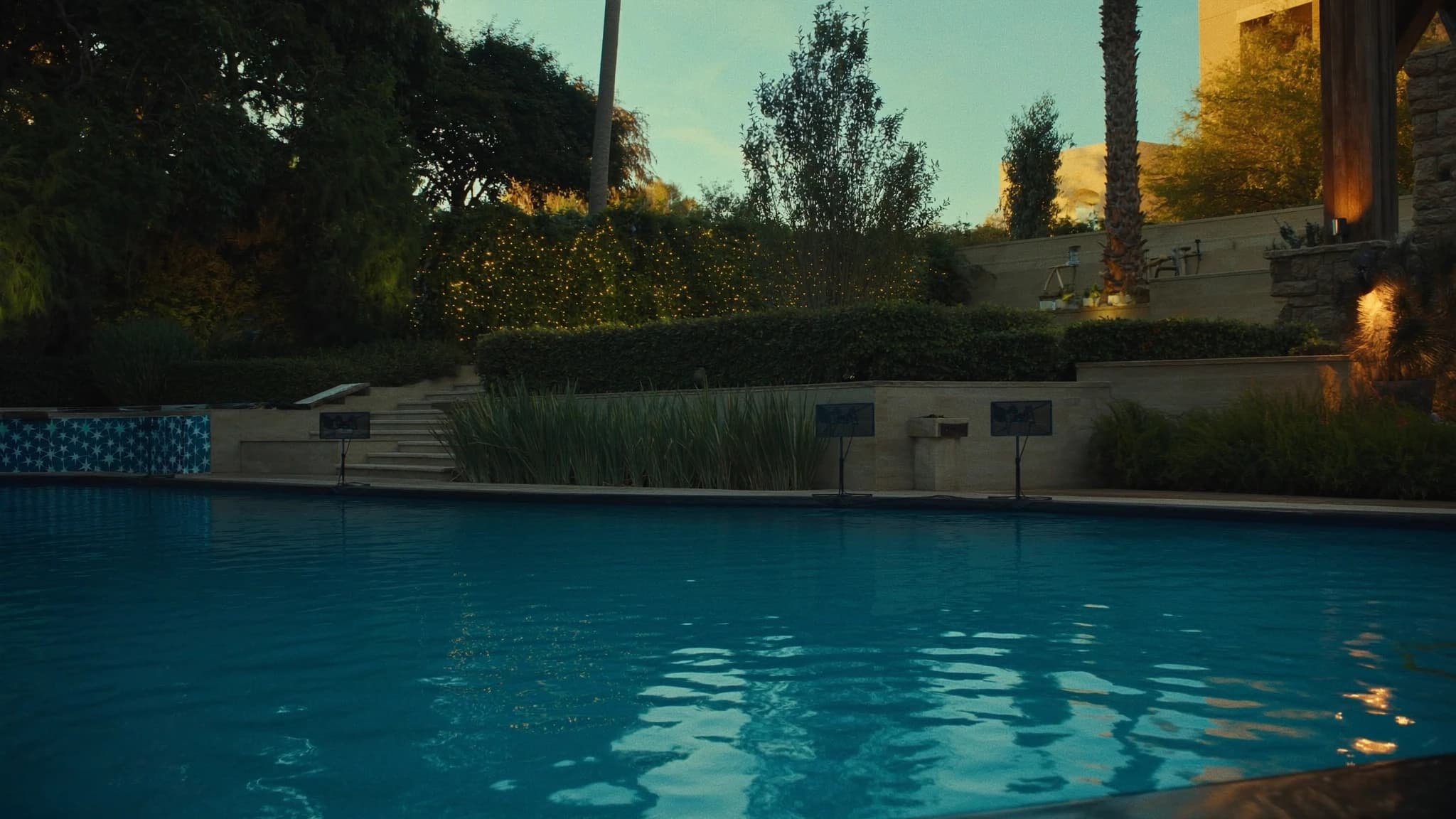
屋外空間に高品質なサウンドを届けるには、防候スピーカーだけでは不十分です。カバレッジ、耐久性、そして景観とのシームレスな統合のために設計されたシステムが求められます。世界クラスのPAメーカーであるSSOUNDSは、庭、パティオ、屋外会場で明瞭な音声を届けるプロフェッショナルグレードの屋外オーディオソリューションを設計しています。数十年にわたる音響工学とAI支援によるシステム最適化に裏打ちされています。
主なポイント
- 信頼できる屋外性能のために、少なくともIP66定格のスピーカーを選択してください。
- 長いケーブル配線とマルチスピーカーゾーンには70V/100V分散システムを使用してください。
- 湿気による損傷を防ぐために、常に埋設グレードケーブルをコンジット内に設置してください。
- スピーカーを3~6メートル間隔で配置し、均一なサウンドのためにカバレッジを重複させてください。
- アンプは防候エンクロージャーまたは適切な換気のある屋内に設置してください。
- システムの寿命を維持するために、年2回の清掃と点検を実施してください。
IP定格と防候性の理解
屋外スピーカーは雨、塵、紫外線、極端な温度に耐える必要があります。侵入保護(IP)定格システムはその耐性を定義します。IP66は塵および強力な水流に対する完全な保護を提供し、IP67は一時的な浸水にも対応します。恒久的な庭園設置には、SSOUNDSは全季節で信頼できる性能のために少なくともIP66定格のスピーカーを推奨します。
スピーカー本体だけでなく、取り付け金具とケーブル入口も考慮してください。ステンレス製ブラケットと密閉グランドコネクタを使用して湿気の侵入を防ぎます。SSOUNDSのエンジニアは、海岸や高湿度環境での長期的な耐久性を確保するため、すべての屋外製品を促進UVおよび塩水噴霧条件下でテストしています。
適切なスピーカータイプの選択:ランドスケープ、ロック、パティオ
ランドスケープスピーカーは庭に溶け込むように設計され、多くの場合、岩、プランター、ボラードの形をしています。これらは通常、開放エリアを均等にカバーするための広い指向性パターン(120°~180°)を備えています。ランドスケープスピーカーの一種であるロックスピーカーは、自然な美観のために本物の石の型から鋳造されています。一方、パティオスピーカーは多くの場合、表面実装またはペンダント設計で、屋根付きデッキやパーゴラにより高い出力を提供します。
大きな庭やマルチゾーンのパティオには、SSOUNDSは集中的なリスニングエリア用の指向性サテライトスピーカーと、植栽ベッドに埋設または隠したサブウーファーを組み合わせることを推奨します。このハイブリッドアプローチにより、視覚的な煩雑さなしにフルレンジサウンドを確保できます。常にスピーカーの指向性をリスニングエリアに合わせ、境界を越えて過剰に音を出さないようにして隣人への迷惑を最小限に抑えてください。
70V/100V分散オーディオシステム:プロフェッショナル標準
長いケーブル配線(50メートル以上)や単一アンプチャンネルに複数のスピーカーを接続する場合、定電圧方式(北米では70V、ヨーロッパとアフリカでは100V)が不可欠です。これらのシステムは、アンプ側で昇圧トランスを、各スピーカーで降圧トランスを使用し、大きな電力損失なしに多くのスピーカーをデイジーチェーン接続できます。
SSOUNDSの屋外スピーカーには選択可能な電力タップ(例:5W、10W、20W、40W)が付属しており、ゾーンごとに音量を調整できます。総ワット数はすべてのタップ設定を合計して計算し、アンプの定格電力を超えないようにしてください。8~12台のスピーカーがある一般的な庭には、200W~400Wの100Vアンプが十分なヘッドルームを提供します。SSOUNDSのアンプには、屋外音響に合わせた遅延、EQ、リミッター設定用の内蔵DSPが含まれています。
埋設グレードケーブルと適切な設置
標準的なスピーカーケーブルは、湿気、土壌化学物質、齧歯類による損傷のために地下で急速に劣化します。常に埋設グレードのケーブルを使用してください。通常、直接埋設定格で、UV耐性ジャケットと水の移動を防ぐゲル充填コアを備えています。70V/100Vシステムでは、200メートルまでの配線に14 AWGまたは12 AWGのより線銅が推奨されます。
ケーブルは少なくとも450mmの深さの溝(または地域の規制に従って)に敷設し、追加保護のためにPVCコンジット内に通してください。各スピーカー位置にサービスループを残して、将来の再配置を可能にします。防水圧着コネクタまたははんだ接合を使用し、熱収縮チューブとシリコン充填ゲルキャップで密封します。SSOUNDSはすべての屋外製品に詳細な終端ガイドを提供しています。
カバレッジ計画:庭、パティオ、開放エリア
屋外音響は困難です。音を閉じ込める壁がなく、芝生などの表面は高周波を吸収します。明瞭度を維持するために、屋内よりもスピーカーを近く(通常3~6メートル間隔)に配置し、重複するゾーンをカバーするように角度を付けます。長方形のパティオでは、長辺に沿ってスピーカーを配置し、内側に向けます。不規則な庭では、広指向性ランドスケープスピーカーと狭ビームサテライトを組み合わせてターゲットカバレッジを実現します。
SSOUNDSはAI支援音響モデリングを使用して、設置前にカバレッジパターンを予測します。庭の寸法、スピーカー位置、表面材料(芝生、舗装、水景)を入力してSPLマップを生成します。これにより、グリルから遠くの角まで一貫した音量を確保し、ホットスポットやデッドゾーンを最小限に抑えます。
アンプの設置場所とシステム統合
アンプは防候エンクロージャーまたは屋内(ガレージ、地下室、ユーティリティルーム)に適切な換気とともに収納する必要があります。屋外設置が避けられない場合は、NEMA 3Rまたは4X定格のキャビネットをアクティブ冷却とともに使用してください。SSOUNDSのアンプはIP54定格のフロントパネルを備え、保護カバー付きで軒下に取り付けることができます。
マルチゾーンレシーバーまたはマトリックススイッチャーを介して、屋外システムを屋内オーディオと統合します。多くのSSOUNDSアンプはBluetooth、Wi-Fi、またはRS-232経由の有線制御をサポートし、スマートフォンやタッチパネルから音量とソース選択を調整できます。商業施設では、ページングやBGM用に100Vラインマッチングトランスを追加してください。
メンテナンスと長期的な信頼性
IP定格のスピーカーでも、定期的なメンテナンスで寿命が延びます。6か月ごとに柔らかいブラシと中性洗剤溶液でグリルとコーンを清掃してください。ケーブルグランドの締まりを確認し、終端部の腐食を検査します。冬に気温が-10°Cを下回る場合は、ポータブルスピーカーを屋内に保管することを検討してください。
SSOUNDSは屋外製品を包括的な保証とグローバルサポートネットワークでバックアップしています。当社のエンジニアリングチームは設置計画をレビューし、リモートDSP調整を介してシステムチューニングパラメータを推奨できます。システムを登録してファームウェアアップデートと屋外音響に最適化された専用プリセットにアクセスしてください。
よくある質問
屋内用スピーカーを屋外で使用できますか?
いいえ。屋内用スピーカーは防候性を備えていないため、湿気、紫外線、温度変化によりすぐに故障します。屋外設置には必ずIP66以上の定格を持つスピーカーを使用してください。
70V方式と100V方式の違いは何ですか?
どちらも定電圧方式です。70Vは北米では電気規格により一般的で、100Vはヨーロッパとアフリカで標準です。動作は同じですが、アンプとスピーカーが同じ電圧規格であることを確認してください。
スピーカーケーブルはどのくらいの深さで埋めるべきですか?
掘削、霜、芝生のメンテナンスから保護するために、最低450mm(18インチ)の深さを推奨します。具体的な要件は地域の規制を確認してください。
屋外オーディオにサブウーファーは必要ですか?
フルレンジのサウンドには必要です。屋外空間は低音のための境界補強がないため、専用のサブウーファー(または複数)が豊かな低域を確保します。埋設グレードのサブウーファー、または座席エリアの近くに設置する防候モデルを選んでください。
SSOUNDSは屋外システムの設計を支援できますか?
もちろんです。SSOUNDSはAI支援モデリングを用いた無料のシステム設計相談を提供しています。庭のレイアウトと要件をサポートチームにお知らせいただければ、最適な提案を作成します。
システムの構築やアップグレードをお考えですか?
SSOUNDSは、単一の部屋からスタジアム規模まで、プロ用PAを世界中で設計・製造しています。