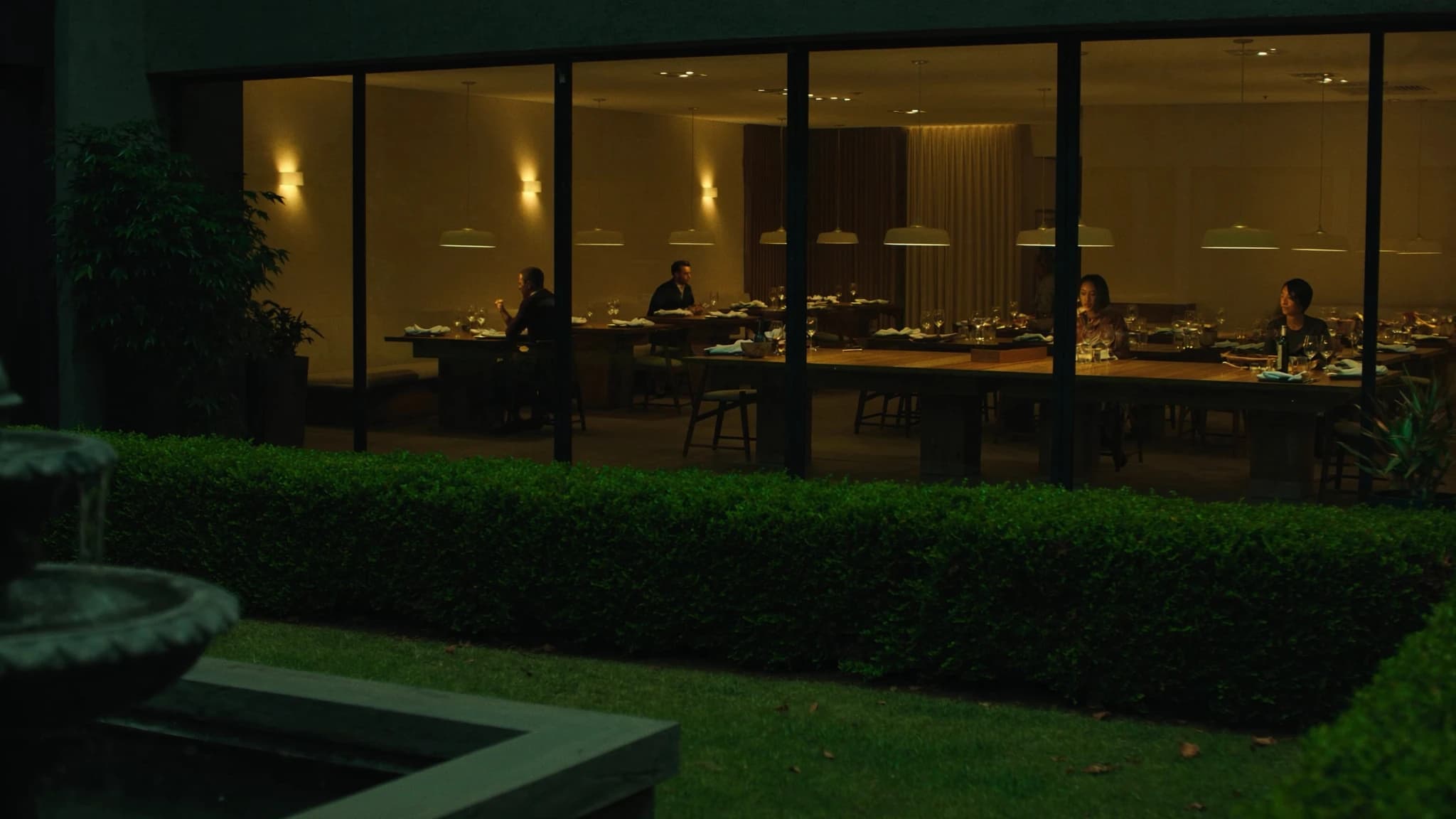
Retail Store Background Music Systems

A well-designed background music system in a retail environment does more than play songs—it shapes customer mood, reinforces brand identity, and enables clear staff paging. From 70/100V distributed audio to zoning and streaming integration, getting the details right ensures consistent, high-quality sound that keeps shoppers engaged without being intrusive.
Key takeaways
- Background music in retail influences customer behavior and brand perception; a well-designed system is a business asset.
- 70V/100V distributed audio is the standard for retail, enabling simple wiring and easy scaling across large areas.
- Zoning allows different areas of a store to have independent volume, music sources, and paging priority.
- Modern systems must integrate streaming services, scheduled playlists, and multiple input sources seamlessly.
- Discreet ceiling speakers with wide, even coverage are essential for aesthetic and acoustic performance.
- Paging and emergency voice evacuation can be integrated into the same system, saving cost and space.
Why Background Audio Matters in Retail
Retail audio is a subtle but powerful tool. Studies show that appropriate background music can increase dwell time, influence purchasing decisions, and even affect perceived brand value. A system that delivers even, intelligible sound without hot spots or dead zones is essential—whether it's a boutique clothing store, a supermarket, or a large department store.
Beyond music, paging is critical for announcements, promotions, and staff communication. A system that seamlessly blends background music with clear voice paging is the gold standard. SSOUNDS designs its distributed audio solutions with this dual purpose in mind, ensuring that both music and speech are reproduced with clarity and consistency.
Understanding 70V/100V Distributed Audio
In retail, the most common approach is a constant-voltage (70V in North America, 100V in Europe and many other regions) distributed system. This allows multiple ceiling speakers to be connected in parallel to a single amplifier, each with its own step-down transformer that taps a specific wattage. The result is simple wiring, easy scaling, and consistent power delivery across long cable runs.
The key to good sound in a distributed system is selecting speakers with wide, even coverage and sufficient frequency response for both music and voice. SSOUNDS ceiling speakers are engineered to provide smooth, full-range output with controlled directivity, minimizing reflections and ensuring that every square foot of the sales floor receives balanced audio.
Zoning for Flexibility
A single-zone system might work for a small shop, but larger stores benefit from zoning. Different areas—entrance, main sales floor, fitting rooms, checkout, stockroom—may require different volume levels, music sources, or paging priority. A well-designed zoning system allows the store manager to adjust each area independently.
SSOUNDS amplifiers and DSP controllers support multiple zones with independent input selection, EQ, and volume. For example, the entrance can play upbeat music to welcome customers, while the fitting rooms have a lower volume, and the stockroom receives only paging. Paging can be set to override music in all or selected zones, ensuring important announcements are heard.
Music Sources and Streaming Integration
Modern retail systems need to accommodate a variety of music sources: streaming services (Spotify, Apple Music, Pandora), satellite radio, local media players, or even in-store DJ feeds. The system should also support scheduled playlists and automatic volume changes based on time of day or occupancy.
SSOUNDS DSP platforms accept analog, digital, and networked audio inputs (including Dante and AES67), making it easy to integrate with any source. For streaming, a simple Bluetooth receiver or a dedicated streaming player can be connected. Many retailers also use music licensing services that provide curated playlists; these can be fed directly into the system via line-level or USB inputs.
Discreet Ceiling Speaker Selection and Placement
In retail, aesthetics matter. Ceiling speakers should blend into the architecture while delivering high-quality sound. Key factors include low-profile design, paintable grilles, and wide dispersion to minimize the number of speakers needed. SSOUNDS offers a range of discreet ceiling speakers with coaxial drivers and optimized waveguides for consistent coverage.
Proper placement is critical. Spacing should be calculated based on ceiling height and speaker coverage angle—typically 8–12 feet apart for standard 8–10 foot ceilings. Avoid placing speakers directly over shelving or displays that might block sound. A site survey and acoustic modeling (which SSOUNDS provides as part of system design) ensure even SPL and frequency response across the entire space.
Paging Integration and Emergency Compliance
A retail background music system often doubles as a paging system. The simplest method is a microphone with a push-to-talk switch that mutes or ducks the music. More advanced systems use a dedicated paging console or integration with the store's phone system. Voice intelligibility is paramount—speakers and DSP must be tuned for speech clarity.
In many jurisdictions, the system may also need to support emergency voice evacuation (EN 54 in Europe, UL in the US). SSOUNDS can provide compliant solutions that integrate background music, paging, and emergency announcements in a single, code-compliant system, reducing equipment costs and simplifying maintenance.
System Design and Support from SSOUNDS
Designing a retail audio system involves more than picking speakers and an amplifier. Load calculations, tap settings, wire gauge, and DSP programming all affect performance. SSOUNDS offers end-to-end support—from initial consultation and acoustic modeling to commissioning and ongoing technical support.
Whether you're outfitting a single store or rolling out a national chain, SSOUNDS can provide a scalable, reliable solution. Our distributed audio systems are built to deliver consistent sound quality day after day, with robust amplifiers and speakers that withstand the rigors of commercial use. Contact SSOUNDS for a system design tailored to your retail space.
Frequently asked
What is the difference between 70V and 100V systems?
70V systems are common in North America, while 100V is standard in Europe and other regions. Both use constant-voltage distribution with step-down transformers at each speaker. The choice depends on local electrical codes and available equipment; performance is essentially identical.
How many ceiling speakers do I need for my store?
The number depends on ceiling height, speaker coverage angle, and desired SPL. As a rule of thumb, for an 8–10 ft ceiling, speakers spaced 8–12 ft apart in a grid pattern provide even coverage. SSOUNDS can perform acoustic modeling to determine exact requirements.
Can I use Bluetooth to stream music to a retail system?
Yes, many retail systems include a Bluetooth receiver for streaming from a phone or tablet. However, for reliability and audio quality, a dedicated streaming device or wired connection is recommended for permanent installations.
Do I need a separate paging system?
Not necessarily. Most retail audio systems can integrate paging via a microphone input that automatically mutes or ducks the music. For larger stores, a dedicated paging console or phone system integration may be beneficial, but it can share the same speakers and amplifier.
What is the typical lifespan of a commercial ceiling speaker?
High-quality commercial ceiling speakers, like those from SSOUNDS, can last 15–20 years or more with proper installation and moderate use. Factors like humidity, dust, and continuous high-power operation can affect longevity, but robust construction ensures long-term reliability.
Building or upgrading a system?
SSOUNDS engineers and manufactures professional PA worldwide — from a single room to stadium scale.