スタジアムとアリーナのサウンドデザインの基礎
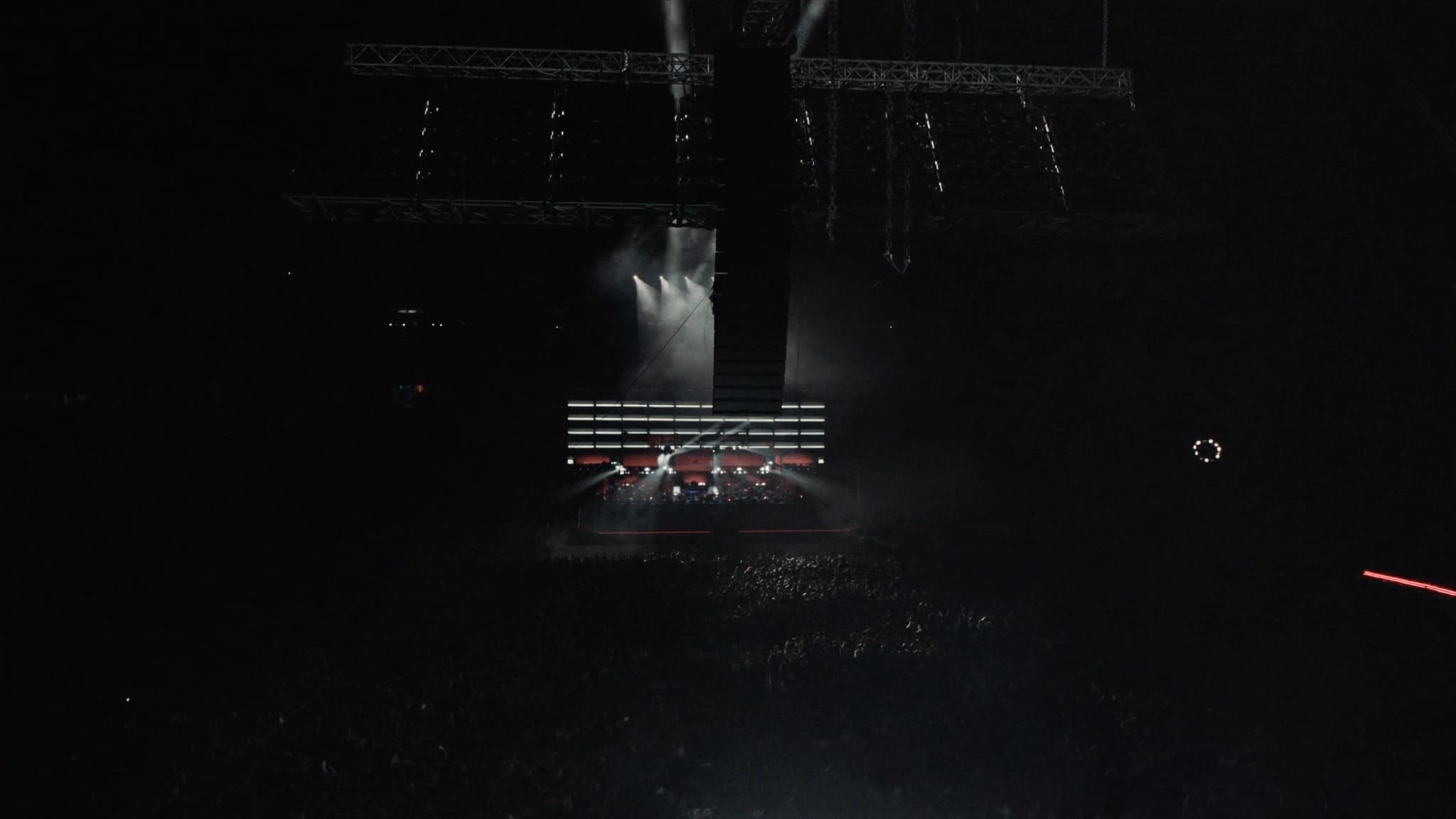
スタジアムやアリーナのサウンドデザインは、プロオーディオにおいて最も要求の厳しい課題の一つです。屋内の劇場やクラブとは異なり、これらの巨大な会場では、広大な距離に散らばる数万人の聴衆に、しばしば音響的に厳しい環境で、クリアで明瞭なオーディオを届ける必要があります。鍵となるのは、長距離投射ラインアレイ、正確なディレイリングの展開、そしてカバレッジとSPLの一貫性への厳密な注意です。SSOUNDSでは、高度なウェーブガイド技術、高出力トランスデューサー、インテリジェントDSPを組み合わせ、これらの課題に真っ向から取り組むシステムを設計し、最前列から上層デッキまで、すべての席が同じ音響的インパクトを体験できるようにしています。このガイドでは、世界クラスのスタジアムサウンドデザインを定義する基本原則を探ります。
主なポイント
- 長距離投射ラインアレイは円筒波面伝播を利用して距離にわたってSPLを維持し、距離が2倍になるごとにわずか3 dBの損失です。
- ディレイリングは、二次スピーカークラスターをメインアレイに時間整合することでカバレッジを拡張し、エコーを防ぎ、シームレスな移行を確保します。
- 明瞭度(STI > 0.7)には、残響と背景騒音を克服するために、高い指向性、FIRベースのDSP、高感度ドライバーが必要です。
- 一貫したカバレッジ(±3 dB)には、正確なスプレイ角度、カーディオイドサブウーファー構成、会場固有のEQ補正が求められます。
- Dante/AES67によるネットワークゾーニングにより、単一のシステムが呼び出し可能なプリセットを介してスポーツ、コンサート、会議に適応できます。
- 構造的安全性と環境耐性(IP55、高温動作)は、恒久的なスタジアム設置において譲れない要件です。
長距離投射ラインアレイの物理学
ラインアレイは現代のスタジアムサウンドの backbone です。距離とともにレベルが急速に低下する従来のポイントソーススピーカーとは異なり、ラインアレイは垂直に配置された複数のドライバー間の建設的干渉を利用して円筒波面を形成します。これにより、逆二乗則の損失が距離が2倍になるごとに3 dBに低減され(6 dBではなく)、はるかに遠くまで一貫したカバレッジで音を届けることができます。70,000席のスタジアムでは、上層ティアでもフィールドレベルに匹敵するレベルを受け取ることができます。
しかし、すべてのラインアレイが同等に作られているわけではありません。真の長距離投射能力には、専用の低中域エンクロージャーに大型フォーマットドライバー(通常12インチまたは15インチウーファー)を搭載し、クロスオーバー点まで指向性制御を維持する高周波ウェーブガイドと組み合わせる必要があります。SSOUNDSラインアレイは、独自のフェーズプラグとアイソフェージックマニホールドを採用し、コヒーレントな波面合成を確保し、ロービングとコムフィルタリングを最小限に抑えます。その結果、100メートルを超える距離でも明瞭度を維持するシステムが実現します。
ディレイリング:妥協なしでカバレッジを拡張
単一のラインアレイで、許容できないレベル変動なしにスタジアム全体をカバーすることはできません。そこでディレイリングの出番です。ディレイリングは、会場のさらに後方(例:バルコニーの下や上層デッキの後部)に配置された二次的なスピーカーセット(通常は小型ラインアレイまたはポイントソースボックス)で、メインシステムに対して時間整合されます。メインアレイからの音響到達時間に一致するデジタルディレイを導入することで、ディレイリングはエコーや位相キャンセルを生じさせることなく音を補強します。
適切なディレイリング設計には、慎重な測定とモデリングが必要です。ディレイ時間は、メインアレイからの物理的距離に基づいて各リングごとに計算する必要があり、ディレイリングのカバレッジエリア内のリスナーのみがそれを聞くようにシステムをゾーニングする必要があります。SSOUNDSシステムは、高度な予測ソフトウェア(EASE Focusや独自ツールなど)と統合して、ディレイリングの配置を最適化し、ゾーン間のシームレスな移行を確保します。実際には、適切に設計されたディレイリングは、完全な明瞭度を維持しながらカバレッジを30~50メートル拡張できます。
大規模での明瞭度の達成
明瞭度、つまりリスナーがスピーチや歌詞を理解できる能力は、スタジアムサウンドシステムの究極の指標です。これはスピーチトランスミッションインデックス(STI)で定量化され、0.5以上が許容範囲、0.7以上が優秀と見なされます。大規模会場では、残響、背景騒音、コムフィルタリングがすべてSTIを低下させます。これに対抗するため、設計者は高度に指向性のあるスピーカーを使用し、隣接するアレイ間のオーバーラップを最小限に抑えることで、直接音対残響比を優先する必要があります。
SSOUNDSのエンジニアは、3つの主要な戦略で明瞭度に取り組みます。第一に、当社のラインアレイは狭い垂直指向性(最小5度)を備え、天井や上部壁からの不要な反射を低減します。第二に、FIRベースのDSPを採用して位相応答を平坦化し、時間領域のスミアを排除します。第三に、高感度ドライバー(通常100 dB SPL 1W/1m以上)を指定し、過剰なアンプパワーなしで目標レベルを達成し、熱圧縮を低減します。最近の導入では、SSOUNDSシステムは50,000席を超える会場で0.7を超えるSTI値を達成しています。
SPLカバレッジと一貫性
スタジアム設計でよくある間違いは、最大SPLのみに焦点を当てることです。コンサートでは110~120 dBのピークレベルがしばしば要求されますが、観客エリア全体での一貫性も同様に重要です。適切に調整されたシステムでは、全席での平均レベルからの変動が±3 dB以内である必要があります。これには、各アレイ要素の慎重な照準、キャビネット間の適切なスプレイ角度、低周波の均一性を管理するためのサブウーファーアレイの戦略的使用が求められます。
SSOUNDSラインアレイは、0.5度刻みで調整可能なキャビネット間角度を備え、垂直カバレッジパターンを正確に形成できます。サブウーファーには、後方放射を低減し、スタンドでの低周波一貫性を向上させるために、カーディオイドまたはエンドファイア構成を推奨します。当社のDSPプリセットには、境界負荷と高周波の空気吸収を補正する会場固有のEQカーブが含まれており、1列目でも100列目でもミックスが同じに聞こえるようにします。
システムゾーニングとネットワーク制御
現代のスタジアムは、スポーツ、コンサート、会議など、異なるカバレッジゾーンを必要とする複数のイベントタイプを開催することがよくあります。柔軟なサウンドシステムは、メインアレイ、ディレイリング、バルコニー下フィル、フロントフィルを独立して制御できる必要があります。SSOUNDSシステムはDante/AES67ネットワークバックボーン上に構築され、すべてのアンプとDSPユニットが単一の制御インターフェースを介してアドレス可能です。これにより、サウンドエンジニアは各ゾーンのディレイ時間、EQ、レベルを調整するショー固有のプリセットを呼び出すことができます。
たとえば、サッカーの試合中、システムはアナウンスのスピーチ明瞭度を優先し、低周波コンテンツを減らし、残響を励起しないようにカバレッジを狭めることができます。コンサートでは、同じシステムがサブウーファーアレイを稼働させたフルレンジ、高SPLプリセットに切り替えることができます。このゾーニング機能は、単一のシステムがパフォーマンスを損なうことなく複数の目的に対応できるため、投資収益率を最大化するために重要です。
構造および環境に関する考慮事項
スタジアムの設置は独自の機械的課題を提示します。数トンの重量があるラインアレイは、負荷でたわむ可能性のある屋根トラスから吊るす必要があります。SSOUNDSのリギングシステムは、航空機グレードのアルミニウムと冗長な取り付けポイントを使用し、10:1を超える安全率で設計されています。すべてのコンポーネントは、雨、塵、温度極端に耐えるために屋外使用(IP55以上)に適合しています。
さらに、風荷重は屋外スタジアムでの音の伝播に影響を与える可能性があります。これはサウンドシステムの制御を超えていますが、設計者は耐候性エンクロージャーを使用し、すべての電子コンポーネントに適切な換気を確保することで軽減できます。SSOUNDSアンプはアクティブ熱管理を備え、周囲温度50°Cまでderatingなしで動作できます。
ケーススタディ:60,000席のアリーナにおけるSSOUNDS
これらの原則を説明するために、60,000席の多目的アリーナにおける最近のSSOUNDS設置を考えてみましょう。メインシステムは、それぞれ24台の大型ラインアレイキャビネットの2つのハングで構成され、下層と中層ティアをカバーしていました。4つのディレイリングは、それぞれ12台の中型キャビネットを備え、上層デッキの張り出しの下に配置され、1ミリ秒以内に時間整合されていました。16のカーディオイドサブウーファーアレイがフィールド周囲に分散配置されました。
その結果、全席で±2 dBの変動で平均110 dB SPLを提供し、最も遠い席でSTI 0.72を達成するシステムが実現しました。クライアントは、どの座席セクションからもオーディオ品質に関する苦情はゼロと報告し、システムはその後、国際コンサート、政治集会、eスポーツイベントに使用されています。この成功は、厳密な設計、高品質なコンポーネント、専門的なチューニングの重要性を強調しています。
よくある質問
スタジアムにおけるラインアレイとポイントソーススピーカーの違いは何ですか?
ラインアレイは円筒波面を形成し、距離が2倍になるごとに3 dB減衰するため、長距離投射に理想的です。ポイントソーススピーカーは球面波面を生成し、距離が2倍になるごとに6 dB損失するため、到達距離が制限されます。スタジアムでは、前方から後方まで一貫したカバレッジを実現するためにラインアレイが不可欠です。
一般的なスタジアムにはいくつのディレイリングが必要ですか?
会場の形状によります。複数のティアを持つ60,000席のスタジアムでは、3~5のディレイリングが一般的です。各リングは特定のゾーン(例:上層デッキ、コーナー)をカバーし、メインアレイに対して時間整合されます。SSOUNDSは予測モデリングを用いて最適な配置を決定します。
SSOUNDSシステムはスピーチと音楽の両方に使用できますか?
もちろんです。SSOUNDS DSPには、スピーチ用(狭帯域、高い明瞭度)と音楽用(フルレンジ、高SPL)に最適化されたプリセットが含まれています。ネットワーク制御によりモード間の瞬時切り替えが可能で、スポーツ、コンサート、イベントに適したシステムです。
スタジアムコンサートの一般的なSPL要件は何ですか?
ほとんどのプロコンサートは平均110~115 dB SPL、ピークで最大120 dBを目標とします。SSOUNDSラインアレイは、最も遠い席でも低歪みを維持しながら、ヘッドルームを確保してこれらのレベルを達成するように設計されています。
重いラインアレイを吊るす際の安全性をどのように確保しますか?
SSOUNDSのリギングは航空機グレードのアルミニウムを使用し、安全率は10:1を超えています。すべてのコンポーネントは負荷試験と認定を受けています。設置はメーカーのガイドラインと現地の安全基準に従う必要があり、多くの場合、会場の屋根の構造工学レビューが必要です。
システムの構築やアップグレードをお考えですか?
SSOUNDSは、単一の部屋からスタジアム規模まで、プロ用PAを世界中で設計・製造しています。