スタジアムに最適なサウンドシステム
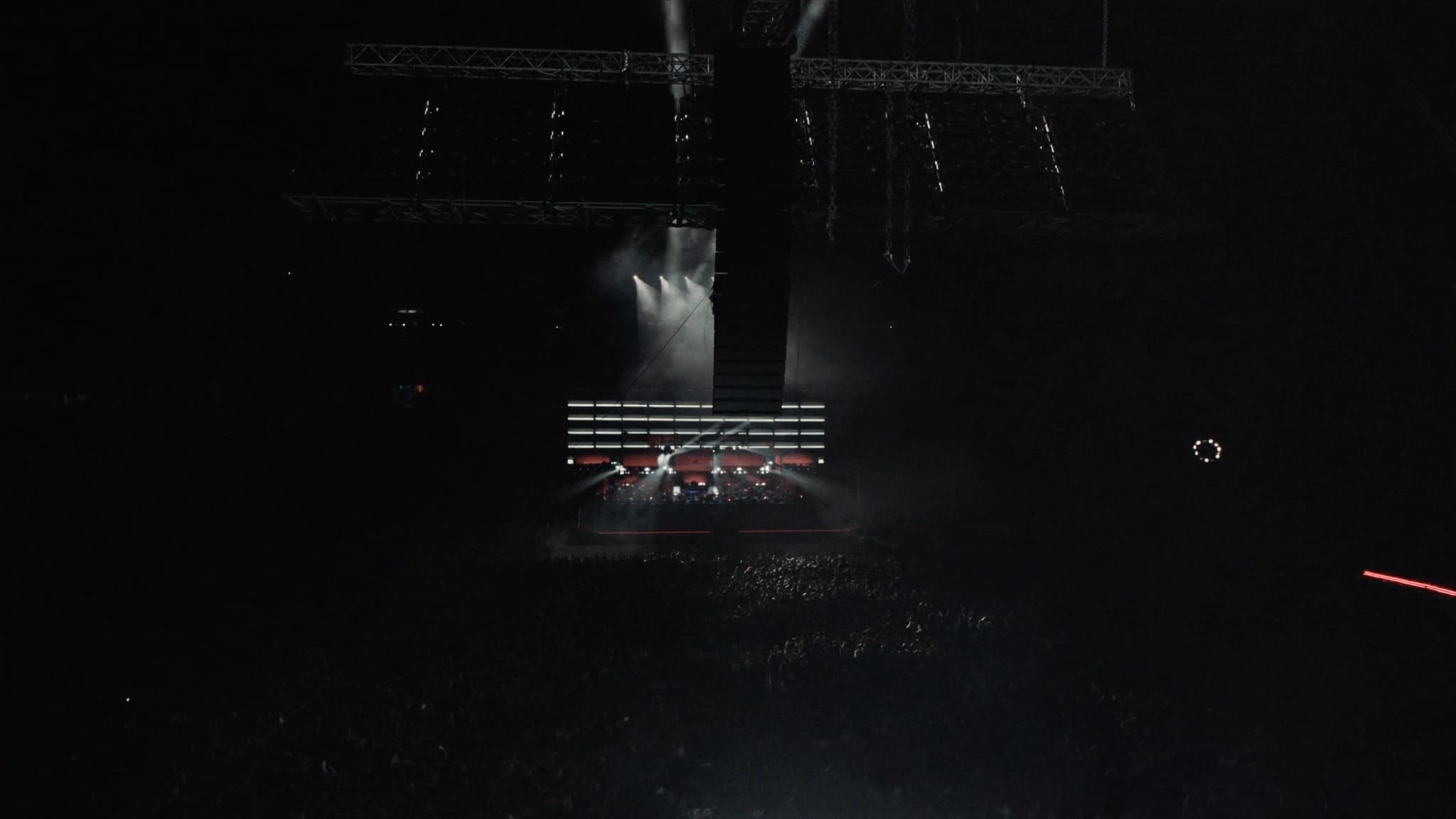
スタジアムオーディオはPAシステムの究極のテストです。50,000席以上をカバーし、ライブ音楽と重要なアナウンスの両方に対応するクリアでパワフルなサウンドを提供します。センター吊りクラスターまたは分散遅延リングのどちらを選択する場合でも、エンジニアリングは明瞭度、均一なカバレッジ、耐候性を優先する必要があります。SSOUNDSは、これらの要求を満たすスタジアム規模のシステムを設計・構築し、高度なラインアレイ技術とAI支援による予測を組み合わせて世界クラスの結果を提供します。
主なポイント
- スタジアムオーディオには、センター吊り方式または分散遅延リング方式のいずれかが必要であり、それぞれカバレッジとタイミングに特定の利点があります。
- DSPによる正確な時間アライメントは、特に残響時間の長い多層会場での明瞭度にとって重要です。
- プログレッシブカーブを備えた長距離投射ラインアレイは、近くの席で過度なレベルにすることなく、前から後ろまで均一なSPLを提供します。
- 二重目的のシステムは、音声明瞭度(STI >0.5)とフルレンジ音楽再生の両方に優れている必要があります。
- 屋外スタジアムでは耐候性と冗長性が不可欠です。SSOUNDSエンクロージャーはIP55以上の基準を満たしています。
- SSOUNDSは、AI支援モデリングからオンサイトコミッショニング、バックアップまで、エンドツーエンドのエンジニアリングサポートを提供します。
分散型とセンター吊りラインアレイの比較
スタジアムオーディオの2つの主要なアプローチは、センター吊りクラスターと分散遅延リングです。センター吊りアレイは、通常、スコアボードまたは専用のリギングポイントから吊り下げられ、スタジアム全体を一貫したタイミングでカバーする単一のポイントソースを提供します。この方法は、対称的な座席配置の長方形または楕円形のスタジアムに適しており、コムフィルタリングを最小限に抑え、自然な音場を維持します。ただし、上部デッキに到達するための長距離投射能力を備えた大規模なアレイが必要であり、重量と風荷重が課題となる場合があります。
分散システムは、スタジアム周辺に配置された複数の小型クラスターを使用し、多くの場合、照明塔、屋根トラス、またはバルコニーの下に設置され、それぞれが特定のゾーンをカバーします。このアプローチは、単一ポイントからの極端なSPLの必要性を減らし、不規則な形状の会場でのカバレッジを改善し、システム全体の重量を軽減します。トレードオフは、遅延アライメントの複雑さの増加と、カバレッジゾーンの重複の可能性です。SSOUNDSのエンジニアは、高度なシミュレーションソフトウェアを使用して両方のアプローチをモデル化し、各スタジアムの特定の形状に合わせて最適化し、ゾーン間のシームレスなハンドオフを確保します。
遅延リングと時間アライメント
大規模な会場では、遠くのアレイからの音は近くのアレイからの音より遅れて到着し、エコーや明瞭度の低下を引き起こします。遅延リングは、ステージから遠くに配置された二次クラスターであり、その出力がメインシステムと同じ瞬間にリスナーに届くように時間アライメントされます。これにより、音声アナウンスや音楽のトランジェントの明瞭度を保つコヒーレントな波面が作成されます。
SSOUNDSシステムは、サンプルレベルの遅延調整を備えた精密なデジタル信号処理(DSP)を組み込んでおり、エンジニアは各エンクロージャーをミリ秒以内にアライメントできます。3つまたは4つのティアを持つスタジアムなど、複数の遅延リングを持つスタジアムでは、システムを独立したカバレッジエリアにゾーニングし、それぞれに独自のEQと遅延設定を適用できます。このレベルの制御は、屋根からの反射音が直接音をぼやけさせる可能性がある上部デッキの後部での明瞭度を維持するために不可欠です。
長距離投射カバレッジとSPL管理
スタジアムでは、100メートル以上の距離にわたってクリアで歪みのないサウンドを投射できるラウドスピーカーが求められます。長距離投射ラインアレイは、密結合されたドライバーとウェーブガイドを使用して狭い垂直分散を作り出し、エネルギーをフィールドや空に浪費するのではなく、座席エリアに集中させます。SSOUNDSラインアレイは、高感度ドライバーと最適化されたホーン設計により、1メートルで最大140 dB SPLを達成し、投射距離全体にわたって一貫した周波数応答を提供します。
SPLの管理も同様に重要です。前列でのレベルが高すぎると苦痛になる可能性があり、後列ではファンが聞き取るのに苦労します。SSOUNDSシステムは、プログレッシブカーブとレベルテーパリングを使用し、上部のボックスをより急角度にし、より強く駆動することで、前から後ろまで均一な音場を作り出します。この技術は、一部のモデルではデジタルビームステアリングと組み合わせることで、フィールドレベルであれ最上階であれ、すべての席で同じ体験を保証します。
アナウンスと音楽のための明瞭度
スタジアムPAシステムは、コンサートやイベント用の高インパクトな音楽を提供することと、アナウンス、緊急警報、試合当日の解説のためにクリスタルクリアな音声を提供することの二重の目的を果たします。音声明瞭度は、STI(音声伝達指数)などの指標で測定され、良好な明瞭度には0.5を超え、優れた明瞭度には0.7を超える必要があります。SSOUNDSシステムは、低歪みドライバーと位相コヒーレントなクロスオーバーで設計されており、高いSPLでもボーカルの明瞭度を維持します。
音楽の場合、システムはパンチのある低音、クリアな中音、拡張された高音を備えたフルレンジオーディオを再生する必要があります。カーディオイドまたはエンドファイアアレイに配置されたSSOUNDSサブウーファーは、ボーカルレンジを濁らせないタイトで制御された低域を提供します。システムのDSPには、音楽モードと音声モード用のプリセットチューニングが含まれており、オペレーターはコンサート用のフラットな応答とアナウンス用の音声最適化カーブを切り替えることができます。この柔軟性は、スポーツとエンターテインメントの両方を開催する多目的スタジアムにとって極めて重要です。
耐候性と信頼性
屋外スタジアムでは、ラウドスピーカーが雨、塵、極端な温度、UV放射にさらされます。耐候性はオプションではなく、長期的な信頼性のための要件です。SSOUNDSエンクロージャーは、船舶用グレードの合板、ステンレス鋼のハードウェア、耐候性コーティングで構築されています。すべてのドライバーは疎水性化合物で処理され、入力パネルはガスケットで密閉され、ウェザーキャップで覆われています。システムはIP55以上の評価を満たし、モンスーン条件や砂漠の熱でも動作を保証します。
天候に加えて、信頼性とは冗長性を意味します。SSOUNDSアンプは冗長電源とネットワーク接続を備え、システムは信号と制御用のアクティブバックアップパスで構成できます。オリンピックやワールドカップなどの重要なイベントでは、SSOUNDSはオンサイトのエンジニアリングサポートとスペア在庫を提供し、障害が数分以内に解決されることを保証します。このレベルの信頼性により、SSOUNDSは世界中の注目度の高いスタジアムプロジェクトで信頼されています。
スタジアム規模のプロジェクトにSSOUNDSが選ばれる理由
SSOUNDSは、数十年にわたるエンジニアリングの伝統と700以上の主要プロダクションの実績をすべてのスタジアムプロジェクトに提供します。当社のチームは、設計段階からコミッショニングまで、建築家、音響技術者、システムインテグレーターと緊密に連携し、AI支援による音響モデリングを使用してカバレッジを予測し、リギングポイントを最適化します。当社は単にボックスを販売するのではなく、現代のスタジアムの厳しい要件を満たす完全で検証済みのソリューションを提供します。
当社の製品ラインには、小規模アリーナから最大規模のスタジアムまで対応する専用設計のラインアレイ、サブウーファー、アンプが含まれています。英国、米国、ナイジェリア、西アフリカにわたるグローバルなプレゼンスにより、SSOUNDSはローカルサポートと迅速な展開を提供します。SSOUNDSを選択することは、スタジアムオーディオの独自の課題を理解し、それを克服する技術と専門知識を持つパートナーを選択することです。
よくある質問
スタジアムにおけるセンター吊り方式と分散方式の違いは何ですか?
センター吊り方式は、屋根の中央から吊り下げられた単一の大型クラスターを使用し、コヒーレントな音源を提供しますが、長距離投射能力と重量級のリギングが必要です。分散方式は、スタジアム周辺に配置された複数の小型クラスターを使用し、それぞれが特定のゾーンをカバーするため、重量を軽減し、不規則な形状の会場でのカバレッジを改善しますが、慎重な遅延アライメントが必要です。
大規模スタジアムで音声の明瞭度をどのように確保しますか?
明瞭度は、遅延リングの正確な時間アライメント、低歪みドライバー、位相コヒーレントなクロスオーバー、音声用に最適化されたDSPプリセットによって達成されます。SSOUNDSシステムは、適切に設計された設置においてSTI値0.7以上を達成します。
SSOUNDSのスタジアムスピーカーにはどのような耐候性がありますか?
SSOUNDSのエンクロージャーは、船舶用グレードの合板、ステンレス鋼のハードウェア、疎水性ドライバー処理、密閉された入力パネルで構築され、IP55以上の評価を達成しています。雨、塵、UV、極端な温度に耐えるように設計されています。
SSOUNDSシステムはコンサートとスポーツイベントの両方に使用できますか?
はい。SSOUNDS DSPには、音楽モードと音声モード用の切り替え可能なプリセットが含まれており、オペレーターはフルレンジのコンサートオーディオまたは音声アナウンスの明瞭度に合わせてシステムを最適化できます。システムの高いSPLと低歪みにより、両方に適しています。
SSOUNDSはスタジアムプロジェクトをどのようにサポートしていますか?
SSOUNDSは、AI支援による音響モデリング、システム設計、オンサイトでのコミッショニング、継続的な技術サポートを提供します。また、重要なイベント向けに冗長アンプ構成とスペア在庫も提供しています。
システムの構築やアップグレードをお考えですか?
SSOUNDSは、単一の部屋からスタジアム規模まで、プロ用PAを世界中で設計・製造しています。