ナイトクラブに最適なサウンドシステム
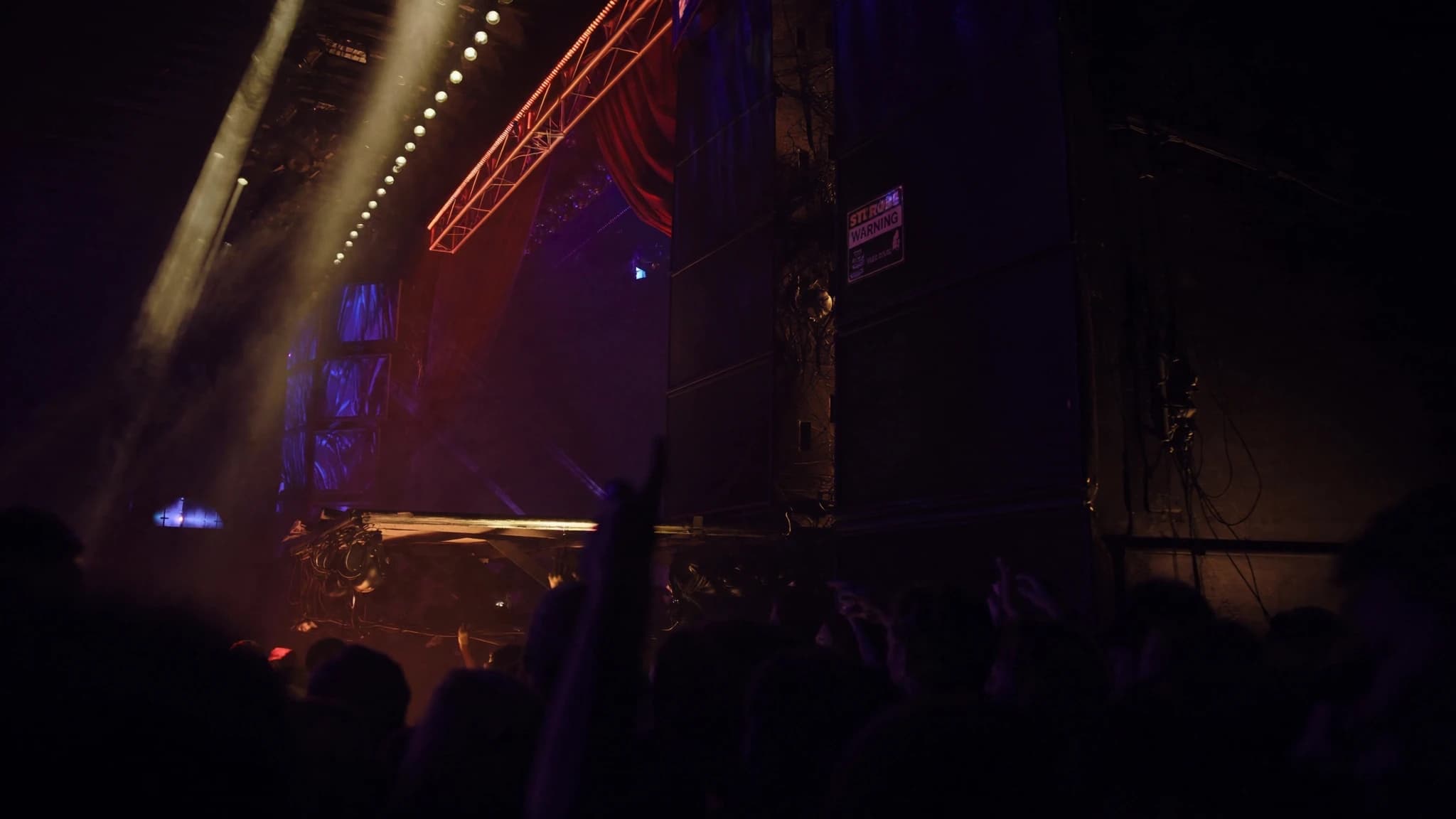
ナイトクラブに最適なサウンドシステムを選ぶことは、高いSPL、深いサブベースのインパクト、そしてダンスフロアとラウンジゾーン全体での明瞭な明瞭度を実現することです。SSOUNDSのエンジニアは、持続的な低域エネルギーと正確なカバレッジのために、ポイントソースとコンパクトラインアレイのソリューションをバランスさせるシステムを設計します。このガイドでは、サブウーファーの配置からDJモニタリングまで、クラブオーディオの重要な考慮事項を分解して説明します。
主なポイント
- クラブオーディオは、深く持続的なサブベースを伴う高いSPLを必要とし、2:1のサブ対トップ比が良い出発点です。
- ゾーンベースのDSPにより、ダンスフロア、バー、ラウンジエリアを個別にチューニングして体験を最適化できます。
- コンパクトラインアレイは均一なカバレッジを提供し、天井が高い会場に理想的です。ポイントソースシステムは小さな部屋に適しています。
- DJブースモニターは、フィードバックなしで正確な高SPLモニタリングを提供するために、専用のミックスとEQが必要です。
- 適切なサブウーファーチューニング(クロスオーバー、ディレイ、EQ)は、ブーミーさのない引き締まったパンチのある低域に不可欠です。
- SSOUNDSは、クラブ用途向けに統合DSPアンプを備えたラインアレイとポイントソースの両方のソリューションを提供します。
強力なサブエネルギーを備えたフルレンジシステム
ナイトクラブのサウンドは、歪みなく持続的なレベルで深くパンチのある低音を再生できるシステムを要求します。典型的な構成は、フルレンジスピーカー(多くの場合12インチまたは15インチの2ウェイ設計)と、80Hz以下の周波数を処理する複数のサブウーファーを組み合わせます。SSOUNDSのエンジニアは、ダンスフロアエリアには少なくとも2:1のサブ対トップ比を推奨し、カーディオイドサブアレイを使用して後方ステージの蓄積を減らし、エネルギーを観客に集中させます。
エレクトロニックミュージックのジャンルでは、サブウーファーシステムは高いエクスカーションと熱処理能力を備えている必要があります。SSOUNDSのサブウーファーは、長いエクスカーションのドライバーと調整されたベント付きエンクロージャーを特徴とし、30~60Hzの範囲で出力を最大化し、低歪みを維持しながら胸を打つようなインパクトを保証します。フルレンジトップは急峻にクロスオーバーされ、オーバーラップを避け、ヘッドルームと明瞭度を保ちます。
ダンスフロア対バー/ラウンジゾーン
よく設計されたクラブシステムは、ダンスフロアを主要ゾーンとして扱い、SPLターゲットは連続105~115dB、ピーク能力は120dB以上です。バーとラウンジエリアは、会話を可能にするために低いレベル(85~95dB)が必要です。SSOUNDSはラウンジゾーンに分散型ポイントソーススピーカーを使用し、多くの場合90°×60°のカバレッジを持つ8インチまたは10インチモデルで、ダンスフロアへの音漏れを避けます。
ゾーンレベルのDSP処理は重要です。各ゾーンには独自のEQ、ディレイ、リミッター設定があります。統合DSPを備えたSSOUNDSアンプは、各ゾーンの独立したチューニングを可能にし、ダンスフロアのサブウーファーをより強く駆動しながら、ラウンジスピーカーは60Hz以下で穏やかにロールオフできます。これにより、バーエリアを濁らせる低周波の漏れを防ぎます。
クラブ向けポイントソース対コンパクトラインアレイ
多くのクラブでは現在、メインダンスフロアシステムにコンパクトラインアレイを使用しています。特に天井が高い、または不規則な形状の会場で顕著です。ラインアレイは前から後ろまで均一なカバレッジを提供し、床を空けるために吊り下げることができます。SSOUNDSのコンパクトラインアレイ要素(デュアル8インチまたはデュアル10インチ)は、120°の水平カバレッジと1ボックスあたり10°の垂直カバレッジを提供し、壁からの反射を避けるための正確な狙いを可能にします。
しかし、ポイントソースシステムは、小さなクラブや天井が低い部屋では依然として人気があります。片側に1台の高出力12インチまたは15インチポイントソーススピーカーを適切に配置すれば、200平方メートルまでのダンスフロアをカバーできます。SSOUNDSのポイントソースモデルは、回転可能なホーンとパッシブクロスオーバーネットワークを使用し、強く駆動しても一貫した応答を実現するように設計されています。選択は、部屋の形状、予算、望ましい美観によって異なります。ラインアレイはより良いパターン制御を提供し、ポイントソースは設置が簡単です。
DJブースモニタリング
DJは、着色なく全周波数範囲を再生するクリアで正確なモニターを必要とします。SSOUNDSは、メインシステムからのフィードバックを避けるために角度を付けた専用ウェッジまたはコンパクトフルレンジスピーカーをブースに配置することを推奨します。12インチコアキシャルモニターが理想的で、ポイントソースイメージと高いSPL(ピーク120dB以上)を提供し、ダンスフロアが騒がしくてもDJがミックスを聞き取れます。
モニターは、メインPAフィードからではなく、DJミキサーの別のミックス出力から供給されるべきです。SSOUNDSアンプは、モニターチャンネルに独自のEQを許可し、多くの場合、DJがベースを感じ取れるようにわずかな低域ブースト(約50Hz)を加えます。リミッティングは、ドライバーを保護しながらトランジェントピークを許容するように設定されています。
持続的な低域のためのSPLとチューニング
持続的な低域出力は、優れたクラブシステムの特徴です。これには、高いパワー処理能力を持つサブウーファーと、熱制限なしで連続電力を供給できるアンプが必要です。SSOUNDSのサブウーファーは、高効率のために4インチボイスコイルとネオジム磁石で設計され、サブ1台あたり連続2000ワット以上に対応するアンプと組み合わせられます。
チューニングには、慎重なクロスオーバー選択(通常80~100Hz LR24)と部屋のモードを補正するEQが含まれます。SSOUNDSのエンジニアは、測定ソフトウェアを使用して問題のある共振を特定し、パラメトリックEQカットを適用します。サブウーファーアレイでは、リスニングポジションでのコヒーレントな合成を確保するために、サブとトップ間のディレイアライメントが重要です。その結果、ブーミーではなく、力強く引き締まったパンチのある低音が得られます。
クラブはラインアレイを使うのか?
はい、多くの現代のクラブはラインアレイを使用しています。特に天井が高い(5m以上)または長く狭いダンスフロアを持つクラブです。ラインアレイは前から後ろまで一貫したSPLを提供し、複数のディレイスピーカーの必要性を減らします。SSOUNDSのラインアレイは世界中のクラブで使用され、天井トラスから吊り下げられるか、サブウーファーの上にグラウンドスタックされます。小規模な会場では、ポイントソースシステムの方が費用対効果が高く、チューニングが簡単な場合があります。
決定はクラブのジャンルの焦点にも依存します。EDMやベース重視のクラブは、低周波を均等に投射する能力からラインアレイを好むことが多いです。ヒップホップやトップ40のクラブは、より局所的なインパクトのために強力なサブウーファーを備えたポイントソースシステムを選ぶかもしれません。SSOUNDSは両方のオプションを提供し、各会場に最適なソリューションを設計するエンジニアリングサポートを備えています。
よくある質問
ナイトクラブに最適なスピーカーサイズは?
メインダンスフロアには、12インチまたは15インチの2ウェイトップと18インチサブウーファーの組み合わせが標準的です。小規模なクラブでは、10インチトップとデュアル15インチサブを使用する場合もあります。SSOUNDSは、部屋の寸法とSPL要件に合わせたさまざまなサイズを提供しています。
クラブにはサブウーファーが何台必要ですか?
一般的な目安として、ダンスフロアにはトップスピーカー1台につきサブウーファー2台です。200人収容のクラブでは、18インチサブ4台が典型的です。SSOUNDSはお客様の部屋をモデリングし、最適な台数と配置を決定できます。
小さなクラブでラインアレイは使えますか?
はい、コンパクトなラインアレイ(例:デュアル8インチ)は、天井高が4m以上ある小さなクラブで効果を発揮します。均一なカバレッジを提供し、床面積を節約します。SSOUNDSのコンパクトラインアレイは、そのような用途向けに設計されています。
クラブスピーカーにはどのくらいのアンプパワーが必要ですか?
アンプは、スピーカーの連続パワー定格の1.5~2倍を供給する必要があります。SSOUNDSのアンプは当社のスピーカーシステムにマッチングされており、最適なパフォーマンスとヘッドルームを保証します。
クラブ用にサブウーファーをチューニングするには?
まず80~100Hz(LR24)でクロスオーバーを設定し、部屋の応答を測定して共振をカットするEQを適用します。メインリスニングポジションでサブとトップのディレイアライメントを取ります。SSOUNDSはプリセットとチューニングサポートを提供しています。
システムの構築やアップグレードをお考えですか?
SSOUNDSは、単一の部屋からスタジアム規模まで、プロ用PAを世界中で設計・製造しています。