プールおよび湿潤エリアに最適なスピーカー
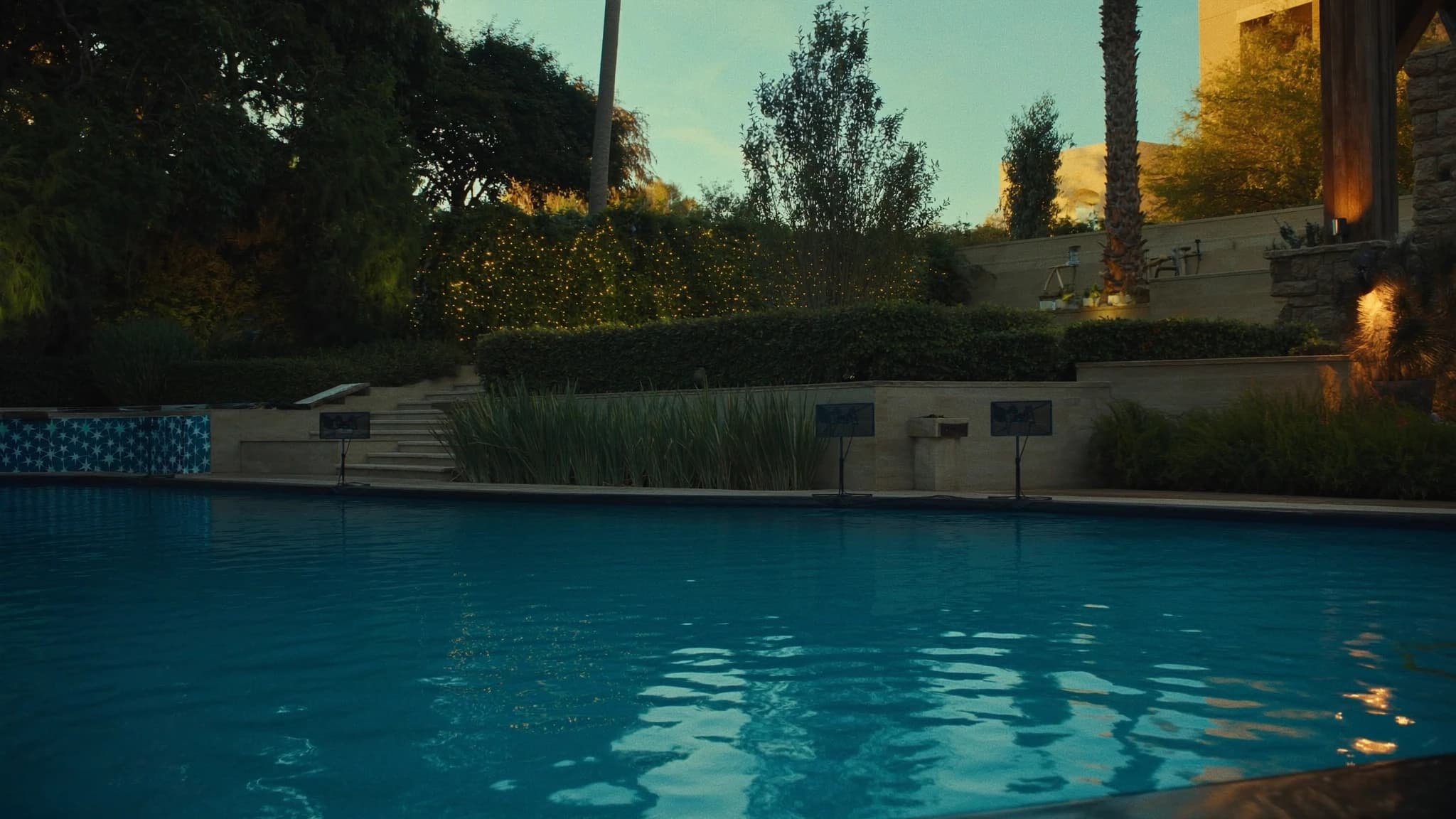
プールや湿潤エリア向けのオーディオを設計する場合、標準的なスピーカーはすぐに故障します。湿気、塩素、UVはコーン、ボイスコイル、キャビネットを数ヶ月で劣化させます。SSOUNDSのエンジニアは、真の湿潤エリアサウンドにはIP定格の防水性、耐腐食性素材、そして長持ちするクリアで安全なオーディオを提供するためのインテリジェントなカバレッジ計画が不可欠であることを理解しています。このガイドでは、プールサイドや湿潤環境でスピーカーを選択および設置するための重要な基準を説明します。
主なポイント
- プールサイドには少なくともIP56定格のスピーカーを選択し、水しぶきゾーンにはIP67を選択してください。IPコードを超えた耐腐食性を確認してください。
- 湿気や化学物質による損傷を防ぐために、船舶用グレードのステンレス鋼ハードウェア、UV安定性エンクロージャー、密封コネクターを使用してください。
- 広いエリアや長いケーブル配線には、100Vラインシステムが低インピーダンスセットアップよりも効率的で信頼性があります。
- 反射やデッドスポットを避けるために、プールの長辺に沿ってスピーカーを配置し、水面から離れる方向に角度を付けてください。
- 常にハイパスフィルターでスピーカーを保護し、乾燥した換気の良い場所に設置したアンプを使用してください。
- SSOUNDSは、保証された性能のためにAI支援カバレッジ設計を備えたIP66定格の耐腐食性スピーカーを提供しています。
湿潤エリアで標準的なスピーカーが故障する理由
湿気は従来のラウドスピーカーの敵です。湿度は紙コーンに浸透し、反りや剛性の低下を引き起こします。金属グリルは錆び、未処理の木材やMDFキャビネットは膨張して層間剥離します。プールサイド環境では、塩素ガス、塩水噴霧(沿岸地域)、UV放射が加わり、劣化が加速します。スチームルームやシャワーなどの屋内湿潤エリアでも、結露によりパッシブクロスオーバーが短絡し、端子が腐食する問題が発生します。
ほとんどの消費者向け「屋外」スピーカーはIP44またはIP54定格のみで、耐水しぶき性はありますが、耐ジェット性や耐水没性はありません。恒久的なプール設置では、SSOUNDSは水面から3メートル以内に設置するスピーカーには最低IP56(防塵および耐水ジェット性)を、水しぶきゾーン付近の地中埋め込み型またはフラッシュマウント型ユニットにはIP67(完全防塵および一時水没対応)を推奨します。定格が水の浸入と固体粒子の両方をカバーしていることを常に確認してください。
プールサイドオーディオのIP等級を理解する
IP(侵入保護)等級は2桁の数字で構成されます。最初の桁(0~6)は固体、2番目の桁(0~9)は液体に対する保護を示します。プールエリアでは、2番目の桁が重要です。IPX5は低圧水ジェットに対する保護、IPX6は強力なジェットに対する保護、IPX7は一時水没(水深1m、30分)に対する保護、IPX8は1mを超える連続水没に対する保護です。IP66のような定格は、防塵および強力な水ジェットに対する保護を意味し、ほとんどのプールサイドゾーンに適しています。
ただし、IP定格だけでは耐腐食性を保証できません。SSOUNDSは船舶用グレードの316ステンレス鋼ハードウェア、UV安定化ポリプロピレンまたはガラス繊維強化ABSエンクロージャー、金メッキまたは密封コネクターを使用しています。ドライバー自体は、処理されたコーン(ポリプロピレン、コーティング紙、または腐食コーティングされた金属)と、オゾンや塩素に耐性のあるラバーサラウンドを備えている必要があります。IPコードだけでなく、メーカーの完全な環境仕様を常に確認してください。
プールおよび湿潤エリア用スピーカーの種類
恒久設置の場合、最も一般的な選択肢は、表面実装型サテライトスピーカー、地中埋め込み型または壁埋め込み型フラッシュマウント、そして岩やプランターに偽装したランドスケープスピーカーです。表面実装型スピーカー(多くの場合、防滴ツイーターとウーファーを備えた2ウェイ)は、指向性を調整しやすく、広いエリアをカバーできます。フラッシュマウントはすっきりした外観を提供しますが、背面からの湿気侵入を防ぐために適切なバックボックスのシーリングが必要です。
大規模なプール複合施設や商業リゾートでは、SSOUNDSは100Vライン(定電圧)システムを推奨します。これにより、電力損失を最小限に抑えながら長いケーブル配線(数百メートルまで)が可能になり、各スピーカーにはタップ設定(例:15W、30W、60W)を備えた内蔵トランスがあり、ゾーンごとに音量を調整できます。アンプは十分なヘッドルームを備えた100Vタイプでなければなりません。小規模な住宅用プールでは、総ケーブル長が50メートル未満で、ワイヤゲージが十分(14 AWG以上)であれば、低インピーダンス(4/8オーム)システムで問題ありません。
カバレッジと配置のベストプラクティス
水は高周波を吸収するため、リスニングエリアから遠すぎる場所に設置されたスピーカーはくすんだ音になります。デッドスポットのない均一なカバレッジを目指してください。通常、デッキまたは芝生30~50 m²あたり1台のスピーカーを、水面からの反射(コームフィルタリングの原因)を避けるために少し下向きに角度を付けて設置します。長方形のプールでは、端ではなく長辺に沿ってスピーカーを配置し、水面からのエコーを最小限に抑えます。
頭上湿潤場所(例:安全ケーブル付きIP66)に対応していない限り、水面の真上にスピーカーを取り付けないでください。地中埋め込み型スピーカーは、ドライバー周辺に水が溜まるのを防ぐために、排水用砂利と密封コンジットを使用して設置する必要があります。SSOUNDSは、湿潤環境で損傷する可能性のある低周波での過剰な振幅から小型スピーカーを保護するために、ハイパスフィルター(例:80 Hz)を備えた専用の屋外対応アンプの使用を推奨します。
素材と耐腐食性
湿潤エリア用スピーカーのすべてのコンポーネントは腐食に耐える必要があります。SSOUNDSは、グリル、ネジ、取り付けブラケットに船舶用グレードのステンレス鋼、ドライバーにアルミニウムまたは複合フレーム、すべての継ぎ目にラバーまたはシリコーンガスケットを指定しています。エンクロージャーはUV安定性(長年の太陽曝露後も黄変やひび割れがない)と非多孔性である必要があり、ポリプロピレン、ABS、またはガラス繊維が理想的です。塗装鋼や未処理アルミニウムは避けてください。
ケーブル接続は一般的な故障ポイントです。屋外対応スピーカーケーブル(地下の場合は直接埋設対応)を密封コネクターまたは防水ジャンクションボックスと共に使用してください。100Vシステムの場合、100メートルを超える配線には最小断面積1.5 mm²のケーブルを使用してください。SSOUNDSはまた、湿気をはじくために組み立て前にすべてのコネクターに誘電体グリースを塗布することを推奨しています。
アンプと信号に関する考慮事項
アンプは乾燥した換気の良い場所に設置し、湿度の高いプール設備小屋の中には絶対に置かないでください。スピーカーを過駆動から保護するために、リミッティングとEQを備えた内蔵DSP付きアンプを使用してください。100Vシステムの場合、すべてのスピーカーの合計ワット数タップがアンプの定格電力の80%を超えないようにしてください(例:500Wアンプで合計400Wタップ)。クリッピングを避けるためです。
ワイヤレスオーディオソース(Bluetooth)は便利ですが、水の近くでは範囲の問題が発生する可能性があります。恒久設置の場合、SSOUNDSは有線ソース(例:防水エンクロージャー内のメディアプレーヤー)または堅牢な屋外アクセスポイントを備えた専用Wi-Fiオーディオストリーマーを推奨します。Bluetoothを使用する場合は、Class 1トランスミッター(100m範囲)を選択し、プールエリアの見通し内に配置してください。
湿潤エリアオーディオへのSSOUNDSのアプローチ
SSOUNDSは、ツアー用ラインアレイと同じエンジニアリング厳密さで屋外対応システムを設計しています。当社の湿潤エリア用スピーカーは、IP66エンクロージャー、316ステンレス鋼ハードウェア、塩素や塩に耐える独自のドライバーコーティングを備えています。低インピーダンスモデルと100Vモデルの両方を提供し、カバレッジパターンはオープンスペースに最適化されています。すべてのシステムは、設置前にAI支援音響モデリングを使用してシミュレーションされ、カバレッジと明瞭度を予測し、デッドスポットや過度の反射がないことを保証します。
大規模プロジェクト、リゾート、ウォーターパーク、または高級住宅用プール向け。SSOUNDSは、ケーブル配線、アンプ選択、環境に合わせたDSPプリセットを含むエンドツーエンドの設計サポートを提供します。私たちの目標は、過酷な湿潤条件でも、初日と同じくらい何年後も良い音を届けるオーディオを提供することです。
よくある質問
プール近くのスピーカーに安全なIP等級は何ですか?
一般的なプールサイド(水面から3m以内)では、IP56が最低基準です。水しぶきや洗浄ジェットにさらされるエリアでは、IP66またはIP67を推奨します。地中埋め込み型またはフラッシュマウント型スピーカーは、一時的に水没する可能性がある場合はIP67であるべきです。
プールに通常の屋外スピーカーを使用できますか?
ほとんどの「屋外」スピーカーは耐水しぶき性(IP44-IP54)のみで、塩素やUVに対する腐食保護がありません。1年以内に劣化します。IP66以上で船舶用グレードの素材を使用した、専用の湿潤エリア用スピーカーを使用してください。
プール近くでスピーカーケーブルを安全に配線するにはどうすればよいですか?
直接埋設対応のケーブルをコンジットに入れ、水面から少なくとも1.5m離して配線してください。すべての接続部は防水ジャンクションボックスと誘電体グリースでシールしてください。適切なコンジットなしでプールのコーピング下にケーブルを配線しないでください。
プール用の100Vシステムと低インピーダンスシステムの違いは何ですか?
100V(定電圧)システムは、損失を抑えながら長いケーブル配線が可能で、トランスタップによる多スピーカーゾーニングが容易です。低インピーダンス(4/8オーム)は小規模なセットアップではよりシンプルですが、ケーブル長は約50mに制限されます。100m²を超えるプールや複数ゾーンのある場合は、100Vが推奨されます。
湿度からアンプを保護するにはどうすればよいですか?
アンプは乾燥した換気の良い屋内場所(プールの物置ではない)に設置してください。開いた窓の近くにある場合はカバーを使用してください。アンプが十分な冷却を備え、結露にさらされないようにしてください。過酷な環境では、コンフォーマルコーティングされた回路基板を備えた専用の屋外対応アンプを検討してください。
システムの構築やアップグレードをお考えですか?
SSOUNDSは、単一の部屋からスタジアム規模まで、プロ用PAを世界中で設計・製造しています。