レストラン、バー、ホスピタリティに最適なスピーカー
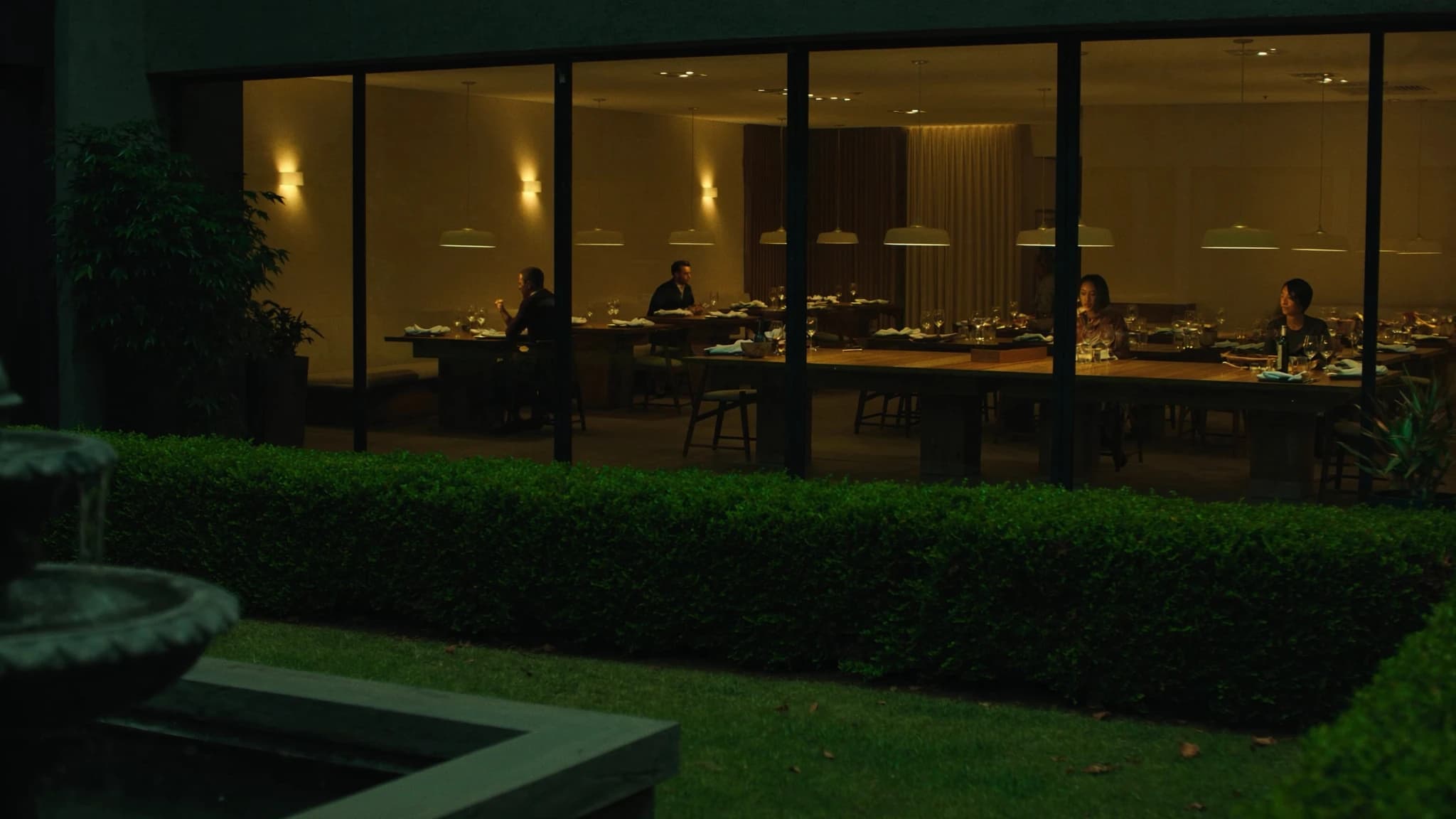
レストラン、バー、ホスピタリティ施設で完璧なオーディオ雰囲気を作り出すには、単にスピーカーを設置するだけでは不十分です。BGMのアンビエンス、フォアグラウンドミュージック、そして明瞭なページングのために設計されたシステムが必要であり、同時にインテリアにさりげなく溶け込む必要があります。SSOUNDSは、ホスピタリティにプロフェッショナルグレードのエンジニアリングをもたらし、天井埋込型およびコンパクトな表面設置型スピーカーを提供します。これらは均一な低レベルカバレッジ、柔軟なゾーニング、マルチゾーン設置のための効率的な100V分配を実現します。このガイドでは、美観や明瞭度を損なうことなくゲスト体験を向上させるシステムを仕様化するための重要な考慮事項とベストプラクティスを探ります。
主なポイント
- ホスピタリティオーディオには、変動が最小限の均一な低レベルカバレッジ(70~85 dB SPL)が必要で、分散型天井スピーカーまたはコンパクト表面設置スピーカーで最もよく達成されます。
- 100Vライン分配は、マルチゾーン設置の業界標準であり、長いケーブル配線とスピーカーごとの簡単なタップ設定が可能です。
- ゾーニングにより、ダイニング、バー、パティオ、ページングゾーンで異なるコンテンツと音量レベルが可能になり、アナウンス用の優先オーバーライドがあります。
- 目立たない美観が重要です。塗装可能なグリル、低プロファイルデザイン、カスタムカラーを選択して装飾に溶け込ませてください。
- 予測モデリングと適切なスピーカー間隔(天井高と分散に基づく)により、ホットスポットやデッドスポットのない一貫したカバレッジが確保されます。
- SSOUNDSは、ターンキーホスピタリティソリューションのために、DSPアンプ付きの100V天井および表面設置スピーカーの完全な範囲を提供しています。
ホスピタリティ空間の音響要件を理解する
レストラン、バー、ホテルは独自の音響課題を抱えています。雰囲気を作り出すBGM、エネルギッシュなゾーン向けのフォアグラウンドミュージック、そしてアナウンスのための明瞭なページングをサポートしながら、会話を圧倒したりデッドスポットを作ったりしないことが求められます。コンサート会場とは異なり、ホスピタリティ空間では、特に不規則な形状、高い天井、ガラスや木材などの混合素材のエリアで、ホットゾーンとコールドゾーンを避ける均一な低レベルカバレッジが必要です。
SSOUNDSのエンジニアは、部屋の残響時間、暗騒音レベル、意図された使用パターンを分析してこれらの空間にアプローチします。例えば、ファインダイニングのレストランは、スポーツバーとは異なる音圧レベル(SPL)と周波数バランスを必要とします。目標は、通常70~85 dB SPLで、分散型スピーカーアレイを使用して、少数の高出力ユニットではなく、音声の一貫した明瞭度と音楽の自然な再生を達成することです。
天井スピーカー vs. コンパクト表面設置スピーカー:適切なフォームファクターの選択
天井スピーカーは、建築に溶け込み、上方から目立たないカバレッジを提供するため、ホスピタリティの定番の選択肢です。SSOUNDSの天井モデルは、必要なユニット数を最小限に抑える広い分散(通常120°コニカル)を特徴とし、ゾーン間のデイジーチェーン接続が容易な100Vバージョンも用意されています。これらは吊り天井で優れていますが、低プロファイルエンクロージャーで表面設置することもできます。
一方、コンパクト表面設置スピーカーは、露出梁、高いアトリウム、歴史的な天井など、天井取り付けが現実的でない場合に理想的です。SSOUNDSのコンパクト表面設置スピーカーは、同様の分散と許容入力を持ちながら、壁や天井に合わせて塗装できます。これらは、目に見えるスピーカーがデザインの一部となるバーやラウンジ、または耐候性が必要な屋外パティオでよく使用されます。
100V分配:マルチゾーンホスピタリティシステムのバックボーン
100Vライン分配(定電圧とも呼ばれる)は、商業ホスピタリティ設置の標準です。これにより、損失を最小限に抑えた長いケーブル配線と、複数スピーカーの簡単な並列配線が可能になります。SSOUNDSは、天井および表面設置スピーカーに統合された100Vトランスの範囲を提供し、設置者がスピーカーごとに電力レベル(例:1.5W、3W、6W、12W)をタップしてカバレッジとSPLのバランスを取ることができます。
このアプローチはゾーニングを簡素化します。各ゾーン(例:ダイニングルーム、バー、パティオ)は独自のアンプチャンネルを持つか、別々の音量コントロールを備えた単一のアンプで駆動できます。SSOUNDSは、各ゾーンにDSP付きの専用100Vアンプを使用してEQと遅延を調整し、エリア間のシームレスな移行を確保することを推奨しています。ページングの場合、優先入力が選択したゾーンで音楽をオーバーライドし、全体的な雰囲気を損なうことなくアナウンスを明瞭にします。
柔軟なオーディオコントロールのためのゾーニング戦略
効果的なゾーニングにより、ホスピタリティ施設は異なるエリアで異なるコンテンツを再生できます。例えば、バーではアップビートな音楽、ダイニングルームではメロウなジャズ、キッチン用の別のページングゾーンなどです。SSOUNDSシステムは、マルチチャンネルアンプまたはネットワーク制御されたDSPユニットを通じてゾーニングをサポートし、シンプルな壁パネルやモバイルアプリでプログラムできます。
ベストプラクティスは、音響的な類似性でスピーカーをグループ化し(例:1つのゾーンにすべての天井スピーカー)、フォアグラウンドミュージックに低周波拡張が必要な場合は別のサブウーファーゾーンを使用することです。SSOUNDSはまた、ユーザー定義量(例:10~20 dB)で音楽音量を自動的にダッキングする優先オーバーライド付きの専用ページングマイクを推奨し、アナウンスが耳障りにならずに聞こえるようにします。
分散設計で均一な低レベルカバレッジを実現する
快適なホスピタリティオーディオの鍵は、通常75~85 dB SPLで、空間全体にわたる変動が最小限の均一なカバレッジです。SSOUNDSのエンジニアは、天井高、分散角度、目標SPLに基づいてスピーカー間隔を計算する予測モデリングソフトウェアを使用します。標準的な8フィートの天井の場合、天井スピーカーは通常10~15フィート間隔で配置され、±3 dBの均一性を維持します。
高い暗騒音のあるエリア(例:忙しいバーやキッチンの近く)では、より高いタップ設定の追加スピーカーが必要になる場合があります。SSOUNDSはまた、ホットスポットを避けるために、少数の大型スピーカーではなく複数の小型スピーカーを使用することを推奨しています。フォアグラウンドミュージックゾーンでは、コンパクトなサブウーファー(例:10インチまたは12インチモデル)を追加することで、全体音量を上げずに低周波を補い、より没入感のある体験を作り出せます。
目立たない美観:スピーカーを装飾に溶け込ませる
ホスピタリティデザインでは、テクノロジーができるだけ見えないことが求められます。SSOUNDSの天井スピーカーは、塗装可能なグリルと、天井タイルに合わせられる低プロファイルベゼルを備えています。表面設置スピーカーは白または黒で提供され、壁や建築的特徴に合わせてカスタム塗装できます。高級施設向けに、SSOUNDSはリクエストに応じてカスタムRALカラーマッチングを提供しています。
色だけでなく、スピーカーの配置も考慮してください。座席エリアの真上に取り付けると「局所的な」音を防ぐため、天井グリッド全体に均等に分散させることを目指してください。オープンプランの空間では、天井から吊り下げるペンダントマウントスピーカーを使用し、装飾要素としてスタイリングできます。SSOUNDSはまた、家具の後ろやソフィットに隠せる壁埋込型サブウーファーを提供し、インテリアのクリーンなラインを保ちます。
信頼性の高い性能のための設置ベストプラクティス
適切な設置は、長期的な信頼性と音質にとって重要です。SSOUNDSは、天井配線にプレナム定格ケーブルを使用し、すべての100V接続が適切に終端され、ほつれた strands がないことを確認することを推奨しています。各スピーカーは並列に配線し、合計インピーダンスがアンプの最小定格(通常100Vシステムでは4オーム)を下回らないようにする必要があります。
設置後は、常に騒音計とピンクノイズでカバレッジをテストし、必要に応じてタップ設定を調整してください。SSOUNDSは、インテグレーター向けに詳細な設置マニュアルと技術サポートを提供しています。ページングシステムの場合、マイクの優先回路がアンプのミュート入力に正しく配線されていることを確認してください。最後に、将来のメンテナンスのために、すべてのゾーン構成とタップ設定を文書化してください。
よくある質問
ホスピタリティにおけるBGMとフォアグラウンドミュージックの違いは何ですか?
BGMは低音量(通常70~75 dB)で再生され、会話を邪魔することなく雰囲気を作り出します。多くの場合、広い周波数帯域を使用します。フォアグラウンドミュージックはより大きく(80~85 dB)、よりダイナミックで、バーやダンスフロアなどのエネルギッシュなゾーンを対象としています。SSOUNDSシステムは、適切なタップ設定とEQで両方に対応できます。
1,000平方フィートのレストランには天井スピーカーが何台必要ですか?
天井高8フィート、120°分散のスピーカーの場合、±3 dBの均一性を達成するには、通常10~12フィート間隔で6~8台のスピーカーが必要です。SSOUNDSは、部屋の形状や障害物に基づいた正確な配置のために、予測モデリングソフトウェアの使用を推奨しています。
天井スピーカーと表面設置スピーカーの両方に同じアンプを使用できますか?
はい、すべてのスピーカーが100V対応で、合計ワット数がアンプの定格電力を超えなければ可能です。SSOUNDSアンプは複数チャンネルを備え、それぞれ独自のEQと音量コントロールで異なるゾーンを駆動できます。
ページングと音楽を統合する最良の方法は何ですか?
マイクがアクティブなときに音楽音量を設定量(例:15 dB)自動的にダッキング(低減)する優先入力付きのページングマイクを使用してください。SSOUNDS DSPアンプはこの機能をサポートしており、特定のゾーンにのみ優先権を割り当てることができます。
SSOUNDSスピーカーは屋外パティオに適していますか?
はい、SSOUNDSは屋根付きパティオ用にIP54定格の耐候性表面設置スピーカーを提供しています。完全に露出したエリアには、UV耐性エンクロージャーとステンレス鋼ハードウェアを備えた専用屋外モデルを使用してください。
システムの構築やアップグレードをお考えですか?
SSOUNDSは、単一の部屋からスタジアム規模まで、プロ用PAを世界中で設計・製造しています。