クラブ標準のDJブースセットアップを解説
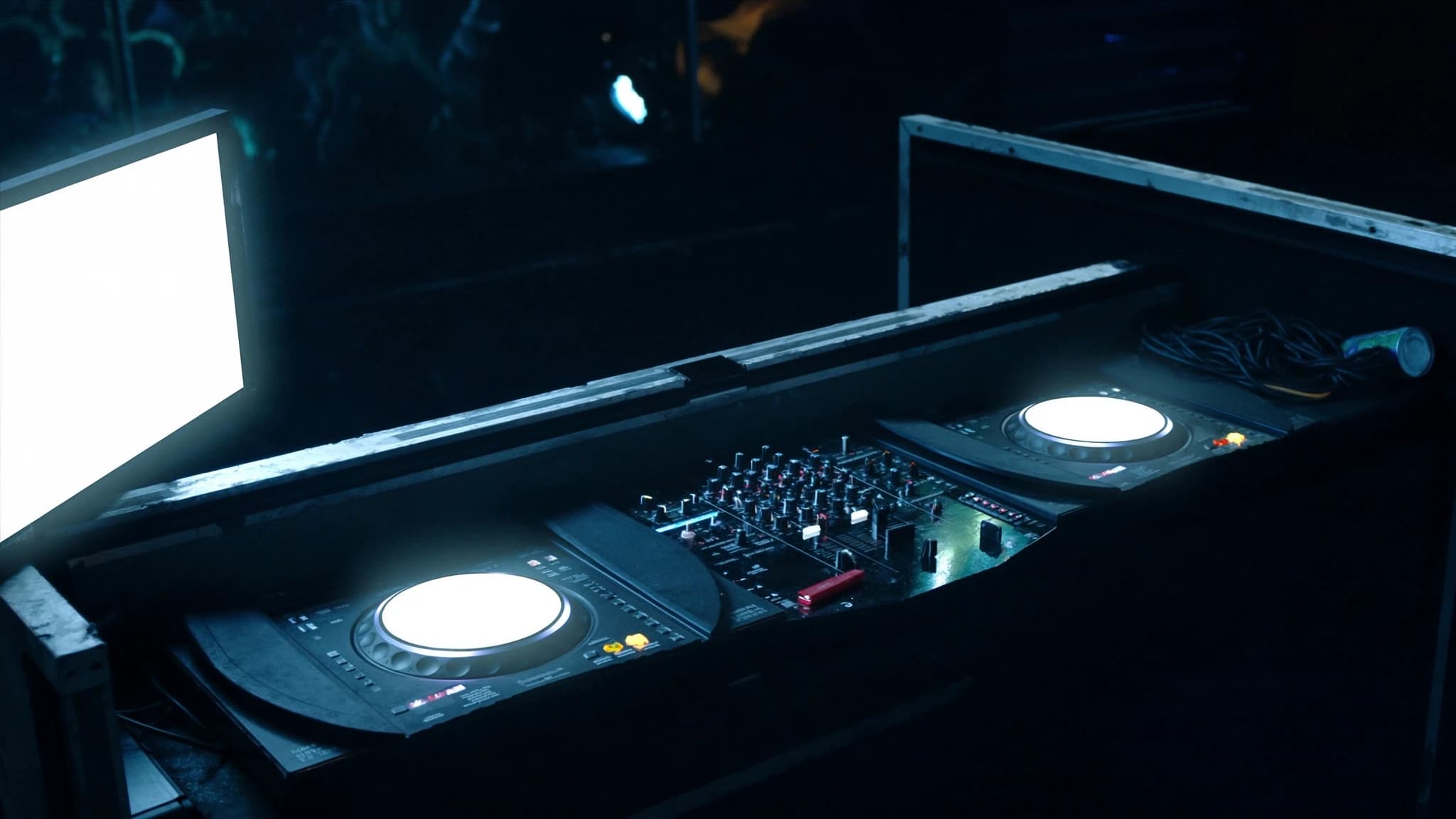
クラブのDJブースは、ターンテーブルを置いたテーブル以上のものです。それはクリティカルリスニング環境であり、接続のハブであり、DJとメインPAの間のインターフェースです。このガイドでは、Pioneer DJ CDJ-3000やDJMミキサーからブースモニター、アイソレーション、そしてブースがプロフェッショナルサウンドシステムとどのように統合されるかまで、2026年の業界標準セットアップを説明します。
主なポイント
- 2026年のクラブ標準は、Pioneer DJ CDJ-3000プレーヤーとDJMシリーズミキサーであり、ツアーDJに親しみやすさと信頼性を提供します。
- ブースモニターは正確なDJモニタリングに不可欠です。耳の高さに配置し、ブース表面からデカップリングする必要があります。
- アイソレーションと音響処理は、メインPAの漏れを防ぎ、DJがクリーンで詳細なミックスを聞けるようにします。
- 信号フローはブースとメイン出力を分離し、まとまりのある体験のために適切な遅延とEQ整合を行う必要があります。
- SSOUNDSのエンジニアは、当社のラインアレイ、サブウーファー、DSPとシームレスに統合するブースモニタリングソリューションを設計し、英国、米国、ナイジェリア、ガーナ、西アフリカの拠点からのグローバルサポートに支えられています。
コアプレーヤーとミキサーの標準
2026年においても、クラブ標準はPioneer DJ CDJ-3000とDJMシリーズミキサー、通常はDJM-900NXS2またはDJM-A9の組み合わせです。これらのユニットは、信頼性、慣れ親しんだレイアウト、rekordboxやSeratoとのシームレスな統合を提供するため、どこにでもあります。ツアーDJを受け入れる会場では、この正確な構成を提供することで、セットアップ時間を短縮し、ライダーの摩擦を排除できます。
CDJ-3000は、より大きなタッチスクリーン、改善されたジョグホイールの解像度、トラック解析のための強化された処理能力をもたらします。DJMミキサーは、DJが期待する中央のルーティング、EQ、エフェクトを提供します。これらが一体となって、ブースモニターとメインPAの両方に送るコントロールサーフェスを形成します。
システム設計の観点からは、ブースはこの標準に対応しつつ、柔軟性を許容する必要があります。一部の会場では、3台目または4台目のプレーヤー、あるいはレコードセット用のターンテーブルを追加します。重要なのは、すべてのソースがミキサーにクリーンに接続され、ミキサー出力がブースとメインシステムに独立してルーティングできることを確認することです。
ブースモニタリング:DJのリファレンス
ブースモニターはオプションではありません。それらは、遅延、残響、または単に大きすぎる可能性のあるメインPAに頼ることなく、DJにミックスのクリアで分離されたリファレンスを提供します。目標は、制御されたレベルでの正確なフルレンジサウンドであり、DJが推測せずにビートマッチ、EQ、キュートラックを行えるようにすることです。
典型的なブースモニターは、12インチまたは15インチのウーファーとホーンロードされた高域ドライバーを備えたパワードラウドスピーカーです。耳の高さに配置し、DJに向けて角度を付け、振動を防ぐためにブース表面からデカップリングする必要があります。多くのクラブでは、ステレオイメージングのために両側に1台ずつ、2台のモニターを使用します。
SSOUNDSのエンジニアは、ブースモニタリングを重要なサブシステムとして捉えています。当社のポイントソースラウドスピーカーは、正確なカバレッジと低歪みのために設計されており、近距離モニタリングに理想的です。また、ガラスブースや硬い壁からの反射がステレオイメージをぼやけさせ、疲労を引き起こす可能性があるため、ブースエリアの音響処理も考慮します。
アイソレーションと音響制御
アイソレーションには2つの目的があります。DJを過度なメインPAレベルから保護することと、ブースサウンドがメインシステムや近隣エリアに漏れるのを防ぐことです。実際には、これは物理的なアイソレーション(デカップリングされたプラットフォームにブースを置くなど)と音響的なアイソレーション(指向性モニターと吸音処理を使用するなど)を意味します。
メインPAはしばしばブース位置に遅延されますが、遅延があっても、SPLそのものがDJを圧倒する可能性があります。ブースモニターは、対抗できるほど十分にラウドでありながら、ディテールを保つほどクリーンでなければなりません。ここで高品質のアンプとDSPが重要になります。それらは歪みなしで正確なレベルコントロールとEQシェーピングを可能にします。
SSOUNDSは、AI支援音響モデリングを組み込み、ブースモニターが部屋とどのように相互作用するかを予測します。設置前にカバレッジと明瞭度をシミュレートし、DJがどこに立っても一貫したミックスを聞けるようにします。これは、出荷前にすべての要素が最適化される、当社のより広範なシステム設計アプローチの一部です。
接続と信号フロー
プロフェッショナルなブースには明確な信号フローが必要です。DJミキサーはマスター信号(多くの場合XLR経由)をメインPAシステムに出力し、別のブース出力(多くの場合TRSまたはXLR経由)をブースモニターに出力します。一部のセットアップでは、追加の柔軟性のためにマトリックス出力やAUXセンドを使用します。
接続には、ゲストDJ用の複数の入力(RCA、XLR、1/4インチ)と、rekordboxおよびSerato用のUSBを含める必要があります。電源コンセントは豊富にあり、ケーブルの張力を避ける位置に配置する必要があります。パッチパネルやラベル付きスネークは、接続を簡素化し、セットアップエラーを減らすことができます。
SSOUNDSは、包括的な入力および出力オプションを備えたアンプとDSPを設計しており、あらゆるクラブ標準との統合を簡単にします。当社のシステムはアナログおよびデジタル接続をサポートし、DSPプリセットは一般的なブースモニターとメインPA構成に合わせて調整されています。
ブースとメインPAの相互作用
ブースとメインPAは、別個でありながら相互依存する2つのシステムです。メインPAはダンスフロア体験を提供します。高いSPL、深い低音、均一なカバレッジです。ブースはDJにリファレンスミックスを提供します。それらが適切に整合していないと、DJは過剰に補正し、メインシステムを歪ませたり、低域を見失ったりする可能性があります。
整合には、遅延、EQ、レベルマッチングが含まれます。メインPAは、その音がブースモニターと同期してブースに届くように遅延させる必要があります。EQは、ブースモニターの近接性と部屋の音響を補正するために適用する必要があります。レベルマッチングにより、DJはメインシステムと戦うことなくブースを聞くことができます。
SSOUNDSのラインアレイシステムとサブウーファーは、この統合を念頭に置いて設計されています。当社のDSPには、ブースモニタリングとメインPA遅延用のプリセットが含まれており、エンジニアが会場と協力して信号経路全体を最適化します。その結果、DJと観客が同じミックスを異なるレベルで聞くという、まとまりのある体験が生まれます。
適切なブースモニターの選択
すべてのブースモニターが同等に作られているわけではありません。最良のオプションは、高出力、低歪み、制御された指向性パターンを提供します。12インチの2ウェイ設計は小さなブースに十分なことが多く、大きなクラブでは15インチまたはコアキシャル設計がより良い位相整合のために有益な場合があります。
モニターの許容入力と感度を考慮してください。感度が高いほど、少ない電力でより多くの出力が得られ、アンプの負担を減らすことができます。また、ブースモニターはしばしば移動または調整されるため、堅牢な構造と取り付けオプションを探してください。
SSOUNDSのポイントソースラウドスピーカーは、まさにこの用途のために設計されています。プロのDJが要求する明瞭さと信頼性を提供し、当社のアンプとDSPとシームレスに統合されます。完全なソリューションを必要とする会場には、モニター、アンプ、プロセッシングを含むブースパッケージを提供しています。
設置とコミッショニング
適切な設置がブースセットアップの成否を決めます。モニターはしっかりと取り付け、ケーブルは安全に配線し、電源はノイズを防ぐためにコンディショニングする必要があります。コミッショニングには、ブースの周波数応答を測定し、最適なパフォーマンスのために遅延とEQを設定することが含まれます。
SSOUNDSは、英国、米国、ナイジェリア、ガーナ、西アフリカのチームを通じて、リモートまたはオンサイトで当社システムのコミッショニングサポートを提供します。高度なシミュレーションと測定ツールを使用して、ブースがDJのニーズと会場の音響目標を満たすようにします。
適切にコミッショニングされたブースは、DJの疲労を軽減し、ミックス品質を向上させ、機器の寿命を延ばします。それは、プロの音楽目的地としての会場の評判への投資です。
よくある質問
2026年の標準的なDJブースセットアップとは?
標準は、2台以上のPioneer DJ CDJ-3000プレーヤーとDJMシリーズミキサー(DJM-900NXS2やDJM-A9など)、専用のブースモニター、適切な接続、そしてメインPAからのアイソレーションです。
メインPAがあるのになぜブースモニターが必要なのですか?
ブースモニターは、メインPAの遅延、残響、高いSPLに影響されない、クリアな近距離リファレンスを提供します。これにより、DJは推測せずにビートマッチやミックスを正確に行えます。
DJミキサーをブースモニターとメインPAの両方に接続するには?
ミキサーのマスター出力(多くの場合XLR)をメインPAに、別のブース出力(TRSまたはXLR)をブースモニターに使用します。メインPAは、DJの位置でブースモニターと同期するように遅延を合わせてください。
SSOUNDSはブースモニターとメインPAを完全なシステムとして提供できますか?
はい。SSOUNDSはブースモニタリング用のポイントソースラウドスピーカー、メインPA用のラインアレイとサブウーファー、シームレスな統合のためのアンプとDSPを提供しています。当社は英国、米国、ナイジェリア、ガーナ、西アフリカの拠点から世界中の会場をサポートしています。
ブースモニターを選ぶ際に考慮すべき点は?
高出力、低歪み、制御された指向性、堅牢な構造を探してください。12インチまたは15インチの2ウェイ設計が一般的で、コアキシャル設計はより良い位相整合を提供できます。SSOUNDSのポイントソースラウドスピーカーは、この用途向けに設計されています。
システムの構築やアップグレードをお考えですか?
SSOUNDSは、単一の部屋からスタジアム規模まで、プロ用PAを世界中で設計・製造しています。