ツアーPA:コンサートリグを構成するもの
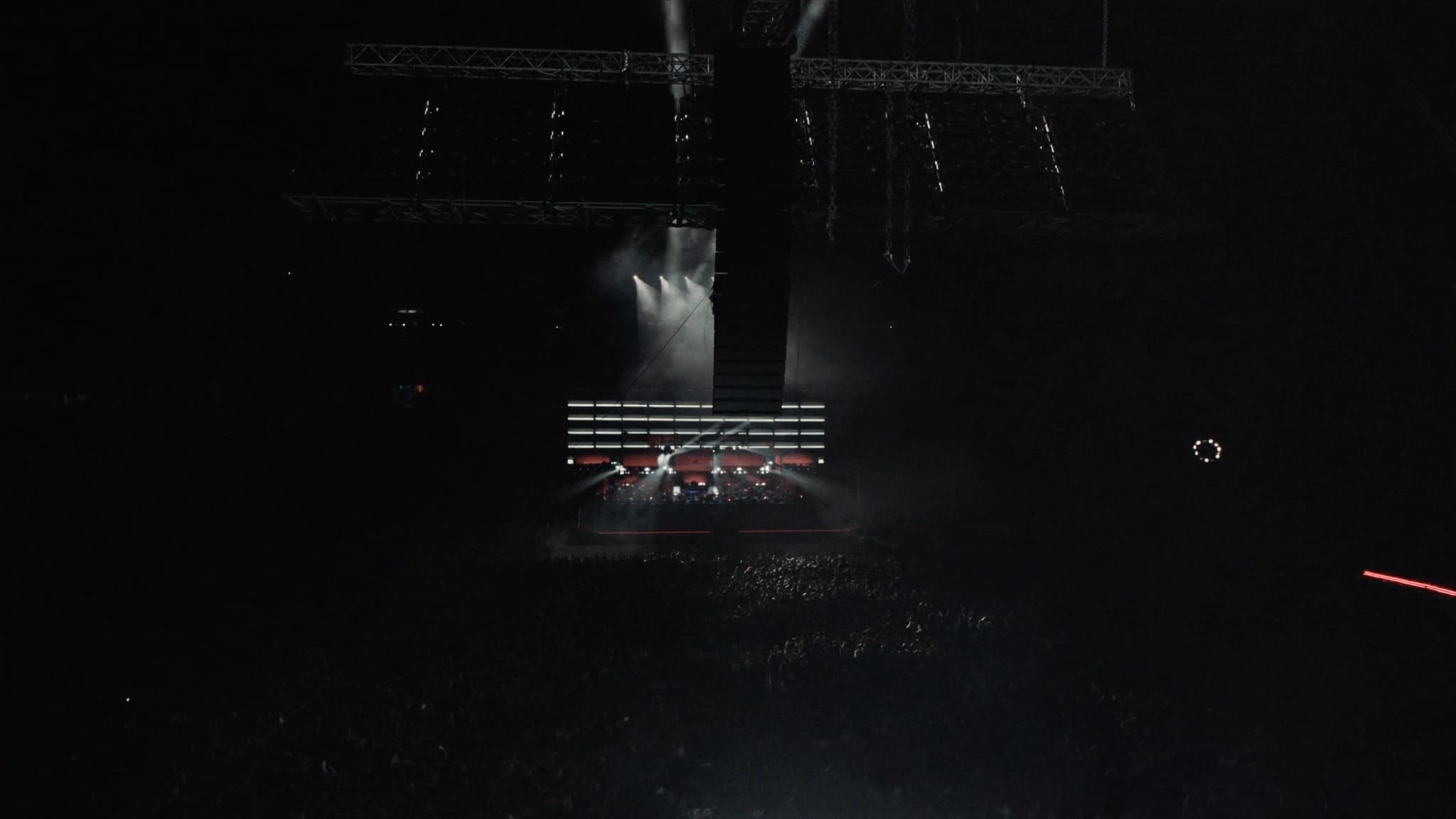
バンドが街に到着し、観客が沸き上がるとき、その体験の背後にある見えない力はツアーPAシステムです。これは、夜ごと、都市ごとに、純粋なオーディオを届けるために綿密に設計されたコンサートリグです。SSOUNDSでは、フェスティバルのメインステージから親密なアリーナツアーまで、世界中を旅するシステムを構築しています。このガイドでは、プロのツアーPAのすべてのコンポーネントを分解します:フロント・オブ・ハウス(FOH)、ステージモニター、ラインアレイ、サブウーファー、アンプリフィケーション、ケーブル配線、そしてそれをすべて機能させるロジスティクスです。駆け出しのシステムテックでも、好奇心旺盛なアーティストでも、コンサートリグを構成するものを理解することで、トップティアのサウンドが芸術と科学の両方である理由が明らかになります。
主なポイント
- ツアーPAは、FOH、モニター、ラインアレイ、サブ、アンプ、ケーブル配線、ロジスティクスで構成され、各要素が全体のパフォーマンスに不可欠です。
- ラインアレイは、複数のキャビネットを湾曲したアーチ状に吊り下げることで均一なカバレッジを提供します。サブウーファーは低域のパンチを追加し、カーディオイドまたはエンドファイアアレイで構成できます。
- DSP内蔵の現代的なアンプは、精密なシステムチューニングと保護を可能にし、ネットワーク監視によりテックはリアルタイム制御を行えます。
- ケーブル配線と電源分配は堅牢で整理されている必要があります。すべてのコンポーネントは効率的な輸送とセットアップのためにフライトケースに梱包されます。
- 熟練したクルーと慎重な計画がツアーの成功に不可欠です。SSOUNDSシステムはこのプロセスを合理化するように設計されています。
フロント・オブ・ハウス:コマンドセンター
FOHポジションはオペレーションの頭脳であり、通常は観客エリアの中央に位置し、そこでサウンドエンジニアがショーをミックスします。FOHコンソールはステージ上のすべてのマイクと楽器から信号を受け取り、EQ、ダイナミクス、エフェクトで処理し、メインPAシステムに送信します。ツアーリグでは、障害を防ぐために冗長処理とバックアップシステムを備えたデジタルコンソールがよく使用されます。FOHエンジニアはまた、SMAARTなどの測定ツールを使用してPAを会場にチューニングし、システム全体のレベルとトーナルバランスを制御します。
コンソールの向こう側には、FOHラックにシステムプロセッサが収容されています。たとえば、SSOUNDS DSPユニットは、各スピーカーエンクロージャのクロスオーバー周波数、遅延アライメント、リミッティングを処理します。これらのプロセッサは、ラインアレイ、サブ、フィルが一体となったシステムとして機能することを保証します。よく設計されたFOHセットアップには、専用の電源分配ユニット(PDU)とデジタルオーディオ伝送用のネットワークスイッチ(例:DanteまたはAVB)が含まれます。ツアーリグでは、すべてのケーブルにラベルが付けられ、すべての信号経路がショー当日前にテストされます。
ステージモニター:ステージ上で自分自身を聴く
観客はメインPAを聴きますが、パフォーマーは自分自身とお互いを聴くためにステージモニターに依存します。従来のウェッジモニターは床に置かれ、ミュージシャンに向かって角度が付けられています。SSOUNDSステージウェッジのようなツアーグレードのモニターは、高いSPLと絶え間ない酷使に耐えるように作られており、頑丈なエンクロージャと保護グリルを備えています。各モニターは独自のアンプチャンネルで駆動され、別のモニターコンソール(または専任のモニターエンジニアを備えたFOHコンソール)から供給されます。
インイヤーモニター(IEM)はツアーで標準となり、ステージ音量を低減し、明瞭度を向上させています。IEMシステムは、トランスミッター、ボディパックレシーバー、カスタムモールドイヤバッドで構成されています。モニターエンジニアは、各パフォーマーに固有のフィードをミックスし、多くの場合、クリックトラック、キュー、アンビエントマイクを含めます。IEMを使用しても、多くのツアーではゲスト用またはバックアップとして少数のウェッジモニターを携帯しています。モニターシステムは、フィードバックを避け、ステージ全体で一貫したカバレッジを提供するようにチューニングする必要があります。
ラインアレイ:カバレッジのバックボーン
ラインアレイは、大規模なコンサートリグで最も目に見える部分です。それらは、垂直にアーチ状に吊り下げられた複数の同一のラウドスピーカーキャビネットで構成され、長距離にわたって均等に音を投射するコヒーレントな波面を作り出します。SSOUNDSラインアレイシステムは、精密なウェーブガイド設計とネオジムドライバーで設計されており、低歪みで高いSPLを提供します。キャビネット間の曲率(スプレイ)が垂直カバレッジを決定します。長い投射にはタイトなスプレイ、近距離カバレッジには広いスプレイです。
典型的なツアーラインアレイは、会場の規模に応じて片側12〜24台を吊り下げます。アレイは、構造用鋼またはトラスに取り付けられた電動ホイストから吊り下げられます。システムテックは、予測ソフトウェア(EASE FocusやSSOUNDS独自ツールなど)を使用して、各会場に最適なアレイ構成を計算します。グラウンドスタックのサブウーファーは、多くの場合、アレイの前または横に配置され、サイドフィルとフロントフィルが極端な角度をカバーします。目標は、観客エリア全体で均一なSPLと周波数応答を実現することです。
サブウーファー:低域の基盤
サブウーファーは100 Hz以下の周波数を処理し、観客を動かすパンチとランブルを提供します。ツアーサブは通常、18インチまたは21インチドライバーを備えた大型エンクロージャで、大電流アンプで駆動されます。SSOUNDSサブウーファーは、パフォーマンスと携帯性の両方を考慮して設計されており、統合リギングポイントとキャスターを備えています。一般的な構成には、上手(ステージ方向)に放射される低周波エネルギーを低減し、パフォーマーの明瞭度を向上させるカーディオイドアレイがあります。
サブウーファーは、ステージ前方にグラウンドスタックするか、ラインアレイと一緒に吊り下げるか、エンドファイアまたはグラディエントアレイに配置して低音を指向させることができます。サブの数は、目標SPLと会場の規模によって異なります。大規模ツアーでは、片側24〜48台のサブを使用することがあります。サブとメイン間のクロスオーバー設定と遅延アライメントは、シームレスなブレンドに不可欠です。SSOUNDS DSPプリセットはこのプロセスを簡素化し、エンジニアがシステムを部屋に迅速にマッチングできるようにします。
アンプとDSP:筋肉と脳
ツアーPAのすべてのラウドスピーカーにはアンプリフィケーションが必要です。現代のツアーシステムは、DSP内蔵の軽量で高出力なClass-Dアンプを使用しています。SSOUNDSアンプは、チャンネルあたり数千ワットを供給しながら、重量は20 kg未満で、ラックへの搭載と輸送が容易です。DSPは、特定のラウドスピーカーモデルに合わせたクロスオーバーフィルター、EQ、リミッティング、遅延を処理します。アンプは通常、耐衝撃フライトケースに収容され、冗長電源とネットワーク制御を備えています。
アンプラックは、ケーブル長を最小限に抑えるためにステージ近くに配置されるか、ラインアレイと一緒に吊り下げられることがよくあります。ネットワーク制御により、システムテックはタブレットまたはラップトップからアンプの状態、温度、出力レベルを監視できます。大規模ツアーでは、複数のアンプラックがAES3またはDanteを介してデイジーチェーン接続され、デジタルオーディオを分配します。効率的なアンプリフィケーションと精密なDSPの組み合わせにより、システムがピークパフォーマンスで動作し、ドライバーを損傷から保護します。
ケーブル配線と電源分配:神経系
ツアーPAには何マイルものケーブル、スピーカーケーブル、信号ケーブル、ネットワークケーブル、電源ケーブルが必要です。すべてのケーブルは頑丈で、明確にラベル付けされ、迅速なセットアップと撤収のために整理されている必要があります。スピーカーケーブルにはSpeakonコネクタが標準で、アナログおよびデジタル信号にはXLRとEtherConが使用されます。電源分配は会場のメインブレーカーパネルから始まり、一連のPDUに供給され、アンプ、コンソール、処理機器にクリーンで安定した電源を提供します。
グラウンディングと電源コンディショニングは、ハムを防ぎ、敏感な電子機器を保護するために不可欠です。多くのツアーでは、独自のディストロボックスと太いフィーダーケーブルを携帯しています。ケーブル管理はロジスティクスの芸術です。すべてのケーブルは巻かれ、袋に入れられ、色分けされています。典型的なリグには、すべてのタイプのスペアケーブルと、アダプターとテスターが含まれます。システムテックの責任は、すべての信号経路が無傷でノイズがないことを確認することであり、このプロセスは搬入中に始まり、サウンドチェックを通じて続きます。
ロジスティクス:梱包、輸送、クルー
PAシステムのツアーは大規模なロジスティクス作業です。典型的なコンサートリグは複数のセミトラックを満たし、各コンポーネントはカスタムフライトケースに梱包されます。ケースは、積み込みを容易にするために車輪、ハンドル、スタッキング機能を備えて設計されています。在庫管理は重要です。すべてのケースには番号が付けられ、在庫管理され、詳細なパッチリストがクルーに各ケーブルの接続先を指示します。ツアークルーには、システムテック、FOHおよびモニターエンジニア、リガー、ステージハンドが含まれます。
搬入と搬出は厳格なスケジュールに従います。システムテックは会場のリギングチームと調整してラインアレイを吊り下げ、オーディオクルーはケーブルを配線し、コンソールをセットアップします。サウンドチェックにより、エンジニアはシステムをチューニングし、問題に対処できます。ショー後、クルーはシステム全体を逆の順序で分解し、しばしば夜通し作業します。SSOUNDSシステムは、クイックリリースリギング、事前配線されたアンプラック、直感的なDSPプリセットにより、迅速な展開が可能なように設計されており、クルーが機材と格闘するのではなく、優れたサウンドを届けることに集中できるようにします。
よくある質問
ツアーでは通常、ラインアレイのボックスは何台使用されますか?
数は会場の規模と目標SPLによって変わります。小規模クラブでは片側8〜12台、大規模アリーナやフェスティバルでは片側16〜24台を配置することが多いです。SSOUNDSのシステムはスケーラブルで、ツアー中に必要に応じてキャビネットを追加または削除できます。
アクティブとパッシブのツアーPAシステムの違いは何ですか?
アクティブシステムは各スピーカーにアンプとDSPが内蔵されており、ケーブル配線が簡素化されますが重量が増します。パッシブシステムは外部アンプを使用し、柔軟性と保守性の容易さを提供します。多くの大規模ツアーでは、信頼性と集中制御のためにパッシブセットアップが好まれます。
ツアーPAはどのように輸送しますか?
コンポーネントはフォームパッドと車輪付きのカスタムフライトケースに梱包されます。ケースはリフトゲートまたはランプを使用してトラックに積み込まれます。典型的なアリーナリグは2〜4台のセミトレーラーを満たします。SSOUNDSはセットアップ時間を短縮するために、統合リギングと人間工学的なハンドルを備えたエンクロージャを設計しています。
カーディオイドサブウーファー構成とは何ですか?
カーディオイドサブアレイは、特定の間隔と遅延を持つ複数のサブウーファーを使用して、上手(ステージ方向)に放射される音をキャンセルし、ステージ上の低周波エネルギーを低減します。これによりモニターの明瞭度とシステム全体の制御が向上します。SSOUNDS DSPには一般的なカーディオイドパターンのプリセットが含まれています。
ツアーPAのセットアップにはどのくらい時間がかかりますか?
セットアップ時間はシステムの規模とクルーの経験によって異なります。典型的なアリーナリグでは、搬入、リギング、ケーブル配線に4〜8時間、その後チューニングとサウンドチェックに1〜2時間かかることがあります。SSOUNDSシステムは、事前配線されたラックとクイックリリースハードウェアにより、迅速な展開が可能なように設計されています。
システムの構築やアップグレードをお考えですか?
SSOUNDSは、単一の部屋からスタジアム規模まで、プロ用PAを世界中で設計・製造しています。