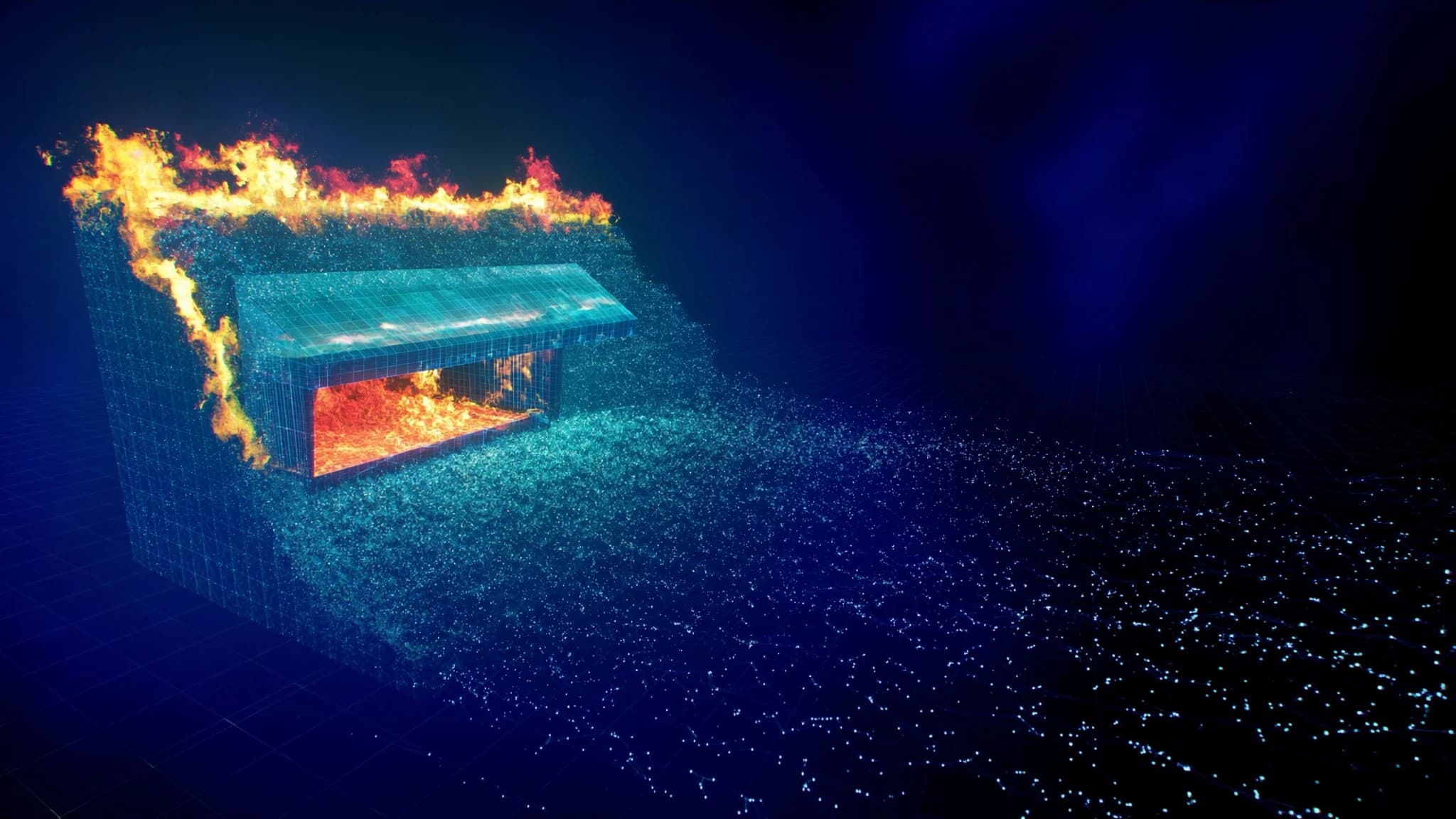
AI in Stage and Set Design

Generative AI is transforming stage and set design, enabling designers to rapidly explore concepts, create 3D pre-visualisations, and iterate faster than ever before. This guide explores how AI tools are reshaping the creative process for live events, from initial inspiration to final render.
Key takeaways
- Generative AI accelerates concept generation, providing diverse visual ideas from simple text prompts.
- AI-assisted 3D tools enable rapid iteration of set designs, reducing manual modelling time.
- AI can be integrated into existing CAD and parametric design workflows for enhanced efficiency.
- Lighting and visual effects pre-sets benefit from AI simulation, saving time during venue setup.
- Real-world productions are already using AI for dynamic backdrops and kinetic set pieces.
- The future will see AI as a standard design partner, with real-time generation and acoustics-aware layouts.
Generative AI for Concept Generation
Generative AI platforms like Midjourney, DALL·E, and Stable Diffusion allow designers to input text prompts and instantly receive a wide array of visual concepts. For stage design, this means you can describe a mood, era, or abstract idea—such as 'a futuristic cyberpunk arena with holographic pillars'—and generate dozens of unique interpretations in minutes. This accelerates the brainstorming phase, providing a rich source of inspiration that can be refined or combined.
These tools are particularly valuable for exploring themes that are difficult to sketch quickly, such as organic shapes, complex lighting scenarios, or large-scale architectural elements. Designers can use AI-generated images as mood boards, reference material, or even direct inputs for 3D modelling software.
3D Pre-Visualisation and Rapid Iteration
Once a concept is selected, AI-assisted 3D tools like NVIDIA Omniverse, Blender with AI plugins, or Unreal Engine's MetaHuman can speed up the pre-visualisation process. AI algorithms can automatically generate geometry, apply textures, and simulate lighting based on reference images or simple sketches. This reduces the time spent on manual modelling and allows designers to test multiple variations of a set quickly.
For example, an AI can take a 2D concept image and generate a 3D mesh with approximate depth and materials, which can then be refined. Designers can also use AI to populate a stage with virtual props, crowd simulations, or dynamic lighting cues, creating a realistic preview of how the set will look under show conditions. This iterative loop—generate, review, adjust—can be completed in hours rather than days.
Integrating AI with Traditional Workflows
AI is not replacing the designer's expertise but augmenting it. Professional stage designers typically work in CAD software like Vectorworks or SketchUp, and AI-generated assets can be imported as reference or base geometry. Tools like Rhino with Grasshopper allow parametric design, where AI can suggest optimal structural forms based on load and material constraints.
For large-scale productions, AI can assist in planning rigging points, cable paths, and sightlines by analysing the venue's dimensions and the set's geometry. This integration ensures that creative concepts remain technically feasible and safe, while still benefiting from AI's speed.
AI for Lighting and Visual Effects Pre-Set
Lighting designers can use AI to simulate complex lighting plots and cue sequences before entering the venue. AI algorithms can predict how different fixtures will interact with set materials, generating realistic renderings that account for colour mixing, gobo patterns, and beam angles. This allows for pre-programming of lighting consoles (e.g., grandMA, Avolites) with initial cues, reducing time spent on site.
Similarly, AI can generate projection mapping content or LED wall visuals that adapt to the set's geometry. By analysing the 3D model, AI can warp and blend video content to fit irregular surfaces, creating immersive environments that would be tedious to map manually.
Case Studies and Practical Applications
Major touring productions and corporate events have begun adopting AI for set design. For instance, a recent music tour used generative AI to create a series of evolving stage backdrops that changed with each song, with the AI generating new patterns based on real-time audio input. Another example is a theatrical production where AI helped design a kinetic set piece that transformed between scenes, with the AI optimising the mechanical movements for speed and safety.
These examples show that AI is not just a novelty but a practical tool that can enhance creativity while saving time and resources. As the technology matures, we can expect even deeper integration into every stage of the design process.
The Future of AI in Stage Design
Looking ahead, AI will likely become a standard part of the stage designer's toolkit. Real-time generative AI could allow designers to 'paint' a set in virtual reality, with the AI filling in details and physics. Machine learning models trained on thousands of past productions could offer design suggestions based on a show's genre, budget, and venue constraints.
SSOUNDS, as a leader in professional audio, recognises that great sound requires great stage design. We support designers by providing loudspeaker systems that integrate seamlessly with AI-optimised set layouts, ensuring that acoustics are considered from the earliest design stages. The synergy between AI-driven design and precision audio engineering will define the next generation of live events.
Frequently asked
Can AI completely replace human stage designers?
No, AI is a tool that augments human creativity and efficiency. It handles repetitive tasks and generates ideas, but the artistic vision, storytelling, and technical expertise of a human designer remain essential.
What software do I need to start using AI for set design?
Popular generative AI tools include Midjourney, DALL·E, and Stable Diffusion for concepts. For 3D pre-vis, try Blender with AI plugins, NVIDIA Omniverse, or Unreal Engine. Many integrate with traditional CAD software like Vectorworks.
How does AI handle safety and structural constraints?
AI can be trained on structural engineering data to suggest safe designs, but final approval must always come from a qualified engineer. AI-generated designs should be reviewed for compliance with local codes and load limits.
Is AI useful for small-scale productions with limited budgets?
Absolutely. Free or low-cost AI tools can help small teams generate professional-looking concepts quickly, reducing the need for expensive renderings or multiple design revisions.
How does SSOUNDS support AI-driven stage design?
SSOUNDS provides loudspeaker systems that can be modelled in AI-optimised set layouts, ensuring acoustics are considered early. Our engineering team can advise on integrating sound system placement with AI-generated designs.
Building or upgrading a system?
SSOUNDS engineers and manufactures professional PA worldwide — from a single room to stadium scale.