가스펠 콘서트 프로덕션 사운드 가이드
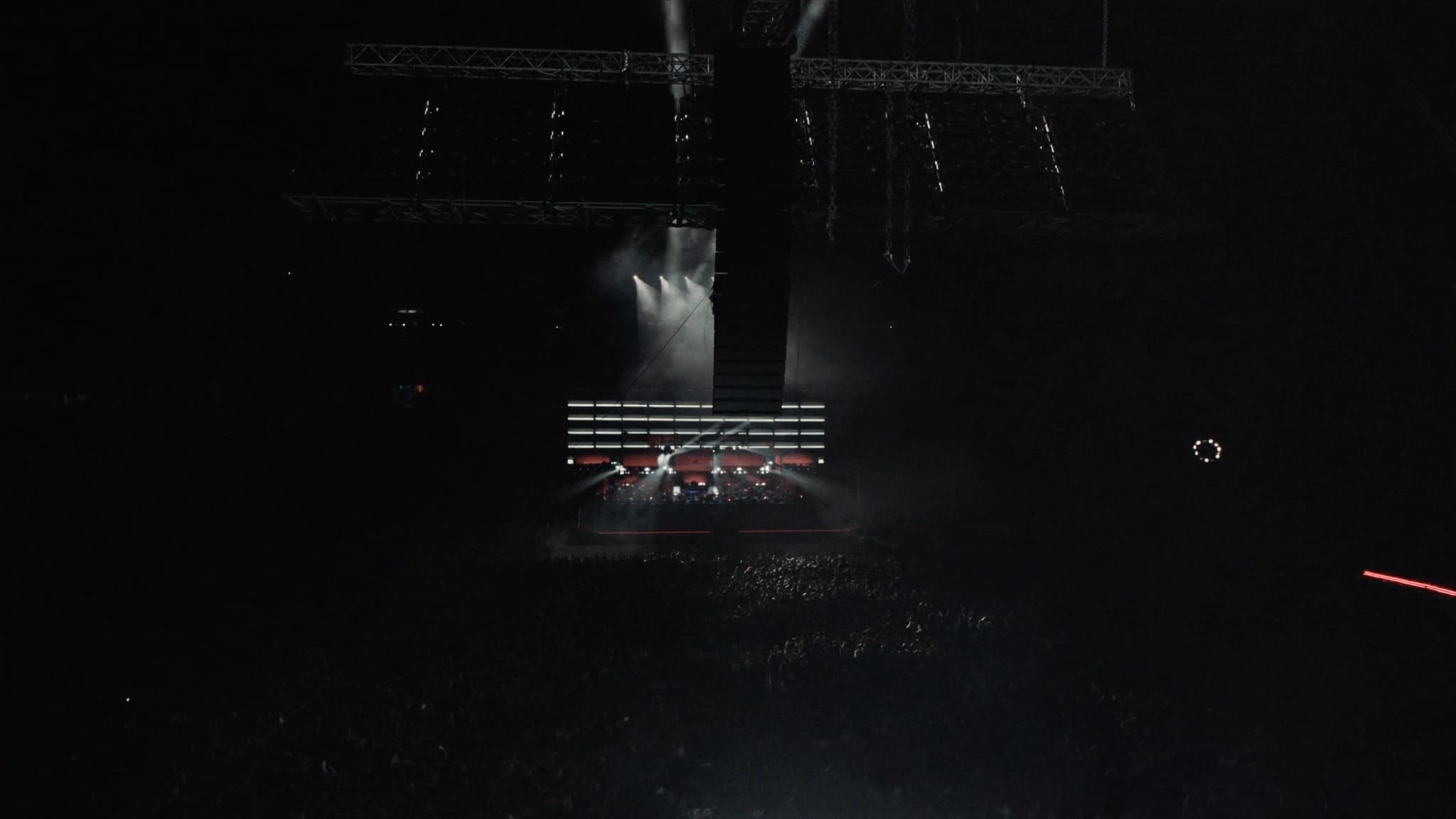
가스펠 콘서트는 독특한 라이브 사운드 이벤트입니다. 일반적인 록 쇼와 달리, 강력하고 에너지 넘치는 증폭과 합창단과 관객 모두를 위한 깨끗한 보컬 명료성 사이의 섬세한 균형을 요구합니다. 목표는 단순히 소리를 증폭하는 것이 아니라, 메시지의 모든 단어가 명료하고 모든 화음이 선명하며 저역 에너지가 공간을 움직이는 영적 분위기를 만드는 것입니다. 라고스에서 나이로비까지 아프리카 전역의 대규모 가스펠 행사에서는 야외 공연장, 대규모 합창단, 높은 주변 소음 등으로 인해 과제가 더욱 커집니다. 세계적 수준의 PA 제조사인 SSOUNDS의 이 가이드는 완벽한 가스펠 콘서트 경험을 제공하기 위한 필수 프로덕션 원칙을 다룹니다.
핵심 요약
- 가스펠 사운드는 역동적인 예배를 처리하기 위해 높은 헤드룸, 보컬 명료성, 제어된 저역을 갖춘 시스템이 필요합니다.
- 적절한 커버리지와 딜레이 필이 있는 라인 어레이는 대규모 공연장에서도 모든 청취자가 명확히 들을 수 있도록 보장합니다.
- 합창단 믹싱은 스테레오 서브그룹, 신중한 마이크 배치, 감각적인 리버브를 통해 몰입감 있는 사운드스테이지를 만드는 이점이 있습니다.
- 마이크 선택, 모니터 배치, 시스템 처리를 통한 피드백 관리는 고이득 가스펠 행사에 중요합니다.
- 아프리카 야외 환경에서 안정적인 성능을 위해 전원 컨디셔닝과 내후성 장비에 투자하세요.
가스펠 사운드스케이프 이해하기
가스펠 음악은 역동적입니다. 친밀하고 조용한 기도 시간부터 폭발적이고 에너지 넘치는 찬양 코러스까지 다양합니다. 사운드 시스템은 왜곡이나 디테일 손실 없이 이 넓은 다이내믹 레인지를 처리해야 합니다. 핵심 요소는 보컬 명료성(설교자와 리드 보컬은 매우 선명해야 함), 합창단 존재감(합창단이 몰입감 있게 느껴지도록 넓고 응집력 있는 사운드스테이지), 저역 기반(탁함 없이 에너지를 제공하는 킥 드럼과 베이스)입니다.
많은 아프리카 가스펠 행사에서 관객은 적극적인 참여자로서 함께 노래하고 박수 치고 춤춥니다. 따라서 PA는 관객의 소음 위로 올라갈 수 있는 충분한 헤드룸을 갖추고 관객 영역 전체를 고르게 커버해야 합니다. 바로 이 지점에서 SSOUNDS의 전문 라인 어레이 시스템이 뛰어납니다. 이들의 제어된 지향성은 필요한 곳에 정확하게 소리를 투사하여 무대로의 유출을 줄이고 피드백을 최소화합니다.
시스템 설계: 커버리지와 SPL
프론트 필과 딜레이를 잊지 마세요. 매우 넓거나 깊은 공연장에서는 딜레이 타워가 모든 스피커에서 소리가 동시에 도착하도록 보장하여 명료성을 유지합니다. 프론트 필은 메인 어레이가 도달하지 못할 수 있는 무대 바로 앞 영역을 커버합니다. SSOUNDS 포인트 소스 라우드스피커는 메인 시스템과 일관된 음색 균형을 제공하며 이러한 역할에 이상적입니다.
가스펠을 위한 믹싱: 보컬과 합창단
리드 보컬이 초점입니다. 합창단과 밴드로부터의 유입을 최소화하기 위해 픽업 패턴이 좁은 고품질 다이내믹 또는 콘덴서 마이크를 사용하세요. EQ는 부드럽게 적용하여 80Hz 이하의 저주파를 컷팅해 럼블을 줄이고, 3~5kHz 주변에서 약간의 프레즌스 부스트를 더해 명료성을 높입니다. 다이내믹을 제어하기 위해 컴프레션이 필수적이지만 과도한 컴프레션은 피하세요. 가스펠 보컬은 숨 쉴 공간이 필요합니다.
합창단은 독특한 도전입니다. 20~100개 이상의 마이크를 사용할 경우 위상 일관성과 게인 스테이징이 중요합니다. 오버헤드 콘덴서와 개별 카디오이드 다이내믹을 조합하여 사용하세요. 합창단을 섹션(소프라노, 알토, 테너, 베이스)으로 그룹화하고 스테레오 서브그룹으로 버스합니다. 이 서브그룹을 좌우로 약간 패닝하면 넓고 자연스러운 사운드스테이지가 만들어집니다. 리버브는 유용합니다. 1.5~2.5초의 감쇠 시간을 가진 홀 또는 플레이트 리버브는 공간감과 웅장함을 더합니다. 그러나 리버브 리턴을 너무 높이지 않아 믹스를 탁하게 만들지 않도록 하세요.
고이득 환경에서 피드백 관리
가스펠 행사는 모니터와 합창단 자체 소리로 인해 무대 볼륨이 높은 경우가 많습니다. 피드백은 항상 위협입니다. 마이크를 신중하게 배치하는 것부터 시작하여 모니터 웨지나 메인 PA를 직접 향하지 않도록 하세요. 더 나은 제거를 위해 카디오이드 또는 하이퍼카디오이드 마이크를 사용하세요. 모니터 믹스의 그래픽 이퀄라이저는 문제 주파수를 노치 아웃할 수 있지만, 사운드를 변경하지 않도록 절제해서 사용하세요.
최신 디지털 믹싱 콘솔은 피드백 억제 및 합창단을 위한 자동 마이크 믹싱과 같은 기능을 제공합니다. SSOUNDS는 모든 라우드스피커의 위상 응답을 정렬하여 콤 필터링을 줄이고 피드백 전 게인을 개선하는 FIR 처리가 있는 시스템 사용을 권장합니다. 당사의 DSP 앰프는 높은 SPL에서도 안정성을 유지하는 데 도움이 되는 고급 필터링을 포함합니다.
모니터링의 역할: 밴드와 합창단 연결 유지
인이어 모니터(IEM)는 무대 볼륨을 줄이고 더 깨끗한 믹스를 제공하기 때문에 가스펠 밴드에서 표준이 되어가고 있습니다. 그러나 많은 합창단은 여전히 '공간 안의 소리' 느낌을 위해 웨지 모니터를 선호합니다. 웨지를 사용하는 경우 피드백을 피하도록 배치하고 볼륨보다 명료성을 위해 EQ를 조정하세요. 합창단 지휘자를 위한 별도의 모니터 믹스가 필수적입니다. 지휘자는 효과적으로 이끌기 위해 모든 섹션을 명확히 들어야 합니다.
대규모 행사의 경우 전용 모니터 엔지니어를 고려하세요. 밴드, 합창단, 설교자는 모두 다른 믹스 요구 사항을 가질 수 있습니다. SSOUNDS 스테이지 모니터는 부드러운 커버리지와 높은 출력을 위해 설계되어 모든 연주자가 자신과 앙상블의 나머지 소리를 명확히 들을 수 있습니다.
아프리카 행사를 위한 실용적 고려 사항
전원 안정성은 흔한 문제입니다. 장비를 보호하기 위해 전압 조정기와 UPS 시스템에 투자하세요. 발전기는 헤드룸을 포함한 전체 시스템 부하를 처리할 수 있는 크기로 선택해야 합니다. 또한 기후를 고려하세요. 열과 습도는 라우드스피커 성능에 영향을 미칠 수 있습니다. SSOUNDS 시스템은 견고한 구성 요소와 야외 행사를 위한 내후성 옵션으로 제작됩니다.
운송 및 설치 물류도 중요합니다. 모듈식 경량 캐비닛은 트럭 공간과 리깅 시간을 줄입니다. SSOUNDS 리깅 하드웨어는 빠른 배포를 위해 설계되어 크루가 기계적 문제보다 음질에 집중할 수 있습니다. 마지막으로 항상 예비 케이블, 마이크, 백업 콘솔을 준비하세요. 가스펠 행사는 다운타임을 감당할 수 없습니다.
자주 묻는 질문
경기장에서 가스펠 콘서트를 위한 이상적인 스피커 구성은 무엇인가요?
일반적인 구성은 메인 커버리지를 위한 좌우 플라운 라인 어레이(예: SSOUNDS 대형 포맷 어레이), 카디오이드 패턴의 그라운드 스택 또는 플라운 서브우퍼, 무대 앞 영역을 위한 프론트 필, 깊은 좌석을 위한 딜레이 타워를 포함합니다. 정확한 캐비닛 수는 공연장 크기와 요구 SPL에 따라 달라집니다.
50인 합창단에 마이크가 몇 개 필요한가요?
50인 합창단의 경우 8~12개의 마이크를 사용하세요. 합창단 전체에 고르게 배치한 오버헤드 콘덴서 마이크(4~6개)와 솔로이스트 또는 섹션 리더를 위한 개별 카디오이드 다이내믹 마이크(4~6개)를 조합합니다. 이는 과도한 위상 문제 없이 좋은 커버리지를 제공합니다.
설교자가 핸드헬드 무선 마이크를 사용할 때 피드백을 어떻게 방지하나요?
카디오이드 또는 슈퍼카디오이드 마이크를 사용하고, 마이크를 입에 가까이 유지하며, 모니터나 메인 스피커를 향하지 않도록 하세요. 모니터 EQ에서 피드백 주파수에 좁은 노치 필터를 적용합니다. 또한 메인 PA가 무대 영역을 과도하게 커버하지 않도록 하세요.
가스펠 음악에 가장 적합한 서브우퍼 어레이는 무엇인가요?
카디오이드 서브우퍼 어레이(예: DSP 프리셋이 있는 SSOUNDS 서브우퍼 사용)는 저역 에너지를 전방으로 집중시키고 어레이 뒤쪽으로는 줄입니다. 이는 무대를 깨끗하게 유지하고 관객 영역 전체에 펀치감 있고 고른 베이스를 제공합니다. 매우 큰 행사의 경우 플라운 서브와 그라운드 스택 서브의 조합이 잘 작동합니다.
합창단에 인이어 모니터를 사용해야 하나요?
IEM은 무대 볼륨과 피드백을 줄일 수 있지만, 많은 합창단은 자연스러운 느낌을 위해 웨지를 선호합니다. 하이브리드 접근이 효과적입니다. 밴드와 주요 보컬에게는 IEM을 제공하고, 합창단에는 신중한 EQ와 배치로 웨지를 사용합니다. 항상 합창단 지휘자를 위한 전용 모니터 믹스를 준비하세요.
시스템을 새로 구축하거나 업그레이드하시나요?
SSOUNDS는 단일 공간부터 스타디움 규모까지, 전 세계에서 전문 PA 시스템을 설계하고 제작합니다.