교회 사운드 시스템 설계: 결정적 가이드
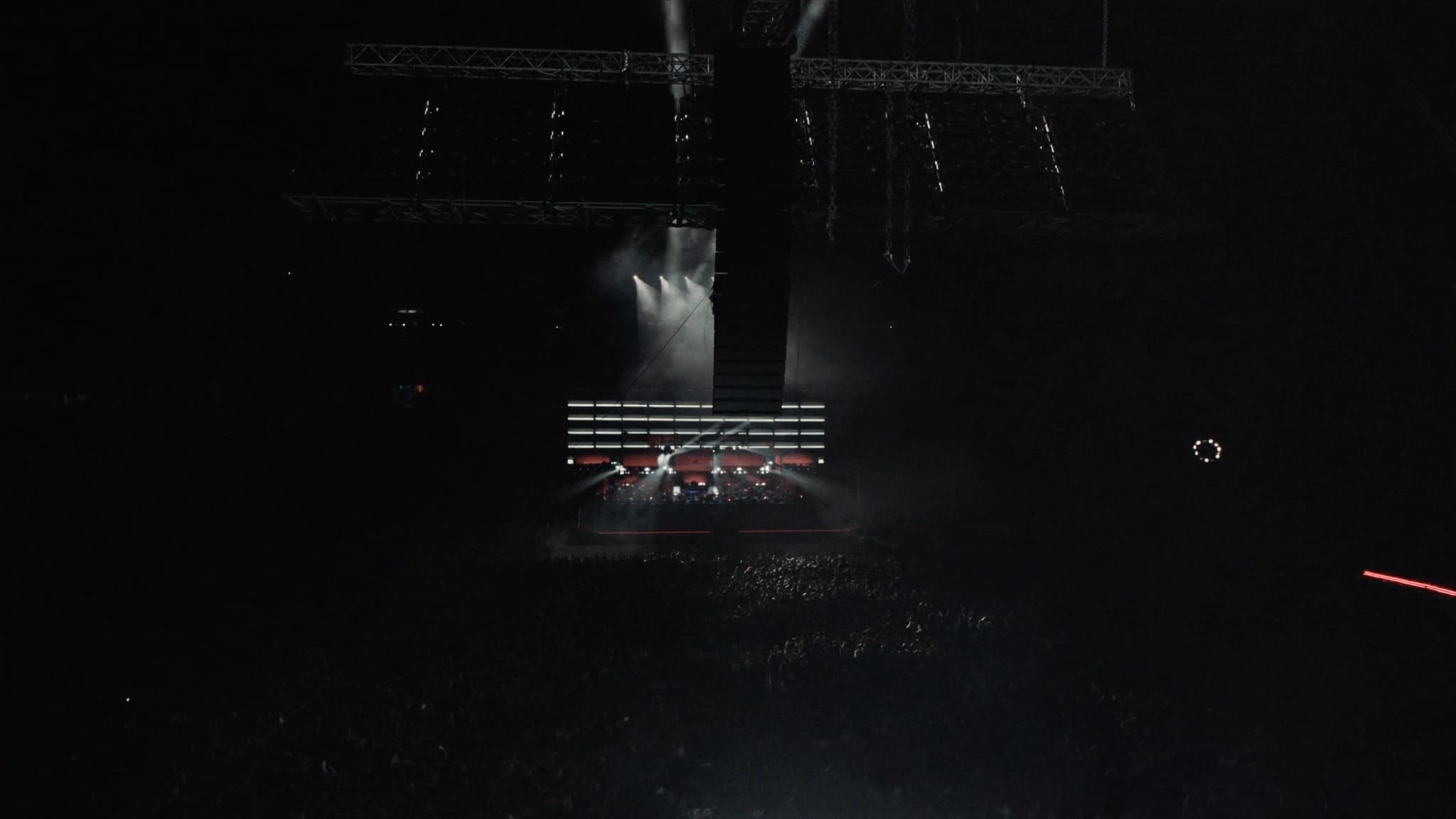
예배 공간을 위한 사운드 시스템 설계는 기술적 정밀성과 영적 목적을 결합하는 독특한 과제입니다. 콘서트 장소나 상업 공간과 달리 교회는 설교를 위한 탁월한 음성 명료도, 단체 찬양을 위한 일관된 커버리지, 종종 잔향이 많은 공간에서 강력한 피드백 억제를 요구하며, 동시에 빠듯한 예산을 존중하고 미래 성장을 계획해야 합니다. SSOUNDS에서는 아프리카, 유럽 및 그 외 지역의 교회를 위해 전문 PA 시스템을 설계해 왔으며, 명확하고 신뢰할 수 있는 오디오가 사역을 위한 사치가 아니라 필수임을 이해하고 있습니다. 이 결정적 가이드는 예배당의 음향 평가와 커버리지 목표 정의부터 올바른 라우드스피커 구성 선택, 앰프 및 DSP 설정 최적화, 청중이 성장함에 따른 시스템 확장에 이르기까지 모든 중요한 단계를 안내합니다. 처음부터 구축하든 오래된 설정을 업그레이드하든, 이러한 원칙은 귀하의 커뮤니티에 명확성과 파워로 봉사하는 사운드 시스템을 만드는 데 도움이 될 것입니다.
핵심 요약
- 스피커를 선택하기 전에 공간의 음향(RT60, 노이즈 플로어)을 측정하십시오. 음향 처리가 장비 업그레이드보다 더 큰 영향을 미칠 수 있습니다.
- 음성 명료도를 우선시하십시오: 좁은 수직 커버리지, 직접음 및 피드백 억제를 사용하여 STI > 0.6을 달성하십시오.
- 포인트 소스 또는 라인 어레이 시스템을 사용하여 균일한 커버리지(±3dB)를 설계하고 발코니 및 발코니 아래 영역에는 필 스피커를 사용하십시오.
- 확장 가능한 인프라로 성장을 계획하십시오: 도관, 디지털 스네이크, 모듈식 앰프. 백본에 먼저 투자하십시오.
- 최적의 성능과 보호를 보장하기 위해 라우드스피커용 내장 DSP 및 프리셋이 있는 앰프를 선택하십시오.
- 교육 및 지원에 투자하십시오. 잘 운영되는 소박한 시스템이 잘못 운영되는 값비싼 시스템보다 뛰어납니다.
1. 음향 우선: 공간 이해하기
단 하나의 라우드스피커를 선택하기 전에 예배당의 음향적 거동을 이해해야 합니다. 잔향 시간(RT60)은 음성 명료도에 가장 중요한 단일 측정값입니다. 단단한 표면(석재, 목재, 유리)을 가진 일반적인 교회에서 RT60은 2초를 초과할 수 있어 단어가 서로 흐려집니다. 음성의 목표는 RT60 1.5초 미만이며, 음악의 경우 최대 2초까지 허용될 수 있습니다. 스마트폰 앱으로 공간을 측정하거나 음향 컨설턴트를 고용하십시오. RT60이 높으면 스피커에 투자하기 전에 음향 처리(흡음 패널, 카펫, 커튼)를 계획하십시오.
다음으로 좌석 영역을 매핑하십시오. 긴 의자, 발코니, 벽감 및 장애물을 기록하십시오. 일반적으로 앉은 귀의 경우 바닥에서 1.2미터 위인 청취 평면을 식별하십시오. 무대에서 가장 먼 청취자 거리를 결정하십시오. 이 거리는 SPL 요구 사항과 커버리지 패턴을 결정합니다. 예를 들어, 깊이 30미터의 신랑은 라인 어레이 또는 여러 지연 스피커가 필요하며, 15미터 공간은 단일 포인트 소스 클러스터로 서비스될 수 있습니다.
마지막으로 노이즈 플로어를 고려하십시오. HVAC 시스템, 거리 소음, 심지어 형광등도 조용한 구절을 가릴 수 있습니다. 음압계로 주변 소음을 측정하십시오. 일반적인 교회 노이즈 플로어는 35~45dBA입니다. 시스템은 명확한 음성을 위해 노이즈보다 최소 25dB 높게(즉, 평균 60~70dBA) 전달해야 합니다. SSOUNDS 엔지니어는 항상 공간 조사로 시작합니다. 이는 모든 성공적인 설치의 기초입니다.
2. 음성 명료도: 주요 목표
예배 공간에서 말씀은 가장 중요합니다. STI(음성 전달 지수)는 양호한 명료도를 위해 0.5 이상이어야 하며, 0.7 이상은 탁월한 것으로 간주됩니다. 이를 달성하려면 시스템이 잔향보다 우세한 직접음을 전달해야 합니다. 이는 다음을 의미합니다: (1) 라우드스피커를 벽이 아닌 청취자를 향해 직접 조준; (2) 공간의 잔향 필드를 자극하지 않도록 좁은 수직 커버리지 사용; (3) 라우드스피커와 청취자 간 거리를 가능한 한 짧게 유지.
대부분의 교회에서 제단 위 중앙 클러스터(또는 좌-중앙-우 어레이)가 최상의 음성 명료도를 제공합니다. 일정 지향성 혼(예: 90° x 60° 또는 60° x 40°)을 갖춘 SSOUNDS 포인트 소스 라우드스피커는 중간 규모 예배당에 이상적입니다. 더 큰 공간에는 조정 가능한 요소 간 각도를 가진 라인 어레이가 수직 커버리지를 형성하여 천장과 바닥에서 반사되는 에너지를 줄일 수 있습니다. 항상 가장 먼 좌석에서 20dB의 헤드룸으로 최소 95dB SPL을 달성할 수 있는 시스템을 지정하십시오. 이는 설교자가 열정적일 때도 명확하고 무리 없는 음성을 보장합니다.
피드백은 명료도의 적입니다. 사운드체크 중 링 주파수를 제거하기 위해 그래픽 또는 파라메트릭 EQ가 있는 디지털 믹서를 사용하십시오. SSOUNDS DSP 모듈에는 피드백 억제 알고리즘이 포함되어 있지만, 적절한 마이크 기술과 스피커 배치(모니터를 마이크 쪽으로 직접 향하지 않음)도 똑같이 중요합니다. 발화자가 마이크를 입 가까이에 유지하고 라우드스피커 앞을 걷지 않도록 교육하십시오.
3. 커버리지: 모든 좌석이 좋은 좌석
균일한 커버리지는 모든 예배자가 어디에 앉든 동일한 레벨과 음색 균형을 듣는 것을 의미합니다. 업계 표준은 청취 영역 전체에서 ±3dB 변동입니다. 이를 달성하려면 라우드스피커의 커버리지 패턴을 좌석 형상에 맞춰야 합니다. 넓고 얕은 공간에는 단일 광분산 포인트 소스(예: 120° x 60°)로 충분할 수 있습니다. 길고 좁은 신랑에는 좁은 수직 커버리지(예: 박스당 10°)와 넓은 수평(90° 또는 120°)을 가진 라인 어레이가 더 좋습니다.
발코니와 발코니 아래 영역은 악명 높은 문제 지점입니다. 이러한 존을 커버하려면 필 스피커, 즉 지연 시간이 적용된 소형 인클로저를 사용하십시오. SSOUNDS 컴팩트 포인트 소스 스피커는 발코니 필, 발코니 아래 지연 및 전면 필에 완벽합니다. 지연 측정 도구(예: SMAART 또는 간단한 임펄스 응답)를 사용하여 모든 스피커의 시간 정렬을 기억하십시오. 정렬되지 않은 시스템은 콤 필터링을 일으키고 음성을 흐리게 합니다.
서브우퍼는 교회에서 종종 간과되지만 음악에 따뜻함을 더하고 극적인 순간에 임팩트를 줍니다. 서브우퍼를 바닥(또는 매단)에 카디오이드 어레이로 배치하여 무대에서 저주파 축적을 줄이십시오. SSOUNDS 서브우퍼 시스템은 전체 범위 어레이와 원활하게 통합되도록 설계되어 공간을 압도하지 않는 타이트하고 제어된 베이스를 제공합니다.
4. 예산 책정 및 성장을 위한 확장
교회 예산은 종종 제한적이지만 단계적 접근 방식은 큰 지출 없이 탁월한 결과를 제공할 수 있습니다. 핵심부터 시작하십시오: 고품질 믹서, 한 쌍의 메인 라우드스피커, 서브우퍼 및 몇 개의 무선 마이크. SSOUNDS는 확장 가능한 시스템을 제공하며, 포인트 소스 캐비닛은 나중에 라인 어레이를 추가할 때 지연 필이 될 수 있습니다. 전용 사운드 엔지니어의 필요성을 줄이기 위해 원격 제어(태블릿 믹싱)가 가능한 디지털 믹서에 투자하십시오.
성장을 계획하십시오. 현재 청중이 200명이지만 5년 후 500명을 예상한다면 오늘 인프라를 설계하십시오: 스피커 케이블용 도관 설치, 디지털 스네이크 설치, 추가 캐비닛을 구동할 수 있는 앰프 선택. SSOUNDS 앰프는 모듈식이며 네트워크 가능하여 랙을 교체하지 않고 채널을 추가할 수 있습니다. 또한 음향 처리를 예산 친화적인 업그레이드로 고려하십시오. 종종 스피커 교체보다 더 많은 개선을 제공합니다.
교육을 잊지 마십시오. 훌륭한 시스템도 잘못 운영되면 끔찍하게 들립니다. SSOUNDS는 발화자를 위한 현장 교육 및 문서를 제공합니다. 예산의 5~10%를 교육 및 지원에 할당하십시오.
5. 증폭 및 DSP: 시스템의 두뇌
앰프와 DSP(디지털 신호 처리)는 교회 사운드 시스템의 숨은 영웅입니다. 클리핑 없이 트랜지언트를 처리할 충분한 헤드룸(라우드스피커의 연속 전력 정격의 1.5~2배)을 가진 앰프를 선택하십시오. SSOUNDS 앰프는 모든 캐비닛에 대한 프리셋이 있는 내장 DSP를 갖추고 있어 최적의 크로스오버, EQ, 리미팅 및 지연을 보장합니다. 이는 추측을 제거하고 스피커를 손상으로부터 보호합니다.
DSP는 또한 시스템 최적화를 가능하게 합니다: 파라메트릭 EQ를 사용하여 공간 공진을 길들이고, 시간 정렬을 위해 지연을 조정하고, 과도한 진동을 방지하기 위해 리미터를 설정하십시오. 다중 존 시스템(예: 예배당, 유아실, 로비)의 경우 DSP는 독립적인 레벨 및 EQ 제어를 허용합니다. 이더넷을 통해 DSP를 네트워크로 연결하여 태블릿이나 노트북에서 원격 조정하십시오. 예배 중 생명의 은인입니다.
이중화를 고려하십시오. 단일 앰프 고장은 예배를 침묵시킬 수 있습니다. SSOUNDS 앰프는 이중화 쌍(활성/수동 백업) 또는 예비 채널로 구성할 수 있습니다. 최소한 예비 앰프를 준비하십시오.
6. 설치 모범 사례
적절한 설치는 안전, 수명 및 성능을 보장합니다. 항상 정격 하드웨어와 안전 케이블을 사용하여 라우드스피커를 매달으십시오. 라인 어레이의 경우 인증된 리깅 시스템을 사용하고 건물 구조의 하중을 계산하십시오. SSOUNDS는 상세한 리깅 매뉴얼을 제공하며 현지 설치업체를 추천할 수 있습니다.
케이블 관리는 중요합니다. 아날로그 신호에는 밸런스 XLR, 디지털에는 AES3 또는 Dante, 스피커 연결에는 speakON을 사용하십시오. 험을 방지하기 위해 오디오 케이블을 전원 케이블과 평행하게 배치하지 마십시오. 모든 케이블의 양쪽 끝에 라벨을 붙이십시오. 미래의 자신이 감사할 것입니다.
접지 및 전원: 오디오 장비에 전용 회로를 사용하고 접지 루프를 피하기 위해 적절히 접지하십시오. 서지 보호 기능이 있는 전원 컨디셔너는 현명한 투자입니다. SSOUNDS 시스템은 많은 지역에서 흔한 까다로운 전원 환경에서도 안정적인 작동을 위해 설계되었습니다.
7. 테스트, 튜닝 및 지속적인 지원
설치 후 시스템을 튜닝해야 합니다. 측정 마이크와 소프트웨어(예: SMAART, SysTune)를 사용하여 커버리지, 주파수 응답 및 시간 정렬을 확인하십시오. 작은 EQ 조정을 하고 한 번에 3dB 이상 부스트/컷하지 마십시오. 익숙한 녹음(음성 및 음악)을 들어 자연스러운 사운드를 확인하십시오. SSOUNDS 엔지니어는 그래프뿐만 아니라 훈련된 귀로 튜닝 세션을 권장합니다.
지속적인 지원: 블록 다이어그램, DSP 설정 및 문제 해결 단계가 포함된 시스템 매뉴얼을 만드십시오. 기본 작동(전원 켜기 순서, 믹서 기본, 피드백 제어)에 대해 발화자 팀을 교육하십시오. 연간 유지 보수를 예약하십시오: 연결 확인, 필터 청소, 펌웨어 업데이트. SSOUNDS는 모든 시스템에 대해 원격 진단 및 지원을 제공합니다.
마지막으로 청중의 말을 들으십시오. 그들이 명확하게 듣지 못하면 조정하십시오. 사운드 시스템은 살아있는 도구이며 사역과 함께 진화해야 합니다.
자주 묻는 질문
교회에서 음성 명료도에 가장 중요한 요소는 무엇입니까?
직접음 대 잔향음 비율입니다. 수직 지향성이 좁은 라우드스피커를 청취자를 향해 조준하고, 스피커와 청취자 간 거리를 가능한 한 짧게 유지하십시오. 잔향을 줄이기 위한 음향 처리도 크게 도움이 됩니다.
교회에 라인 어레이와 포인트 소스 스피커 중 어느 것을 사용해야 합니까?
길이가 20미터를 넘거나 발코니가 있는 예배당에는 라인 어레이가 더 나은 수직 커버리지 제어와 균일한 SPL을 제공합니다. 더 작고 넓은 공간에는 고품질 포인트 소스 클러스터가 종종 더 비용 효율적이고 설치가 간단합니다.
예배 중 피드백을 어떻게 방지합니까?
발화자를 교육하여 마이크를 입 가까이에 유지하고, 마이크를 라우드스피커 쪽으로 향하지 않게 하며, 피드백 억제(노치 필터) 기능이 있는 디지털 믹서를 사용하고, 적절한 게인 구조를 설정하십시오. 또한 지향성 마이크를 사용하고 모니터를 신중하게 배치하십시오.
작은 시스템으로 시작하여 나중에 확장할 수 있습니까?
물론입니다. SSOUNDS와 같은 확장 가능한 플랫폼을 선택하면 나중에 라인 어레이 요소나 서브우퍼를 추가할 수 있습니다. 추가 케이블 도관을 설치하고 추가 캐비닛을 구동할 수 있는 앰프를 선택하십시오. 향후 존을 위한 DSP를 계획하십시오.
교회 사운드 시스템에 얼마를 예산으로 책정해야 합니까?
System cost depends on the venue and the coverage it needs, so SSOUNDS quotes each project rather than publishing a list price. SSOUNDS는 다양한 예산과 성장 계획에 맞춘 패키지를 제공합니다.
시스템을 새로 구축하거나 업그레이드하시나요?
SSOUNDS는 단일 공간부터 스타디움 규모까지, 전 세계에서 전문 PA 시스템을 설계하고 제작합니다.