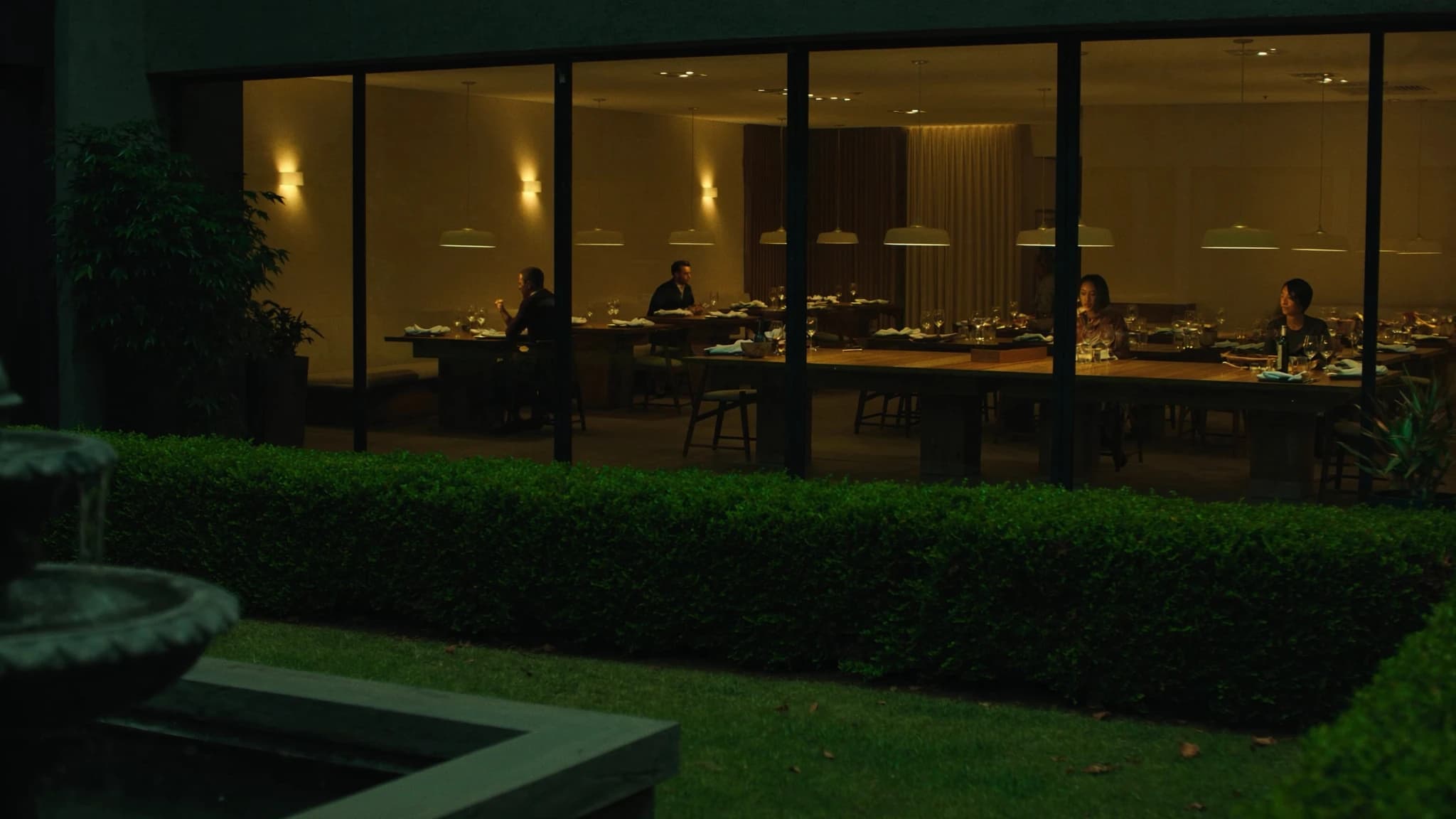
The Best Speakers for Restaurants, Bars and Hospitality

Choosing the right loudspeaker system for a restaurant, bar, or hospitality venue is about balancing audio quality with aesthetics, coverage, and zoning. Whether you need background music, foreground energy, or clear paging, the solution often lies in ceiling speakers or compact surface-mount models, distributed via 100V lines and controlled by intelligent zoning. This guide covers the key engineering considerations and best practices for delivering even, discreet, and reliable sound in hospitality spaces.
Key takeaways
- Assess the venue's audio needs: background, foreground, and paging each require different speaker types and power levels.
- Ceiling speakers offer discreet coverage for background music; compact surface speakers deliver fuller sound for foreground zones.
- 100V line distribution simplifies wiring and zoning, with tap settings for per-speaker volume control.
- Plan zones based on physical layout and usage; use DSP and multi-channel amps for independent control.
- Aesthetics matter — choose low-profile, paintable grilles and compact enclosures that blend with decor.
- SSOUNDS provides a complete hospitality solution with design support, reliable hardware, and global service.
Understanding the Audio Needs: Background, Foreground, and Paging
Hospitality venues have diverse audio requirements. Background music sets the ambience without intruding on conversation, typically at 65–75 dB SPL. Foreground music in bars or dance areas demands higher output (85–95 dB SPL) and fuller frequency response, often requiring more capable speakers. Paging for announcements or staff calls must be intelligible above ambient noise. A well-designed system handles all three seamlessly, often with separate zones and source selection.
SSOUNDS engineers recommend assessing the room's acoustics, occupancy, and noise floor before selecting speakers. For example, a quiet fine-dining restaurant needs different coverage than a lively sports bar. The speaker's directivity and power handling must match the intended use — a single ceiling speaker may suffice for background, but foreground zones may need compact surface-mount speakers with wider bandwidth.
Ceiling vs. Compact Surface Speakers: Pros and Cons
Ceiling speakers are the most discreet option, ideal for dropped ceilings in restaurants and lobbies. They provide unobtrusive coverage and can be spaced to deliver even low-level sound. However, they have limited bass extension and may not project well in high-ceiling or open spaces. SSOUNDS ceiling models feature wide-dispersion drivers and integrated backcans to minimise bleed into adjacent rooms.
Compact surface-mount speakers (e.g., small two-way boxes) offer better low-frequency response and higher SPL, making them suitable for foreground music in bars or outdoor patios. They can be wall- or ceiling-mounted and painted to match decor. The trade-off is visual impact — they are more visible than in-ceiling models. For critical listening areas, a combination of both types can be deployed: ceiling speakers for background, surface speakers for dance floors or performance zones.
100V Line Distribution: The Backbone of Hospitality Audio
100V (or 70V in North America) distributed audio is the standard for multi-speaker installations. It allows long cable runs with minimal loss and simple parallel connection of many speakers, each with its own tap setting for individual volume control. This is ideal when zoning is required — for example, different volume levels in the bar, dining room, and restrooms.
SSOUNDS offers a range of 100V-compatible ceiling and surface speakers with multiple power taps (e.g., 1.5W, 3W, 6W, 12W) to match coverage needs. The amplifier must be sized to handle the total tapped power plus headroom. For systems with paging, a 100V mixer-amplifier with priority muting (e.g., music ducks when paging occurs) is recommended. SSOUNDS DSP amplifiers include built-in paging inputs and zone control.
Zoning and System Control for Flexible Operation
Zoning allows different areas to play different audio sources or volumes. A typical restaurant might have zones for the main dining, bar, private rooms, and restrooms. Paging can be directed to all zones or selected ones. Control can be via wall-mounted keypads, a touchscreen, or a mobile app. SSOUNDS systems support Dante/AES67 for digital audio distribution and can integrate with building management systems.
Best practice is to plan zones based on physical partitions, occupancy, and acoustic separation. Each zone should have its own amplifier channel or a 100V line with a dedicated volume control. For large venues, a centralised rack with SSOUNDS multi-channel amplifiers and DSP provides precise EQ, delay, and limiting per zone. This ensures consistent sound quality and protects speakers from overload.
Discreet Aesthetics and Installation Best Practices
In hospitality, speakers must blend into the decor. Ceiling speakers should have low-profile grilles that can be painted to match the ceiling. Surface speakers should be compact and available in white or black, with optional custom colour finishes. SSOUNDS designs its hospitality speakers with minimal visual impact — round or square grilles, slim profiles, and magnetic attachments for easy installation.
Installation best practices include: spacing ceiling speakers 2.5–4 metres apart for even coverage, avoiding placement directly above seating to prevent localised loudness, and using backboxes to contain sound spill. For surface speakers, aim them towards listening areas and avoid corners to reduce bass buildup. Always use plenum-rated cable in air-handling spaces. Commission the system with an SPL meter to verify coverage and adjust tap settings.
Why SSOUNDS is the Right Choice for Hospitality
SSOUNDS brings professional-grade engineering to the hospitality market. Our ceiling and surface speakers are designed for consistent coverage, high intelligibility, and long-term reliability. We offer a full ecosystem of amplifiers, DSP, and control — all built to the same standards as our touring line arrays. For venues that need to scale, SSOUNDS systems can integrate with larger PA for live events or emergency paging.
Our team provides design assistance, including acoustic modelling and coverage prediction, to ensure every system is optimised before installation. With a global presence and support in Africa, Europe, and the US, SSOUNDS is the trusted partner for hospitality projects of any size.
Frequently asked
What is the difference between 100V and low-impedance speakers?
100V (or 70V) systems use a transformer at each speaker to match a constant-voltage line, allowing long cable runs and parallel connection of many speakers. Low-impedance (4/8 ohm) systems are used for short runs and higher power, typically in foreground or live sound. For hospitality with many speakers, 100V is standard.
How many ceiling speakers do I need for a restaurant?
A general rule is one speaker per 20–30 square metres, spaced 2.5–4 metres apart, depending on ceiling height and desired SPL. SSOUNDS can model your space to determine optimal placement and tap settings.
Can I use the same speakers for background music and paging?
Yes, as long as the system includes a paging microphone with priority muting. The speakers must handle the paging level without distortion. SSOUNDS ceiling and surface speakers are suitable for both when properly configured.
Do I need a separate subwoofer for background music?
For background music, a subwoofer is usually not necessary — ceiling speakers with 6–8 inch drivers provide adequate low end. For foreground music in bars, a small subwoofer can enhance the experience. SSOUNDS offers compact subwoofers that can be hidden under counters or in corners.
Building or upgrading a system?
SSOUNDS engineers and manufactures professional PA worldwide — from a single room to stadium scale.