Actieve vs passieve luidsprekers: een complete vergelijking
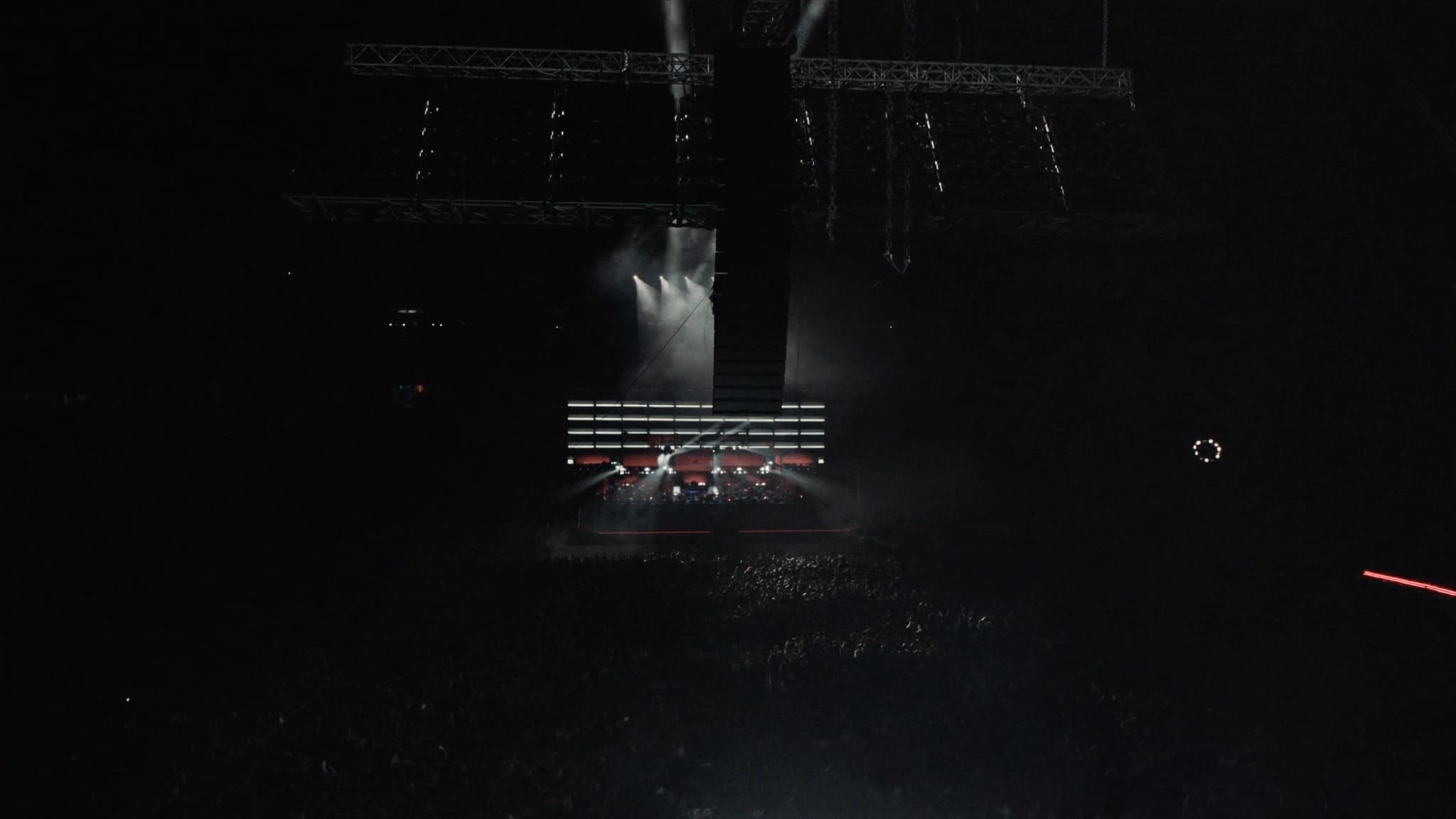
De keuze tussen actieve en passieve luidsprekers is een van de meest kritische beslissingen in elk geluidssysteemontwerp. Of je nu een tourrig, een vaste installatie of een draagbare PA uitrust, de keuze beïnvloedt geluidskwaliteit, systeemcomplexiteit, totale kosten en schaalbaarheid op lange termijn. In deze uitgebreide gids ontleden we de technische verschillen, de praktische voor- en nadelen en de specifieke toepassingen waarin elk type uitblinkt, zodat je een geïnformeerde beslissing kunt nemen op basis van professioneel inzicht.
Belangrijkste punten
- Actieve luidsprekers vereenvoudigen de opstelling en garanderen versterker-luidsprekercompatibiliteit, ideaal voor draagbare en kleine tot middelgrote systemen.
- Passieve luidsprekers bieden flexibiliteit, lichtere behuizingen en lagere kosten per box in grote arrays, favoriet in touring en grote installaties.
- De totale eigendomskosten vallen in het voordeel uit van actief voor kleine systemen, passief voor grote systemen (8+ behuizingen per kant).
- Hybride ontwerpen en networked audio overbruggen de kloof, maar de fundamentele keuze blijft gedreven door de schaal van de toepassing en de expertise van de gebruiker.
Wat zijn actieve en passieve luidsprekers?
Actieve luidsprekers (ook wel powered speakers genoemd) hebben ingebouwde versterkers en vaak ook onboard DSP (digitale signaalverwerking) voor crossover, EQ en limiting. Ze ontvangen een lijnniveau-signaal van een mixer of audiobron en hebben alleen een stroomkabel nodig. Passieve luidsprekers daarentegen hebben geen interne versterking. Ze vereisen een externe versterker en een aparte crossover (actief of passief) om het signaal in frequentiebanden te splitsen voordat het de drivers bereikt.
Het fundamentele verschil zit in waar de versterking en processing plaatsvinden. In een actief systeem ontwerpt de fabrikant de versterker en DSP specifiek voor de drivers van de luidspreker, waardoor prestaties en bescherming worden geoptimaliseerd. In een passief systeem kiest de gebruiker de versterker en processing, wat flexibiliteit biedt maar meer technische expertise vereist.
Voor- en nadelen van actieve luidsprekers
Actieve luidsprekers bieden verschillende voordelen: vereenvoudigde opstelling (geen versterkerrack, geen luidsprekerkabels om te matchen), gegarandeerde compatibiliteit tussen versterker en drivers, en ingebouwde bescherming die schade door oversturing voorkomt. DSP-integratie maakt nauwkeurige afstemming op de akoestiek van de behuizing mogelijk, wat vaak resulteert in een vlakkere frequentierespons en betere fasecoherentie. Veel actieve systemen bevatten ook door de gebruiker aanpasbare presets voor verschillende toepassingen.
Actieve luidsprekers hebben echter nadelen. Elke behuizing vereist een stroomkabel, wat omslachtig kan zijn in grote arrays. Als de versterker of DSP uitvalt, is de hele luidspreker buiten gebruik. Later de versterking upgraden is niet mogelijk zonder de luidspreker te vervangen. Actieve luidsprekers zijn ook zwaarder en duurder in aanschaf vanwege de geïntegreerde elektronica.
Voor- en nadelen van passieve luidsprekers
Passieve luidsprekers bieden maximale flexibiliteit. Je kunt versterkers kiezen met specifiek vermogen, dempingsfactor of sonisch karakter, en ze onafhankelijk upgraden. Ze zijn lichter dan actieve tegenhangers (geen ingebouwde versterkers), waardoor ze gemakkelijker in arrays te hangen zijn. Een enkel versterkerkanaal kan meerdere passieve behuizingen parallel aansturen, wat de kosten per luidspreker in grote systemen verlaagt. Passieve luidsprekers zijn ook eenvoudiger te repareren; een doorgebrande driver betekent niet dat je elektronica moet vervangen.
De nadelen zijn een complexere opstelling: je moet versterkervermogen afstemmen op luidsprekerimpedantie en vermogensbereik, externe crossovers selecteren en configureren, en dikke luidsprekerkabels trekken. Systeembescherming is afhankelijk van externe limiters en waakzaamheid van de gebruiker, wat het risico op schade aan drivers vergroot. Passieve systemen vereisen doorgaans meer rackruimte en bekabeling, en het bereiken van consistente afstemming over verschillende behuizingen kan een uitdaging zijn.
Analyse van de totale eigendomskosten
Bij het vergelijken van de totale kosten moet je zowel de initiële als de langetermijnkosten in overweging nemen. Actieve luidsprekers hebben over het algemeen een hogere aankoopprijs omdat ze versterkers en DSP bevatten. Ze elimineren echter de noodzaak van aparte versterkerkanalen, racks en crossover-units. Voor kleine tot middelgrote systemen (bijvoorbeeld een paar mains en subs) blijkt actief vaak al met al kosteneffectiever.
Passieve systemen blinken uit in grootschalige toepassingen. Een enkel hoogvermogen versterkerkanaal kan meerdere passieve behuizingen aansturen, wat de versterkerkosten per box verlaagt. Bovendien zijn passieve luidsprekers doorgaans goedkoper te repareren; een driver vervangen is goedkoper dan een hele actieve module vervangen. Over een levensduur van 10 jaar kan een goed onderhouden passief systeem lagere totale kosten hebben voor arrays van 8+ behuizingen per kant, terwijl actieve systemen economisch blijven voor kleinere opstellingen.
Toepassingen: wanneer kies je actief
Actieve luidsprekers zijn ideaal voor draagbare PA-systemen, bedrijfsevenementen, dj-opstellingen en kleine tot middelgrote locaties waar snelle opstelling en consistente prestaties prioriteit zijn. Ze excelleren in toepassingen waar de gebruiker mogelijk geen diepgaande technische kennis heeft; plug-and-play bediening vermindert fouten. Actieve subwoofers zijn bijzonder populair omdat ze de laagfrequente versterking uitbesteden en speciale processing voor subintegratie bevatten.
Voor tourbands die hun eigen geluid meenemen, vereenvoudigen actieve systemen de logistiek: minder racks, minder bekabeling en snellere soundchecks. Vaste installaties in gebedshuizen, theaters en clubs profiteren ook van actieve luidsprekers omdat ze remote monitoring en bediening via netwerk mogelijk maken (indien uitgerust met Dante of AES67).
Toepassingen: wanneer kies je passief
Passieve luidsprekers vormen de ruggengraat van grootschalige tourgeluidsversterking en permanente installaties waar gewicht, onderhoudbaarheid en versterkerflexibiliteit belangrijk zijn. In line array-systemen zijn passieve behuizingen lichter en gemakkelijker te hangen, en externe versterking maakt het gebruik van hoogvermogen, lichtgewicht Class-D versterkers in gecentraliseerde versterkerracks mogelijk. Grote locaties, festivals en stadions gebruiken vrijwel uitsluitend passieve systemen om deze redenen.
Passieve luidsprekers zijn ook geschikt voor installaties waar versterkers in een beveiligde apparatuurruimte kunnen worden geplaatst, weg van de luidsprekers (bijvoorbeeld themaparken, openluchttheaters). Ze maken eenvoudige vervanging van individuele componenten mogelijk zonder de hele behuizing te verstoren. Voor gebruikers die al hoogwaardige versterkers bezitten, vermijdt passief blijven redundante elektronica.
Hybride systemen en toekomstige trends
Sommige moderne systemen vervagen de grens, bijvoorbeeld passieve luidsprekers met fabrieksmatig geïnstalleerde DSP-modules die later kunnen worden toegevoegd, of actieve luidsprekers die zowel analoge als digitale ingangen accepteren. SSOUNDS ontwerpt zowel actieve als passieve line arrays om systeemontwerpers maximale flexibiliteit te bieden. Onze actieve modellen integreren eigen versterking en DSP voor optimale prestaties, terwijl onze passieve modellen zijn geoptimaliseerd voor gebruik met onze aanbevolen versterkerplatforms.
De trend naar networked audio en remote control maakt actieve luidsprekers aantrekkelijker voor installaties, omdat ze vanaf een tablet kunnen worden gemonitord en afgestemd. Passieve systemen blijven echter dominant in high-SPL, large-format toepassingen waar gewicht en onderhoudbaarheid cruciaal zijn. De juiste keuze hangt uiteindelijk af van je specifieke eisen op het gebied van schaal, budget en technische ondersteuning.
Veelgestelde vragen
Welk type klinkt beter: actief of passief?
De geluidskwaliteit hangt af van het ontwerp, niet van de topologie. Een goed ontworpen actief systeem met geoptimaliseerde DSP kan uitstekend klinken, net als een passief systeem met een hoogwaardige externe versterker en crossover. Actieve systemen hebben vaak een strakkere integratie, maar passieve systemen maken versterkerupgrades mogelijk. SSOUNDS-engineers zorgen ervoor dat beide typen aan dezelfde strenge prestatienormen voldoen.
Kan ik actieve en passieve luidsprekers in hetzelfde systeem combineren?
Ja, dat komt vaak voor. Je kunt bijvoorbeeld actieve subwoofers en passieve tops gebruiken, of andersom. Zorg alleen voor consistente afstemming en niveaumatching. Veel fabrikanten, waaronder SSOUNDS, bieden beide typen met complementaire voicing-presets.
Zijn actieve luidsprekers betrouwbaarder dan passieve?
Betrouwbaarheid hangt af van de bouwkwaliteit. Actieve luidsprekers hebben meer componenten die kunnen falen (versterker, DSP, voeding), maar ze bevatten ook beveiligingscircuits die schade aan de drivers voorkomen. Passieve luidsprekers hebben minder faalpunten, maar zijn kwetsbaarder voor gebruikersfouten (bijvoorbeeld ondervermogen of clipping). SSOUNDS actieve modellen ondergaan rigoureuze tests om langdurige betrouwbaarheid te garanderen.
Heb ik een aparte crossover nodig voor passieve luidsprekers?
Ja, tenzij de luidsprekers zijn ontworpen met een passieve crossover in de behuizing (de meeste passieve tweewegluidsprekers hebben interne passieve crossovers). Voor bi-amping of tri-amping heb je een externe actieve crossover en aparte versterkerkanalen per driver nodig. SSOUNDS passieve line arrays zijn doorgaans bi-amp met externe DSP.
Wat is beter voor een kerk of kleine locatie?
Voor de meeste kleine tot middelgrote locaties zijn actieve luidsprekers de praktische keuze: eenvoudige opstelling, geen versterkerrack en ingebouwde processing. Ze stellen vrijwilligers in staat het systeem met vertrouwen te bedienen. Voor grotere ruimtes of bij uitbreiding naar een line array kan passief kosteneffectiever worden.
Een systeem bouwen of upgraden?
SSOUNDS ontwerpt en produceert professionele PA wereldwijd, van een enkele ruimte tot stadionformaat.