De beste AV-receivers voor home cinema
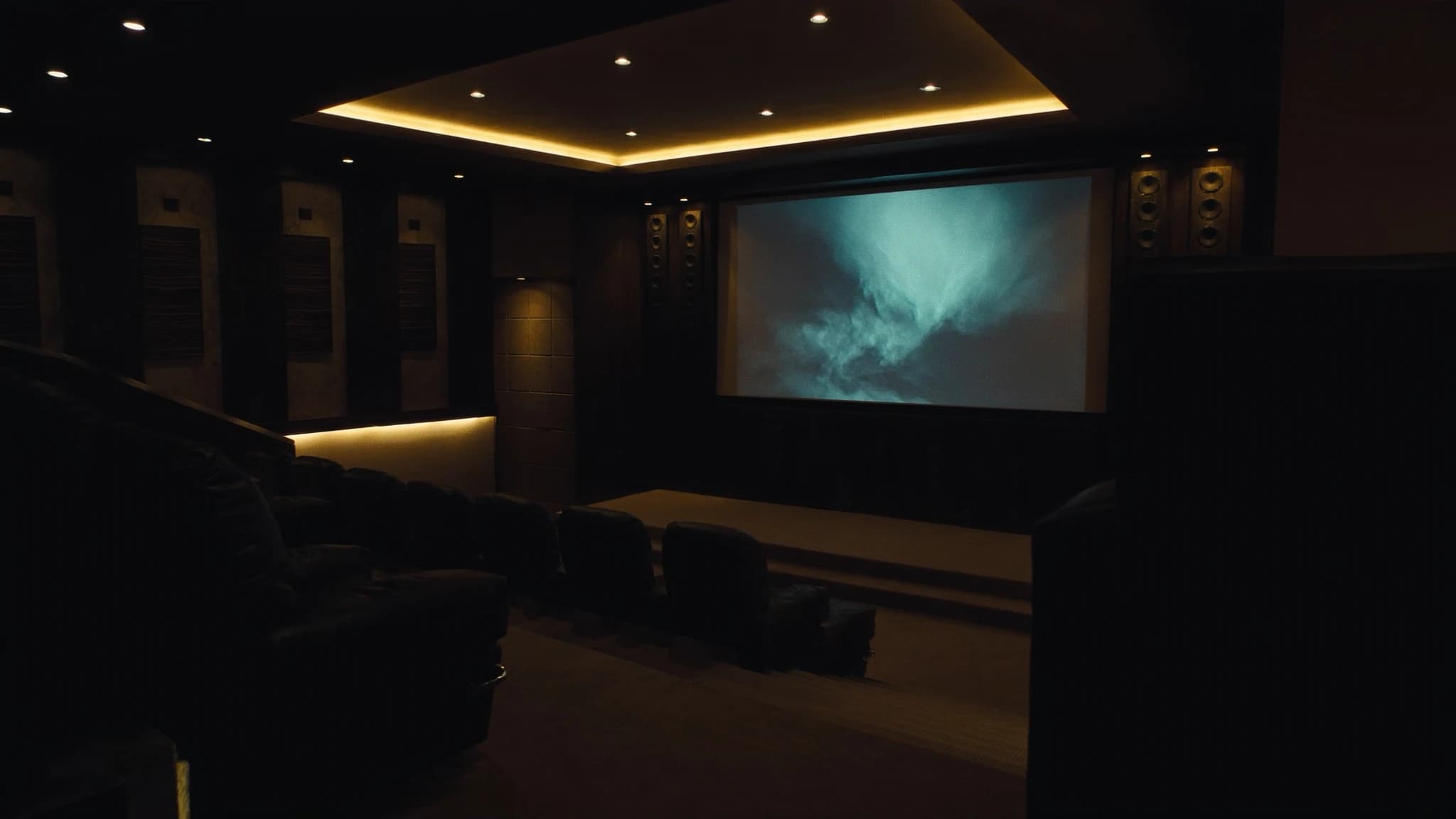
Het kiezen van de beste AV-receiver voor je home cinema draait om het balanceren van kanalen, meeslepende audioformaten, HDMI 2.1-ondersteuning en room calibration. Of je nu een 5.1.2 Atmos-opstelling bouwt of een 9.2.4-krachtpatser, de juiste AVR ontsluit cinematisch geluid. Hier lees je hoe je een receiver afstemt op je luidsprekers en ruimte, met topkeuzes van Denon, Yamaha, Marantz en Onkyo.
Belangrijkste punten
- Kies het kanaalaantal op basis van ruimtegrootte en luidsprekeropstelling, 5.1.2 voor kleine ruimtes, 7.1.4 of 9.1.4 voor dedicated theaters.
- HDMI 2.1 is essentieel voor 4K/120Hz-gaming en eARC; zorg voor minimaal drie ingangen op je AVR.
- Room calibration (Audyssey, YPAO, Dirac) verbetert het geluid aanzienlijk; Dirac is het meest geavanceerd, maar Audyssey XT32 is uitstekend.
- Stem het receiververmogen af op de gevoeligheid en impedantie van de luidsprekers, 100W bij 8 ohm is een goede basis voor middelgrote ruimtes.
- Denon, Marantz, Yamaha en Onkyo bieden allemaal uitstekende opties; de Denon AVR-X3800H is een top allrounder.
- Goede ventilatie, kalibratie en crossover-instellingen zijn essentieel voor de beste prestaties.
Kanalen en meeslepende audio begrijpen
AV-receivers worden gedefinieerd door hun kanaalaantal, 5.1, 7.1, 9.1 of meer, wat bepaalt hoeveel luidsprekers je kunt aansluiten. Voor Dolby Atmos en DTS:X heb je hoogtekanalen nodig: een 5.1.2-systeem heeft vijf luidsprekers op oorhoogte, één subwoofer en twee overheads. Een 7.1.4 voegt twee rear surrounds en vier hoogtes toe. Meer kanalen creëren een meer omhullend geluidsbeeld, maar vereisen meer luidsprekers en versterkervermogen.
Houd bij het kiezen rekening met de grootte en indeling van je ruimte. Een dedicated home theater kan profiteren van 7.1.4 of 9.1.4, terwijl een woonkamer misschien maximaal 5.1.2 aankan. De meeste moderne AVR's ondersteunen Dolby Atmos, DTS:X en IMAX Enhanced, maar controleer op upmixing-modi zoals Dolby Surround of DTS Neural:X om stereo- of 5.1-content uit te breiden naar je volledige luidsprekeropstelling.
HDMI 2.1: toekomstbestendig voor gaming en 8K
HDMI 2.1 is essentieel voor next-gen gameconsoles (PS5, Xbox Series X) en 8K-bronnen. Het ondersteunt 4K/120Hz, 8K/60Hz, Variable Refresh Rate (VRR), Auto Low Latency Mode (ALLM) en eARC. Zonder dit verlies je high-frame-rate gaming en geavanceerde audio return channel-mogelijkheden. Alle grote merken hebben nu HDMI 2.1 op mid-range en hogere modellen, maar controleer het aantal ingangen, sommige budgetmodellen hebben er slechts één.
Voor een toekomstbestendige opstelling zoek je naar minimaal drie HDMI 2.1-ingangen. Denon's AVR-X-serie, Yamaha's RX-A-serie, Marantz' Cinema-serie en Onkyo's TX-RZ-serie bieden allemaal volledige HDMI 2.1-ondersteuning. Let op dat vroege implementaties bandbreedteproblemen hadden, maar modellen vanaf 2023 zijn volledig compliant.
Room calibration: Audyssey, YPAO en Dirac Live
Room calibration is het geheim van geweldig geluid. Het meet je luidsprekers en ruimteakoestiek en past vervolgens EQ toe om reflecties, bass nulls en frequentie-onevenwichtigheden te corrigeren. Denon en Marantz gebruiken Audyssey MultEQ (XT32 op hogere modellen), Yamaha gebruikt YPAO (met R.S.C. en 3D op premium units) en Onkyo/Integra bieden Dirac Live op geselecteerde modellen.
Dirac Live wordt algemeen beschouwd als het meest geavanceerd, met full-bandwidth-correctie en optioneel basbeheer. Audyssey MultEQ XT32 is uitstekend voor de meeste ruimtes, terwijl YPAO's 3D-versie optimaliseert voor Yamaha's eigen sound field processing. Voor kritisch luisteren kunnen een kalibratiemicrofoon en handmatige aanpassing via een app (zoals Audyssey MultEQ Editor) de resultaten verfijnen.
Vermogensspecificaties: receiver en luidsprekers matchen
Vermogen wordt gemeten in watt per kanaal (WPC) bij 8 ohm, met twee kanalen aangestuurd. Een receiver van 100W kan de meeste boekenplankluidsprekers tot referentieniveaus aansturen in een middelgrote ruimte, maar vloerstaande luidsprekers met lage gevoeligheid (onder 88dB) hebben mogelijk 150W of meer nodig. Laat je niet misleiden door hoog wattage bij 6 of 4 ohm, controleer de 8-ohm-specificaties voor echte prestaties.
Impedantie-matching is belangrijk: als je luidsprekers dalen naar 4 ohm, zorg er dan voor dat de receiver geschikt is voor 4-ohm-werking (de meeste Denon-, Marantz- en Onkyo-modellen zijn dat; sommige Yamaha-units kunnen het vermogen beperken). Overweeg ook dynamisch vermogen, korte bursts voor transiënten, dat vaak hoger is dan de continue specificatie. Een receiver met een robuuste voeding (zoals een toroïdale transformator) stuurt veeleisende belastingen schoner aan.
Topkeuzes per categorie
**Beste overall: Denon AVR-X3800H**, 9.4 kanalen, Audyssey MultEQ XT32, volledige HDMI 2.1, Dirac Live-upgradeoptie. Uitstekende balans tussen functies en prijs. **Beste voor muziek: Marantz Cinema 40**, 9.4 kanalen, HDAM-voorversterker, Audyssey MultEQ XT32, warmer geluidssignatuur. Ideaal voor hybride systemen. **Beste voor gaming: Yamaha RX-A6A**, 9.2 kanalen, YPAO R.S.C. met 3D, HDMI 2.1 en geavanceerde gamingfuncties zoals VRR en ALLM. **Beste prijs-kwaliteit: Onkyo TX-RZ50**, 9.2 kanalen, Dirac Live inbegrepen, THX Select en robuust vermogen. Een budgetvriendelijke krachtpatser.
Voor een 5.1.2-opstelling zijn de Denon AVR-S970H of Yamaha RX-V6A solide keuzes. Voor een 7.1.4- of 9.1.4-systeem stap je op naar de Denon AVR-X4800H of Marantz Cinema 50. Stem het kanaalaantal van de receiver altijd af op je geplande luidsprekeropstelling; extra kanalen kopen die je niet gebruikt is verspilling.
Installatie- en setup-tips
Plaats de receiver op een goed geventileerde plek. AVR's genereren warmte, vooral bij het aansturen van veel kanalen. Gebruik een kalibratiemicrofoon op oorhoogte op je primaire luisterpositie en voer de room correction-software uit. Voor Atmos zijn plafondluidsprekers ideaal, maar up-firing-modules kunnen werken met reflecterende plafonds. Stel de crossovers van de luidsprekers in op 80Hz voor de meeste systemen en laat de subwoofer het laag verwerken.
Bi-amping of het gebruik van pre-outs voor externe versterkers kan de geluidskwaliteit verbeteren bij veeleisende luidsprekers. Veel mid-range AVR's bieden pre-outs voor de voorste linker/rechterkanalen. Werk ten slotte de firmware bij om HDMI 2.1-compatibiliteit en toegang tot nieuwe functies zoals Dolby Atmos FlexConnect te garanderen.
Veelgestelde vragen
Heb ik een 9.2-kanaals receiver nodig voor een 5.1.2-systeem?
Nee, een 7.2-kanaals receiver is voldoende voor 5.1.2. Een 9.2-kanaals receiver zou uitbreiding naar 5.1.4 of 7.1.2 in de toekomst mogelijk maken.
Kan ik een receiver gebruiken met 4-ohm-luidsprekers?
Ja, maar controleer de specificaties van de receiver. De meeste Denon-, Marantz- en Onkyo-modellen ondersteunen 4-ohm-belastingen; Yamaha kan beperkingen hebben. Zorg ervoor dat de receiver de lagere impedantie aankan zonder oververhitting.
Is Dirac Live de extra kosten waard?
Voor kritische luisteraars en uitdagende ruimtes, ja. Dirac Live biedt nauwkeurigere correctie en basbeheer dan Audyssey of YPAO. Als je een dedicated theater of akoestische problemen hebt, is het een upgrade die de moeite waard is.
Wat is het verschil tussen Denon en Marantz?
Marantz heeft doorgaans een warmer, muzikaler geluidssignatuur, hoogwaardigere componenten (HDAM) en een premium afwerking. Denon biedt vergelijkbare functies tegen een lagere prijs, met een iets analytischer geluid. Beide zijn eigendom van Sound United en delen kerntechnologie.
Hoeveel HDMI 2.1-ingangen heb ik nodig?
Minimaal twee als je een PS5 en Xbox Series X hebt, plus een voor een streamingapparaat of 8K-bron. Drie of meer is ideaal voor toekomstbestendigheid.
Een systeem bouwen of upgraden?
SSOUNDS ontwerpt en produceert professionele PA wereldwijd, van een enkele ruimte tot stadionformaat.