Line array versus point source: wat moet u kiezen?
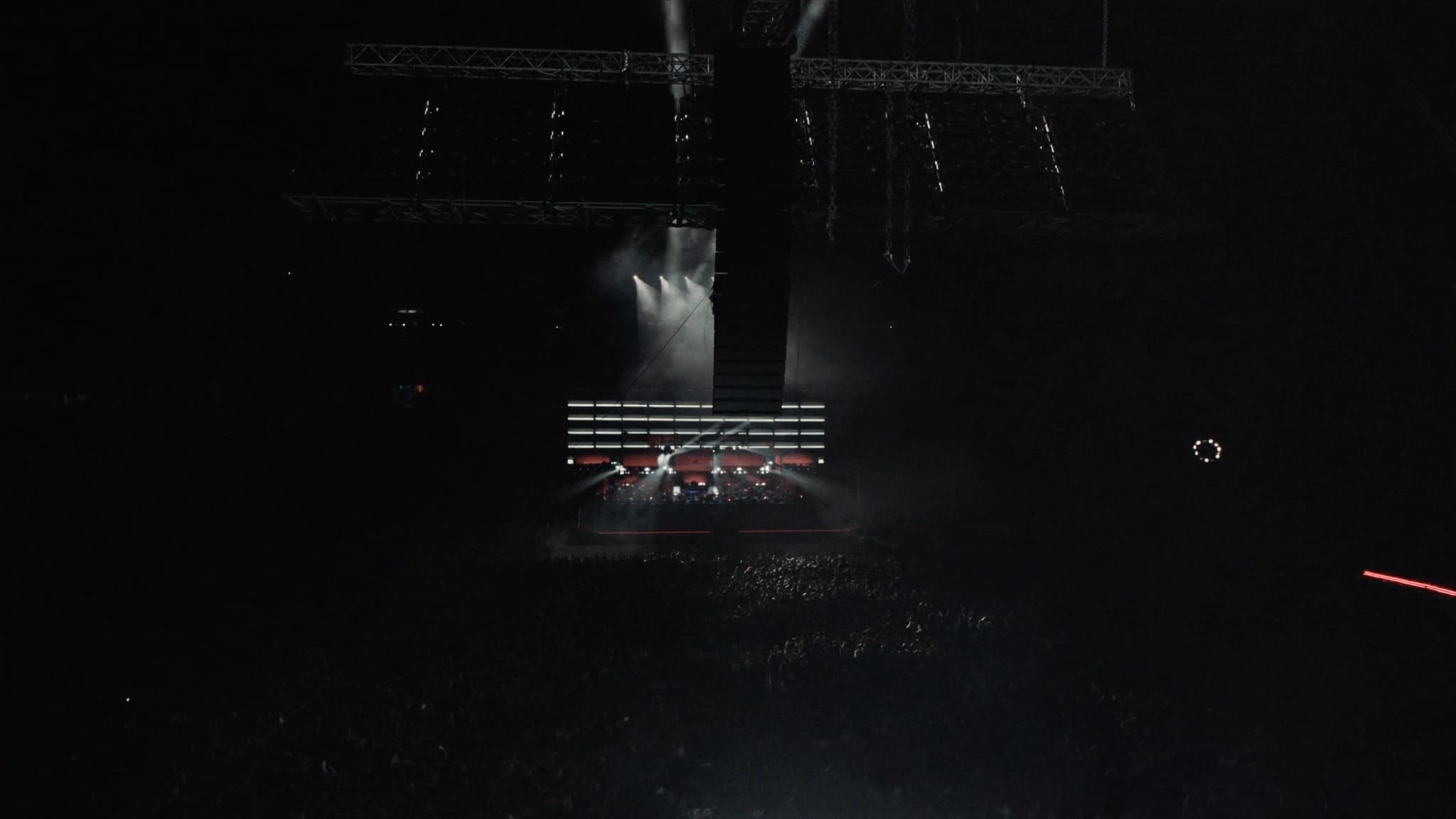
De keuze tussen een line array en een point-source luidsprekersysteem is een van de meest kritische beslissingen in geluidsversterking. Elke topologie heeft duidelijke sterke en zwakke punten die dekking, SPL, verstaanbaarheid en schaalbaarheid beïnvloeden. Bij SSOUNDS evalueert ons engineeringteam tientallen variabelen, waaronder locatiegeometrie, publieksverdeling, budget en toepassing, voordat een oplossing wordt aanbevolen. Deze gids ontleedt de technische verschillen, praktijkprestaties en beslissingscriteria die professionele systeemontwerpers gebruiken, zodat u een weloverwogen keuze kunt maken voor uw volgende project.
Belangrijkste punten
- Line arrays bieden superieure dekkingsconsistentie en SPL over lange afstanden, waardoor ze ideaal zijn voor grote locaties en buitenevenementen.
- Point sources bieden eenvoudigere installatie, lagere kosten en uitstekende beeldvorming voor kleine tot middelgrote ruimtes met goed gedefinieerde luistergebieden.
- SSOUNDS-engineers gebruiken akoestische modellering om de topologie af te stemmen op de geometrie van de locatie, publieksverdeling en budget.
- Hybride systemen (point-source fills + line array hoofdsystemen) kunnen zowel dekking als kosten optimaliseren in multifunctionele locaties.
- Moderne line arrays zijn modulair en schaalbaar, waardoor systemen kunnen groeien met uw behoeften zonder de infrastructuur te vervangen.
- Ga er nooit van uit dat één topologie universeel beter is, de juiste keuze hangt af van de specifieke toepassing en prestatiedoelen.
De kernfysica begrijpen
Een point-source luidspreker straalt geluid uit vanuit één kast, meestal met een coaxiale of hoornbelaste driveropstelling. Het dekkingpatroon is vast (bijvoorbeeld 90° x 60°) en gedraagt zich als een spotlight: het geluidsniveau daalt voorspelbaar met de afstand (omgekeerde kwadratenwet). Point sources blinken uit in kleine tot middelgrote locaties waar het luistergebied compact is en het systeem dicht bij het publiek kan worden geplaatst.
Een line array daarentegen bestaat uit meerdere verticaal gestapelde kasten die akoestisch koppelen om een cilindrisch golffront te creëren. Deze geometrie zorgt ervoor dat geluid met slechts 3 dB per verdubbeling van de afstand afneemt (in plaats van 6 dB), waardoor een veel groter bereik en gelijkmatige dekking van voor naar achter mogelijk is. De verticale dekking kan elektronisch worden gevormd (gericht) met behulp van DSP en mechanische splay-hoeken, waardoor line arrays ideaal zijn voor grote of onregelmatig gevormde ruimtes.
Dekking en consistentie
Voor een theater met zitplaatsen of een kleine club kan een goed geplaatste point source uitstekende stereobeeldvorming en een enkele aankomsttijd leveren (geen kamfiltering). Naarmate het publieksgebied echter breder of dieper wordt, hebben point sources moeite om uniforme SPL en frequentierespons te behouden. Luisteraars buiten de as ervaren hoogfrequente roll-off en verminderde helderheid.
Line arrays lossen dit op door geluid gelijkmatig te verdelen over een breed horizontaal vlak (meestal 90° tot 150°) terwijl de verticale dispersie wordt gecontroleerd. Elke kast dekt een specifiek verticaal segment, en de kromming van de array wordt afgestemd om nabije en verre luisteraars gelijkelijk te dekken. SSOUNDS line array-systemen gebruiken eigen waveguide-technologie om naadloze koppeling tussen kasten te garanderen, interferentie te minimaliseren en een consistente toonbalans te leveren van rij 1 tot rij 100.
SPL en headroom
Wanneer ruwe output vereist is, zoals in grote concertzalen, festivals of buitenevenementen, hebben line arrays een duidelijk voordeel. De gecombineerde akoestische output van meerdere kasten kan 140 dB SPL piek overschrijden, waarbij elke driver binnen zijn lineaire bereik werkt. Dit vermindert vervorming en verbetert de betrouwbaarheid op hoge niveaus.
Point sources kunnen ook hoge SPL bereiken, maar vereisen doorgaans grotere, zwaardere kasten met krachtigere versterkers. Voor een gegeven gewicht en budget levert een line array bijna altijd een hogere maximale SPL en een beter dynamisch bereik over een groot gebied. SSOUNDS-engineers raden vaak line arrays aan voor elke locatie met meer dan 500 zitplaatsen of waar de luisterafstand meer dan 30 meter bedraagt.
Schaalbaarheid en flexibiliteit
Een van de sterkste argumenten voor line arrays is modulariteit. Een systeem kan beginnen met slechts vier kasten per kant voor een klein theater en opschalen naar 24 of meer voor een stadion. Dezelfde versterkers, DSP-presets en rigging-hardware worden door het hele assortiment gebruikt, wat voorraad en training vereenvoudigt.
Point-source systemen zijn minder schaalbaar. Het toevoegen van meer kasten om de dekking te vergroten, creëert vaak interferentiepatronen en vereist zorgvuldige plaatsing om overlap te voorkomen. Voor multifunctionele locaties die zowel gesproken woord als luide muziek huisvesten, is een hybride aanpak (point-source frontfills met line array hoofdsystemen) gebruikelijk. SSOUNDS ontwerpt beide topologieën om naadloos te integreren, waardoor systeemontwerpers naar behoefte kunnen combineren.
Installatie en logistiek
Point sources zijn over het algemeen eenvoudiger te installeren: minder kasten, minder rigging en lager gewicht. Voor vaste installaties waar het luistergebied goed gedefinieerd is (bijvoorbeeld een gebedshuis met een enkele zitkuip), kan een point source de meest kosteneffectieve en esthetisch aantrekkelijke keuze zijn.
Line arrays vereisen meer structurele ondersteuning, zorgvuldige richting en vaak een speciale DSP-processor om de bundelvorming van de array te beheren. Moderne line array-systemen van SSOUNDS bevatten echter geïntegreerde hijshardware, vooraf geconfigureerde array-sjablonen en remote monitoring, waardoor de opsteltijd wordt verkort. Voor tourtoepassingen is de mogelijkheid om een complete PA in minder dan een uur te hijsen een grote logistieke winst.
Hoe SSOUNDS-engineers beslissen
Ons ontwerpproces begint met akoestische modellering met behulp van EASE of eigen simulatiehulpmiddelen. We brengen de geometrie van de locatie in kaart, definiëren dekkingsdoelen en berekenen SPL-vereisten. Als de locatie een diep, smal zitgedeelte heeft (bijvoorbeeld een kathedraal of concertzaal), wordt bijna altijd een line array gekozen. Voor brede, ondiepe ruimtes (bijvoorbeeld een conferentieruimte of klein theater) kan een point source of gedistribueerd systeem beter zijn.
Budget is ook een factor. Hoewel line arrays superieure prestaties bieden, hebben ze een hogere initiële kosten. De totale eigendomskosten kunnen echter lager zijn voor grote locaties omdat er minder versterkerkanalen en minder arbeid nodig zijn om gelijkmatige dekking te bereiken. SSOUNDS biedt beide opties, en onze applicatie-engineers werken met klanten om de ROI van elke aanpak te modelleren.
Veelvoorkomende mythen ontkracht
Mythe: Line arrays zijn altijd beter. Realiteit: In kleine ruimtes kan de verticale koppeling van een line array overmatige laagfrequente opbouw en slechte beeldvorming veroorzaken. Een point source klinkt vaak natuurlijker.
Mythe: Point sources kunnen niet goed klinken voor grote publieken. Realiteit: Met de juiste inzet (bijvoorbeeld delaytorens, gedistribueerde subs) kunnen point-source systemen grote gebieden dekken, hoewel ze complexere zonering en processing vereisen.
Mythe: Alle line arrays zijn hetzelfde. Realiteit: Waveguide-ontwerp, driverkwaliteit en DSP-algoritmen variëren enorm. SSOUNDS investeert zwaar in R&D om ervoor te zorgen dat onze line arrays consistente fase-respons en lage vervorming leveren over de hele werkband.
Veelgestelde vragen
Kan ik een point source gebruiken voor een buitenfestival?
Ja, maar u heeft meerdere delaytorens en zorgvuldige zonering nodig om gelijkmatige dekking te behouden. Een line array is over het algemeen efficiënter en levert schoner geluid over een groot gebied met minder kasten.
Zijn line arrays duurder dan point sources?
In eerste instantie wel. Maar voor grote locaties kan de kosten per stoel of per vierkante meter dekking lager zijn met een line array vanwege minder kasten en versterkers die nodig zijn. De totale eigendomskosten moeten worden geëvalueerd.
Hoeveel kasten heb ik nodig voor een line array?
Het hangt af van de grootte van de locatie en het gewenste SPL. Een vuistregel is 4-6 kasten voor kleine theaters, 8-12 voor middelgrote concertzalen en 16-24+ voor grote festivals. SSOUNDS biedt simulatiehulpmiddelen om het exacte aantal te bepalen.
Kan ik line array en point source in hetzelfde systeem combineren?
Absoluut. Veel professionele systemen gebruiken line arrays voor de hoofdluidsprekers en point sources voor frontfills, out fills of delays. SSOUNDS ontwerpt alle producten om naadloos samen te werken met consistente klank.
Klinken line arrays beter dan point sources?
Niet inherent. Een goed ontworpen point source in een geschikte locatie kan uitstekend klinken. Line arrays blinken uit in het leveren van consistent geluid over grote afstanden en brede gebieden. De 'betere' keuze hangt af van de toepassing.
Een systeem bouwen of upgraden?
SSOUNDS ontwerpt en produceert professionele PA wereldwijd, van een enkele ruimte tot stadionformaat.