Soundbar vs AV-receiver: Wat is geschikt voor jouw thuisbioscoop?
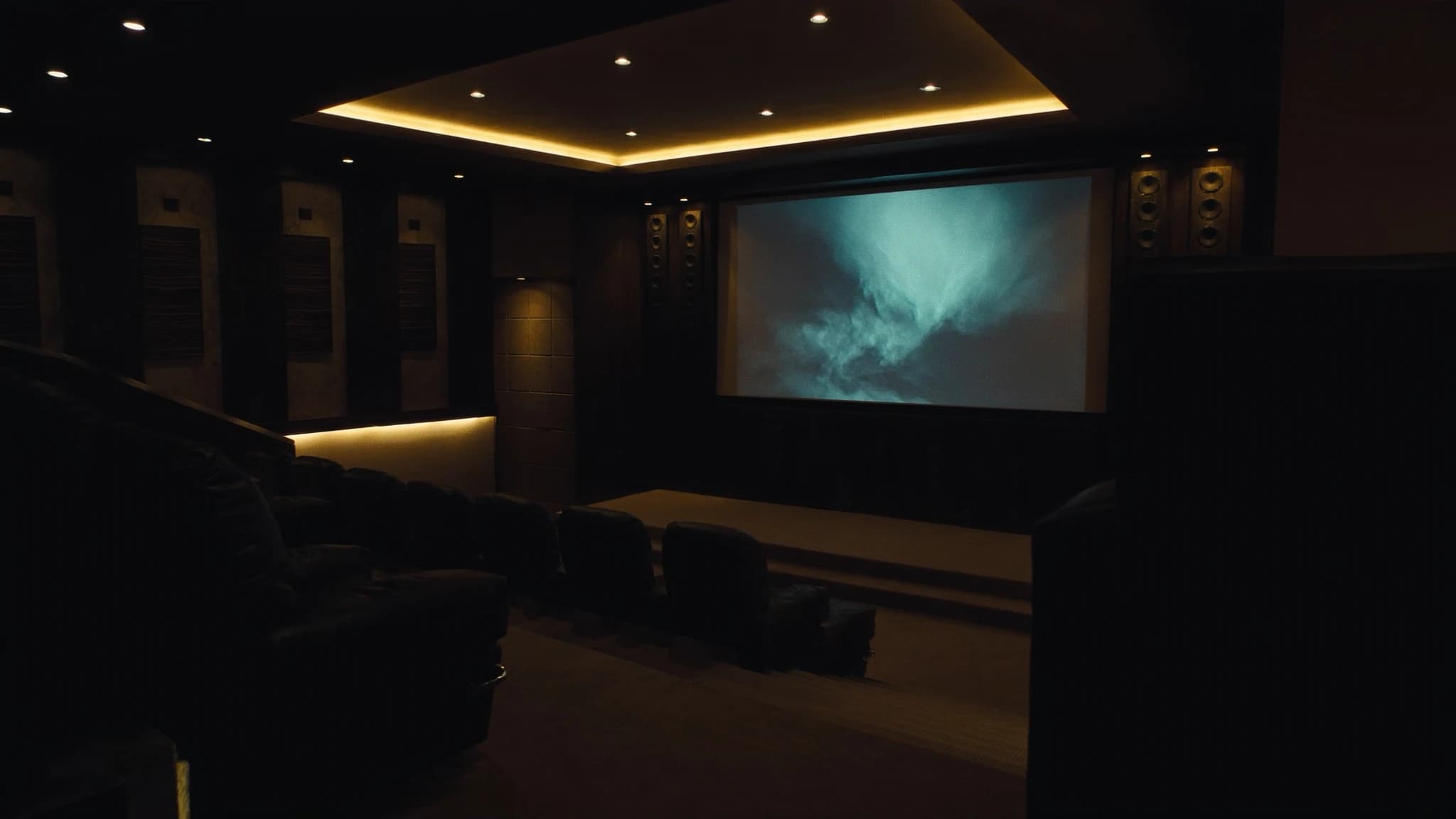
Kiezen tussen een soundbar en een volledig AV-receiversysteem is een van de meest voorkomende dilemma's in de thuisbioscoop. Beide kunnen indrukwekkend geluid leveren, maar ze bedienen verschillende ruimtes, budgetten en verwachtingen. Deze gids ontleedt de echte afwegingen, zodat je met vertrouwen kunt beslissen.
Belangrijkste punten
- Soundbars bieden geïntegreerde eenvoud, terwijl AV-receiversystemen componenten scheiden voor hogere prestaties en upgradebaarheid.
- Een volledig AVR-systeem levert doorgaans betere dynamiek, diepere bas en nauwkeurigere immersie, vooral in grotere ruimtes.
- Soundbars winnen op ruimte, installatiegemak en initiële kosten, waardoor ze ideaal zijn voor kleinere ruimtes en casual opstellingen.
- De beste keuze hangt af van je ruimtegrootte, prestatieverwachtingen en bereidheid om luidsprekers te plannen en te plaatsen.
- Kalibratie en opstelling zijn net zo belangrijk als de apparatuur zelf; een goed afgestemd budgetsysteem kan een slecht opgezet duur systeem verslaan.
Het kernverschil: integratie versus scheiding
Een soundbar is een geïntegreerde oplossing: meerdere luidsprekers, versterkers en verwerking samengeperst in een of twee behuizingen, vaak met een draadloze subwoofer en soms achterluidsprekers. Een AV-receiver (AVR)-systeem scheidt deze functies: de AVR verzorgt verwerking en versterking, terwijl jij individuele luidsprekers kiest en rond de kamer plaatst.
Dat architectonische verschil bepaalt al het andere. Soundbars geven prioriteit aan gemak en een minimale voetafdruk. AVR-systemen geven prioriteit aan prestaties, upgradebaarheid en nauwkeurige controle over dekking en dynamiek. Geen van beide is universeel beter; de juiste keuze hangt af van je ruimte, je prioriteiten en hoe ver je de ervaring wilt pushen.
Bij SSOUNDS ontwerpen we zowel geïntegreerde als op componenten gebaseerde professionele audiosystemen, en we zien dezelfde principes terugkomen in de thuisbioscoop: integratie wint op eenvoud, scheiding wint op ultieme capaciteit.
Geluidskwaliteit: waar elke aanpak uitblinkt
Een goede soundbar kan verrassend goed klinken, vooral systemen met meerdere onderdelen en een speciale subwoofer en achterluidsprekers. Ze profiteren van gecontroleerde engineering: de drivers, versterkers en DSP zijn in de fabriek op elkaar afgestemd, vaak met geavanceerde roomcorrectie. Voor veel woonkamers levert een premium soundbar duidelijke dialogen, behoorlijk surroundgeluid en voldoende bas voor films.
De natuurkunde stelt echter grenzen. Soundbars gebruiken kleine drivers in ondiepe behuizingen, wat de laagfrequente output en dynamische headroom beperkt. Een volledig AVR-systeem met boekenplank- of vloerluidsprekers, een speciale centerluidspreker en een goede subwoofer kan een grotere schaal, diepere bas en moeitelozere dynamiek produceren. Alleen al de centerluidspreker, vaak de belangrijkste luidspreker voor filmdialogen, is doorgaans groter en beter geplaatst in een AVR-opstelling.
In professionele audio weten we dat dekking en verstaanbaarheid afhangen van driverformaat, kastvolume en nauwkeurige plaatsing. Hetzelfde geldt thuis. Als je referentieniveau-impact wilt en een grote ruimte moeiteloos wilt vullen, hebben afzonderlijke componenten de voorkeur.
Immersie: surround- en hoogtekanalen
Moderne soundbars simuleren immersieve audio vaak met beamforming en psychoakoestische verwerking. Sommige bevatten omhoog gerichte drivers voor hoogte-effecten, en een paar ondersteunen echte discrete achterkanalen via draadloze satellieten. Deze kunnen een overtuigende geluidsbel creëren, vooral in kleinere ruimtes met reflecterende plafonds.
Een AVR-systeem daarentegen kan discrete luidsprekers voor elk kanaal ondersteunen: front left, center, right, surrounds, rear surrounds en meerdere hoogte- of overheadluidsprekers. Dit levert nauwkeurigere objectplaatsing en een stabieler immersief veld, omdat elk geluid uit een echte luidspreker op de juiste locatie komt. Voor speciale ruimtes of grote ruimtes is het verschil aanzienlijk.
Dat gezegd hebbende, een goed ontworpen soundbar in een bescheiden ruimte kan beter presteren dan een slecht opgezet AVR-systeem. Opstelling en kalibratie zijn enorm belangrijk. SSOUNDS-engineers gebruiken AI-ondersteunde modellering om luidsprekerplaatsing en DSP te optimaliseren, en dezelfde discipline geldt thuis: een gekalibreerd systeem verslaat een duurder ongekalibreerd systeem.
Kosten: wat de investering bepaalt
Soundbars kosten over het algemeen minder vooraf omdat je één doos (of een paar) koopt die alles bevat. Er is geen aparte versterker, geen luidsprekerkabels en geen noodzaak om meerdere luidsprekers aan te schaffen. De installatie is eenvoudig, vaak alleen een stopcontact en een HDMI-kabel.
Een AVR-systeem kost meer omdat je meerdere componenten koopt: de receiver, frontluidsprekers, een centerluidspreker, surrounds, een subwoofer en vaak stands, kabels en akoestische behandeling. De totale investering kan meerdere malen die van een soundbar zijn. Het is echter ook beter upgradebaar: je kunt de receiver vervangen wanneer nieuwe formaten arriveren, of luidsprekers een paar tegelijk upgraden.
Het gaat erom de uitgave af te stemmen op de ruimte en je verwachtingen. Voor een tweede tv of een slaapkamer is een soundbar vaak de slimmere aankoop. Voor een speciale bioscoopruimte of een grote woonruimte waar je referentieprestaties wilt, zijn de hogere kosten van afzonderlijke componenten gerechtvaardigd door het resultaat.
Ruimte en installatie: praktische realiteiten
Soundbars winnen op ruimte. Ze staan onder of voor de tv, met een draadloze subwoofer weggestopt en achterluidsprekers alleen als je daarvoor kiest. Er zijn geen luidsprekerstands te plaatsen, geen kabels door de kamer te trekken en geen meerdere drivers uit te lijnen. Dit maakt ze ideaal voor appartementen, huurwoningen of ruimtes waar esthetiek en minimalisme belangrijk zijn.
AVR-systemen vereisen meer ruimte en planning. Je hebt ruimte nodig voor de receiver (vaak in een kast met ventilatie), posities voor ten minste vijf luidsprekers en een subwoofer. Kabels moeten worden weggewerkt en de luidsprekerplaatsing moet rekening houden met hoeken en afstanden voor een goede beeldvorming. Goed gedaan, resulteert dit in een kamer die aanvoelt en klinkt als een echte bioscoop, maar het is een project.
Voor veel mensen is de installatie-inspanning de beslissende factor. Als je geweldig geluid wilt met bijna geen opstelling, is een soundbar het antwoord. Als je bereid bent luidsprekers te plannen en te plaatsen, beloont een AVR-systeem je met superieure prestaties.
Gebruiksgemak en toekomstbestendigheid
Soundbars zijn eenvoudig: één afstandsbediening, automatische ingangsschakeling en vaak ingebouwde streaming. Ze zijn ontworpen voor plug-and-play. Firmware-updates kunnen functies toevoegen, maar de hardware ligt vast, dus je kunt individuele componenten niet upgraden.
AVR's zijn complexer in gebruik, met meerdere ingangen, luistermodi en kalibratiemenu's. Maar ze zijn ook flexibeler. Je kunt meer bronnen aansluiten, verschillende luidsprekers voor verschillende zones gebruiken en de receiver upgraden wanneer HDMI-standaarden of immersieve formaten evolueren. Voor liefhebbers is die flexibiliteit een groot voordeel.
In professionele audio ontwerpen we systemen die zowel krachtig als betrouwbaar zijn, en we waarderen de mogelijkheid om componenten te onderhouden en te upgraden. Dezelfde filosofie geldt thuis: afzonderlijke componenten bieden een langere, aanpasbaardere levenscyclus.
Hoe te kiezen: een eenvoudig kader
Begin bij de ruimte. Een kleine tot middelgrote woonkamer met beperkte ruimte en een bescheiden budget wijst op een kwalitatieve soundbar met meerdere onderdelen. Een grote kamer, een speciale bioscoop of een ruimte waar je luidsprekers goed kunt plaatsen wijst op een AVR-systeem.
Denk vervolgens aan je prioriteiten. Als je de best mogelijke geluidskwaliteit en immersie wilt, en je bent bereid tijd en geld te investeren, kies dan voor afzonderlijke componenten. Als je een grote verbetering ten opzichte van tv-luidsprekers wilt met minimale rompslomp, is een soundbar de juiste keuze.
Denk ten slotte aan de toekomst. Als je van plan bent in de loop der tijd te upgraden, biedt een AVR-systeem dat pad. Als je de voorkeur geeft aan een enkele aankoop die gewoon werkt, is een soundbar eenvoudiger. Hoe dan ook, koop bij een fabrikant die akoestiek begrijpt en zijn producten ondersteunt. Bij SSOUNDS brengen we professionele engineering in elk systeem dat we ontwerpen, en we helpen je graag de opties voor jouw ruimte af te wegen.
Veelgestelde vragen
Kan een soundbar echt concurreren met een AV-receiversysteem?
In kleine tot middelgrote ruimtes kan een premium soundbar met meerdere onderdelen indrukwekkend surroundgeluid en bas leveren, vaak voldoende voor de meeste kijkers. Hij kan echter niet tippen aan de dynamische headroom, diepe basweergave en nauwkeurige beeldvorming van een goed opgezet AVR-systeem met afzonderlijke luidsprekers, vooral in grotere ruimtes.
Heb ik een AV-receiver nodig als ik een soundbar heb?
Nee. Soundbars bevatten hun eigen versterking en verwerking. Een AV-receiver is alleen nodig als je kiest voor afzonderlijke luidsprekers. Sommige soundbars bieden HDMI-switching, maar een AVR biedt meer ingangen en flexibiliteit voor meerdere bronnen.
Wat is beter voor Dolby Atmos?
Beide kunnen Dolby Atmos ondersteunen. Soundbars gebruiken vaak omhoog gerichte drivers en verwerking om hoogte-effecten te simuleren, terwijl AVR-systemen discrete overhead- of hoogteluidsprekers kunnen gebruiken voor nauwkeurigere objectplaatsing. Het beste resultaat hangt af van de akoestiek van de ruimte en de opstelling.
Kan ik een soundbar later upgraden?
Over het algemeen niet. Soundbars zijn geïntegreerde eenheden, dus je kunt individuele luidsprekers of versterkers niet vervangen. Je kunt een subwoofer of achterluidsprekers toevoegen als het model dat ondersteunt, maar de kernhardware ligt vast. AVR-systemen maken upgrades per component mogelijk.
Hoe zit het met draadloze achterluidsprekers?
Veel soundbars bieden draadloze achterluidsprekers, wat de installatie vereenvoudigt. AVR-systemen kunnen ook draadloze kits gebruiken, maar traditionele bedrade luidsprekers leveren vaak betrouwbaardere prestaties en hebben geen stroomvoorziening achter nodig. Kies op basis van je ruimte en je tolerantie voor kabels.
Een systeem bouwen of upgraden?
SSOUNDS ontwerpt en produceert professionele PA wereldwijd, van een enkele ruimte tot stadionformaat.