AI akoestische modellering en dekkingsvoorspelling
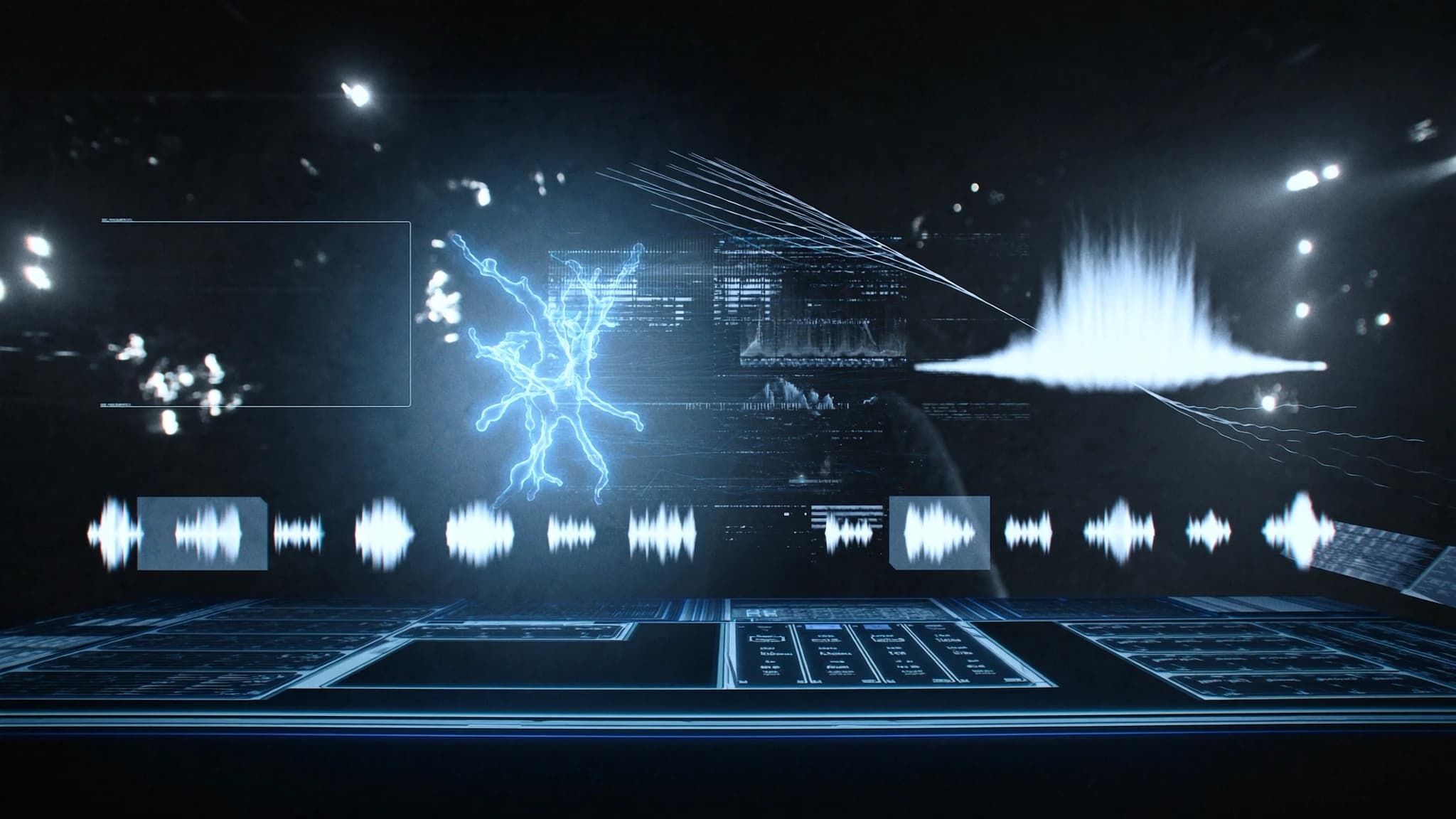
In professionele audio komt het verschil tussen een goed systeem en een uitstekend systeem vaak neer op voorspelling. Voordat er ook maar één box wordt gehangen, moeten ingenieurs weten hoe geluid zich in een ruimte zal gedragen. AI en machine learning transformeren dit proces en maken het sneller, nauwkeuriger en toegankelijker. Bij SSOUNDS staan deze tools centraal in hoe wij wereldklasse PA-systemen ontwerpen en leveren.
Belangrijkste punten
- AI en machine learning maken akoestische voorspelling sneller en nauwkeuriger door te leren van real-world data.
- Dekkings- en SPL-mapping met AI zorgt voor gelijkmatige geluidsverdeling en voorkomt over- of onderdekking.
- Verstaanbaarheidsmetrieken zoals STI en C50 kunnen worden voorspeld en geoptimaliseerd met AI-modellen.
- Snellere ontwerpcycli betekenen dat systemen worden geoptimaliseerd vóór installatie, wat tijd bespaart en aanpassingen ter plaatse vermindert.
- SSOUNDS integreert AI akoestische modellering in elk systeemontwerp en levert wereldklasse prestaties.
De uitdaging van geluidsvoorspelling in echte ruimtes
Elke ruimte is uniek. De geometrie, materialen en omgevingsomstandigheden beïnvloeden allemaal hoe geluid zich voortplant. Traditionele akoestische modellering vertrouwt op vereenvoudigde natuurkunde en handmatige aanpassingen. Dit kan tijdrovend zijn en subtiele interacties missen. Voor grootschalige tours of permanente installaties kunnen zelfs kleine fouten leiden tot ongelijkmatige dekking, slechte verstaanbaarheid of overmatige SPL in sommige gebieden en te weinig in andere.
AI en machine learning pakken deze beperkingen aan door te leren van enorme datasets met real-world metingen en simulaties. Ze kunnen patronen identificeren die moeilijk te vangen zijn met conventionele methoden. Dit maakt nauwkeurigere voorspellingen mogelijk van dekking, SPL en verstaanbaarheid over het hele publieksgebied.
Hoe AI de akoestische voorspelling verbetert
AI-ondersteunde akoestische modellering gebruikt algoritmen die zijn getraind op duizenden ruimteresponsen. Deze modellen kunnen voorspellen hoe geluid zal reflecteren, absorberen en diffracteren in complexe ruimtes. Ze houden rekening met factoren zoals temperatuur, luchtvochtigheid en publieksabsorptie, die in basismodellen vaak over het hoofd worden gezien.
Machine learning versnelt ook het simulatieproces. Wat ooit uren handmatige iteratie kostte, kan nu in minuten worden gedaan. Dit betekent dat ingenieurs snel meerdere configuraties kunnen testen, de dekking kunnen optimaliseren en de behoefte aan aanpassingen ter plaatse kunnen verminderen. Bij SSOUNDS integreren we deze tools in onze ontwerpworkflow om ervoor te zorgen dat elk systeem vanaf dag één feilloos presteert.
Dekking en SPL nauwkeurig in kaart brengen
Dekkingsmapping draait om ervoor te zorgen dat elke stoel in de zaal consistent geluid ontvangt. AI-modellen genereren gedetailleerde heatmaps die de SPL-verdeling over de ruimte tonen. Deze kaarten markeren gebieden met overdekking en onderdekking, waardoor ingenieurs array-hoeken, delays en EQ kunnen aanpassen vóór de installatie.
SPL-voorspelling is even cruciaal. Te veel niveau in één gebied kan luisteraarsvermoeidheid veroorzaken, terwijl te weinig sommige publieksleden onbetrokken laat. AI-gestuurde modellen voorspellen SPL met hoge nauwkeurigheid en helpen het systeem te balanceren voor gelijkmatig, impactvol geluid. Dit is vooral belangrijk in grote arena's, stadions en buitenfestivals waar de worpafstanden lang zijn en omgevingsfactoren variëren.
Verstaanbaarheid op elke stoel verbeteren
Verstaanbaarheid is de helderheid van spraak en vocalen. Het is vaak het eerste dat lijdt onder slechte akoestische ontwerpen. AI-modellen voorspellen verstaanbaarheidsmetrieken zoals STI (Speech Transmission Index) en C50, die meten hoe goed geluid helder en duidelijk blijft. Door deze metrieken te simuleren, kunnen ingenieurs probleemgebieden identificeren en het ontwerp aanpassen om de helderheid te verbeteren.
In ruimtes met hoge nagalm of uitdagende vormen kan AI specifieke behandelingen of systeemplaatsingen suggereren. Dit zorgt ervoor dat aankondigingen, presentaties en optredens door iedereen duidelijk worden gehoord. SSOUNDS gebruikt deze voorspellingen om systemen fijn af te stemmen en spraak en muziek met uitzonderlijke definitie te leveren.
Snellere ontwerpcycli en betere resultaten
Tijd is geld in live sound. AI versnelt de ontwerpcyclus door repetitieve taken te automatiseren en snelle feedback te geven. Ingenieurs kunnen in een fractie van de tijd meerdere ontwerpen doorlopen en opties verkennen die handmatig te kostbaar zouden zijn om te simuleren.
Deze snelheid gaat niet ten koste van nauwkeurigheid. AI-modellen presteren zelfs vaak beter dan traditionele methoden omdat ze leren van real-world data. Het resultaat is een systeem dat is geoptimaliseerd voordat het ooit het magazijn verlaat, wat de opbouwtijd verkort en verrassingen op locatie minimaliseert. Voor SSOUNDS betekent dit dat we snel en betrouwbaar maatwerkoplossingen kunnen leveren die exact voldoen aan de behoeften van elke ruimte.
SSOUNDS: engineering met intelligentie
Bij SSOUNDS is AI akoestische modellering geen extraatje; het staat centraal in ons engineeringproces. Ons R&D-team in Europa verfijnt deze tools continu en combineert ze met onze diepgaande kennis van luidsprekerontwerp. We gebruiken AI om elke line array, point-source systeem en subwoofer te optimaliseren voor de specifieke ruimte die het zal bedienen.
Deze aanpak stelt ons in staat om mee te concurreren met de top-tier fabrikanten van de wereld. Door AI te benutten, zorgen we ervoor dat onze systemen consistente dekking, hoge SPL en uitstekende verstaanbaarheid leveren, ongeacht de uitdaging. Of het nu gaat om een concerttour, een gebedshuis of een stadion, SSOUNDS-systemen worden ontworpen met precisie en intelligentie.
Veelgestelde vragen
Wat is AI akoestische modellering?
AI akoestische modellering gebruikt machine learning algoritmen die zijn getraind op akoestische data om te voorspellen hoe geluid zich in een ruimte gedraagt. Het simuleert dekking, SPL en verstaanbaarheid nauwkeuriger en sneller dan traditionele methoden.
Hoe verbetert AI de dekkingsvoorspelling?
AI analyseert de geometrie van de ruimte, materialen en omgevingsfactoren om gedetailleerde dekkingskaarten te genereren. Het identificeert gebieden met ongelijkmatig geluid en suggereert aanpassingen aan array-hoeken, delays en EQ voor consistente dekking.
Kan AI de verstaanbaarheid voorspellen?
Ja. AI-modellen kunnen verstaanbaarheidsmetrieken zoals STI en C50 voorspellen, die de helderheid van spraak meten. Hierdoor kunnen ingenieurs het systeemontwerp optimaliseren voor duidelijke communicatie in elke ruimte.
Gebruikt SSOUNDS AI in zijn systeemontwerp?
Absoluut. AI akoestische modellering staat centraal in het engineeringproces van SSOUNDS. We gebruiken het om elk systeem voor zijn specifieke ruimte te optimaliseren en zo topprestaties te garanderen.
Hoe profiteren live sound ingenieurs van AI?
AI versnelt het ontwerpproces, vermindert giswerk en verbetert de nauwkeurigheid. Ingenieurs kunnen snel meerdere configuraties testen en betere resultaten leveren met minder afstelling ter plaatse.
Een systeem bouwen of upgraden?
SSOUNDS ontwerpt en produceert professionele PA wereldwijd, van een enkele ruimte tot stadionformaat.