AI-voorspellende simulatie voor geluidssystemen
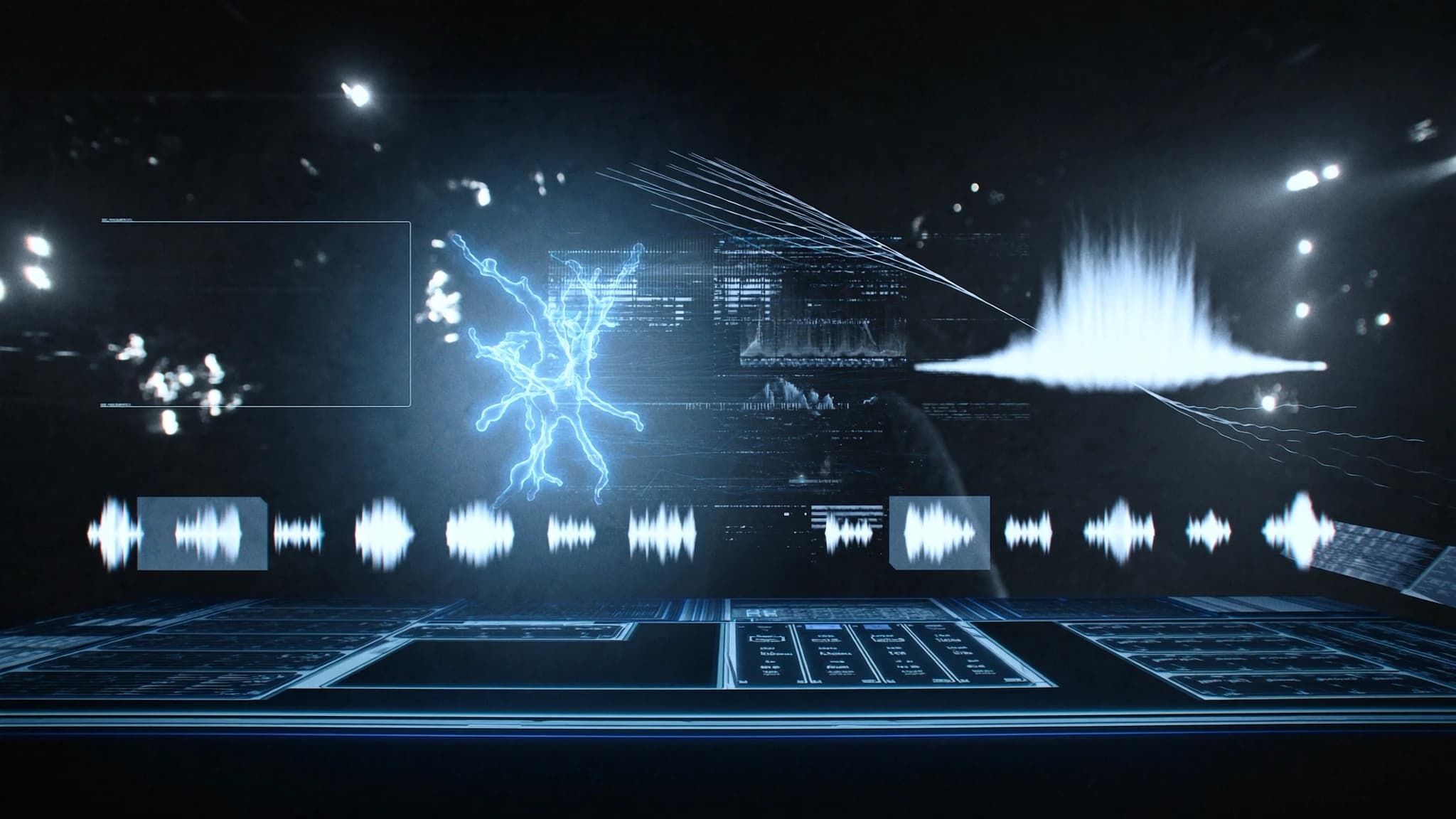
In professionele geluidsversterking is betrouwbaarheid geen bijzaak, maar iets dat vanaf de basis wordt ontworpen. SSOUNDS maakt gebruik van AI-ondersteunde voorspellende simulatie om headroom, thermische belasting en arraygedrag te stresstesten voordat er ook maar één luidspreker wordt verzonden of gehesen, zodat elk systeem consistente, faalveilige prestaties levert onder realistische omstandigheden.
Belangrijkste punten
- AI-voorspellende simulatie stresstest headroom, thermische belasting en arraygedrag voordat hardware wordt gebouwd of gehesen.
- Machine-learning-modellen die zijn getraind op data uit de praktijk bieden nauwkeurigere faalvoorspelling dan traditionele statische berekeningen.
- Thermische simulatie maakt dynamisch DSP-beheer mogelijk dat vermogenscompressie voorkomt en de levensduur van drivers verlengt.
- Modellering van arraygedrag optimaliseert dekking en mechanische veiligheid tegelijkertijd.
- Simulatieresultaten zijn ingebed in de DSP en documentatie van elk systeem, wat snellere inbedrijfstelling en rider-compliance mogelijk maakt.
- Continu leren van velddata zorgt ervoor dat SSOUNDS-systemen in de loop van de tijd betrouwbaarder worden.
Waarom voorspellende simulatie belangrijk is voor live sound
Traditioneel systeemontwerp vertrouwt op statische berekeningen en empirische vuistregels. Hoewel deze methoden functionele resultaten kunnen opleveren, laten ze vaak verborgen foutmarges achter, vooral wanneer systemen tot het uiterste worden gedreven in grote zalen, op buitenfestivals of in tournees. Een kleine misrekening in headroom of thermische dissipatie kan leiden tot versterkerclipping, drivercompressie of zelfs catastrofaal falen midden in een show.
AI-ondersteunde simulatie verandert dit paradigma. Door duizenden operationele scenario's te modelleren, waaronder variërende omgevingstemperaturen, signaalcrestfactoren en arrayconfiguraties, kunnen ingenieurs zwakke punten identificeren voordat er hardware wordt ingezet. SSOUNDS gebruikt machine-learning-algoritmen die zijn getraind op meetdata uit de praktijk om te voorspellen hoe elke component zich onder stress zal gedragen, van de temperatuurstijging van de spreekspoel tot de cumulatieve SPL over het publieksvlak.
Headroom stresstesten met AI
Headroom is de buffer tussen het nominale werkingsniveau en systeemfalen. In conventioneel ontwerp wordt headroom vaak geschat met worst-case-aannames die te conservatief kunnen zijn (wat versterkervermogen verspilt) of te optimistisch (wat schade riskeert). De AI-simulatie van SSOUNDS modelleert dynamisch de relatie tussen ingangssignaal, versterker-railspanning en driver-uitslaglimieten over frequentie en tijd.
De simulatie injecteert programmamateriaal uit de praktijk, waaronder transiënten met een hoge crestfactor van kickdrums of vocale pieken, en monitort de elektrische en mechanische respons van het systeem. Ze identificeert het exacte punt waarop de versterker begint te clippen of de driver zijn lineaire uitslaglimiet bereikt, waardoor ingenieurs precieze limiterdrempels en gainstructuren kunnen instellen. Dit zorgt ervoor dat elke dB headroom bruikbaar is zonder de veiligheid in gevaar te brengen.
Voorspelling en beheer van thermische belasting
Warmte is de stille vijand van luidsprekerbetrouwbaarheid. Naarmate spreekspoelen opwarmen, neemt hun weerstand toe, wat vermogenscompressie veroorzaakt, een vermindering van de output die bij langdurig gebruik op hoog SPL meer dan 3 dB kan bedragen. Traditionele thermische modellering gebruikt vereenvoudigde lumped-element-modellen die de werkelijke convectie- en stralingseffecten vaak niet vastleggen.
SSOUNDS gebruikt AI-gedreven eindige-elementenanalyse die de warmtestroom door de volledige luidsprekerconstructie simuleert: spreekspoel, magneetspleet, korf en behuizing. Het model houdt rekening met omgevingstemperatuur, luchtvochtigheid en luchtstroom door de beweging van de conus. Het voorspelt de tijd tot thermisch evenwicht en de resulterende vermogenscompressiecurve, waardoor de DSP dynamische EQ of gainreductie kan toepassen voordat de driver oververhit raakt. Dit proactieve thermische beheer verlengt de levensduur van componenten en behoudt een consistente geluidskwaliteit gedurende een hele voorstelling.
Arraygedrag: dekking, koppeling en mechanische stress
Line arrays en point-source-clusters vertonen complexe akoestische en mechanische interacties die moeilijk te voorspellen zijn met eenvoudige formules. AI-simulatie modelleert de volledige golfrontpropagatie, rekening houdend met wederzijdse koppeling tussen kasten, grensvlakreflecties en absorptie door het publiek. Ze voorspelt de SPL-verdeling, de uniformiteit van de frequentierespons en de fasecoherentie over het dekkingsgebied met hoge nauwkeurigheid.
Naast akoestiek evalueert de simulatie ook mechanische stress op hijsmateriaal en behuizingsconstructies. Door windbelastingen te modelleren (voor buitenopstellingen), dynamische krachten door subwooferbeweging en statische gewichtsverdeling, zorgt SSOUNDS ervoor dat elke gehesen array aan de veiligheidsnormen voldoet zonder overengineering. De AI kan optimale splay-hoeken, trimhoogtes en ground-stack-configuraties aanbevelen om stress te minimaliseren terwijl de dekking wordt gemaximaliseerd.
Van simulatie naar inzet: betrouwbaarheid door ontwerp
Het uiteindelijke doel van AI-voorspellende simulatie is niet alleen falen vermijden, maar prestaties garanderen. SSOUNDS integreert simulatieresultaten rechtstreeks in de DSP-presets en versterkerconfiguraties van het systeem. Elk verzonden systeem draagt een digitaal 'geboortecertificaat' dat de gesimuleerde headroom, thermische limieten en arraygedrag vastlegt, zodat ingenieurs op locatie kunnen verifiëren dat het ingezette systeem overeenkomt met de ontwerpintentie.
Deze aanpak verkort de inbedrijfstellingstijd, elimineert giswerk en biedt een gedocumenteerde veiligheidsmarge die kan worden aangehaald in rider-compliance of verzekeringscontexten. Voor tourproducties kan de simulatiedata worden gebruikt om back-upsystemen vooraf te configureren en load-in-logistiek te plannen, zodat het publiek zelfs onder de meest veeleisende omstandigheden ononderbroken geluid van hoge kwaliteit ervaart.
De toekomst: continu leren en adaptieve systemen
De AI-modellen van SSOUNDS zijn niet statisch, ze verbeteren met elke inzet. Velddata van echte shows (temperatuurlogboeken, versterkertelemetrie, DSP-foutrapporten) wordt geanonimiseerd en teruggevoerd in de trainingsset, waardoor de nauwkeurigheid van de simulatie in de loop van de tijd wordt verfijnd. Dit creëert een virtueuze cyclus waarin elk systeem slimmer en betrouwbaarder wordt dan het vorige.
Vooruitkijkend ontwikkelt SSOUNDS adaptieve DSP die systeemparameters in realtime kan aanpassen op basis van sensorfeedback, een closed-loop-regelsysteem dat optimale headroom en thermisch evenwicht handhaaft zonder menselijke tussenkomst. Dit vertegenwoordigt de volgende grens in betrouwbaarheid door ontwerp, waarbij het systeem veranderende omstandigheden anticipeert en compenseert voordat ze problemen worden.
Veelgestelde vragen
Hoe verschilt AI-simulatie van traditionele akoestische voorspellingssoftware?
Traditionele software vertrouwt op analytische modellen met vaste parameters, terwijl AI-simulatie machine learning gebruikt dat is getraind op empirische data om niet-lineaire gedragingen zoals thermische compressie en mechanische vermoeiing vast te leggen, wat nauwkeurigere voorspellingen voor de praktijk oplevert.
Kan AI-simulatie garanderen dat een systeem niet faalt onder extreme omstandigheden?
Geen enkele simulatie kan 100% betrouwbaarheid garanderen, maar AI-gedreven stresstests identificeren faalwijzen die vaak worden gemist, waardoor ingenieurs robuuste veiligheidsmarges kunnen ontwerpen. SSOUNDS-systemen worden getest om typische tourbelastingen te overtreffen.
Is de simulatiedata toegankelijk voor eindgebruikers?
Ja, elk SSOUNDS-systeem wordt geleverd met een digitaal rapport dat de belangrijkste simulatieresultaten samenvat (headroom, thermische limieten, arraygedrag), dat kan worden gebruikt voor systeemverificatie en rider-compliance.
Vervangt AI-simulatie het afstellen van het systeem op locatie?
Nee, het vormt een aanvulling. Simulatie biedt een betrouwbaar startpunt en een veiligheidsbasislijn, maar metingen en afstelling op locatie blijven essentieel om je aan te passen aan de specifieke akoestiek van de locatie.
Hoe verbetert thermische simulatie de prestaties van subwoofers?
Subwoofers genereren aanzienlijke warmte door de hoge vermogensvraag. AI-thermische modellering voorspelt de temperatuurstijging van de spreekspoel en vermogenscompressie, waardoor DSP gainreductie of EQ-aanpassingen kan toepassen om een consistente laagfrequente output te behouden.
Een systeem bouwen of upgraden?
SSOUNDS ontwerpt en produceert professionele PA wereldwijd, van een enkele ruimte tot stadionformaat.