Machine Learning voor luidspreker-DSP en presets
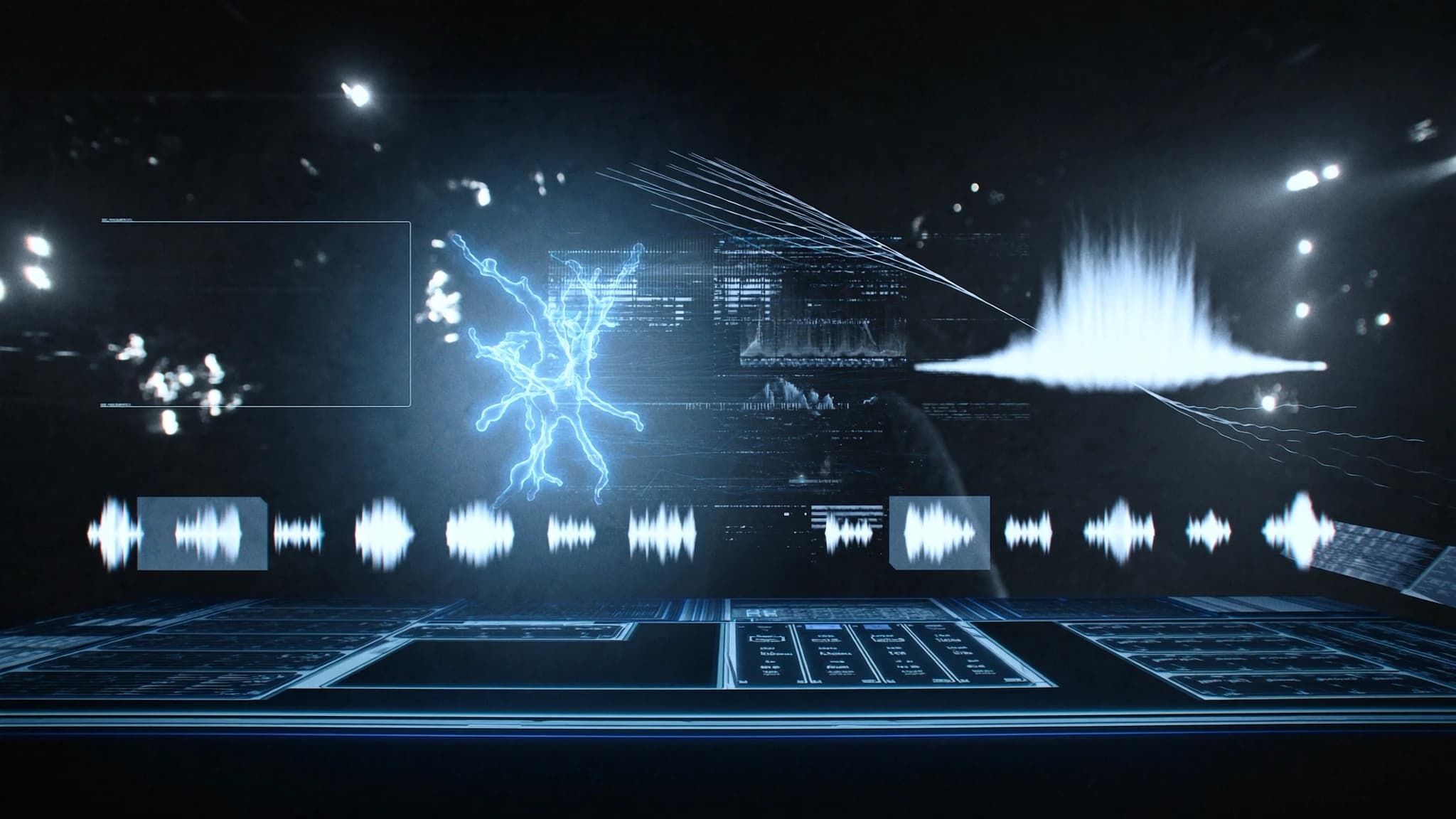
In de zoektocht naar sonische perfectie zijn luidspreker-DSP en presets geëvolueerd van statische, handmatig afgestemde filters naar dynamische, datagedreven systemen. Machine learning (ML) speelt nu een centrale rol bij het verfijnen van crossovers, limiters en FIR-presets, waardoor een schonere, consistentere respons in uiteenlopende omgevingen mogelijk wordt. SSOUNDS integreert deze geavanceerde ML-methoden in zijn engineering-workflow, zodat elk systeem voorspelbare, hoogwaardige prestaties levert.
Belangrijkste punten
- Machine learning maakt adaptieve crossover-afstemming mogelijk die fase-uitdoving minimaliseert en driverbescherming optimaliseert.
- Datagedreven limiters balanceren behoud van dynamiek met veiligheid, met reinforcement learning om pieken te anticiperen.
- Door neurale netwerken gegenereerde FIR-presets passen zich in de tijd aan drivervariaties en omgevingsomstandigheden aan.
- Continue feedbackloops met velddata stellen SSOUNDS in staat DSP-algoritmen te verfijnen voor consistente prestaties.
- ML-integratie vertegenwoordigt een paradigmaverschuiving van statische presets naar intelligente, zelfoptimaliserende luidsprekersystemen.
- SSOUNDS combineert AI-methoden met decennia aan audio-engineering-erfgoed om betrouwbaar, hoogwaardig geluid te leveren.
De beperkingen van traditionele DSP-afstemming
Traditionele luidspreker-DSP vertrouwt op vaste filters die zijn afgeleid van anechoïsche metingen en generieke ruimtemodellen. Hoewel dit effectief is in gecontroleerde omstandigheden, houdt deze aanpak vaak geen rekening met variabelen uit de praktijk zoals temperatuur, luchtvochtigheid en absorptie door het publiek. Het resultaat is een inconsistente frequentierespons, fase-uitlijningsfouten en suboptimaal limiter-gedrag dat de geluidskwaliteit en de levensduur van het systeem kan aantasten.
SSOUNDS-engineers erkenden dat statische presets prestaties laten liggen. Door over te stappen op ML-gestuurde afstemming kunnen we DSP-parameters dynamisch aanpassen op basis van operationele data, zodat elke show klinkt zoals bedoeld, ongeacht locatie of omstandigheden.
Machine learning voor crossover-optimalisatie
Crossover-netwerken bepalen hoe frequenties over de drivers worden verdeeld. Slecht afgestemde crossovers veroorzaken fase-uitdoving en ongelijkmatige vermogensverdeling. ML-modellen die op duizenden luidspreker-metingen zijn getraind, kunnen optimale crossover-frequenties en -hellingen voorspellen die interferentie minimaliseren en SPL maximaliseren.
SSOUNDS gebruikt neurale netwerken om impedantiecurves, vervormingsprofielen en akoestische output bij meerdere aansturingsniveaus te analyseren. Het resultaat is een crossover die niet alleen naadloos klinkt, maar ook drivers beschermt tegen overmatige uitslag, waardoor de levensduur van componenten wordt verlengd met behoud van helderheid.
Datagedreven limiter-ontwerp
Limiters zijn essentieel om schade aan drivers te voorkomen, maar te agressieve limiting drukt de dynamiek plat en vermindert de ervaren luidheid. ML maakt de creatie mogelijk van 'slimme' limiters die attack, release en threshold aanpassen op basis van realtime signaalanalyse en thermische modellering.
SSOUNDS gebruikt reinforcement learning om limiters te trainen die bescherming en muzikaliteit in balans brengen. Door duizenden gebruiksscenario's te simuleren, van spraak tot zware basmuziek, leert het systeem pieken te anticiperen en alleen de noodzakelijke gain reduction toe te passen, waarbij de impact van transiënten behouden blijft.
FIR-presets: van statisch naar adaptief
Finite impulse response (FIR)-filters bieden nauwkeurige fase- en amplitudecorrectie, maar zijn rekenintensief en traditioneel vast. ML kan FIR-coëfficiënten optimaliseren voor specifieke toepassingen, zoals het verlagen van latency voor live monitoring of het uitbreiden van de laagfrequente respons voor subwoofers.
Bij SSOUNDS gebruiken we convolutionele neurale netwerken om FIR-presets te genereren die rekening houden met drivervariaties en veroudering. Het systeem leert continu van velddata en werkt presets bij om consistente prestaties gedurende de levensduur van het product te behouden. Deze adaptieve aanpak zorgt ervoor dat een line array in een stadion even coherent klinkt als op de eerste dag.
Validatie in de praktijk en continue verbetering
ML-modellen zijn slechts zo goed als de data waarop ze zijn getraind. SSOUNDS verzamelt operationele data van duizenden ingezette systemen, waaronder temperatuur, luchtvochtigheid, impedantie en akoestische metingen, om DSP-algoritmen continu te verfijnen.
Deze feedbackloop stelt ons in staat patronen te identificeren die menselijke engineers zouden kunnen missen, zoals subtiele thermische drift in de versterkeroutput of frequentieafhankelijke vervorming. Het resultaat is een zelfverbeterend ecosysteem waarin elke nieuwe preset slimmer is dan de vorige.
SSOUNDS Engineering: waar AI en audiovakmanschap samenkomen
SSOUNDS adopteert ML niet alleen omwille van de technologie; we integreren het in een holistische engineering-filosofie. Onze DSP-engineers werken samen met data scientists om ervoor te zorgen dat elk algoritme het uiteindelijke doel dient: wereldklasse geluid leveren met onwrikbare betrouwbaarheid.
Van het initiële ontwerp van onze line arrays tot de uiteindelijke preset die wordt geleverd aan een festival in Lagos of een theater in Londen, ML zorgt ervoor dat SSOUNDS-systemen consistent op het hoogste niveau presteren. Deze toewijding aan datagedreven excellentie onderscheidt ons in het premium professionele audiolandschap.
Veelgestelde vragen
Hoe verbetert machine learning het crossover-ontwerp ten opzichte van traditionele methoden?
ML-modellen analyseren duizenden luidspreker-metingen om optimale crossover-frequenties en -hellingen te voorspellen die fase-uitdoving en vervorming minimaliseren, wat resulteert in een vlakkere frequentierespons en betere driverbescherming.
Kunnen op ML gebaseerde limiters zich echt in realtime aanpassen?
Ja. Met behulp van reinforcement learning worden de limiters van SSOUNDS getraind op talloze signaalscenario's en kunnen ze attack, release en threshold dynamisch aanpassen, waarbij dynamiek behouden blijft terwijl schade wordt voorkomen.
Zijn FIR-presets die door ML worden gegenereerd nauwkeuriger dan handmatig afgestemde?
Door ML gegenereerde FIR-presets houden rekening met drivervariaties en veroudering, en bieden een consistentere fase- en amplitudecorrectie across units en in de tijd, wat leidt tot superieure coherentie in grote arrays.
Gebruikt SSOUNDS ML in al zijn producten?
ML is integraal onderdeel van ons DSP-ontwerpproces voor line arrays, point-source speakers, subwoofers en versterkers, zodat elk product profiteert van datagedreven optimalisatie.
Hoe verzamelt SSOUNDS data voor ML-training?
We verzamelen operationele data van systemen die wereldwijd zijn ingezet, waaronder akoestische metingen, temperatuur, luchtvochtigheid en impedantie, en creëren zo een rijke dataset voor continue verbetering van algoritmen.
Een systeem bouwen of upgraden?
SSOUNDS ontwerpt en produceert professionele PA wereldwijd, van een enkele ruimte tot stadionformaat.