AI en de Toekomst van Toeren
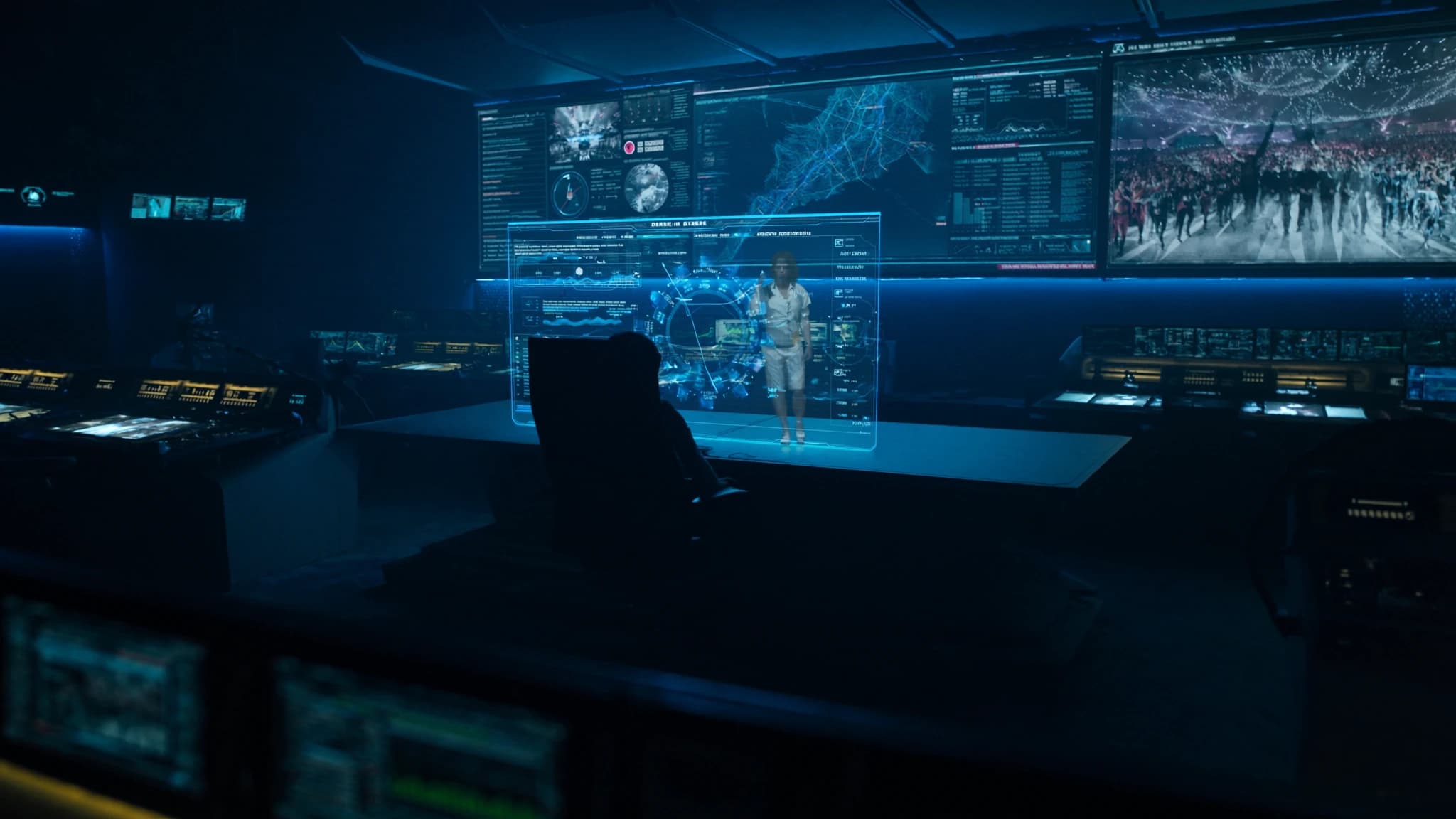
De tourindustrie staat op het punt van een transformatie gedreven door kunstmatige intelligentie. Van het optimaliseren van vrachtwagenbeladingen tot het voorspellen van systeemprestaties in onbekende locaties, AI belooft elk aspect van het leven op de weg te hervormen. Maar zoals SSOUNDS-engineers weten uit jarenlange ervaring met het inzetten van wereldklasse PA-systemen op meerdere continenten, blijft de menselijke touch onvervangbaar, vooral wanneer de show door moet gaan.
Belangrijkste punten
- AI kan tourlogistiek, routing, vrachtwagenbeladingen en planning optimaliseren, wat tijd en geld bespaart.
- AI-ondersteunde akoestische modellering versnelt systeemontwerp en tuning, maar kan de oren van een engineer niet vervangen.
- AI in showbesturing kan licht, video en audioprocessing automatiseren, maar creativiteit blijft menselijk.
- AI verbetert crewcommunicatie en welzijn, maar menselijke intuïtie en kameraadschap zijn onvervangbaar.
- De grenzen van AI omvatten het aanpakken van nieuwe situaties, emotionele intelligentie en het behouden van de magie van live optredens.
- SSOUNDS integreert AI als een hulpmiddel om menselijke expertise te versterken, niet te vervangen.
AI in Logistiek: Slimmere Load-Ins en Load-Outs
Een van de grootste hoofdpijndossiers voor elke tour is logistiek: hoeveel vrachtwagens, welke route, welke apparatuur gaat waar naartoe, en hoe minimaliseer je de downtime tussen shows. AI-gestuurde routeoptimalisatie en laadplanningstools helpen productiemanagers al om brandstofkosten en het aantal vrachtwagens te verlagen. Machine learning-modellen kunnen historische gegevens, locatieafmetingen, load-in-tijden en lokale verkeerspatronen analyseren om het meest efficiënte schema voor te stellen.
Voor een PA-fabrikant zoals SSOUNDS kan AI ook voorspellen welke luidsprekerconfiguraties het beste werken voor een bepaalde locatie op basis van eerdere shows, akoestische simulaties en zelfs weergegevens. Dit betekent minder opgehangen boxes, minder verspilde riggingtijd en een snellere systeemafstelling. Het resultaat: meer tijd voor soundchecks en minder stress voor de crew.
Systeemontwerp en Voorspelling: AI-ondersteunde Akoestische Modellering
Modern line array-ontwerp vertrouwt al op geavanceerde voorspellingssoftware, maar AI gaat verder. In plaats van handmatig trial-and-error kunnen AI-algoritmen optimale arrayconfiguraties, splay-hoeken, subwooferplaatsing en delay fills genereren in enkele seconden. SSOUNDS-engineers gebruiken machine learning om DSP-presets te verfijnen, zodat consistente dekking en verstaanbaarheid in sterk verschillende ruimtes gegarandeerd zijn.
Stel je een tool voor die van elke show leert: hij ziet dat een bepaalde locatievorm een dip van 3 dB bij 2 kHz veroorzaakt, en past automatisch de EQ aan voor de volgende avond. Dat is de belofte van AI bij systeemafstelling. Maar de grenzen zijn duidelijk: geen enkel algoritme kan rekening houden met een last-minute podiumuitbreiding, een publiek dat de voorste rijen vult, of een plotselinge verandering in luchtvochtigheid. De beste AI is een copiloot, geen vervanging voor een ervaren FOH-engineer.
Content en Showbesturing: AI in Licht, Video en Audio
AI genereert al lichtcues, triggert videocontent en mixt in sommige contexten zelfs front-of-house audio. Voor toeren kan dit betekenen dat showbestanden zich automatisch aanpassen aan de energie van de avond: een langzame ballad krijgt een warmere lichtwash, een high-energy drop krijgt een flitsender strobepatroon. AI-gestuurde audioprocessing kan ook feedbackonderdrukking en dynamische EQ in realtime aanpakken, waardoor de engineer zich op de mix kan richten.
Toch verzet de creatieve ziel van een live show zich tegen volledige automatisering. Een menselijke engineer weet wanneer hij de regels moet breken, wanneer hij een vocal iets te luid moet pushen voor emotionele impact, of een gitaarsolo moet laten ademen zonder compressie. SSOUNDS vindt dat AI de vervelende, repetitieve taken moet overnemen zodat de crew zich kan richten op artisticiteit en verbinding.
Crew en Communicatie: AI als Teamlid
Tourcrews zijn hecht en communicatie is alles. AI-gestuurde plannings tools kunnen call times, hotelboekingen en per diems beheren, waardoor de administratieve last voor tourmanagers afneemt. AI voor taalvertaling kan internationale crews naadloos laten samenwerken. Zelfs gezondheidsmonitoring, het bijhouden van slaap, stress en geluidsblootstelling, kan worden beheerd door draagbare AI, wat helpt burn-out en gehoorverlies te voorkomen.
Maar AI kan de kameraadschap van een nabespreking na de show niet vervangen, noch de intuïtie van een doorgewinterde rigger die een losse bout opmerkt voordat het een probleem wordt. De weg is onvoorspelbaar: een generator begeeft het, een visum wordt geweigerd, een bus gaat kapot. AI kan plannen, maar niet improviseren. Daar wint menselijke ervaring.
De Grenzen van Automatisering: Waarom Mensen de Weg Nog Steeds Regeren
Ondanks alle beloftes heeft AI blinde vlekken. Het mist gezond verstand, emotionele intelligentie en het vermogen om echt nieuwe situaties aan te pakken. Een locatie kan een vreemde stroomverdeling hebben, een lokale promotor kan het schema op een gril wijzigen, of een onweersbui kan midden in de show opkomen. AI-modellen die op historische gegevens zijn getraind, kunnen falen wanneer de toekomst niet op het verleden lijkt.
Bovendien is toeren een mensenbedrijf. Artiesten vertrouwen hun crew en publiek voelt de energie van een live optreden. Overmatige automatisering riskeert die magie steriel te maken. De filosofie van SSOUNDS is om AI te gebruiken als een krachtig hulpmiddel, voor voorspelling, optimalisatie en consistentie, maar altijd met een mens in de lus. De beste toursystemen zijn die welke menselijke vaardigheid versterken, niet vervangen.
De Weg Vooruit: AI en de Toekomst van Toeren met SSOUNDS
Terwijl AI zich blijft ontwikkelen, loopt SSOUNDS voorop bij het integreren ervan in onze luidsprekersystemen en workflow. We ontwikkelen AI-ondersteunde tuning-presets die van locatiegegevens leren, voorspellende onderhoudsmeldingen die waarschuwen voor slijtage van componenten, en logistieke tools die elk tourbeen optimaliseren. Maar we vergeten nooit dat het doel een geweldige show is, en dat vraagt om menselijke passie, creativiteit en veerkracht.
De toekomst van toeren wordt een partnerschap tussen mens en machine. AI neemt het zware werk van data en repetitie voor zijn rekening, terwijl mensen de artisticiteit, het aanpassingsvermogen en het hart inbrengen. Voor SSOUNDS is dat niet alleen een visie, het is hoe we elk systeem ontwerpen, van de line arrays tot de subwoofers, om de mensen die live muziek onvergetelijk maken te versterken.
Veelgestelde vragen
Zal AI FOH-engineers vervangen?
Nee. AI kan helpen bij tuning, feedbackonderdrukking en automatisering, maar de creatieve beslissingen en het aanpassingsvermogen van een menselijke engineer zijn essentieel voor een geweldige live show.
Hoe helpt AI bij het ontwerp van luidsprekersystemen?
AI-algoritmen kunnen snel optimale arrayconfiguraties en DSP-presets genereren op basis van locatiegegevens, waardoor de opsteltijd afneemt en de consistentie van de dekking verbetert.
Kan AI apparatuurstoringen tijdens een tour voorspellen?
Ja, voorspellende onderhoudsmodellen kunnen gebruikspatronen en sensorgegevens analyseren om te waarschuwen voor mogelijke storingen voordat ze optreden, waardoor proactieve reparaties mogelijk worden.
Wordt AI gebruikt in SSOUNDS-producten?
SSOUNDS integreert AI in onze akoestische modellering, DSP-tuning en logistieke tools om engineers te helpen sneller beter geluid te leveren, terwijl de mens centraal blijft staan.
Wat zijn de risico's van overmatige automatisering bij live-evenementen?
Overmatige automatisering kan leiden tot steriele optredens, verminderde flexibiliteit en kwetsbaarheid voor onverwachte situaties. De menselijke touch is cruciaal om je aan te passen aan het onvoorspelbare karakter van live-evenementen.
Een systeem bouwen of upgraden?
SSOUNDS ontwerpt en produceert professionele PA wereldwijd, van een enkele ruimte tot stadionformaat.